
Yes, exercise can significantly help with sleep apnea. While it’s not a direct cure, regular physical activity, especially when it leads to weight loss, can improve sleep quality, reduce snoring, and positively impact overall cardiovascular health and respiratory function.
Sleep apnea is a common and serious sleep disorder where breathing repeatedly stops and starts during sleep. These pauses in breathing, called apneas or hypopnea index events, can last for seconds or even minutes, and can occur many times an hour. This disruption prevents the body from getting enough oxygen, leading to fragmented sleep and a host of health problems.
Many people wonder if exercise is a viable option for managing this condition. The good news is that incorporating a consistent exercise routine can be a powerful tool in your arsenal against sleep apnea, working in conjunction with traditional treatments like CPAP (Continuous Positive Airway Pressure) machines.
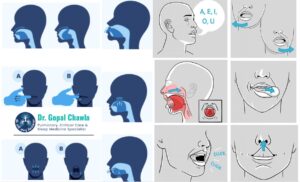
Image Source: www.pulmoconsult.com
The Link Between Weight and Sleep Apnea
A major contributing factor to obstructive sleep apnea (OSA) is obesity. Excess weight, particularly around the neck, can narrow the airway. During sleep, the muscles in the throat relax, and this extra tissue can collapse, blocking airflow. This is why weight loss is often a primary recommendation for individuals with sleep apnea, especially if they are overweight or obese.
- How Excess Weight Affects the Airway:
- Fat deposits in the neck can compress the pharynx.
- This compression makes the airway more likely to collapse during sleep.
- Increased abdominal fat can also push up on the diaphragm, making breathing more difficult.
How Exercise Contributes to Better Sleep
Exercise is a multifaceted approach that tackles sleep apnea from several angles. It’s not just about shedding pounds; it’s also about improving your body’s overall function.
Promoting Weight Loss
This is perhaps the most direct way exercise helps with sleep apnea. Burning calories through physical activity, combined with a healthy diet, can lead to a reduction in body weight. Even a modest weight loss of 10% can lead to significant improvements in sleep apnea severity, as measured by the hypopnea index.
- Calorie Deficit: Exercise increases your metabolic rate, helping you burn more calories than you consume.
- Muscle Mass: Building muscle through strength training can boost your resting metabolic rate, meaning you burn more calories even when you’re not exercising.
Enhancing Respiratory Function
Regular aerobic exercise strengthens the respiratory muscles, including the diaphragm and intercostal muscles. This improved respiratory function can make breathing more efficient, both during waking hours and potentially during sleep.
- Diaphragmatic Strength: Exercises that focus on deep breathing can improve the strength and capacity of the diaphragm.
- Lung Capacity: Aerobic activities like running or swimming increase lung capacity and improve the exchange of oxygen and carbon dioxide.
Improving Cardiovascular Health
Sleep apnea puts a significant strain on the heart and blood vessels. It’s linked to higher rates of high blood pressure, heart disease, stroke, and type 2 diabetes. Exercise is a cornerstone of improving cardiovascular health.
- Blood Pressure Control: Regular exercise can help lower blood pressure, a common comorbidity with sleep apnea.
- Cholesterol Levels: Physical activity can improve cholesterol profiles, reducing the risk of atherosclerosis (hardening of the arteries).
- Heart Muscle Strength: Exercise strengthens the heart muscle, allowing it to pump blood more efficiently.
Boosting Sleep Quality
While it might seem counterintuitive, exercising can actually help you sleep better. When you exercise, your body’s natural sleep-wake cycle (circadian rhythm) can be regulated. Additionally, the physical exertion can lead to deeper, more restorative sleep.
- Reduced Sleep Latency: You might find yourself falling asleep faster.
- Increased Deep Sleep: The body can enter deeper stages of sleep more readily.
- Fewer Awakenings: Fragmented sleep due to apnea events might be reduced, leading to more continuous rest.
Reducing Inflammation
Chronic inflammation is a common feature of obesity and sleep apnea. Exercise has been shown to have anti-inflammatory effects, which could potentially benefit individuals with sleep apnea.
Types of Exercise That Can Help
The best exercise program for sleep apnea is one that is enjoyable and sustainable. A combination of aerobic and strength training is often recommended.
Aerobic Exercise
Aerobic exercise, also known as cardio, is any activity that increases your heart rate and breathing for a sustained period. This type of exercise is excellent for burning calories, improving cardiovascular health, and boosting respiratory function.
- Examples:
- Walking
- Jogging or running
- Cycling (indoor or outdoor)
- Swimming
- Dancing
- Hiking
- Rowing
Recommended Frequency and Duration: Aim for at least 150 minutes of moderate-intensity aerobic activity or 75 minutes of vigorous-intensity aerobic activity per week, spread throughout the week.
Strength Training
Strength training, also called resistance training, involves using weights or resistance bands to build muscle strength and endurance. Building muscle can help increase your metabolism, aiding in weight loss, and can also improve overall body composition.
- Examples:
- Lifting weights
- Using resistance bands
- Bodyweight exercises (push-ups, squats, lunges)
- Using weight machines
Recommended Frequency and Duration: Aim for strength training exercises at least two days a week, targeting major muscle groups.
Flexibility and Balance Exercises
While not directly impacting weight loss or cardiovascular health, exercises like yoga and Pilates can improve posture and core strength, which may indirectly help with airway support. They also contribute to overall well-being, which can positively influence sleep quality.
Breathing Exercises
Beyond general exercise, specific breathing exercises can be beneficial for individuals with sleep apnea. These exercises focus on strengthening the muscles involved in breathing and improving breathing control.
-
Diaphragmatic Breathing (Belly Breathing):
- Sit or lie down comfortably.
- Place one hand on your chest and the other on your abdomen.
- Inhale slowly through your nose, allowing your abdomen to rise while keeping your chest relatively still.
- Exhale slowly through pursed lips, letting your abdomen fall.
- Practice for 5-10 minutes several times a day.
-
Pursed-Lip Breathing:
- Relax your neck and shoulders.
- Inhale slowly through your nose.
- Pucker your lips as if you were going to whistle.
- Exhale slowly through your pursed lips, taking twice as long to exhale as you did to inhale.
- This technique helps keep airways open longer.
While these breathing exercises can improve respiratory function, they are typically considered complementary to primary treatments and are not a standalone cure for sleep apnea.
Important Considerations Before Starting an Exercise Program
It’s crucial to consult with your doctor or a healthcare professional before starting any new exercise program, especially if you have sleep apnea or any other underlying health conditions. They can help you create a safe and effective plan tailored to your specific needs.
Gradual Progression
Start slowly and gradually increase the intensity and duration of your workouts. Overdoing it, especially when you’re not accustomed to exercising, can lead to injury and burnout.
Consistency is Key
The benefits of exercise are realized through consistent effort. Aim to make exercise a regular part of your routine.
Listen to Your Body
Pay attention to how your body feels. If you experience any pain or discomfort, stop and rest.
Hydration and Nutrition
Ensure you stay well-hydrated and fuel your body with nutritious foods to support your exercise efforts and overall health.
Sleep Hygiene
While exercise can improve sleep quality, it’s also important to maintain good sleep hygiene. This includes having a regular sleep schedule, creating a relaxing bedtime routine, and ensuring your bedroom is dark, quiet, and cool.
Exercise and CPAP Therapy
For many, CPAP therapy remains the gold standard for treating moderate to severe sleep apnea. Exercise is not meant to replace CPAP but rather to complement it. By improving your health and potentially reducing the severity of your sleep apnea, exercise might, in some cases, allow for a less aggressive CPAP setting or, in very mild cases, even reduce dependence on the machine, but this should always be under medical supervision.
- Synergistic Effects: Combining exercise with CPAP can lead to greater improvements in symptoms, daytime alertness, and overall health outcomes.
- Improved Tolerance to CPAP: As your fitness improves and you potentially lose weight, you might find your CPAP mask fits better and the pressure settings are more comfortable.
The Role of Other Treatments
While exercise is powerful, it’s important to remember that sleep apnea is a complex condition. Other treatments that may be recommended include:
- Positional Therapy: For individuals whose sleep apnea is worse when sleeping on their back, positional therapy devices or techniques can help maintain side sleeping.
- Oral Appliances: Custom-made mouthguards can reposition the jaw and tongue to keep the airway open.
- Surgery: In some cases, surgery may be an option to address anatomical issues contributing to airway obstruction.
Integrating Exercise with Other Treatments
A holistic approach is often the most effective. If you use CPAP, consider how exercise fits into your overall treatment plan. Discussing your exercise goals with your doctor can help integrate it seamlessly. For example, if you find yourself feeling more energetic due to exercise, you might be more motivated to consistently use your CPAP machine.
Measuring Progress
How do you know if your exercise is helping your sleep apnea? Your doctor can monitor key indicators.
Hypopnea Index (HI)
This is a primary measure of sleep apnea severity. It represents the number of times your breathing is partially blocked (hypopnea) per hour of sleep. A lower hypopnea index indicates less severe sleep apnea. Studies have shown that weight loss through exercise can significantly reduce the hypopnea index.
Epworth Sleepiness Scale (ESS)
This self-administered questionnaire helps assess daytime sleepiness. Improvements in your ESS score can indicate better sleep quality and less fatigue.
Snoring Severity
While not a direct clinical measure of sleep apnea, a reduction in snoring can be a good indicator of improved airway patency and reduced apnea events.
Sleep Quality
You can also track subjective improvements in your sleep quality by noting how rested you feel upon waking, your energy levels throughout the day, and any reduction in nighttime awakenings.
Real-World Impact: Case Examples
While individual results vary, many people with sleep apnea have reported significant improvements with regular exercise.
-
Sarah’s Story: Sarah, who was diagnosed with moderate OSA and struggled with daytime fatigue, started a routine of brisk walking five days a week and incorporated strength training twice a week. Within six months, she lost 15 pounds. Her hypopnea index decreased by 40%, her snoring was notably reduced, and she reported feeling more alert and energetic throughout the day. She still uses her CPAP, but her treatment feels more effective.
-
Mark’s Journey: Mark, who had severe OSA and obesity, found exercising challenging initially. He started with water aerobics and gradually progressed to cycling. Along with dietary changes, he lost 50 pounds over a year. His cardiovascular health improved, and his respiratory function felt stronger. While he continues to use CPAP, he has noticed a significant improvement in his overall sleep quality and a reduction in the severity of his apnea events.
Frequently Asked Questions (FAQ)
Q1: Can exercise alone cure sleep apnea?
A: For most people with moderate to severe sleep apnea, exercise alone is unlikely to be a complete cure. However, it can significantly improve symptoms and reduce severity, especially when combined with other treatments like CPAP or weight loss. In very mild cases, significant weight loss achieved through exercise might lead to remission, but this is rare.
Q2: What is the best type of exercise for sleep apnea?
A: A combination of aerobic exercise (like walking, swimming, cycling) and strength training is generally recommended. Aerobic exercise is excellent for weight loss and improving cardiovascular health, while strength training builds muscle and boosts metabolism. Specific breathing exercises can also be beneficial for respiratory function.
Q3: How much weight loss is needed to see an improvement in sleep apnea?
A: Even a modest weight loss of 5-10% of your body weight can lead to significant improvements in sleep apnea symptoms, including a reduced hypopnea index and less snoring. Greater weight loss often results in more substantial benefits.
Q4: Is it safe to exercise if I have sleep apnea?
A: Yes, it is generally safe and highly recommended to exercise if you have sleep apnea, provided you consult with your doctor first. They can help you develop a safe and effective exercise plan. Be mindful of exercising with your CPAP mask if advised by your doctor for certain nighttime exercises, though most exercise is done during the day.
Q5: Can exercise help with snoring?
A: Yes, exercise can help reduce snoring. Weight loss achieved through exercise can reduce the fat deposits in the neck that contribute to airway narrowing and snoring. Improved muscle tone and respiratory function can also play a role.
Q6: What if I have trouble breathing during exercise?
A: If you experience difficulty breathing during exercise, stop immediately and consult your doctor. This could be a sign that your sleep apnea is not well-managed or that you are pushing yourself too hard. Proper warm-up and cool-down are also important.
Q7: How quickly will I see results from exercise for my sleep apnea?
A: Results vary depending on individual factors like starting fitness level, consistency of exercise, and the severity of sleep apnea. You might notice improvements in energy levels and sleep quality within a few weeks, while significant changes in your hypopnea index or snoring due to weight loss might take several months.
Q8: Should I exercise at night?
A: While some find gentle evening exercise beneficial, intense workouts close to bedtime can interfere with sleep quality for some individuals. It’s generally recommended to exercise earlier in the day. However, if nighttime breathing exercises are part of your prescribed routine, follow your doctor’s advice.
In conclusion, incorporating regular exercise into your lifestyle is a powerful strategy for managing sleep apnea. By promoting weight loss, improving respiratory function, enhancing cardiovascular health, and boosting overall sleep quality, exercise can play a vital role in reclaiming your health and well-being. It works best as part of a comprehensive treatment plan, often alongside CPAP therapy and other medical interventions, to tackle this complex sleep disorder effectively.