
Yes, exercise can significantly aid in managing peripheral neuropathy by improving nerve function, reducing nerve pain, and enhancing overall quality of life. While exercise cannot reverse existing nerve damage, it plays a crucial role in rehabilitation, symptom management, and preventing further complications.
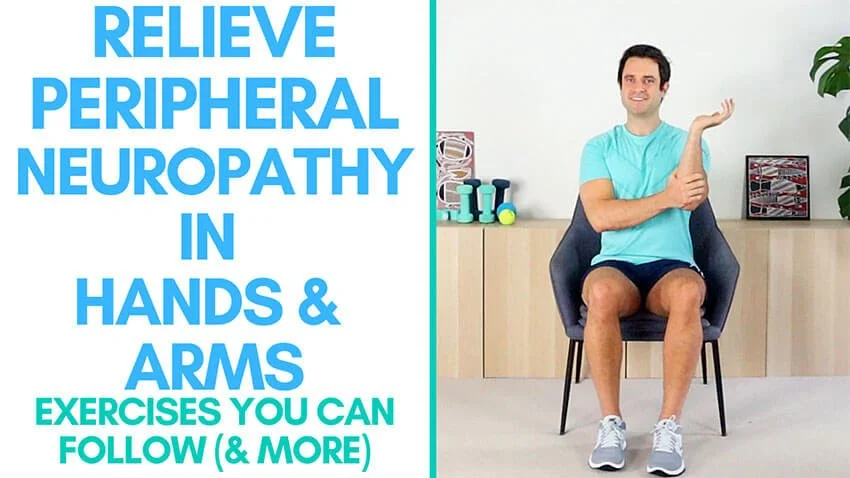
Image Source: images.squarespace-cdn.com
Fathoming Peripheral Neuropathy
Peripheral neuropathy is a complex condition affecting the nerves outside of the brain and spinal cord. These peripheral nerves act as messengers, carrying signals between the central nervous system and the rest of the body. When these nerves become damaged, these signals can be disrupted, leading to a range of symptoms.
What Causes Nerve Damage?
Numerous factors can lead to nerve damage, the root cause of peripheral neuropathy. Some of the most common culprits include:
- Diabetes: This is the leading cause of peripheral neuropathy. High blood sugar levels over time can damage small blood vessels that supply nerves with oxygen and nutrients.
- Autoimmune Diseases: Conditions like rheumatoid arthritis, lupus, and Guillain-Barré syndrome can cause the body’s immune system to attack its own nerves.
- Infections: Certain viral and bacterial infections, such as Lyme disease, shingles, and HIV, can directly damage nerves.
- Injuries or Trauma: Direct physical injury, compression, or repetitive stress can damage peripheral nerves.
- Toxins and Poisons: Exposure to certain chemicals, heavy metals, and even alcohol can be toxic to nerves.
- Medications: Some chemotherapy drugs and other medications can have nerve damage as a side effect.
- Vitamin Deficiencies: Lack of essential vitamins like B1, B6, and B12 can impact nerve health.
- Inherited Disorders: Certain genetic conditions can predispose individuals to peripheral neuropathy.
Types of Affected Nerves
Peripheral neuropathy can affect different types of nerves, leading to varied symptoms:
- Sensory Nerves: These nerves transmit sensations like touch, temperature, pain, and vibration. Damage to sensory nerves often results in numbness, tingling, burning, or sharp pain. This can also affect proprioception, the sense of where your body parts are in space.
- Motor Nerves: These nerves control muscle movement. Damage can lead to muscle weakness, cramping, twitching, and difficulty with fine motor skills.
- Autonomic Nerves: These nerves regulate involuntary bodily functions such as heart rate, digestion, blood pressure, and bladder function. Dysfunction can manifest as problems with sweating, digestion, blood pressure control, and sexual function.
Exercise Benefits for Peripheral Neuropathy
The exercise benefits for individuals with peripheral neuropathy are multifaceted. By engaging in a tailored exercise program, people can actively work towards improving their condition and managing their symptoms.
Improving Nerve Function
While exercise cannot regrow damaged nerve fibers, it can promote the health and efficiency of existing nerves and potentially encourage compensatory pathways.
- Enhanced Blood Flow: Exercise increases blood circulation throughout the body, including to the extremities. This improved blood flow delivers vital oxygen and nutrients to nerves, supporting their repair and function.
- Neurotrophic Factors: Physical activity stimulates the release of neurotrophic factors, which are proteins that support the growth, survival, and function of neurons. These factors can help protect existing nerves and potentially promote some degree of nerve regeneration or adaptation.
- Improved Nerve Conduction Velocity: Regular exercise can help improve the speed at which nerve signals travel along the nerve fibers, potentially leading to better coordination and response times.
Reducing Nerve Pain and Discomfort
One of the most impactful exercise benefits is its ability to alleviate nerve pain. Many individuals experience chronic pain as a primary symptom of peripheral neuropathy.
- Endorphin Release: Exercise is a natural mood booster and pain reliever. During physical activity, the body releases endorphins, which are natural painkillers that can help to reduce the perception of pain.
- Distraction: Engaging in exercise can serve as a mental distraction from chronic pain, helping individuals focus on movement rather than discomfort.
- Reduced Inflammation: Some types of exercise can help reduce systemic inflammation, which is often a contributing factor to nerve damage and pain.
- Improved Sleep: Chronic pain can disrupt sleep, creating a vicious cycle. Regular exercise can improve sleep quality, which in turn can help the body better manage pain.
Strengthening Muscles and Preventing Weakness
Muscle weakness is a common and debilitating symptom of peripheral neuropathy, often stemming from damage to motor nerves. Exercise is critical for combating this.
- Muscle Re-education: Targeted exercises can help re-educate muscles that have weakened due to nerve damage. This involves engaging the muscles in controlled movements to improve their strength and endurance.
- Compensation and Synergy: As some muscles weaken, others may become overused or develop compensatory patterns. Exercise can help strengthen these supporting muscles and improve the overall synergy of movement.
- Preventing Atrophy: Without use, muscles can quickly deteriorate. Regular exercise helps maintain muscle mass and prevent further atrophy, which is essential for maintaining mobility and function.
Enhancing Balance and Preventing Falls
Damage to sensory nerves, particularly those responsible for proprioception, can lead to significant balance issues. This increases the risk of falls, which can have serious consequences.
- Proprioceptive Retraining: Exercises that challenge balance and proprioception can help retrain the body’s awareness of limb position and movement.
- Strengthening Core and Lower Body Muscles: Stronger leg and core muscles provide a more stable base and improve overall balance.
- Gait Training: Specific exercises can help improve walking patterns, reduce shuffling, and enhance stability during ambulation.
Improving Motor Control and Coordination
Peripheral neuropathy can disrupt the signals that control movement, leading to jerky or uncoordinated actions. Exercise can help refine these abilities.
- Fine Motor Skill Practice: Activities that require precise hand and finger movements can help improve dexterity and motor control.
- Coordination Drills: Exercises that involve coordinating movements between different parts of the body can enhance overall coordination.
- Gradual Progression: Starting with simple movements and gradually increasing complexity allows the nervous system to adapt and improve motor control.
Types of Exercise for Peripheral Neuropathy
A well-rounded exercise program tailored to the individual’s specific symptoms and abilities is key. It is crucial to consult with a healthcare professional or physical therapy specialist before starting any new exercise regimen.
Aerobic Exercise
Aerobic exercise, also known as cardiovascular exercise, benefits the entire body, including the nerves.
- Benefits: Improves cardiovascular health, boosts circulation, aids in weight management, and releases endorphins.
- Examples:
- Walking: A low-impact activity that can be done almost anywhere. Start with short distances and gradually increase duration and pace.
- Cycling (stationary or outdoor): Provides a good cardiovascular workout with less impact on the joints. Ensure proper bike fit for comfort and safety.
- Swimming or Water Aerobics: Excellent options for individuals with significant muscle weakness or joint pain, as the water supports the body and reduces stress.
- Elliptical Trainer: Offers a low-impact, full-body workout.
- Recommendations: Aim for at least 150 minutes of moderate-intensity aerobic activity per week, spread across several days.
Strength Training
Strength training is essential for combating muscle weakness and improving motor control.
- Benefits: Builds muscle mass, increases strength, improves bone density, and enhances balance issues.
- Examples:
- Bodyweight Exercises: Squats, lunges, push-ups (modified as needed), and planks.
- Resistance Bands: Versatile and portable, they offer adjustable resistance for various muscle groups.
- Light Weights or Dumbbells: Start with light weights and focus on proper form.
- Weight Machines: Provide support and controlled movement, which can be beneficial for those with significant weakness or balance issues.
- Recommendations: Perform strength training exercises for all major muscle groups 2-3 times per week, with at least one rest day between sessions. Focus on slow, controlled movements.
Flexibility and Stretching
Maintaining flexibility is crucial for comfort, range of motion, and preventing stiffness.
- Benefits: Increases range of motion, reduces muscle soreness, and can help alleviate nerve pain.
- Examples:
- Static Stretching: Holding a stretch for 15-30 seconds. Focus on major muscle groups, especially in the legs and feet.
- Dynamic Stretching: Gentle, controlled movements that take joints through their full range of motion. This is often best done as a warm-up.
- Yoga and Tai Chi: These practices combine stretching, strength, and balance, offering comprehensive benefits.
- Recommendations: Incorporate stretching into your routine daily or after workouts.
Balance and Proprioception Exercises
These exercises are vital for improving stability and reducing the risk of falls.
- Benefits: Enhances balance issues, improves coordination, and retrains sensory feedback.
- Examples:
- Single Leg Stands: Start by holding onto a stable surface and gradually progress to unsupported stands.
- Heel-to-Toe Walking: Mimics walking on a tightrope, challenging balance.
- Standing on Unstable Surfaces: Using a balance board or a folded towel can increase the challenge.
- Tai Chi: Its slow, deliberate movements are excellent for balance training.
- Recommendations: Practice balance exercises daily. Start slowly and focus on controlled movements.
Neuromuscular Re-education
This specialized form of exercise, often guided by a physical therapy professional, aims to retrain the brain-nerve-muscle connection.
- Benefits: Improves motor control, coordination, and the efficiency of nerve signals.
- Examples:
- Mirror Therapy: For phantom limb pain or pain in an affected limb.
- Task-Specific Training: Practicing everyday activities like picking up small objects or buttoning a shirt.
- Sensory Integration Exercises: Activities that stimulate sensory nerves, such as walking on different textures or using vibrating tools.
Considerations for Exercising with Peripheral Neuropathy
When embarking on an exercise program for peripheral neuropathy, careful consideration of specific factors is paramount to ensure safety and maximize effectiveness.
Safety First
Safety is the utmost priority. Nerve damage can impair sensation, making individuals less aware of injuries.
- Foot Care: Crucial for individuals with neuropathy affecting their feet. Inspect feet daily for cuts, blisters, or sores. Wear well-fitting, supportive shoes and moisture-wicking socks. Avoid walking barefoot.
- Environment: Ensure the exercise area is well-lit and free of tripping hazards.
- Hydration: Stay well-hydrated, especially during aerobic activities, as dehydration can worsen symptoms.
- Listen to Your Body: Pay close attention to how your body feels. If you experience increased pain, dizziness, or other concerning symptoms, stop the activity and rest.
- Proper Footwear: Crucial for protecting the feet from injury during exercise.
Gradual Progression
Starting too intensely can lead to injury or overexertion.
- Start Slow: Begin with shorter durations and lower intensity.
- Incremental Increases: Gradually increase the duration, frequency, and intensity of your workouts as your stamina and strength improve.
- Frequency over Intensity: Initially, focus on exercising more frequently at a lower intensity rather than fewer times at a high intensity.
Pain Management
Managing chronic pain is an integral part of exercising with neuropathy.
- Warm-up and Cool-down: Properly warming up before exercise and cooling down afterward can help prepare muscles and reduce soreness.
- Low-Impact Activities: Prioritize exercises that are gentle on the joints and nerves, such as swimming, cycling, or walking.
- Modify Exercises: Adapt exercises to suit your current abilities. For example, use a chair for support during squats or lunges.
- Seek Professional Guidance: A physical therapy professional can provide personalized advice on managing pain during exercise.
Consistency is Key
Regular exercise, even in short bursts, is more effective than infrequent, strenuous workouts.
- Build a Routine: Integrate exercise into your daily or weekly schedule.
- Find Enjoyable Activities: Choose activities you genuinely enjoy to increase adherence.
- Set Realistic Goals: Start with achievable goals to build confidence and motivation.
Potential for Exacerbation
While exercise is beneficial, certain types or intensities might temporarily worsen symptoms.
- Overexertion: Pushing yourself too hard can lead to increased fatigue and pain.
- High-Impact Activities: Activities that involve jarring movements can sometimes aggravate nerve irritation.
- Extreme Temperatures: Exercising in very hot or cold conditions can sometimes worsen neuropathy symptoms for some individuals.
The Role of Physical Therapy
Physical therapy plays a pivotal role in guiding individuals with peripheral neuropathy through a safe and effective exercise program. A physical therapist can:
- Conduct a Thorough Assessment: Evaluate your specific symptoms, limitations, muscle weakness, balance issues, and overall functional capacity.
- Develop a Personalized Exercise Plan: Create a tailored program that addresses your unique needs, focusing on improving nerve function, reducing nerve pain, and enhancing motor control.
- Teach Proper Technique: Ensure you perform exercises correctly to maximize benefits and minimize the risk of injury.
- Provide Modalities: Utilize therapeutic modalities like electrical stimulation or ultrasound to help manage pain and promote healing.
- Monitor Progress: Track your improvement and make adjustments to the exercise plan as needed.
- Educate on Self-Management: Empower you with the knowledge and skills to manage your condition independently.
Complementary Approaches
While exercise is a cornerstone of managing peripheral neuropathy, other approaches can complement your efforts.
Nutrition
A balanced diet rich in vitamins (especially B vitamins) and antioxidants can support nerve health.
Stress Management
Chronic stress can exacerbate pain and inflammation. Techniques like mindfulness, meditation, and deep breathing can be beneficial.
Adequate Sleep
Prioritizing quality sleep allows the body to repair and rejuvenate, aiding in pain management and overall well-being.
Frequently Asked Questions (FAQ)
Q1: Can exercise cure peripheral neuropathy?
A1: Exercise cannot cure peripheral neuropathy or reverse existing nerve damage. However, it is a highly effective strategy for managing symptoms, improving nerve function, reducing nerve pain, and enhancing overall quality of life.
Q2: What if I have severe nerve pain? Can I still exercise?
A2: Yes, even with severe nerve pain, exercise can be beneficial, but it must be approached with caution and under the guidance of a physical therapy professional. Low-impact activities, gentle stretching, and specific pain-management exercises are often recommended. The goal is to find movements that provide relief rather than exacerbate pain.
Q3: How long does it take to see benefits from exercise?
A3: The timeline for experiencing exercise benefits varies greatly depending on the individual, the severity of the neuropathy, and the consistency of the exercise program. Some people may notice improvements in energy levels or pain management within a few weeks, while others may take several months to experience more significant changes in strength, balance issues, or motor control. Consistency and patience are key.
Q4: Are there any exercises I should avoid?
A4: It’s essential to consult with a healthcare provider or physical therapy specialist to determine which exercises are best for your specific condition. Generally, high-impact activities that could lead to falls or injuries, or exercises that cause significant pain, should be avoided or modified. Exercises that put excessive pressure on compromised nerves or areas with reduced sensation should also be approached with caution.
Q5: What is the role of aerobic exercise in managing neuropathy?
A5: Aerobic exercise improves overall cardiovascular health, which is crucial for delivering oxygen and nutrients to nerves, supporting their function. It also helps reduce inflammation and releases endorphins, which can help alleviate nerve pain and improve mood.
Q6: How can exercise help with balance issues caused by neuropathy?
A6: Exercises that specifically target balance issues and proprioception help retrain the body’s sense of position and movement. Strengthening leg and core muscles also provides better stability, reducing the risk of falls, which are a significant concern for individuals with neuropathy.
Q7: Is it okay to feel some muscle soreness after exercising?
A7: Mild muscle soreness a day or two after a new or more intense workout is normal and indicates that your muscles are adapting. However, sharp, persistent pain, or pain that worsens during or after exercise is a signal to stop and consult your healthcare provider. This is especially important with peripheral neuropathy, where you might not feel the same warning signs of injury.
Q8: Can exercise help with the numbness and tingling sensations?
A8: While exercise may not eliminate numbness and tingling entirely, it can improve circulation and potentially enhance the functioning of sensory nerves. Some individuals report a reduction in these sensations or an improvement in their ability to distinguish between different sensations with regular exercise.
In conclusion, integrating a consistent and appropriate exercise program is a powerful tool for individuals living with peripheral neuropathy. By focusing on improving nerve function, managing nerve pain, strengthening muscles, and enhancing balance, exercise can significantly improve overall well-being and functional independence, even in the face of nerve damage. Always prioritize safety and seek professional guidance from healthcare providers and physical therapy specialists to create a plan that is right for you.