
Can exercise get rid of stretch marks? No, exercise alone cannot completely eliminate existing stretch marks. However, it can play a significant role in improving their appearance and preventing new ones from forming.
Stretch marks, scientifically known as striae distensae, are a common skin concern that affects millions of people. They appear as lines or streaks on the skin, often starting as reddish or purplish and gradually fading to a white or silvery color. While not harmful, many individuals seek ways to reduce their visibility. This article dives deep into whether exercise is a magic bullet for stretch marks, exploring what science says, the role of different exercise types, and complementary strategies for smoother, healthier-looking skin.
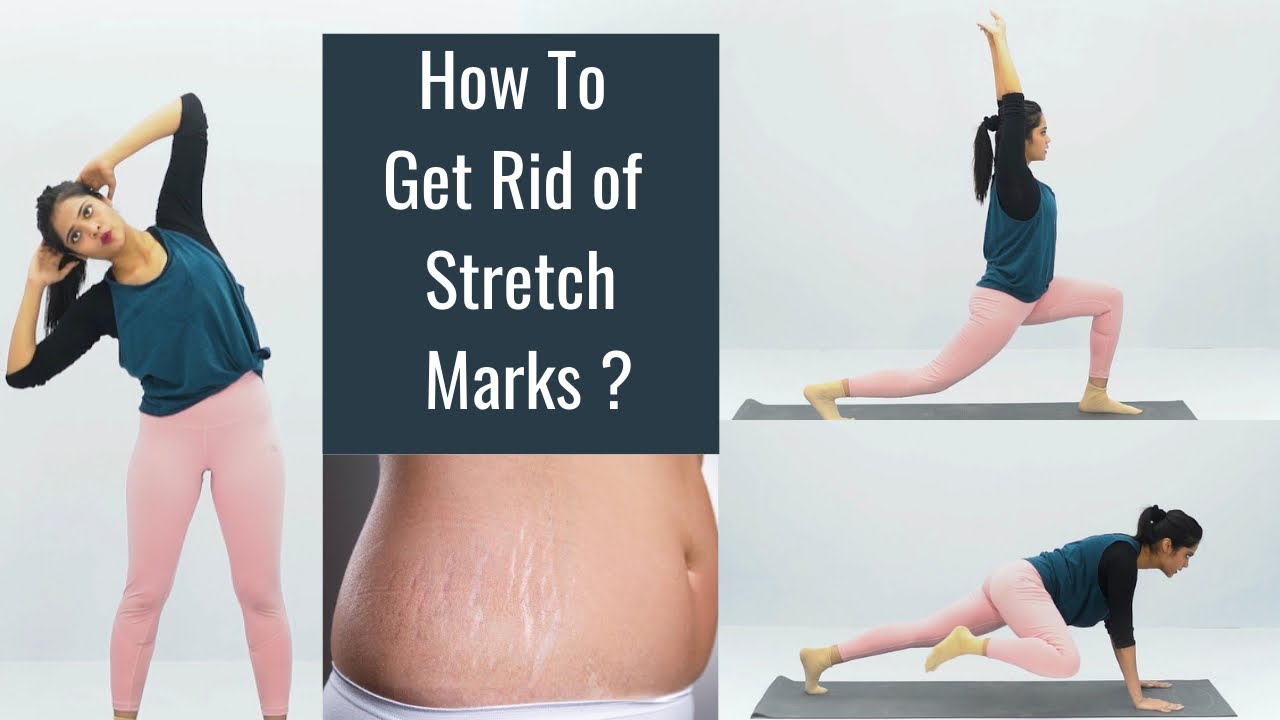
Image Source: i.ytimg.com
What Exactly Are Stretch Marks?
To grasp whether exercise can impact stretch marks, we first need to know what they are. Stretch marks occur when the skin is stretched or shrunk rapidly. This rapid change causes the collagen and elastin, which support our skin, to break. When these fibers break, they create a visible line on the skin. Common causes include:
- Growth spurts: During puberty, rapid growth can lead to stretch marks.
- Pregnancy: Hormonal changes and the stretching of the skin during pregnancy are major contributors.
- Weight gain or loss: Significant fluctuations in body weight can stretch the skin beyond its elastic capabilities.
- Muscle building: Rapid increases in muscle mass, particularly in athletes, can also cause stretching.
- Hormonal changes: Conditions like Cushing’s syndrome or the use of corticosteroids can affect skin structure.
- Genetics: Some people are simply more prone to developing stretch marks due to their genetic makeup.
The initial reddish-purple color is due to blood vessels visible through the thinned skin. As they heal, the pigment-producing cells (melanocytes) may die, leading to the characteristic white or silvery appearance. They are, essentially, a form of scar tissue.
The Role of Skin Elasticity
Our skin’s ability to stretch and return to its original shape is largely due to proteins like collagen and elastin.
- Collagen: This is the most abundant protein in the body, providing strength and structure to the skin.
- Elastin: This protein allows the skin to stretch and snap back.
When the skin is stretched too quickly, these fibers can tear. Skin elasticity is key to preventing this damage. Factors that affect skin elasticity include age, hydration, nutrition, and genetics.
Can Exercise Directly Eliminate Stretch Marks?
The short answer is no, exercise cannot directly erase existing stretch marks. Stretch marks are essentially scar tissue that forms deep within the dermis, the middle layer of the skin. Exercise primarily impacts the outer layers of the skin and the underlying tissues, not the scar tissue itself. Think of it this way: exercise can improve the health and appearance of the skin surrounding a scar, but it can’t undo the scar tissue that has already formed.
However, this doesn’t mean exercise is powerless against stretch marks. It can significantly improve their appearance and help prevent new ones from forming.
How Exercise Can Help Improve Stretch Marks
Exercise offers several indirect benefits that can contribute to better skin health and the reduced visibility of stretch marks:
1. Improved Blood Circulation
Exercise boosts blood flow throughout the body. Increased circulation delivers essential nutrients and oxygen to the skin cells. This can support the skin’s natural healing processes and potentially aid in skin repair for stretch marks, making them less noticeable over time. Better circulation also helps in removing waste products from the skin.
2. Muscle Building and Body Toning
When you engage in muscle building and body toning exercises, you strengthen and develop the muscles beneath the skin. This can lead to a firmer, more sculpted appearance. As the underlying muscle mass increases and becomes firmer, it can create a smoother canvas, potentially making stretch marks appear less prominent. For instance, if you have stretch marks on your thighs or buttocks, building the muscles in those areas can help to tauten the skin and make the marks less obvious.
3. Weight Management and Loss
For individuals whose stretch marks are linked to significant weight loss or gain, maintaining a healthy weight through regular exercise is crucial. Gradual weight loss, coupled with exercise, helps the skin adapt more slowly, reducing the likelihood of new stretch marks forming. It also prevents the skin from becoming too loose after weight loss, which can sometimes make existing marks more apparent. Rapid weight fluctuations put immense stress on the skin’s fibers.
4. Enhanced Collagen Production
Certain types of exercise, particularly strength training, have been shown to stimulate collagen production. Collagen is vital for skin strength and elasticity. By increasing collagen, exercise can help to reinforce the skin’s structure, potentially improving its resilience and making it less prone to tearing. While it won’t rebuild broken fibers, it can strengthen the surrounding skin.
5. Stress Reduction and Hormonal Balance
Chronic stress can negatively impact skin health. Exercise is a powerful stress reliever. By managing stress, exercise can indirectly benefit the skin. Furthermore, exercise can help regulate hormones, which may be beneficial for those whose stretch marks are linked to hormonal changes during puberty, pregnancy, or other conditions.
Exercise Types and Their Impact on Stretch Marks
Different forms of exercise offer varying benefits for skin health and the appearance of stretch marks.
Strength Training and Muscle Building
- Benefits: Directly promotes muscle building, which can improve skin tone and firmness. It can also stimulate collagen production.
- How it helps: By increasing muscle mass, strength training helps to fill out the area where stretch marks appear, making them less visible. Firmer muscles can also lead to tauter skin.
- Examples: Lifting weights, resistance bands, bodyweight exercises like squats and push-ups.
Cardiovascular Exercise (Aerobic Exercise)
- Benefits: Improves overall circulation, aids in weight loss, and reduces stress.
- How it helps: Enhanced blood flow ensures that skin cells receive adequate oxygen and nutrients, supporting skin repair processes. Effective weight management through cardio prevents further stretching of the skin.
- Examples: Running, cycling, swimming, brisk walking, dancing.
Flexibility and Mind-Body Exercises
- Benefits: Can improve posture, reduce muscle tension, and aid in stress management.
- How it helps: While not directly impacting stretch marks, these exercises contribute to overall well-being and can create a more balanced physique, indirectly benefiting skin appearance.
- Examples: Yoga, Pilates, Tai Chi.
The Science Behind Exercise and Skin Health
Scientific research on the direct impact of exercise on stretch marks is ongoing, but existing studies and our understanding of skin physiology provide strong indications of its benefits.
Physiological Adaptations
- Dermal Remodeling: While exercise can’t reverse scarring, it can promote remodeling of the dermal tissue. This means the skin becomes healthier and more organized over time, potentially making existing marks less prominent.
- Increased Fibroblast Activity: Fibroblasts are cells in the skin that produce collagen and elastin. Exercise, particularly strength training, may increase fibroblast activity, leading to more robust skin structure.
Preventing New Stretch Marks
The most significant impact exercise can have is on prevention. By helping to maintain a stable weight and improving skin elasticity, regular physical activity reduces the likelihood of the skin being stretched beyond its capacity.
- Controlled Weight Fluctuations: Gradual changes in weight, facilitated by consistent exercise, allow the skin more time to adapt.
- Stronger Skin Matrix: Increased collagen and elastin production contributes to a stronger dermal matrix that is less prone to tearing.
Complementary Strategies for Stretch Mark Improvement
While exercise is beneficial, it’s often most effective when combined with other strategies aimed at improving stretch mark appearance.
Topical Treatments
Many topical treatments are available, claiming to reduce the appearance of stretch marks. These can include creams, lotions, and serums.
- Moisturizers: Keeping the skin well-hydrated can improve its overall texture and elasticity, potentially making stretch marks less noticeable. Ingredients like hyaluronic acid, shea butter, and cocoa butter are often recommended.
- Retinoids (e.g., Tretinoin): Prescription-strength retinoids can help stimulate collagen production and cell turnover, which may lead to a reduction in the appearance of newer stretch marks. However, they are not recommended during pregnancy or breastfeeding.
- Vitamin C: This antioxidant can aid in collagen synthesis and help protect the skin from damage.
It’s important to note that the effectiveness of topical treatments can vary greatly, and results are often subtle. Consistency is key, and they are generally more effective on newer, reddish-purple stretch marks.
Professional Treatments
For more significant improvement, several professional dermatological treatments are available:
- Laser Therapy: Different types of lasers can be used to target stretch marks. Pulsed dye lasers can help reduce redness, while fractional lasers can promote collagen production and resurface the skin.
- Microneedling: This procedure involves using fine needles to create tiny punctures in the skin, which stimulates the body’s natural healing process and boosts collagen and elastin production.
- Chemical Peels: These can help to exfoliate the top layers of skin, revealing smoother skin underneath and potentially improving the appearance of superficial stretch marks.
- Microdermabrasion: This treatment involves exfoliating the skin with tiny crystals, which can improve skin texture and make stretch marks less visible.
These treatments are often more effective than topical creams but also come with a higher cost and may require multiple sessions.
Nutrition and Hydration
- Balanced Diet: A diet rich in vitamins (especially C, D, and E), minerals (like zinc), and protein supports healthy skin and its ability to repair itself. Omega-3 fatty acids, found in fish and flaxseeds, can also contribute to skin health.
- Hydration: Drinking enough water is crucial for maintaining skin elasticity and suppleness. Dehydrated skin is more prone to damage.
Frequently Asked Questions About Exercise and Stretch Marks
Here are some common questions people have about exercise and stretch marks:
Q1: Will running give me stretch marks?
Generally, running is unlikely to cause stretch marks unless you experience very rapid and significant weight changes. The impact on skin stretching is usually minimal for most people who run consistently. However, if you gain or lose a substantial amount of weight quickly while running, the rapid changes could potentially lead to stretch marks.
Q2: Can yoga help with stretch marks?
Yoga can indirectly help by improving skin elasticity through better circulation and promoting healthy weight management. It also aids in stress reduction, which is beneficial for overall skin health. While it won’t directly remove stretch marks, it contributes to a healthier body that can better support its skin.
Q3: Will building muscle make my stretch marks worse?
If you build muscle gradually and consistently, it’s unlikely to make your stretch marks worse. In fact, as mentioned earlier, muscle building can help to tauten the skin and make existing stretch marks less noticeable by filling them in. Rapid and extreme muscle gain, however, could potentially contribute to new stretch marks if the skin can’t keep up.
Q4: Are stretch marks permanent?
Stretch marks are a form of scarring, and while they may fade significantly over time, they are generally considered permanent. However, their appearance can be improved through various treatments and consistent skin care practices.
Q5: Can a healthy diet prevent stretch marks?
A healthy diet, rich in nutrients that support skin health and collagen production, can contribute to better skin elasticity and may help prevent stretch marks. Staying hydrated and maintaining a stable weight through good nutrition are also key preventive measures.
Q6: Are some people more prone to stretch marks than others?
Yes, genetics play a significant role in determining an individual’s predisposition to stretch marks. If your parents or close relatives have stretch marks, you may be more likely to develop them yourself. Hormonal factors and individual skin structure also contribute to this.
Conclusion: Exercise as a Supporting Role
In summary, while exercise cannot directly eliminate existing stretch marks, it plays a vital supporting role in improving their appearance and preventing new ones. By enhancing circulation, supporting muscle building and body toning, aiding in weight loss management, and potentially boosting collagen production, exercise contributes to healthier, more resilient skin.
Stretch marks are a natural consequence of skin stretching, and while they are a form of scar tissue, consistent exercise, combined with good nutrition, hydration, and potentially topical treatments or professional procedures, can help to diminish their visibility and improve overall skin health. Remember, patience and a holistic approach are key when addressing concerns about stretch marks.