
Can you use HSA money for gym membership? Yes, but it is not a simple “yes.” You can sometimes use money from your Health Savings Account (HSA) to pay for a gym membership. This is only allowed if a doctor says it is needed to treat a specific medical problem you have. The IRS has rules about this. General fitness or wellness is not usually an HSA eligible health expense. You need a doctor’s note or prescription for gym membership HSA use. This note must state the gym is medically necessary for treating a diagnosed condition.
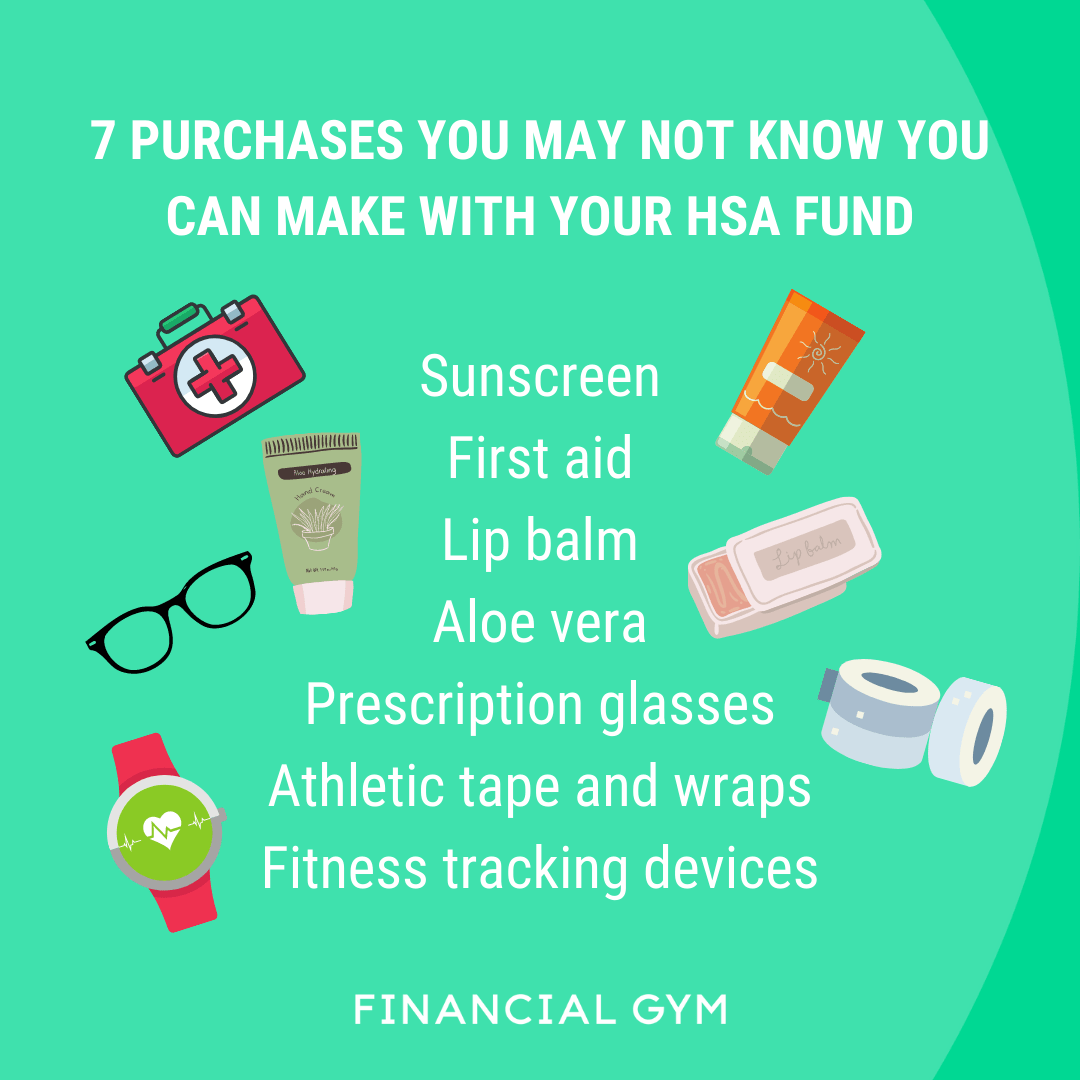
Image Source: images.squarespace-cdn.com
What is an HSA?
First, let’s talk about what an HSA is. An HSA stands for Health Savings Account. It is a special savings account. You can put money into it without paying taxes. You can use this money for qualified medical expenses HSA approves. The money grows tax-free. You can also take it out tax-free if you use it for approved medical costs. You need a high-deductible health plan to open an HSA. HSAs help people save for healthcare costs. They offer tax benefits. They are different from FSAs, though both help with healthcare money.
Grasping the Rules for HSA Money
The government sets rules for using HSA money. These rules say what you can spend your HSA money on. The list of HSA eligible health expenses is long. It includes things like doctor visits, hospital stays, tests, and many medicines. The main rule is the expense must be for medical care. It must treat or prevent a disease. It must also be for a medical condition. General health costs are usually not covered. This is where using HSA funds for fitness programs gets tricky.
Is Gym Membership an HSA Eligible Health Expense?
Most times, a gym membership is not on the list. The IRS views gym fees as for general health. This is true even if exercise is good for you. The rules want HSA money used for specific medical needs. So, just wanting to be fit does not qualify. Just liking to go to the gym does not qualify. You cannot just pay for your gym with HSA money without a reason. This is why using HSA for wellness is limited. It must tie to a medical need.
Deciphering IRS Guidelines on HSA Gym Costs
The IRS rules are strict about gym memberships. Publication 502 from the IRS lists medical expenses. Gym memberships are not on this general list. But there is an exception. The rules allow costs for medical care. This includes things that are not normally medical. A gym can be a medical cost in special cases. The key is medical necessity. The gym must be needed to treat a specific medical condition.
When Can HSA Pay for Gym Membership?
HSA can pay for a gym membership in one main situation. You must have a medical condition. A doctor must say the gym is needed to treat this condition. This means you need a doctor’s note. This note is like a prescription. It must connect your need for the gym to your health problem. This is the only way to use HSA funds for fitness programs like a gym legally. Without this link, it’s not allowed.
The Importance of a Doctor’s Prescription for Gym Membership HSA
Getting a doctor’s letter is key. This is your proof. The letter must come from a qualified healthcare provider. This is usually your doctor. The letter needs to state a specific medical condition you have. It also needs to say how the gym membership helps treat this condition. It must say the gym is medically necessary for you. This letter makes the gym fee a qualifying medical expense HSA can cover. Keep this letter safe. You will need it if the IRS asks for proof.
What the Doctor’s Letter Needs
The letter from your doctor should be clear. It should include:
* Your name.
* The date the letter was written.
* The specific medical condition you have. Examples might include obesity, heart disease, or chronic back pain.
* A clear statement that the gym membership is needed. It must say it is medically necessary for treating that specific condition.
* How the gym helps with the condition. For example, exercise helps manage blood sugar for diabetes. Or it helps lower blood pressure for heart disease. Or it helps strengthen muscles for back pain.
* The doctor’s signature and license number.
* The date the gym program or membership should start and end. Or how long it is needed.
This letter acts as your doctor’s recommendation. It turns a general cost into a medical one. This is the proof needed for using HSA funds for fitness programs legally.
Specific Conditions That Might Qualify
Certain health problems are more likely to qualify for a doctor’s letter. These are conditions where exercise is a main part of treatment.
* Obesity: A doctor might prescribe exercise to help with weight loss. Severe obesity is a medical condition.
* Heart Disease: Exercise helps heart health. A doctor might say a gym is needed for rehab or managing the condition.
* Diabetes: Exercise helps control blood sugar. It is a key part of diabetes management.
* Chronic Pain: Exercise can help manage pain. This is true for back pain or arthritis.
* Mental Health Conditions: Sometimes exercise is part of treating depression or anxiety. A doctor must link it to the specific condition.
* Rehab After Injury or Surgery: A gym might be part of a formal rehab plan. Though often, physical therapy is covered more directly. If the gym is part of a doctor-ordered plan, it might qualify.
For any condition, the doctor must state the medical necessity. General advice to exercise is not enough. It must be a specific treatment for a specific problem.
How to Get the Doctor’s Letter
Here are steps to get the letter:
1. Talk to Your Doctor: Make an appointment. Explain you have a medical condition. Ask if exercise at a gym is a necessary part of your treatment plan.
2. Explain HSA Rules: Tell your doctor you want to use HSA money for the gym. Explain you need a letter for IRS rules. Mention it needs to state medical necessity for your condition.
3. Provide Information: Give your doctor details about the gym or fitness program. This helps them be specific if needed.
4. Get the Letter: Ask for a written letter. Check that it includes all needed details listed above.
5. Keep it Safe: Store the letter with your medical records. You will need it for your HSA records.
Getting this letter is a must. Without it, your gym cost is not a qualifying medical expense HSA will allow.
Keeping Records for IRS Guidelines on HSA Gym Use
If you use HSA money for a gym membership, keep good records. The IRS can ask for proof later. Your HSA administrator might also ask.
* Keep the Doctor’s Letter: This is the most important document. Make copies.
* Keep Gym Receipts: Save all receipts for your membership payments. These show the cost and dates.
* Keep HSA Statements: Your HSA statements show when you took money out. Match the withdrawals to your gym payments and receipts.
Organize these documents. Store them for several years. The IRS usually has a time limit for audits. But it’s best to keep records longer. This proves you followed IRS guidelines on HSA gym eligibility. It shows you used HSA funds for fitness programs correctly based on medical need.
Is Gym Membership HSA Approved Without a Doctor’s Note?
No. In most cases, a gym membership is NOT HSA approved if you do not have a doctor’s letter. The IRS rules are clear. General health costs are not covered. The gym must be part of treating a specific medical condition. The doctor’s letter is the proof of this medical need. Do not use HSA money for a gym just because you want to go. This could lead to problems later. If the IRS audits you, you might have to pay taxes on the money. You might also pay a penalty.
Distinguishing HSA and FSA Eligibility for Gym
HSAs and FSAs (Flexible Spending Accounts) are similar. Both help with healthcare costs. Both have rules about what is covered. FSA eligibility for gym memberships follows similar rules to HSA. For both, you usually need a doctor’s letter stating medical necessity. Neither account typically covers general fitness expenses. The same requirement for a doctor’s prescription applies to using FSA funds for a gym. Check your specific FSA plan rules, but the core idea of needing medical necessity is consistent with IRS rules for both account types.
Qualifying Medical Expenses HSA Might Cover Beyond the Basics
The list of HSA eligible health expenses is wider than many think. While a gym needs a doctor’s note, other things are covered directly.
* Acupuncture
* Chiropractors
* Dental treatment (not cosmetic)
* Eye exams, glasses, contacts, and sometimes laser eye surgery
* Medical equipment like crutches or wheelchairs
* Mental health care like therapy or counseling
* Prescription medicines
* Certain over-the-counter medicines (with a doctor’s note sometimes required after 2019, but this rule has changed back and forth – check current rules!)
* Physical therapy
* Stop-smoking programs (sometimes)
* Weight loss programs if for a specific disease (like obesity, heart disease, etc.). This is similar to the gym rule.
This shows the pattern. If it is for a diagnosed medical issue, it might be covered. If it’s just for general health or looking better, it usually is not.
Using HSA for Wellness: Where the Lines Are
Using HSA for wellness is a grey area. General wellness things are often not covered. Examples include:
* Health club fees (gyms, unless for medical need)
* Spa treatments
* Non-medical massages (unless prescribed)
* Nutritional supplements (unless prescribed for a condition)
However, some things related to wellness might be covered if tied to a medical issue. A weight loss program can be covered if a doctor says you need it to treat obesity or heart problems. A stop-smoking program can be covered. It’s about the purpose and the proof. If the wellness activity is a required part of treating a specific medical condition, it might be a qualifying medical expense HSA allows with the right paperwork.
Why the Rules Exist
The rules exist because HSAs offer tax benefits. They are meant to help with necessary medical costs. If people could use HSA money for anything, it would reduce tax money for the government. It would also not focus money on healthcare needs. The rules make sure HSA money is used for its intended purpose: helping people pay for medical care tied to health problems. This is why using HSA for wellness generally is not allowed unless it meets the high bar of medical necessity proved by a doctor.
Detailed Scenarios and Examples
Let’s look at a few examples.
Example 1: Sarah with Diabetes
Sarah has type 2 diabetes. Her doctor tells her exercise is very important. It helps control her blood sugar. Her doctor writes a letter. It states Sarah has diabetes. It says regular exercise at a gym is medically necessary to manage her diabetes. Sarah joins a local gym. She pays the membership fees. She keeps the doctor’s letter and her gym receipts. She can use her HSA money to pay for the gym membership. This is a proper use based on a qualifying medical expense HSA approves.
Example 2: John Wanting to Get Fit
John is healthy. He wants to lose some weight and get stronger. He thinks joining a gym is a good idea. His doctor agrees exercise is good. But John has no specific health problem that requires the gym for treatment. John gets a gym membership. He cannot use his HSA money. This is for general fitness. It is not a qualifying medical expense HSA covers. He does not have a doctor’s letter stating medical necessity for a specific condition. His gym fee is not HSA approved.
Example 3: Maria with Chronic Back Pain
Maria has chronic back pain. Physical therapy helped. But her doctor now recommends ongoing exercise. This is to strengthen her core muscles. The doctor believes this is necessary to manage her pain. Her doctor writes a letter. It says Maria has chronic back pain. It states that a gym membership for specific exercises is medically necessary to treat her pain. Maria joins a gym and follows a specific exercise plan. She can use her HSA money for the gym fees. This is allowed because it’s treating a medical condition with a doctor’s note. It counts as a qualifying medical expense HSA covers.
Example 4: David Joining for Social Reasons
David joins a gym because his friends go there. He enjoys the classes and meeting people. He is healthy. He uses the gym for recreation and social activity. Even if exercise is good for his health, it’s not for a specific medical need. He cannot use his HSA money for this gym membership. It is not HSA approved. It is not a qualifying medical expense HSA covers.
These examples show the rule. The gym cost must be tied to treating a diagnosed condition. A doctor must say it is necessary.
How Long Can I Use HSA for Gym with a Doctor’s Note?
The doctor’s letter should mention a time period. It might say “for the next 12 months” or “until the condition improves.” It should not be open-ended. If the condition is chronic, the doctor might state it’s needed for the foreseeable future. But often, letters are for one year. You might need a new letter each year if your condition continues and the doctor still finds the gym medically necessary. Keep track of the dates on the letter. Do not use HSA funds for fitness programs after the letter expires without a new one.
What About Other Fitness Costs?
What about costs besides a gym membership?
* Personal Trainer: Usually not covered unless the doctor prescribes it as part of treatment for a condition, and the trainer’s service is directly linked to that treatment.
* Exercise Equipment: Can be covered if prescribed by a doctor to treat a specific medical condition. The equipment must be used primarily for the medical care. A treadmill for general fitness is not covered. A treadmill prescribed for cardiac rehab might be.
* Fitness Classes: Follow the same rules as a gym. If a doctor prescribes a specific class (like water aerobics for arthritis) as medically necessary for a condition, it might be covered with a letter. General yoga or spin classes are usually not.
* Sports Leagues/Hobbies: Never covered. These are recreational.
The theme is always the same: medical necessity tied to a specific condition, with proof from a doctor.
Checking With Your HSA Administrator
Before using HSA money for a gym, it is wise to check. Contact your HSA administrator or custodian. Ask them about their process for medical necessity expenses. They might have specific forms they need. They can tell you if they require you to submit the doctor’s letter upfront. Or if you just need to keep it for your records. Following their rules is important. While IRS rules are the law, your administrator handles your account. They might have rules about how they process these claims. This ensures your health savings account gym payments go smoothly.
Summarizing the Path to Using HSA for Gym
Using your health savings account gym expense requires careful steps.
1. Have a specific medical condition.
2. Talk to your doctor.
3. Get a doctor’s letter stating the gym is medically necessary to treat that condition.
4. Make sure the letter has all needed details (condition, necessity, dates).
5. Keep the doctor’s letter and all gym receipts.
6. Use your HSA funds for fitness programs based on this documentation.
7. Be ready to show your records if asked by the IRS or your HSA administrator.
This is the legal way to make gym membership an HSA eligible health expense.
Potential Issues and What to Watch For
- Audits: The IRS can audit you. They can ask for proof for any HSA withdrawal. If you used money for a gym without proper documentation, you could owe taxes and penalties.
- HSA Administrator Denial: Your administrator might question a gym expense. If you don’t have the required letter, they might deny the claim or ask for money back.
- Doctor Reluctance: Not all doctors will write a letter for a gym membership. They must truly believe it is medically necessary as a treatment. They cannot just write one because you want to go to the gym.
Make sure you meet all conditions. Do not guess or assume. Always get the doctor’s letter first. Confirm it meets the requirements.
Comparing HSA and FSA Again Briefly
While the core rule (medical necessity + doctor’s note) is similar for FSA eligibility for gym, there’s a difference in the accounts themselves.
* HSA: Money rolls over year to year. It is yours forever.
* FSA: Money often has a “use it or lose it” rule each year.
This means if you use FSA for a gym, you must spend the money within the plan year. HSA money used for a gym comes from funds that do not expire. But the eligibility rule for the gym cost itself remains similar for both types of accounts based on IRS rules.
Conclusion: Is Gym Membership HSA Approved for You?
So, is gym membership HSA approved? Yes, potentially. But only if it is a qualifying medical expense HSA allows. This requires a specific medical condition. It needs a doctor’s clear statement that the gym membership is medically necessary to treat that condition. Without that doctor’s prescription for gym membership HSA use, it is not an HSA eligible health expense. It is general wellness. General wellness is not covered. Using HSA funds for fitness programs needs that medical link. Always get the doctor’s letter first. Keep all your records safe. This follows IRS guidelines on HSA gym eligibility. It ensures you use your health savings account gym funds properly and legally.
Frequently Asked Questions (FAQ)
Q: Can I just use my HSA card at the gym?
A: You might be able to swipe your HSA card. But this does not mean it is an approved expense. The system might not check if you have a doctor’s note. You are responsible for following the rules. If you use the card without a doctor’s letter for a medical need, it is a wrong use of funds. You must have the letter to back up the expense if asked.
Q: Does the gym need to be a special medical gym?
A: No, the rules do not say it must be a medical gym. Any gym can qualify. The key is that the doctor says exercise at a gym is medically necessary for your condition. It does not have to be a specific type of facility.
Q: Can I pay for gym clothes or shoes with HSA?
A: No. Clothes and shoes are personal items. They are not medical expenses. You cannot use HSA funds for these.
Q: What if I use my HSA money for a gym without a doctor’s note?
A: This is not allowed. If the IRS audits you, they can ask for proof. If you cannot show the doctor’s letter, they can count the money you used as income. You will have to pay taxes on that amount. You might also have to pay a 20% penalty. It is better to follow the rules from the start.
Q: Can I use HSA for a home gym?
A: Maybe, but it is harder. If a doctor prescribes specific exercise equipment for a condition, you might be able to use HSA for the cost of that equipment. Buying general exercise machines for a home gym is usually not covered. It must be like buying a medical device needed for treatment. You still need the doctor’s note stating medical necessity for the specific equipment.
Q: Does the doctor’s letter cover the cost of a personal trainer at the gym?
A: Not usually. A personal trainer is an extra service. The doctor’s letter makes the membership fee for access to the facility eligible. If the doctor specifically prescribes sessions with a trainer as part of the medical treatment plan for the condition, and the trainer provides services specifically for that condition, then maybe. But this is less common and needs very specific documentation from the doctor explaining the medical necessity of the trainer sessions themselves. Focus on getting the membership covered first.
Q: Can my dependent use HSA for a gym if they have a medical condition?
A: Yes. If your dependent (like a child) has a qualifying medical condition and a doctor prescribes a gym membership as medically necessary for their treatment, you can use your HSA funds for it. The same rules apply. You need a doctor’s letter for the dependent’s condition and necessity for the gym.
Q: How long do I need to keep records?
A: It is generally recommended to keep HSA records for at least three years after you file the tax return where you claim HSA benefits. Some people keep them longer, like seven years, to be extra safe. Keep the doctor’s letter and all related receipts.