
Can you exercise after Dysport? How long after Dysport can you exercise? When can I resume physical activity after Dysport? It is best to wait. Most experts tell you to wait at least 24 to 48 hours after getting Dysport. This is very important. Waiting helps the medicine work right. It also helps stop problems.
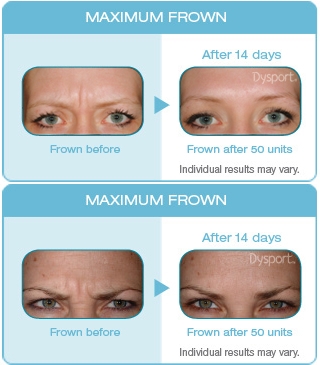
Image Source: aesthetics-by-eileen.com
Grasping What Dysport Does
Dysport is a medicine. It is put into muscles. It helps muscles relax. People get it to smooth out wrinkles. It works on certain muscles in the face. It stops them from moving too much. This makes lines look softer.
The medicine is a liquid. A tiny needle puts it into the muscle. It needs time to settle. It needs time to start working. This usually takes a few days. The full effect shows up later.
When you get Dysport, the doctor picks the right spot. They put the medicine there. The goal is to keep the medicine in that exact spot. You do not want it to move.
Why Waiting After Treatment Matters
Waiting after your Dysport shot is key. The medicine is in a small area. It needs to stay there. If it moves, it might go to muscles you did not want treated. This can cause problems.
Think of it like wet paint. You paint a wall. You need to wait for it to dry. If you touch it too soon, it smudges. The paint goes where you do not want it. It makes a mess.
Dysport is like that wet paint. It needs time to settle into the muscle. It needs time to connect with the muscle fibers. This connection stops the muscle from squeezing hard.
During the first hours, the medicine is most likely to move. This is because it is still liquid. It has not fully bonded with the muscle yet.
Activities that move your body a lot can push the medicine. Activities that make your blood pump fast can push the medicine. Activities that make you hot can push the medicine.
This is why doctors give you rules. These rules help the medicine work well. They help keep you safe.
The First Few Hours Are Key
The time right after your Dysport shot is most important. The first 4 to 6 hours are very important. Some doctors say the first 12 hours. The longer you are gentle, the better.
In these first hours, the Dysport is settling. It is finding its place. It is starting to attach to the muscle nerve endings. This process takes time.
During this time, it is easy for the medicine to spread. Any force on the area can make it spread. Increased blood flow can make it spread. Pressure can make it spread.
This is why you get specific Dysport aftercare instructions exercise. These rules tell you what not to do. They help you protect your results. They help stop bad things from happening.
Post Dysport Exercise Restrictions
Yes, there are rules about what you can do. These are called post Dysport exercise restrictions. They are put in place for good reasons. Following them helps make sure your treatment works well. It helps lower the chance of problems.
The main rule is to avoid hard exercise. Avoid any activity that makes your heart beat fast. Avoid activity that makes you hot. Avoid activity that makes you sweat a lot. Avoid activity that makes you move your head down.
Here is a simple list of things to avoid:
- Running
- Jogging
- Heavy lifting
- Spin classes
- Aerobics
- Yoga inversions (like headstands)
- Anything that makes you sweaty
- Anything that puts your head below your heart
These activities increase blood flow. They make your muscles pump harder. This can push the Dysport medicine out of the place it needs to be.
They also cause sweating. Sweating is okay later. But right after, getting hot is not good.
Avoid touching or rubbing the area treated. Do not massage the area. This can also make the medicine move. Exercise often involves touching your face to wipe sweat. Avoid this.
Why 24 to 48 Hours Is the Standard Wait
Most doctors say wait 24 to 48 hours. This timeframe gives the Dysport time. It allows the medicine to attach firmly. It lets it settle into the muscle.
After 24 hours, the risk of the medicine spreading drops a lot. After 48 hours, it is even lower. This is why many people feel safe to go back to their normal workout routine then.
Think of it like healing. When you cut your skin, it starts to heal. The first day, it is fragile. You must protect it. After a day or two, a scab forms. It is stronger then. You can do more.
Dysport needs this quiet time. It needs time to bond. The 24 to 48 hour window is seen as enough time for this crucial step.
Your body is amazing. It takes the Dysport in. It starts the process to block the muscle signal. This process happens at a tiny level. It takes time. Rushing it is not wise.
Always listen to your doctor’s specific advice. Some doctors might say 24 hours is fine. Others might be more careful and say 48 hours. Your body and the area treated can affect the advice.
Risks of Exercising Too Soon After Dysport
There are clear risks if you do not wait. Risks of exercising too soon after Dysport can affect how well your treatment works. They can also cause unwanted problems.
One risk is the medicine spreading. If Dysport moves to another muscle, it can weaken that muscle. If it moves near the eye, it could cause a droopy eyelid. This is called ptosis. It is not common, but it can happen. It usually goes away, but it takes weeks or months. No one wants this side effect.
Another risk is that the Dysport might not work as well. If it spreads out too much, there might not be enough medicine left in the right muscle. This means your wrinkles might not smooth out as much as you hoped. You spent time and money on the treatment. You want it to work perfectly.
Bruising can also get worse. The injection site is sensitive. Exercise increases blood flow. More blood flowing to the area can make a bruise bigger or darker. It can make it last longer.
Swelling might also increase. Any small swelling from the shot can get worse with activity. Heat and increased blood flow make swelling worse.
Pain or discomfort at the injection site might also feel worse. Moving the facial muscles a lot during exercise can irritate the area.
So, the risks of exercising too soon after Dysport include:
- Medicine spreading to wrong muscles
- Droopy eyelid (ptosis) or other unwanted muscle weakness
- Treatment not working well or at all
- More bruising
- More swelling
- More pain
These risks are why the waiting rule is so strict. It is not just a suggestion. It is an important step in Dysport aftercare instructions exercise.
Detailed Dysport Aftercare Instructions Exercise
Your doctor will give you full instructions. Pay close attention to the Dysport aftercare instructions exercise. They are a key part of getting good results.
Here are the main points about exercise after Dysport:
- Wait at least 24 hours: This is the minimum wait time most doctors suggest.
- Preferably wait 48 hours: Many doctors recommend this longer wait for safety. It gives more time for the medicine to settle.
- Avoid hard exercise: Do not do workouts that make your heart pound. Do not do things that make you breathe hard.
- Avoid head-down positions: Do not do yoga poses like downward dog or handstands. Do not do activities where your head is below your chest for long times. This increases blood flow to the face.
- Avoid activities that cause heavy sweating: Getting very hot and sweaty is not good right after the shot. We will talk more about sweating after Dysport later.
- Avoid headwear that presses on the treated area: Things like tight swimming caps or goggles might put pressure on the area. Avoid these for a day or two.
- Do not massage the treated area: Do not rub, press, or massage where you got the shots. This can push the medicine around.
- Stay upright: For the first few hours (at least 4-6), try to stay upright. Do not lie down flat. This helps the medicine settle downwards, not sideways.
Following these rules helps protect your results. It helps stop the medicine from moving. It helps your body heal correctly.
Safe Exercise After Dysport
What is safe exercise after Dysport? Not much at first. The best thing to do is rest. Your body does not need extra stress right after the shot.
For the first 24 to 48 hours, think very light movement.
- Walking: A gentle walk is usually okay. Do not walk so fast that you get out of breath. Do not walk uphill if it makes your heart beat fast. Just a slow, relaxed walk is fine.
- Light chores: Doing things around the house is okay. Moving from room to room. Washing dishes. These are not hard activities.
- Stretching (gentle): Light, standing stretches might be okay if your doctor says so. Avoid bending over. Avoid anything that feels strenuous. Avoid stretching the facial muscles themselves (like making extreme faces).
The goal is to keep your heart rate low. The goal is to avoid getting hot. The goal is to avoid bouncing or jarring movements. The goal is to avoid putting pressure on your face.
Listen to your body. If something feels like too much, stop. When in doubt, do nothing. It is better to miss one or two workouts than to mess up your Dysport results.
After the first 24 or 48 hours, you can slowly go back to your normal routine. Start with a lighter version of your workout. See how you feel. If everything seems fine, you can build back up.
Working Out After Dysport Injection: The Timing
Let us talk more about Working out after Dysport injection and the clock.
The critical time is right after the shot. The medicine is fresh. It has not bound to the muscle yet.
- 0-6 hours: Do almost nothing. Rest. Stay upright. No bending over. No exercise.
- 6-24 hours: Still be very careful. Gentle walking is likely okay. No workouts. Avoid heat. Avoid sweating.
- 24-48 hours: Most doctors allow light-to-moderate exercise after 24 hours. This means maybe a brisk walk. Maybe light weights (not bending over). If you want to be safest, wait the full 48 hours for harder workouts.
- After 48 hours: Most people can return to their normal working out after Dysport injection. The risk of spreading is very low by now. The medicine has settled in.
Your doctor’s office will give you a paper. It will have specific times. Follow their paper. They know your specific case.
It is tempting to want to get back to your routine fast. Exercise is important for health. But a day or two off will not hurt your fitness much. Messing up your Dysport results will be much more frustrating.
When Can I Resume Physical Activity After Dysport? More Details
Let’s be very clear about when can I resume physical activity after Dysport.
For light activity like walking or light chores: You can usually do these a few hours after the shot. Just do not get your heart rate up high.
For moderate activity: Like a brisk walk, elliptical trainer, or light strength training. Wait at least 24 hours. Some doctors say 48 hours is safer.
For intense activity: Running, high-impact classes, heavy lifting, cycling hard, swimming, yoga inversions. Wait the full 48 hours. This gives the Dysport the best chance to work right.
Consider the type of exercise:
- Cardio (running, cycling): High impact, high heart rate, sweating. Wait 48 hours.
- Strength Training: Can involve bending over, lifting heavy, increased blood flow. Avoid heavy weights and head-down positions for 48 hours. Light standing weights or machines might be okay after 24 hours if no bending is involved.
- Yoga/Pilates: Gentle classes might be okay after 24 hours if they do not involve inversions or head-down poses. Avoid hot yoga for 48 hours.
- Swimming: Can involve getting wet (putting face in water) and sometimes vigorous movement. Avoid for 24-48 hours, especially if using goggles or cap that press on treated areas.
Always think: Will this activity make my face flush? Will it make me sweat a lot? Will my head be below my heart? Will it cause jarring movement? If yes to any, wait 48 hours.
It is better to be safe. One or two days off is a small price for great results.
Side Effects of Exercise After Dysport
What might happen if you do exercise too soon? We talked about the big risks like spreading. But there can be other side effects of exercise after Dysport.
Increased bruising is very common. The injection needle is small. But it can still nick a tiny blood vessel. This causes a bruise. Exercise makes blood flow faster. This can make a small bruise much bigger. It can make it last longer.
Increased swelling is another side effect. The shot itself can cause a little puffiness. Exercise brings more fluid to your tissues. This can make the swelling around the injection site worse.
Redness might get worse. The skin might look more red and irritated. This is due to increased blood flow and heat from exercise.
You might feel more discomfort. The injection site can be a little sore. Bouncing or jarring from exercise can make this soreness worse.
Headaches are possible. Sometimes people get a mild headache after Dysport. Hard exercise can sometimes make headaches worse.
These side effects of exercise after Dysport are usually not dangerous. But they are unpleasant. They can make the recovery time longer. They can make you look and feel worse before the treatment starts to show good results.
By waiting, you help avoid these extra problems. You give your body time to calm down after the procedure.
Elevated Heart Rate After Dysport
Why is an elevated heart rate after Dysport a problem? When your heart beats faster, it pumps blood faster and with more force. This increased blood flow goes all over your body, including your face.
The Dysport medicine is in a small area in the muscle. It is trying to settle in. It is like trying to place a small stone in wet sand. If you shake the sand, the stone might move.
Increased blood flow is like shaking the sand. The faster flow can push the Dysport molecules. It can help them travel away from the target muscle.
This is why activities that cause an elevated heart rate after Dysport are restricted. This means most forms of cardio and strenuous exercise. Even heavy lifting can increase heart rate a lot.
Keeping your heart rate low for the first 24-48 hours is important. It creates a calm environment for the Dysport to do its job in the right spot.
Think of a relaxed pace. Your heart is beating normally. Blood is flowing normally. This is ideal for the Dysport to integrate with the muscle fibers without being disturbed.
Once the Dysport has settled, increased blood flow is not a problem. It is only in the critical first hours that this matters.
Sweating After Dysport
Is sweating after Dysport bad? Yes, excessive sweating, especially on your face, is something to avoid right after treatment.
Sweating is often linked with heat. When you work out hard, you get hot. Your body sweats to cool down. Getting very hot is not ideal right after Dysport. Increased heat can increase blood flow near the skin surface.
Also, when you sweat during exercise, you often touch your face. You wipe the sweat away. This can mean rubbing or putting pressure on the areas where you got the shots. We know rubbing the area can make the medicine spread.
So, while sweating after Dysport itself might not directly push the medicine, the activity that causes sweating (hard workout, heat) and the actions you take when sweating (wiping face) are the problems.
Avoid saunas and hot tubs for 24-48 hours for similar reasons. They make you hot and sweaty.
Light sweating from a gentle walk on a cool day is unlikely to be a problem. But dripping sweat from an intense spin class or hot yoga session should be avoided completely for the recommended time.
Table of Restrictions
Here is a simple table summarizing the restrictions on working out after Dysport injection:
| Activity Level | Examples | Recommended Wait Time (Minimum) | Recommended Wait Time (Safer) | Why Wait? |
|---|---|---|---|---|
| Rest | Sitting, lying down, watching TV | 0 hours | 0 hours | Allows medicine to settle. |
| Very Light Activity | Gentle walking, light chores | A few hours (stay upright) | A few hours | Minimal impact, low heart rate. |
| Moderate Activity | Brisk walking, light elliptical, light weights | 24 hours | 48 hours | Increased heart rate, potential bending. |
| Intense Activity | Running, heavy lifting, spin, hot yoga | 48 hours | 48 hours | High heart rate, sweating, head-down poses. |
| Heat Exposure | Sauna, hot tub, intense sun | 24 hours | 48 hours | Increases blood flow, sweating. |
| Pressure/Rubbing | Massaging face, tight headgear, wiping sweat | 24 hours | 48 hours | Can move the medicine. |
This table provides a quick guide. Always follow your provider’s exact instructions, as they may vary based on your treatment area and history.
Listening to Your Body and Provider
Your doctor is the best source of information. They performed the treatment. They know your medical history. They know exactly where they put the Dysport.
Always follow their specific Dysport aftercare instructions exercise. If they say wait 48 hours, wait 48 hours. Do not try to push it.
If you feel any strange effects after the shot, contact them. This includes unexpected muscle weakness, vision changes, or trouble swallowing or breathing (though these are very rare).
Your body will also give you signals. If you try a light activity after 24 hours and feel unusual discomfort or see increased swelling, stop. Rest more.
Do not compare yourself to others. Someone else might say they worked out the next morning with no problem. Every person’s body is different. How you react to the treatment and exercise can be different.
Your safety and the success of your treatment are the most important things.
Deciphering the Difference: Dysport vs. Botox and Exercise
Dysport and Botox are similar. They are both types of botulinum toxin. They work in a similar way to relax muscles.
The exercise restrictions for Botox are also very similar to Dysport. Most doctors recommend waiting 24-48 hours after Botox before intense exercise.
The reasons are the same: to allow the medicine to settle, prevent spreading, and reduce the risk of bruising and swelling.
So, whether you get Dysport or Botox, the general rule about working out after Dysport injection (or Botox injection) is the same: wait at least 24 hours, preferably 48 hours, before getting back to hard exercise.
The specific structure of the molecules is slightly different between Dysport and Botox. Some studies suggest Dysport might spread a tiny bit more easily naturally, which could make waiting slightly more important. However, the standard advice remains consistent for both.
Always confirm the aftercare instructions with your provider, no matter which product you received.
Final Thoughts on Your Exercise Plans
Getting Dysport is an investment. It is an investment in how you look and feel. To get the best return on that investment, you need to follow the rules.
Taking one or two days off from your workout routine will not ruin your fitness. Your muscles will not disappear. Your progress will not vanish.
What can happen is that you mess up your results. You might end up with uneven muscles. You might get a droopy eyelid. You might need touch-ups sooner than expected. You might just not get the full effect you wanted.
Be patient. Your Dysport needs quiet time. It needs low blood flow. It needs no pressure. It needs to settle.
Plan your Dysport appointment carefully. Maybe get it done before a rest day. Or plan to take your rest days right after the shot.
You can resume your physical activity when the risk is low. This is generally after 48 hours. When can I resume physical activity after Dysport fully? Usually on day 3 after your appointment.
Follow the Dysport aftercare instructions exercise exactly. These rules are there to help you. They protect you and your results.
By being patient and following the simple rules, you help ensure your Dysport treatment is a success. You get the smooth, relaxed look you wanted. You avoid unnecessary problems and side effects.
Remember the key points:
* Wait at least 24 hours.
* Preferably wait 48 hours.
* Avoid hard exercise, heat, heavy sweating, and head-down positions.
* Listen to your doctor.
* Listen to your body.
Your workout can wait. Your Dysport needs time to work its magic undisturbed.
Frequently Asked Questions
h4 Your Questions Answered
h5 Can I walk on the treadmill after Dysport?
Yes, a gentle walk on the treadmill is likely okay after a few hours. Do not walk so fast that your heart beats very fast. Avoid steep inclines at first. Wait 24-48 hours for faster running or power walking.
h5 Can I do yoga after Dysport?
Avoid yoga for at least 24 hours. For the first 48 hours, avoid hot yoga and any poses where your head is below your heart (inversions like downward dog, handstand, shoulder stand). Gentle, upright yoga might be okay after 24 hours if your doctor approves.
h5 Can I lift weights after Dysport?
Avoid heavy weight lifting for 48 hours. Lifting heavy can raise your heart rate and blood pressure significantly. It can also involve bending over or straining muscles. Light weights, if done upright and without straining or bending over, might be okay after 24 hours, but check with your doctor.
h5 What happens if I accidentally exercise too soon after Dysport?
If you accidentally do light exercise, it might be okay. If you do hard exercise too soon, you increase the risks of exercising too soon after Dysport. These risks include the medicine spreading, uneven results, more bruising, and more swelling. If you are worried, contact your doctor.
h5 Can I sweat at all after Dysport?
A little bit of light sweating after Dysport from gentle activity is unlikely to cause problems. However, heavy sweating, especially linked to intense heat and strenuous exercise, should be avoided for 24-48 hours. This is because of the heat, increased blood flow, and the need to avoid touching your face.
h5 Can I take a hot shower after Dysport?
A warm shower is usually fine. Avoid very hot showers or baths where you get very hot or submerged for long periods for the first 24 hours. Avoid saunas and hot tubs for 24-48 hours.
h5 Is it okay to bend over after Dysport?
Try to avoid bending over for the first 4-6 hours after your shot. This helps keep the medicine from flowing away from the target site. After the first few hours, normal bending (like picking something up) is usually fine, but avoid activities that involve prolonged head-down positions like some exercises.
h5 Does exercise make Dysport wear off faster?
There is some debate about this. Some believe that very intense, frequent exercise might potentially cause neurotoxins like Dysport to break down slightly faster over the long term in some people, due to increased metabolism and blood flow. However, this is not a strong, proven effect for most people. The main concern with exercise is right after the injection, focusing on spreading and initial effectiveness, not how long it lasts months down the road.
h5 How long after Dysport can I get a facial or massage?
Avoid getting a facial or massage, especially on the treated areas, for at least 24-48 hours after Dysport. Pressure and rubbing on the area can cause the medicine to spread.
h5 My doctor said I only need to wait 4 hours. Is that okay?
Different doctors may give slightly different advice based on their experience and the specific area treated. While 4-6 hours might reduce the highest risk of spreading, most aesthetic professionals recommend 24-48 hours to be safest, especially before resuming moderate to intense exercise. If your doctor gave you specific instructions, follow them, but understanding the reasons behind longer wait times (reduced risk of spread, less bruising/swelling) is helpful. If you are unsure, waiting longer is the safest option.