
Many people wonder, “When can I exercise after root canal?” It’s a common question. You want to get back to your normal life quickly after dental work. For most people, you need to wait at least 24 to 48 hours before doing any hard exercise. This time lets your mouth start healing. Light exercise after dental work, like a slow walk, might be okay sooner if you feel up to it. Planning your root canal recovery exercise is key to a smooth healing process. This post will cover when you can start physical activity post root canal and what to watch for.
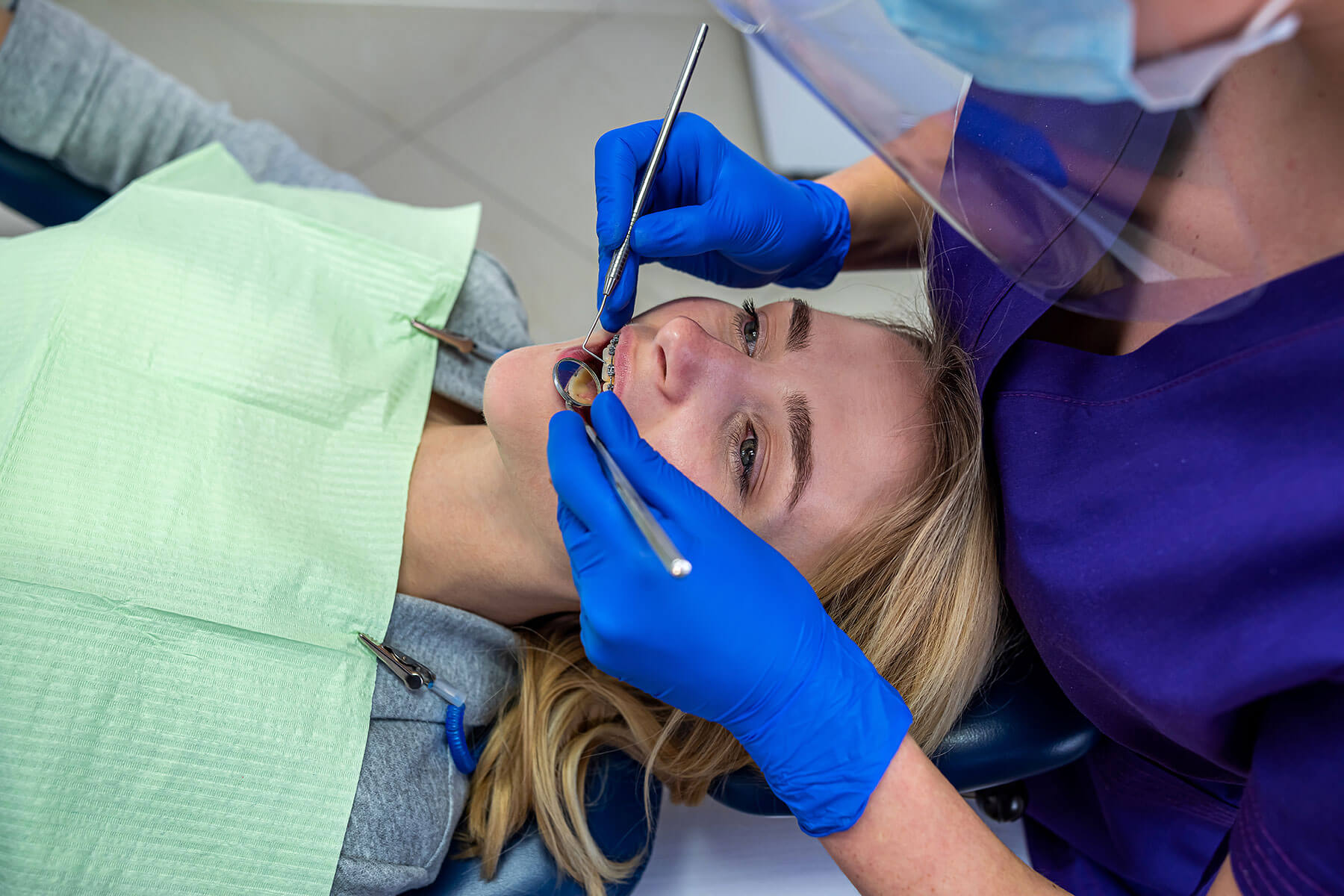
Image Source: www.supremedentistryhouston.com
Why Your Mouth Needs Time to Rest
Think of a root canal as a kind of surgery for your tooth. Even though it’s done inside your mouth, your body still needs to heal.
What Happens Inside Your Tooth
- A root canal removes the sick or dead part inside your tooth.
- This inside part is called the pulp. It has nerves and blood vessels.
- When the pulp gets infected or dies, it causes pain.
- The dentist cleans out this inside space.
- They shape the space and then fill it.
- They seal the tooth.
- Sometimes, you get a crown placed on top later.
Your Body Starts Fixing Things
After the dentist finishes, your body starts to heal. The tissues around the tooth need to calm down. There might be a little swelling inside your jawbone or gums near the tooth. This is normal. Your body’s natural healing steps are happening.
Exercising Too Soon? What Could Go Wrong
Jumping back into a post root canal workout too quickly can cause problems. Your mouth is sensitive after the procedure. Putting stress on your body affects the healing area.
Pain Might Get Worse
When you exercise, your blood pressure goes up. This sends more blood flowing through your body. More blood flow to the treated area can increase throbbing. It can make pain after root canal workout much worse than it needs to be. What felt like a dull ache could turn into sharp, pulsing pain.
Swelling Can Increase
Like pain, swelling is linked to blood flow. Exercise increases circulation. This can push more fluid and blood to the site of the root canal. Swelling after root canal exercise is a real risk. More swelling means more discomfort and can slow down how fast you heal.
Risk of Bleeding
A little bit of bleeding or oozing might happen right after the procedure. Exercise raises your blood pressure. This can make this bleeding start again or get worse. It’s not usually serious, but it’s messy and tells you the area is still fragile.
Healing Could Take Longer
Your body uses energy to heal. When you do strenuous activity after root canal, you use a lot of that energy. This energy is needed to repair the tissues around the tooth. High-intensity exercise can take away energy needed for healing time root canal exercise requires. This can make your recovery slower.
The Tooth Filling or Crown
Right after a root canal, you might have a temporary filling. Or, you might get a temporary or permanent crown placed soon after. These need time to settle and bond well. Hard chewing, clenching your jaw (which some people do during exercise), or even hard movements can put stress on this new filling or crown. In rare cases, this could cause it to move or even break. This would mean another trip to the dentist.
How Long Should You Really Wait?
There is no single rule that fits everyone. How long you wait depends on your body and how the procedure went.
The First 24 Hours: Time to Rest
Right after your root canal, the best thing you can do is rest. Avoid any physical activity post root canal during this first day. Sit or lie down, relax. Let your body focus on starting the repair process. This is the most important part of root canal aftercare exercise advice.
The Next Day (24 to 48 Hours): Maybe Go Light
After the first full day, you might feel better. Swelling might start to go down a little. Pain should be less, especially if you are taking medicine. At this point, if you feel good, you might try some very light exercise after dental work.
- A slow, gentle walk around your home or neighborhood.
- Gentle stretching that doesn’t involve your head bouncing or jaw moving a lot.
- Very light yoga (avoiding inversions or strong poses).
Do this for a short time, maybe 15-20 minutes. See how your mouth feels during and after.
Listening to Your Body is Key
This is the most important rule for root canal recovery exercise. Your body will tell you if you are doing too much.
- Do you feel more throbbing in the tooth? Stop.
- Does the pain start coming back or get stronger? Stop.
- Do you notice any bleeding or swelling getting worse? Stop.
If any activity makes your mouth feel worse, you are not ready for that activity yet. Go back to resting.
Everyone Heals Differently
Some people heal faster than others. This depends on many things:
- Your general health: Are you healthy overall? Do you have other health problems that slow healing?
- The difficulty of the root canal: Was it a simple tooth or a complex one? Was there a bad infection?
- Your body’s natural healing speed: Some people just heal faster.
- If there were problems during the procedure: Complications can mean a longer recovery.
Because of these differences, some people might feel ready for light activity in 24 hours. Others might need 48 hours or even longer before trying anything.
Types of Exercise and When They Might Be Okay
Not all exercise is the same when you’re healing. Some types are much harder on your body and mouth than others.
Easy Activities (Lower Risk)
These are things that don’t make your heart beat very fast and don’t involve bouncing or force.
- Slow walking: Walking at an easy pace is usually okay after 24-48 hours if you feel well. It’s a good first step for physical activity post root canal.
- Gentle stretching: Stretching without straining or putting your head down low is often fine.
- Very light stationary cycling: Pedaling slowly on a bike that doesn’t move.
- Basic yoga poses: Poses that don’t require inversions (like headstands) or a lot of core straining.
Even with these, start slow. Do less than you normally would. See how you feel.
Hard Activities (Higher Risk)
These activities significantly raise your heart rate and blood pressure. They can also involve impact or strain that affects your jaw. Strenuous activity after root canal should be avoided for longer.
- Running or jogging: The bouncing can increase throbbing and swelling.
- Weightlifting: Lifting heavy weights strains your body and can make you clench your jaw. This adds pressure to the tooth area.
- High-intensity interval training (HIIT): Very fast changes in heart rate and intense effort.
- Contact sports: Basketball, soccer, martial arts, etc. Any risk of getting hit in the face is bad.
- Swimming (intense): While not impact, the effort raises blood pressure. Also, water pressure changes slightly, and the risk of clenching while pushing off walls.
- Activities with a lot of head movement: Some dance, aerobics, etc.
For these higher-risk activities, you will likely need to wait longer. Waiting 3-4 days, or even a full week, is often recommended. The key is that all pain and swelling from the root canal should be gone or almost gone before you try these.
Signs Your Body is Sending You
Your body has ways of telling you if you are pushing too hard. Pay close attention to these signs during your root canal recovery exercise.
What to Watch For
- Pain gets worse: If the mild discomfort you had turns sharp or much more intense when you start moving, stop right away. Pain after root canal workout is your clearest sign to rest more.
- Throbbing starts: A pulsing feeling in the treated tooth or jaw area means blood flow is affecting it. Stop.
- Swelling increases: If you notice the swelling near the tooth gets bigger after or during exercise, you’ve done too much. Swelling after root canal exercise needs rest to go down.
- Fresh bleeding: Seeing new blood, even a little, from the treated tooth area means your blood pressure is likely too high for healing right now. Stop.
- Feeling unwell: If you feel dizzy, nauseous, or just generally sick, this could also be a sign you need more rest, or it could be a reaction to pain or medication.
If you see any of these signs, stop exercising. Rest. You might need to wait another day or two before trying even light activity again. These signs mean the healing time root canal exercise interrupted needs more focus.
Going Back to Exercise: Start Slow and Smart
When you feel ready to try exercising again, don’t jump back in at your usual level. Slowly increase what you do.
How to Return Gradually
- Start with short, easy sessions: Maybe just 15-20 minutes of light walking or stretching.
- Pay attention during and after: How does your mouth feel while you are moving? How does it feel in the hours after?
- Increase slowly: If a short, easy session felt fine, maybe do it for a bit longer next time. Or, slightly increase the pace of your walk.
- Don’t rush to hard activities: Wait until light exercise feels completely normal before trying moderate activity. Wait until moderate feels normal before trying strenuous activity after root canal.
- Give it time between sessions: Don’t try to exercise hard every day right away. Maybe exercise every other day at first.
This gradual approach helps you see how your mouth reacts at each level of activity. It minimizes the risk of causing problems. This is a smart way to manage physical activity post root canal.
More Helpful Aftercare Tips
Exercise is just one part of root canal aftercare exercise plans. Other things you do also help your healing and affect when you can exercise.
Take Pain Medicine if Needed
Your dentist might give you a prescription for pain relievers, or they might suggest over-the-counter options like ibuprofen. Taking these medicines as directed helps manage pain and inflammation. Less pain means you can rest more comfortably, which supports healing. Feeling less pain might also make you feel ready for exercise sooner, but remember to still follow the time guidelines and listen to your body, even if the pain is masked by medicine.
Stick to Soft Foods
Chewing puts pressure on your tooth and jaw. For the first few days, eat soft foods. This protects the tooth, especially if you have a temporary filling or crown. Avoid chewing on the side of your mouth where the root canal was done. Hard, crunchy, or sticky foods should be avoided until your dentist says it’s okay. Avoiding chewing stress helps the area heal, which gets you ready for root canal recovery exercise sooner.
Keep Your Mouth Clean
Gentle brushing and maybe rinsing (your dentist will tell you how and when) are important. Keeping the area clean helps prevent infection. A clean mouth supports faster, problem-free healing.
Avoid Smoking and Alcohol
Smoking slows down healing. Alcohol can interfere with some pain medications and can also slow healing. It’s best to avoid both while you are recovering.
When to Talk to Your Dentist
Your dentist is the best person to ask about your specific situation. They know exactly what was done during your root canal.
Ask Your Dentist Before Starting Hard Exercise
- Before you return to strenuous activity after root canal, talk to your dentist.
- Tell them what kind of exercise you want to do.
- Ask them if they think your tooth and jaw are ready.
- They can give you advice based on how your procedure went and how you are healing.
If you have any worries about pain, swelling, or anything else after your root canal, call your dentist’s office. Don’t try to tough it out, especially if you are unsure about exercising. They can check on you and give you the right advice.
Putting It All Together
Getting a root canal is a step towards saving your tooth and getting rid of pain. Recovery is important, and exercise is a big part of many people’s lives.
- Rest is Key First: Give your mouth a break right after the procedure.
- Wait 24-48 Hours: This is the general rule before trying any exercise.
- Start Light: When you do start, choose easy activities like walking.
- Listen to Your Body: If it hurts, stop. Pain after root canal workout or swelling after root canal exercise are clear signs to rest more.
- Increase Slowly: Build back up to your normal exercise level over time.
- Avoid Hard Stuff Early: Strenuous activity after root canal needs more waiting time.
- Focus on Healing: Follow all your dentist’s aftercare instructions.
- Ask Your Dentist: When in doubt, check with the expert who treated you.
By being patient and careful with your root canal recovery exercise, you can heal properly and get back to all the activities you enjoy without causing problems for your tooth. Planning your physical activity post root canal ensures a smoother return to fitness. Prioritizing healing time root canal exercise needs means a better long-term result for your tooth. Remember these tips for root canal aftercare exercise.
Common Questions
Can I go for a walk the same day as my root canal?
It’s best to avoid exercise, even walking, on the same day as your root canal. Give your body a full day of rest. This helps the initial healing begin without added stress or increased blood flow to the area. Root canal recovery exercise should start the next day at the earliest, and even then, keep it very light.
What if my job involves physical labor?
If your job requires lifting or is very active, it’s similar to strenuous activity after root canal. Talk to your dentist and your employer. You might need to take a day or two off or ask for light duties. Explain that you had recent dental work that could be affected by heavy effort or strain. This is important exercise after dental work advice.
How long until I can lift weights or run?
For strenuous activity after root canal like weightlifting or running, you will likely need to wait longer than 24-48 hours. Many dentists suggest waiting at least 3-4 days, and sometimes a full week or more. It depends on how well you are healing. Only return when you have very little or no pain and swelling, and start back very slowly. Pain after root canal workout or swelling after root canal exercise are signs you are not ready.
What kind of light exercise is safest right after the waiting period?
The safest types of physical activity post root canal are those that do not involve impact, bouncing, or straining. Gentle walking at a slow pace is often the best choice. Gentle stretching that doesn’t require bending over a lot or putting your head below your heart is also generally safe.
Can I swim after a root canal?
Casual, relaxed swimming might be okay after the initial 24-48 hour rest period if you feel well. However, avoid strenuous swimming that raises your heart rate a lot or makes you clench your jaw. Avoid diving. If you are unsure, wait longer or ask your dentist.
What should I do if my mouth hurts more after I exercise?
Stop exercising immediately. This means you have done too much too soon. Rest. You may need to take your pain medicine. Wait another day or two before trying any exercise again, and try an even lighter activity level next time. Increased pain after root canal workout is a clear signal to stop.
Does exercising too soon affect the success of the root canal?
Exercising too soon might not directly cause the root canal to fail in terms of cleaning out the infection. However, it can delay your healing, increase pain and swelling, and potentially cause issues with temporary fillings or crowns. A difficult recovery is not good for the overall health of the tooth and surrounding tissues. Proper healing time root canal exercise requires is important for the best outcome.
Is it okay to do yoga after a root canal?
Light, gentle yoga without inversions (like headstands or shoulder stands) or poses that require strong jaw clenching might be okay after the initial rest period (24-48 hours). Avoid hot yoga, as the heat can increase swelling. If any pose causes discomfort or throbbing in your mouth, stop. This falls under checking your physical activity post root canal readiness.
I feel completely fine 24 hours later. Can I exercise hard?
Even if you feel completely fine, it’s wise to still start back slowly. The inside of your jaw and gums are still healing. Pushing hard might bring back symptoms like swelling after root canal exercise or pain that weren’t obvious when you were resting. Give it at least 48 hours or longer for strenuous activity to be safe.
What is root canal aftercare exercise?
This term refers to the process of carefully resuming physical activity and exercise after having a root canal procedure, taking steps to avoid complications and support healing. It involves resting initially, starting with light activities, listening to your body, and gradually returning to your normal routine based on how you feel and your dentist’s advice.