
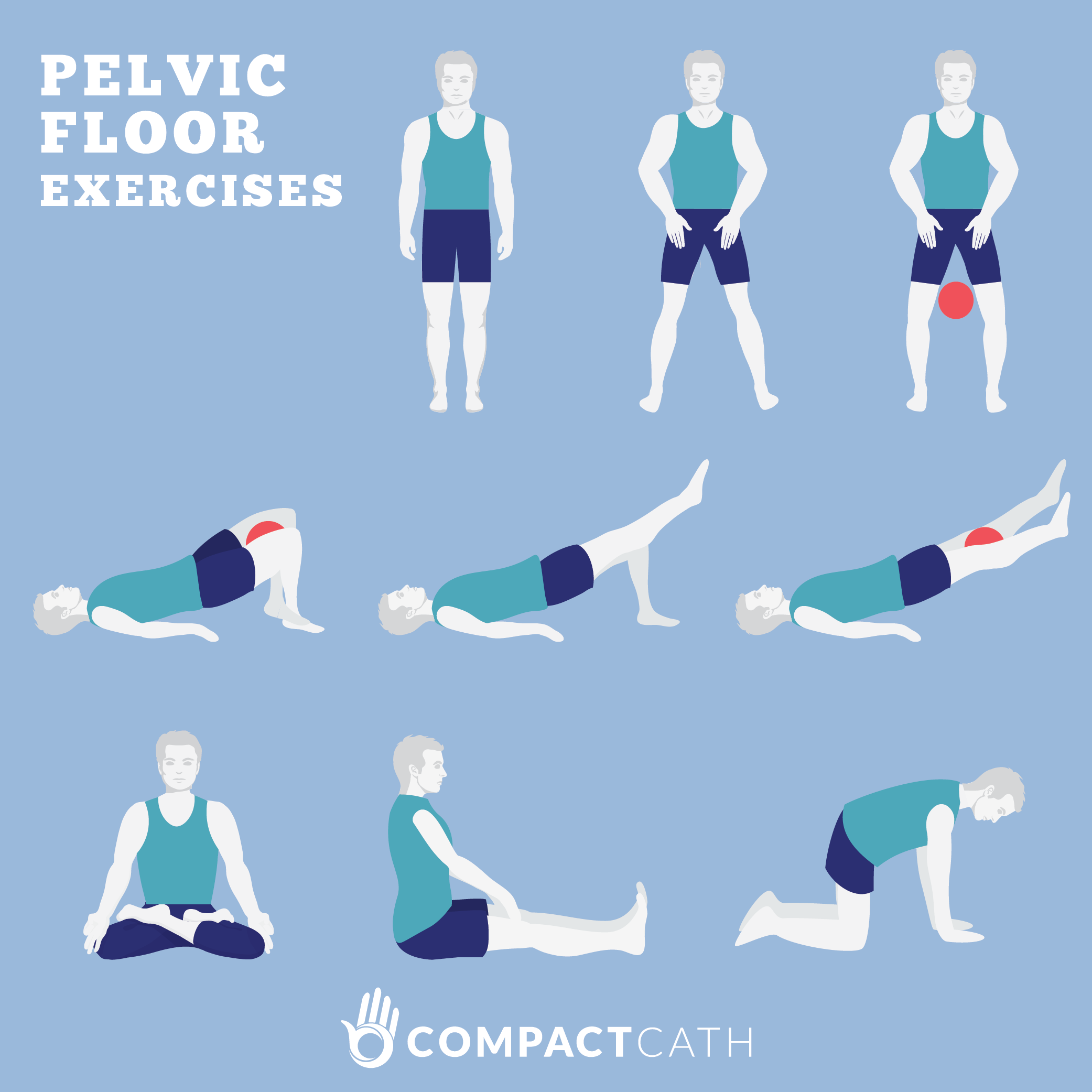
Image Source: www.compactcath.com
Can I Exercise With A Urinary Tract Infection? Expert Advice
Can I exercise with a urinary tract infection? Generally, experts strongly advise against it, or at least recommend extreme caution and consulting a doctor first. Exercising with UTI symptoms can be risky for your body and may make the infection worse. It is usually better to rest and focus on getting well.
Composing a UTI: What It Is
A urinary tract infection, or UTI, is a common problem. It happens when germs, most often bacteria, get into your urinary system. This system includes your bladder, kidneys, tubes that connect them, and the tube where urine leaves your body.
When germs grow in these places, they cause an infection. Most UTIs happen in the bladder. This is often called a bladder infection. Infections can also happen in the kidneys, which is much more serious.
Symptoms can be painful and upsetting. They are your body’s way of telling you something is wrong.
Signals from Your Body: UTI Symptoms
Your body sends clear signals when you have a UTI. These signals are the symptoms. Knowing these symptoms helps you know if you might have an infection.
Common symptoms include:
- A burning feeling when you pee.
- Needing to pee very often, even right after you just went.
- Feeling a strong urge to pee, but not much comes out.
- Pain or pressure in your lower belly or back.
- Cloudy, dark, or strong-smelling urine.
- Feeling tired or unwell.
More serious symptoms can mean the infection is spreading. These include:
- Fever (body temperature goes up).
- Chills (feeling cold and shaking).
- Pain in your back, just below your ribs (this might mean a kidney infection).
- Feeling sick to your stomach or throwing up.
If you have these serious symptoms, see a doctor right away.
Risks of Activity: Why Exercise Might Be Bad
When you have a UTI, your body is working hard. It is using energy to fight the germs causing the infection. Exercising takes energy. This means less energy is left for your body to heal. This is one main reason why exercising with UTI symptoms is generally not a good idea.
Physical activity adds stress to your body. Your heart beats faster, your muscles work hard, and your body temperature can rise. With an infection already stressing your system, adding exercise makes it work even harder. This extra stress can make your symptoms feel worse. It can also slow down your recovery time.
More Severe Risks: Dangers Exercise UTI
Pushing yourself to exercise when you have a UTI carries real dangers. These dangers exercise UTI include making the infection worse or causing new, serious problems.
One big danger is dehydration. When you exercise, you sweat and lose water. You need water to help your kidneys make urine and flush out bacteria from your bladder. If you are dehydrated, you make less urine. This means the bacteria stay in your bladder longer. Dehydration can also make you feel more tired and sick when you are already unwell. Hydration and UTI exercise are very closely linked; being well-hydrated is key, especially if you are considering any activity.
Another danger is that exercise might help the infection spread. Moving around a lot, especially with intense exercise, could possibly help bacteria travel up the urinary tract towards the kidneys. A kidney infection is much more serious than a bladder infection. It needs fast medical help. Symptoms like fever and back pain should never be ignored, especially after trying to exercise with a UTI.
Also, the pressure or movement from some exercises might make symptoms like pain or the urgent need to pee feel worse.
The Choice: Rest or Move? Rest vs Exercise UTI
When you have a UTI, you face a simple choice: rest or exercise. For most people with a UTI, the answer is clear: rest is the better choice.
Your body heals best when it rests. Rest allows your immune system to focus all its energy on fighting the infection. It helps lower inflammation and lets your body recover. This is why doctors tell people to rest when they are sick with many kinds of infections.
Exercise, on the other hand, uses up your body’s energy. It can increase inflammation in your body. It puts stress on your system. Comparing rest vs exercise UTI, rest gives your body the best chance to get rid of the infection quickly and fully.
Physical activity urinary infection adds a burden your body doesn’t need when it’s trying to heal. Giving your body a break is not being lazy; it is helping your body do its job of getting you well.
Think of it this way: when your house is flooding, you don’t start running a marathon. You focus on stopping the flood and cleaning up. When your body has an infection, you need to focus on fighting the infection and helping your body heal.
| Action | Effect on Body with UTI | Recommendation |
|---|---|---|
| Rest | Helps immune system fight; saves energy; reduces discomfort; supports healing | Best choice for recovery |
| Exercise | Uses healing energy; increases dehydration risk; can worsen symptoms; risk of spread | Generally not advised |
| Intense Exercise | High energy use; high dehydration risk; high risk of worsening symptoms and spreading | Strongly advised against |
Thinking About Mild Cases: Mild UTI Exercise
What about a mild UTI? If your symptoms are very, very slight – maybe just a tiny bit of discomfort when you pee, not much pain, no fever, and no urgent need to go all the time – you might wonder about mild UTI exercise.
Even in these cases, most doctors still advise caution. Your body is still fighting an infection, even a small one. Any exercise takes energy away from that fight.
If symptoms are truly minimal, very gentle movement might be okay for some people, but it is risky. Gentle could mean a slow, short walk. It does not mean running, going to the gym, lifting weights, or doing any intense activity.
The key rule is you must listen to your body UTI. If that gentle walk makes you feel worse in any way – more tired, more pain, more urgency – you must stop right away. Do not try to push through it.
It is very hard to know for sure if a UTI is truly “mild” or if it is just starting before becoming worse. What seems mild might get bad quickly. For this reason, even with mild symptoms, resting is often the safest and fastest way to get better.
Reading Your Body’s Message: Listen to Your Body UTI
Your body is always sending you messages. When you have a UTI, these messages are important. You need to listen to your body UTI very carefully, especially if you are thinking about any kind of movement.
What does listening mean? It means paying attention to how you feel before, during, and after any activity.
- Before: How do you feel right now? Are you tired? Do you have any pain? Any urgency? If the answer is yes to any of these, exercising is likely a bad idea.
- During: How does your body feel as you move? Does the pain get worse? Do you feel more pressure? Do you feel lightheaded or weaker? Does the urge to pee become stronger? If any of these happen, stop immediately.
- After: How do you feel in the hours after? Are you more tired than usual? Did your symptoms get worse? Did you get a fever or back pain? If your symptoms worsen after trying to exercise, it shows your body was not ready.
Ignoring these signals can make your UTI last longer or become more serious. Your body tells you what it needs. When you have an infection, it is usually telling you it needs to rest and heal. Listen to its message.
Water’s Importance: Hydration and UTI Exercise
Staying hydrated is very important when you have a UTI. Drinking plenty of water helps flush bacteria out of your bladder when you pee. This is a key part of helping your body get rid of the infection.
Hydration and UTI exercise are connected. If you choose to exercise, even gently, you will lose water through sweat. This means you need to drink even more water than usual. If you don’t drink enough, you become dehydrated.
Being dehydrated with a UTI is bad. It means you make less urine, so bacteria stay in your bladder longer. This can make the infection worse. It can also make you feel much sicker.
So, whether you exercise or not, drink lots of water with a UTI. If you consider any physical activity urinary infection, you must make drinking extra water a top priority. Clear or pale yellow urine is a good sign you are drinking enough.
What Kinds of Movement?: Physical Activity Urinary Infection
Thinking about physical activity urinary infection means looking at different types of movement. Some kinds of exercise put more stress on your body than others.
-
High-Intensity Exercise: Running fast, playing sports, heavy weight lifting, high-energy classes. These activities demand a lot from your body. They make your heart pump hard, cause lots of sweating, and use up significant energy. Doing these with a UTI is very risky. They increase the dangers exercise UTI brings, like dehydration and making the infection worse. This type of exercise is strongly not recommended.
-
Moderate Exercise: Brisk walking, cycling at a steady pace, swimming laps. These are less intense than high-intensity activities but still work your body. They can still cause significant sweat loss and use up energy needed for healing. For most people with a UTI, this is also too much.
-
Low-Intensity Exercise: Very slow walking, gentle stretching (not yoga poses that put pressure on the belly), light household tasks. These use less energy and cause less sweat. In cases of very mild UTIs, and only with a doctor’s okay, very gentle movement might be considered. But even these can make bladder infection exercise symptoms worse for some people.
The type of exercise matters, but the main point is that any physical activity urinary infection adds stress. For the best and fastest recovery, rest is better than any level of exercise for most people with a UTI.
Problems and When to Quit: Complications and When to Stop
Trying to exercise with a UTI can lead to serious health problems. The biggest danger is that the infection can travel up from your bladder to your kidneys. This is a kidney infection, also called pyelonephritis.
Kidney infections are much more severe than bladder infections. They need immediate medical care. Symptoms of a kidney infection include:
- High fever.
- Shaking chills.
- Pain in your side or upper back, usually below your ribs.
- Feeling very sick to your stomach.
- Vomiting.
These are serious dangers exercise UTI can make more likely. If you have a UTI and try to exercise, and you develop any of these symptoms, stop all activity immediately and go to the doctor or an emergency room.
Even if you don’t get a kidney infection, exercising can make your current UTI symptoms much worse. Pain, burning, and the urgent need to pee can all increase. You might feel much more tired and generally unwell. This is your body telling you it is struggling.
Knowing the signs of complications and knowing when to stop is critical for your health. Do not try to push through worsening symptoms.
Asking Your Doctor: Seeking Medical Advice
The most important step when you have a UTI and are thinking about exercise is to talk to a doctor. They are the experts who can give you the best advice for your specific situation.
A doctor can confirm if you really have a UTI. They can also tell you how serious it is. This helps them decide what treatment you need, like antibiotics.
Ask your doctor directly: “Is it safe for me to exercise with a UTI?” Tell them about your symptoms and the type of exercise you normally do.
Your doctor will likely tell you to avoid physical activity urinary infection while you are taking medicine and recovering. They might tell you to rest completely. Follow their advice closely. They know what is best for your health and how to help you avoid complications.
Trying to decide on your own whether to exercise with a UTI, especially without knowing how bad the infection is, is risky. Your doctor’s guidance is key to a safe recovery.
If You Must Move Gently: Tips if You Choose to Exercise
Okay, let’s say your symptoms are truly minimal AND your doctor has given you specific permission for very light movement. This is the only time you should even consider it.
If you get the green light for mild UTI exercise, follow these strict rules:
- Keep it Light: Only do very low-intensity activity. A slow, short walk is usually the limit. Do not run, jump, lift heavy things, or do anything that makes you breathe hard.
- Hydrate, Hydrate, Hydrate: Drink plenty of water before, during, and after your activity. Hydration and UTI exercise go hand-in-hand. Don’t wait until you feel thirsty.
- Dress Right: Wear loose, comfortable clothes. This helps keep you cool and dry.
- Bathroom Breaks: Go to the bathroom as soon as you feel the urge. Don’t hold it.
- Pay Attention: Listen to your body UTI constantly. How do you feel?
- STOP Immediately: If your symptoms get worse, or you feel any new pain, fatigue, or discomfort, stop right away. Do not try to finish your workout.
- Check In: If you exercise, notice how you feel in the hours afterward. Did it make things worse? If so, even that light activity is too much.
Remember, even with mild symptoms and a doctor’s okay, it is often safer and faster to just rest. These tips are for the rare case where light movement is approved, but caution is still the main rule.
Getting Back to Moving: Recovery and Returning to Exercise
Once you have finished your treatment, your symptoms are completely gone, and your doctor says you are well, you can start thinking about exercising again.
Don’t rush back into your full exercise routine right away. Your body has been sick and is still recovering its full strength.
Start slowly. Do shorter workouts than normal and at a lower intensity. For example, if you used to run 3 miles, start with a 1-mile walk or a very slow jog.
See how you feel during and after this lighter activity. If you feel good the next day, you can slowly increase how long you exercise or how hard you work. Do this over several days or even a week.
Pushing too hard too soon might not cause the UTI to come back, but it can make you feel very tired or sore. Give your body time to get strong again after being sick. Make sure you feel completely healthy before returning to your normal physical activity levels.
How to Help Avoid UTIs: Preventing UTIs
Taking steps to help prevent UTIs means you might not have to worry about exercising with one in the future.
Here are simple things you can do:
- Drink Lots of Water: This helps flush bacteria out regularly.
- Wipe from Front to Back: After using the toilet, especially after a bowel movement, always wipe from front to back. This helps keep bacteria from your bottom away from your urinary opening.
- Go When You Need To: Don’t hold your pee for a long time. Go to the bathroom as soon as you feel the need.
- Pee After Sex: This helps flush out any bacteria that might have entered the urinary tract during sex.
- Choose Cotton Underwear: Cotton helps keep the area dry. Bacteria like to grow in warm, wet places.
- Avoid Certain Products: Some women find that perfumed products, like bubble baths or douches, can bother the area and might increase UTI risk.
Following these simple steps can help reduce your chances of getting a UTI.
Final Thoughts: Conclusion
Having a urinary tract infection is not fun. It makes you feel unwell and can be painful. Your body is working hard to fight the infection.
Exercising with a UTI is generally not advised by experts. Physical activity takes energy that your body needs for healing. It can also make symptoms worse and increase the chance of serious problems, like the infection spreading to your kidneys.
Listen to your body UTI signals. If you have symptoms, even mild ones, rest is usually the best plan. Give your body the break it needs to get well. Stay very hydrated by drinking lots of water.
Most importantly, talk to your doctor. They can give you the right diagnosis and treatment plan. They are the best person to tell you whether any level of physical activity urinary infection is safe for you. In the question of rest vs exercise UTI, for most people, resting puts your health first. Focus on getting better so you can return to exercise safely when you are fully recovered.
Frequently Asked Questions (FAQ)
H4: Is it safe to exercise with a UTI?
Generally, no, it is not safe. Exercising with a UTI can make your symptoms worse, slow down your recovery, and potentially lead to more serious problems like a kidney infection. Your body needs rest to fight the infection.
H4: Can working out make a UTI worse?
Yes, absolutely. Working out puts stress on your body and uses energy that your immune system needs to fight the infection. It can increase dehydration, which is bad for UTIs. This can make your current symptoms worse and make the infection last longer or spread.
H4: What kind of exercise is okay with a mild UTI?
For most people, even with a mild UTI, rest is still recommended. If your symptoms are very minimal and your doctor gives specific permission, very light activity like a short, slow walk might be considered. However, you must listen to your body and stop immediately if you feel worse. Intense or moderate exercise is not advised even with mild symptoms.
H4: Why is hydration important when I have a UTI?
Drinking lots of water helps your body flush bacteria out of your urinary tract when you pee. This helps clear the infection. If you exercise, you lose extra water through sweat, making hydration even more important. Not drinking enough water can make the infection harder to fight.
H4: What are the dangers of exercising with a UTI?
The main dangers include worsening symptoms, increasing dehydration, slowing down recovery, and increasing the risk of the infection spreading to your kidneys (a serious problem).
H4: Should I rest or exercise with a UTI?
In the decision between rest vs exercise UTI, rest is almost always the right choice. Rest allows your body to focus its energy on healing and fighting the infection effectively.
H4: What does “listen to your body” mean with a UTI?
It means paying close attention to how you feel. If exercise makes your pain, urgency, or tiredness worse, or if you feel any new symptoms like fever or back pain, your body is telling you to stop. Do not try to push through discomfort when you have an infection.