
Can you start a gym business with no money? Yes, it is possible, but it requires creativity, smart planning, a focus on service over physical space, and a lot of hard work. Starting a traditional gym with equipment and a lease costs a lot. But you can begin a fitness business with very little or even almost no money by offering services first and building from there. This guide shows you how.
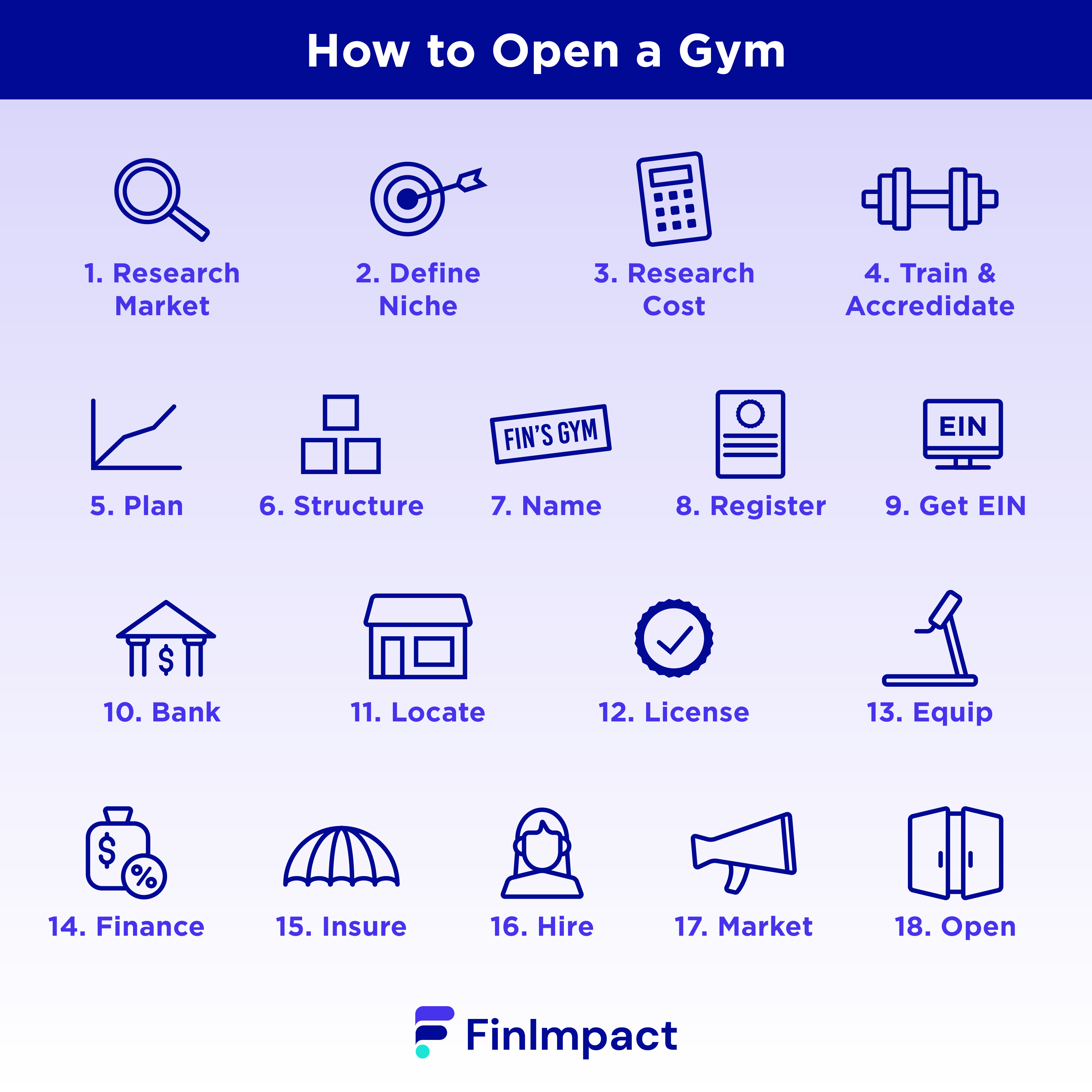
Image Source: finimpactcom.s3.eu-west-2.amazonaws.com
Shifting How You Think About Starting a Gym
When people think of a gym, they often picture a building full of machines. That costs a lot to rent, fill with gear, and maintain. Starting a gym business with no money means you cannot do this right away.
Instead, think of a “gym business” as a service that helps people get fit. Your skills, time, and effort are your main tools, not expensive equipment or a big space. You will run a bootstrap fitness business. This means you start small, use what you have, and use the money you make to grow.
Exploring Low-Cost Ways to Start
You do not need a building to help people get fit. Many fitness businesses start small. They cost much less than a traditional gym.
Online Personal Training Business
This is one of the cheapest ways to start. You train clients using video calls and online tools.
- What you need: A phone or computer, a good internet link, and a place to work out yourself to show moves.
- How it works: You create workout plans, watch clients train via video, and give feedback.
- Costs: Almost zero to start, maybe a small fee for online software later.
Mobile Gym Business
You bring the fitness to the clients. This could mean going to their homes, offices, or local parks.
- What you need: Maybe a few small items like bands or mats, a way to travel (car, bike), and your knowledge.
- How it works: You travel to train clients one-on-one or in small groups.
- Costs: Travel costs (gas, bus fare) and maybe a few low-cost gym equipment pieces you carry.
Outdoor or Park Bootcamps
Use free public spaces like parks to train groups.
- What you need: No equipment needed, just your voice and ability to lead workouts. You might use park benches, hills, or stairs.
- How it works: You set a time and place, people show up, and you lead a group workout.
- Costs: Zero for the space. You might need a permit depending on your city, but often not for small groups.
Partnering with Other Places
Find places that already exist and use their space or clients.
- What you need: Good talking skills to make deals.
- How it works:
- Work with a local community center. They might have space you can use for a low fee.
- Work with a sports team or club. Train their players.
- Offer classes at local businesses for their staff.
- Costs: Maybe a small fee to the partner, or you pay them a part of what you earn.
Personal Training Business Startup
This is the simplest form. You train clients one-on-one.
- What you need: Your fitness knowledge is the key asset. You can train clients at their homes or outdoors.
- How it works: Meet clients where they are or in public spaces and guide them through workouts.
- Costs: Your time and travel are the main costs. This is the core of many no-money startups.
Running a Bootstrap Fitness Business
Bootstrapping is key when starting with little money. It means you use your own limited resources to build the business. You avoid debt and large costs at the start.
Keeping Gym Startup Costs Low
The main goal is to keep costs almost non-existent.
- No Rent: Work from home (for online), travel to clients (mobile), or use free outdoor spaces.
- No Staff Costs (at first): You do everything yourself. You are the trainer, salesperson, and cleaner.
- Minimal Equipment: Start with bodyweight workouts. Add equipment only when you make money.
Finding Low-Cost Gym Equipment
You do not need fancy machines. You can get creative.
- Bodyweight Training: Push-ups, squats, lunges, planks. These need no equipment.
- Resistance Bands: These are cheap, light, and work many muscles.
- Dumbbells (Used): Check online selling sites (like Craigslist, Facebook Marketplace) or garage sales. Buy a few pairs over time.
- DIY Gear: Fill empty jugs with sand or water for weights. Use sturdy chairs for step-ups.
- Borrow or Share: If working with others, maybe they have some gear.
- Focus on Client’s Gear: If training at their home, use what they have.
Table: Low-Cost Equipment Ideas
| Item | Average Low Cost | Benefits |
|---|---|---|
| Resistance Bands | $10 – $30 | Light, portable, versatile |
| Jump Rope | $5 – $15 | Good cardio, portable |
| Yoga Mat | $15 – $30 | Comfort for ground work |
| Used Dumbbells | Varies widely | Classic strength tool |
| Kettlebell (used) | Varies widely | Good for dynamic movements |
| Suspension Trainer | $20 – $50+ | Uses bodyweight, portable, versatile |
Remember, your expertise is more important than fancy gear at the start.
Starting Small and Simple
Do not try to offer everything at once.
- Focus on One Service: Start with personal training (online or mobile) or one group class (like a bootcamp).
- Work with Few Clients: Begin with a small number of clients. Give them great results.
- Get Paid First: Charge clients before or right after each session. Use this money to cover any small costs and then save.
- Your Skills Are the Asset: Your knowledge of fitness, how to motivate people, and how to create safe and effective workouts are what you “have” instead of money. Build on this.
Creating Your Fitness Business Plan
Even with no money, you need a plan. A fitness business plan helps you think through what you will do, who you will help, and how you will make money. You do not need a formal bank-ready document, just notes for yourself.
Defining Who You Will Help
Who is your ideal client? Trying to help everyone is hard.
- Think Specific: Do you want to help busy moms, older adults, people training for a specific sport, or beginners?
- Know Their Needs: What problems do they have? (e.g., lack of time, need motivation, unsure how to start).
- Know Where to Find Them: Where do these people spend time (online or locally)?
Knowing your niche makes marketing easier and your services better.
Outlining What You Will Offer
What specific services will you sell?
- Examples: 1-on-1 online coaching, park bootcamps 3 times a week, in-home training for older adults, online workout plans for runners.
- Set Prices: What will you charge? Even if low at first, have a price. Research what others charge for similar services in your area or online.
- Think Value: Why should someone pay you? Focus on the results you can help them get.
Mapping How You Will Work Daily
How will you run the business day-to-day?
- Scheduling: How will you book clients? (Use a free online calendar or a simple notebook).
- Training Method: What exercises and methods will you use?
- Client Check-ins: How will you talk to clients between sessions (email, text)?
- Money Tracking: How will you record who paid you? (A simple spreadsheet or notebook works).
Planning Future Money Matters
Even with no money now, think about money later.
- How will you make money? (Client fees).
- What tiny costs might pop up? (Travel, maybe a low-cost app).
- How much do you need to earn to cover basic costs and maybe save a little?
- How will you use the money you earn? (Reinvest in cheap gear, save for a website, etc.).
This simple plan keeps you focused and helps you make smart choices as you start your personal training business startup.
Getting Clients Without Spending Much
You need clients to make money. This is possible even with no marketing budget. Marketing a gym on a budget is about being smart and using free ways to get noticed.
Focus on Giving Great Results
Your first clients are your best marketing tool. Help them succeed.
- Be a Great Trainer: Be reliable, positive, and knowledgeable.
- Get Testimonials: When clients get results, ask if they will write a few sentences saying nice things about you. Use these reviews (with their OK) on social media or tell new people about them.
Use Free Offers
Give people a taste of what you do.
- Free Consultations: Talk to potential clients about their goals. Show them you understand and can help. This costs you only time.
- One Free Session: Offer the first workout for free. This lets them see your style and you can show them value.
- Group Trial Class: For bootcamps, offer the first class free.
Build Relationships
Connect with people in your community.
- Talk to People: Tell friends, family, and neighbors what you are doing.
- Local Events: If there are free health fairs or community events, see if you can offer quick fitness tips or demos.
- Cross-Promote: Find another small business (like a health food store or running shoe shop) and suggest sending clients to each other.
Use Your Network
Your friends, family, and past contacts know you.
- Tell Everyone: Let everyone you know that you are starting a fitness business. Ask them to spread the word.
- Offer a Friend Discount: Give your network a small discount for their first sessions.
Marketing a Gym on a Budget Using Online Tools
The internet offers many free ways to reach people.
- Social Media:
- Choose 1 or 2 platforms where your ideal clients spend time (Facebook, Instagram, TikTok, etc.).
- Post helpful fitness tips, short workout videos, healthy recipes, and motivation.
- Share client success stories (with permission).
- Engage with comments and messages quickly.
- Join local community groups online and share value (don’t just sell).
- Email List: Ask interested people if you can email them tips or class updates. Use free email services to send messages.
- Simple Website: You can build a very basic website for free using platforms like Google Sites or Wix (free tier). List your services and contact info.
This kind of marketing takes time, not money. It is perfect for a bootstrap fitness business.
Deciphering Financing Options for Gyms (Even for Minimal Needs)
You start with “no money,” meaning no big loans or savings. But you might need a tiny bit for travel, a few bands, or online tools later. And you need to think about how to fund growth.
Starting with What You Have
Your personal savings, even small amounts, or your current income can fund the absolute start.
- Use a Tiny Bit of Savings: If you have any saved, maybe $50 or $100, this can buy resistance bands or cover gas for the first week.
- Use Current Job Income: If you are starting this on the side, use money from your main job for any very small initial costs.
Getting Help from People You Know
Friends and Family might offer small amounts.
- Small Loans: Ask someone close for a very small loan ($100-$500) if absolutely necessary for a vital tool (like reliable transport or a needed certification fee). Make sure you have a plan to pay it back.
Reinvesting Your First Earnings
This is how a bootstrap fitness business grows.
- Earn Money, Then Spend: Make $100 from a client. Use $20 to buy a jump rope. Save the rest.
- Save for Bigger Steps: Save up client earnings to buy more low-cost gym equipment, pay for a simple website, or get a needed certification.
Less Likely Funding Options for “No Money” Start
Financing options for gyms like bank loans or investors are not for a “no money” startup. These usually require a solid track record, a detailed plan, and often assets. Funding for fitness startups from investors comes much later, after you have shown your business works and makes money.
- Microloans: These are small loans (under $50,000), often from non-profits. They are hard to get with literally zero money and no history, but might be an option if you need a tiny amount after you’ve made some progress.
- Crowdfunding: Asking many people for small amounts online. This usually works best if you have a unique idea or a strong community following, which is hard when just starting with no money.
For a “no money” start, focus on earning money from clients first. That client money is your first “funding.”
Scaling Up Your Business Slowly
Once you start making money, you can grow. Do it slowly and smartly, using the money you earn.
Adding Better Equipment
As you make more, you can upgrade or buy more low-cost gym equipment.
- Invest in Quality (Slowly): Instead of buying 20 cheap items, save for one good quality, versatile piece like a set of adjustable dumbbells.
- Buy Used First: Keep looking for used gear online as you grow.
- Think About Client Needs: What equipment would most help your clients? Buy that first.
Renting a Small Space (Later)
If your outdoor or mobile business grows, you might want a fixed spot.
- Rent Hourly/Daily: Find places that let you rent space just for the hours you need it (dance studios, community halls, small training rooms). This is cheaper than a full lease.
- Partner Again: Rent a corner in a chiropractor’s office or physical therapist’s clinic.
- Small Studio: Once you have saved a good amount, you might look for a very small, cheap space to rent. This is a big step and requires careful planning and saving. This moves beyond a pure “no money” model, but it’s how you scale from it.
Bringing on Help (Much Later)
If you have too many clients, you might need help.
- Hire Another Trainer: Pay a trainer to take on some clients. Make sure they are good and fit your business style.
- Admin Help: Maybe hire someone for a few hours a week to help with scheduling or messages.
Scaling means using the money you earn to take the next logical step, without jumping into big debts too soon.
Avoiding Common Mistakes When Starting Lean
Starting with no money is tough. Here’s what to watch out for.
- Not Charging Enough: Even though you have no costs (almost), your time and expertise are valuable. Do not sell yourself too cheap for too long. Start low if you must, but plan to raise prices as you get more experience and results.
- Not Getting Paid: Have a clear payment system. Get paid before the session or immediately after. Do not let payments slide.
- No Plan: Even a simple fitness business plan is vital. Without it, you don’t know where you are going.
- Trying to Do Too Much: Focus on one service and one type of client at first. Perfect that before adding more.
- Ignoring Legal/Admin Stuff: You still need to be legit.
Grasping Legal and Administrative Basics
Even a small personal training business startup needs to follow rules. This does not cost much, but is important.
- Business Name: Choose a name. Check if it is available in your state/area.
- Register Your Business: You might need to register as a sole proprietor or LLC. This is often low cost or free initially. Check your local rules.
- Insurance: This is important to protect you if someone gets hurt. Look for affordable options for fitness professionals. This might be one of your first essential costs, even if very low initially ($10-$30 per month). Budget for this as soon as you make a little money.
- Contracts: Use a simple contract with clients. This states your terms, prices, and what happens if a session is missed. You can find free templates online.
- Waivers: Have clients sign a waiver saying they know the risks of exercise. Free templates are available online.
- Get Certified: Make sure your fitness certification is current and recognized. This is a non-negotiable part of your expertise.
These steps seem small, but they make your business real and protect you. Look up the specific rules for your city, state, or country.
Looking Ahead: When “No Money” Becomes “Low Money”
The goal of starting with no money is to prove your idea and build a base. Once you make money, you move to a “low money” phase where you can invest small amounts back into the business.
- Better Online Tools: Pay for a good scheduling app or a fitness software platform.
- More Equipment: Buy a few key pieces of low-cost gym equipment.
- Simple Marketing: Spend a little on social media ads or print flyers for local notice boards.
- Continuing Education: Take courses to improve your skills.
Every dollar you earn and smartly reinvest helps your bootstrap fitness business grow stronger.
Summary of Starting Points
To begin your fitness business with almost no money, focus on:
- Low-Cost Models: Online, mobile, outdoor, personal training startup.
- Minimal Costs: Avoid rent, staff, and expensive gear initially.
- Use What You Have: Your skills, time, network.
- Low-Cost Equipment: Bodyweight, bands, used items.
- Simple Plan: Know who you help and what you offer.
- Budget Marketing: Use free online tools and your network.
- Earn First: Get paid by clients and reinvest earnings.
- Basic Legal Steps: Register, consider insurance, use waivers.
This path requires effort and smart choices, but it makes starting a fitness business possible without needing large funding for fitness startups from banks or investors right away.
Frequently Asked Questions (FAQ)
Q: How fast can I start making money?
A: You can start making money as soon as you find your first paying client. If you use free methods to find clients (like your network or social media) and offer simple services, you could potentially have a paying client within days or weeks of deciding to start.
Q: Do I need a fitness certification to start?
A: Yes, absolutely. Having a recognized certification proves you have the knowledge to train people safely and effectively. This is crucial for credibility and client safety. Factor in the cost and time for certification training if you don’t have one already. This is an essential upfront investment, even when starting “with no money” – think of it as investing in your primary asset: your expertise.
Q: How do I get clients if I have no reviews or history?
A: Start by offering your services to friends or family at a very low cost or even free for a few sessions in exchange for honest feedback and testimonials. Focus on getting them results. Ask them to refer you to others. Use social media to share your knowledge and attract people who like your approach. Offer free first sessions to potential clients so they can experience what you offer.
Q: Is it really possible to start with zero dollars?
A: It is very difficult to start with literally zero dollars forever, as you might eventually need money for things like basic insurance, travel costs, or a low-cost online tool. The idea is to start with minimal or no traditional startup costs (like rent, inventory, staff) by leveraging your skills and free resources. Your goal is to make money from your first clients to cover small essential costs as they arise and then reinvest.
Q: When should I get business insurance?
A: You should look into getting liability insurance as soon as possible after deciding to start training clients, even if it’s just one person. It protects you if a client gets injured and claims it was your fault. It’s a critical part of protecting your personal training business startup. Find options specifically for fitness professionals; they can be relatively low cost.
Q: How do I set my prices when I’m just starting?
A: Research what other trainers in your area or online who offer similar services are charging. Start slightly below average if you have less experience or no reviews, but not so low that you seem unprofessional. As you gain experience and get results for clients, raise your prices. Value your time and expertise.
Q: What’s the first thing I should spend money on once I make some?
A: After covering any immediate small operating needs (like travel), the first things to spend money on should be things that protect you (like insurance) or directly help you serve clients better (like a few key pieces of low-cost gym equipment, or a useful online tool for scheduling/client tracking). Reinvesting smartly helps you grow.
Starting a gym business with no money is about building a service-based fitness business from the ground up. It takes grit, resourcefulness, and a focus on providing great value to clients. It is a bootstrap fitness business model where your effort and expertise are your first assets.