
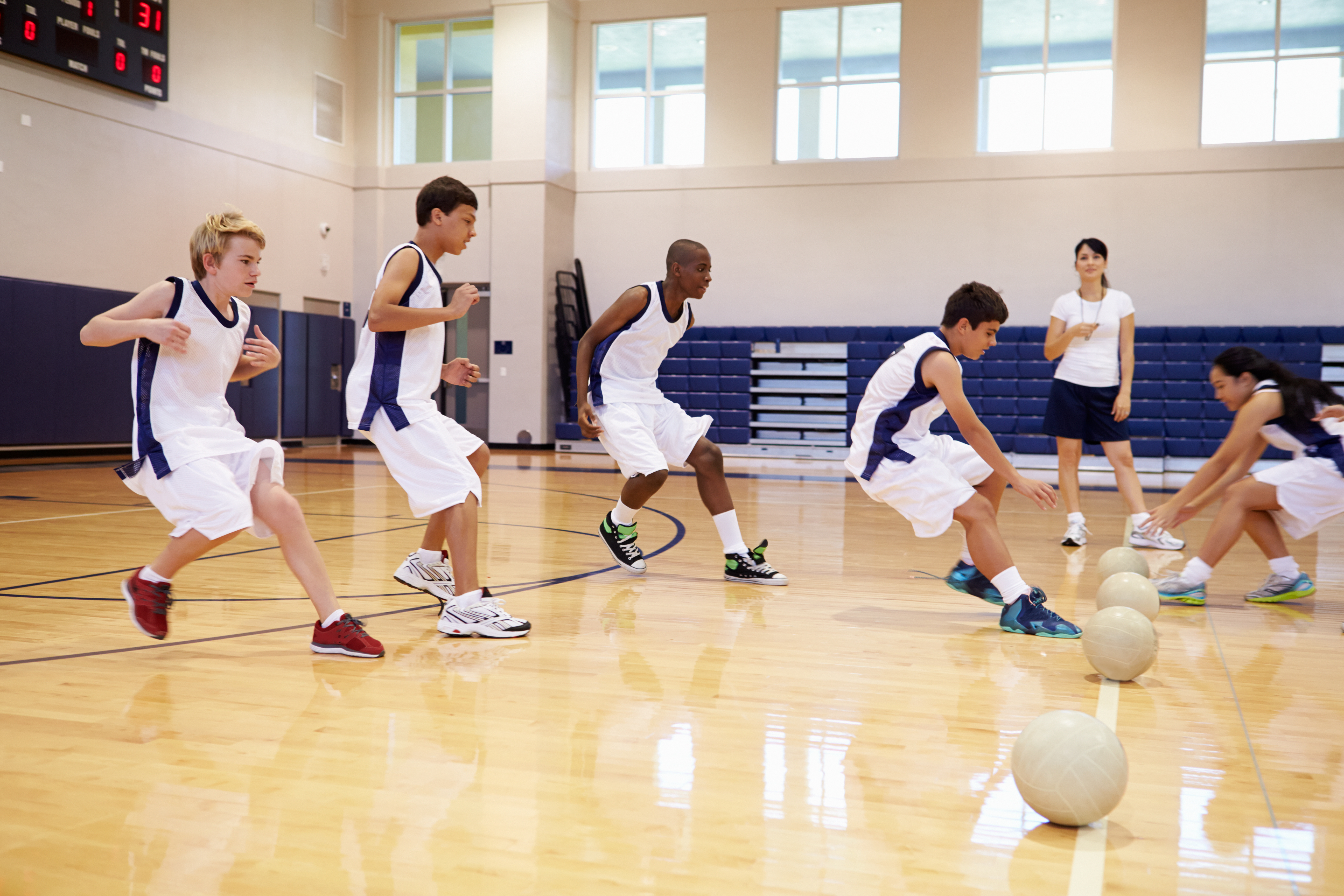
Image Source: www.teacher.org
How Do You Become A Gym Teacher: Steps & Requirements
So, you want to become a gym teacher? It’s a great job if you love sports, fitness, and working with kids. How do you become a physical education teacher? The main steps include getting the right college degree, completing specific physical education teacher requirements set by your state, getting your PE teacher certification or teaching license PE, and gaining teaching experience. This article will guide you through the steps to become a PE teacher.
Grasping the Role: What Does a Gym Teacher Do?
What is the job description of a physical education teacher? A gym teacher does much more than just play games all day. They teach students about physical fitness, health, and sports skills. Their main goal is to help kids build healthy habits they can keep for life.
Here are some key parts of the job:
- Planning Lessons: Gym teachers create lesson plans. These plans teach students different sports like basketball or soccer. They also teach about fitness like running or stretching. Lessons must be right for students of different ages and skill levels.
- Teaching Skills: They show students how to do physical things. This could be how to throw a ball, how to jump rope, or how to do a push-up. They break down skills into easy steps.
- Checking Progress: Gym teachers watch students learn and grow. They see who is getting better at a skill. They also see if students understand healthy habits. They might give grades based on effort, skill, and learning about health.
- Keeping Kids Safe: Safety is very important. Teachers make sure students use equipment safely. They teach rules for games to prevent injuries. They also check that the gym or field is safe.
- Promoting Health: They teach students about health topics. This includes why exercise is good. It also covers eating healthy foods and taking care of their bodies.
- Managing the Class: Like all teachers, gym teachers need to manage a group of students. They set rules for behavior in the gym or outside. They make sure everyone gets a chance to learn and play.
- Talking with Parents: Sometimes, gym teachers talk to parents. They might share how a student is doing. They might also talk about health or fitness goals for the student.
- Working with Other Teachers: Gym teachers work with other teachers and school staff. They might plan school-wide health events. They help make sure physical education fits with other subjects students learn.
The job needs energy, patience, and a passion for helping young people. A good gym teacher makes learning about health and fitness fun for everyone. They help students build confidence and learn teamwork.
Laying the Foundation: Education Matters
The very first big step to becoming a gym teacher is getting the right school degree. You need a college education. Most schools require their teachers to have a four-year degree, called a Bachelor’s degree.
The Right Bachelor’s Degree
What degree do you need? Most people who want to be gym teachers get a Bachelor’s degree physical education. Some schools call this Kinesiology or Exercise Science. These degrees teach you all about how the body works. They cover things like:
- Anatomy: Learning about the parts of the body, like bones and muscles.
- Physiology: Learning how the body works, like how muscles move and how the heart beats faster when you run.
- Motor Learning: Learning how people learn new physical skills, like riding a bike.
- Biomechanics: Learning about the physics of how the body moves.
- Health and Wellness: Learning about healthy eating, how to stay fit, and preventing diseases.
A Bachelor’s degree physical education is often the best choice. It gives you the specific knowledge you need for the job. It also includes classes about teaching. You will learn how to plan lessons, manage a classroom, and work with students of different ages.
Other Helpful Degrees
Sometimes, you can get a different degree but still become a gym teacher. Degrees in related areas like:
- Health Education
- Exercise Science
- Sports Management (with the right teaching focus)
If your degree is not exactly in physical education, you might need extra classes. These classes make sure you have all the qualifications needed PE teacher. They cover teaching methods and physical education topics.
What You Learn in College
College programs for gym teachers teach you more than just sports rules. They focus on teaching methods that work for different kids. You will learn how to:
- Teach kids with different skill levels.
- Teach kids with disabilities.
- Create lessons that keep kids active for most of the class time.
- Use tests and checks to see what students have learned.
- Make the class fun and exciting so kids want to join in.
These programs also often include general education classes. You might study writing, math, science, and history. These classes help you become a well-rounded teacher.
Getting the right college degree is a major part of the physical education teacher requirements. It gives you the knowledge about the body and the skills to teach effectively.
The Path to Certification: Getting Licensed
After getting your college degree, the next big step is getting your teaching license or certification. You need this special permission from the state to teach in public schools. This process is often called PE teacher certification or state teaching certification physical education.
Every state has its own rules for teacher licensing. This means the exact steps can be a little different depending on where you want to teach. However, there are common requirements in most states. These are key parts of the physical education teacher requirements.
Typical Certification Steps
- Finish a Teacher Preparation Program: Your Bachelor’s degree program often includes this. It means you took specific classes on how to teach. It also includes practical experience like student teaching.
- Pass Required Exams: Most states require you to pass one or more tests. These tests check your knowledge about:
- Physical Education Content: Do you know about sports, fitness, health, and how the body works?
- Teaching Skills: Do you know how to plan lessons, manage a classroom, and help students learn?
- Basic Skills: Some states also have tests on reading, writing, and math.
Common exams include the Praxis tests, but some states have their own tests. You need to pass these tests to show you are ready to teach.
- Background Check: Schools work with children, so safety is very important. You will need to pass a criminal background check. This usually involves giving fingerprints.
- Apply for Your License: Once you have met all the requirements – your degree, finished your program, passed your tests, and passed the background check – you can apply for your teaching license PE. You send your paperwork to the state’s education department.
State by State Differences
Because rules are different in each state, it’s important to check the specific state you want to teach in.
- Specific Coursework: Some states might require certain college classes that others don’t.
- Specific Test Scores: The score you need to pass an exam can vary by state.
- Types of Licenses: States might have different types of licenses (like a temporary license first, then a professional license later).
- Reciprocity: If you get certified in one state, can you easily teach in another state? Sometimes yes, sometimes no. This is called reciprocity. Many states have agreements to accept each other’s licenses, but you usually still have to do some paperwork or take a specific test for the new state.
Always check the website for the State Department of Education in the state where you plan to teach. This is the best place to find the exact state teaching certification physical education requirements.
Alternative Routes to Certification
What if your college degree is not in physical education or teaching? Can you still become a gym teacher? Maybe. Some states offer alternative routes to PE teacher certification.
These programs are for people who already have a Bachelor’s degree, maybe in something related like sports science. They let you take extra classes focused just on teaching. You might do this while working as a teacher under special permission.
Alternative routes still have requirements. You usually need to:
- Have a Bachelor’s degree.
- Pass the same required tests as people from traditional programs.
- Complete specific teaching coursework, often on nights or weekends.
- Work under a mentor teacher for a year or two.
This path can be harder because you are learning and teaching at the same time. But it is a way for people changing careers to become a gym teacher.
Getting your PE teacher certification is a big step. It shows you have the knowledge and skills that your state says a teacher needs.
Practical Experience: Learning by Doing
College classes teach you a lot, but nothing beats real-world practice. A very important part of becoming a gym teacher is getting hands-on experience in a school setting. This is usually called student teaching or an internship.
What is Student Teaching?
Student teaching is like an apprenticeship for teachers. For a set period, usually one semester (a few months), you work full-time in a school. You work under a teacher who is already licensed and experienced. This person is your mentor teacher.
During student teaching, you slowly take on more duties.
- Watching and Learning: At first, you watch your mentor teacher. You see how they plan lessons, manage the class, and interact with students.
- Helping Out: Then, you start helping with small tasks. Maybe you help set up equipment or help individual students.
- Teaching Parts of Lessons: Next, you might teach just one part of a lesson, like the warm-up or explaining one skill.
- Teaching Full Lessons: Slowly, you take over teaching full lessons. You plan them yourself, with feedback from your mentor.
- Taking Over the Class: By the end of the student teaching period, you are often teaching most or all of the classes, just like the regular teacher.
Student teaching is vital. It lets you practice everything you learned in college in a real classroom with real students. You learn things that books can’t fully teach, like how to handle unexpected situations or how to connect with different kids.
Why is This Experience Important?
- Applying Knowledge: You put your college learning into practice. How do you teach a group of 20 kids how to dribble a basketball? Student teaching helps you figure this out.
- Building Skills: You improve your teaching skills, like giving clear directions, managing time, and keeping students engaged.
- Getting Feedback: Your mentor teacher and a supervisor from your college watch you and give you advice. This feedback helps you get better.
- Seeing the Real Job: You get a true look at what being a full-time gym teacher is like, day in and day out.
- Making Connections: You meet other teachers and school staff. This can help you find a job later.
Other Experience
Besides formal student teaching, any experience working with kids or in fitness helps. This could include:
- Coaching youth sports teams.
- Working at a summer camp.
- Volunteering in school sports programs.
- Working at a gym or community center.
This kind of experience shows you can work with young people. It also shows you are committed to physical activity.
Both formal student teaching and other related experiences are valuable parts of getting ready for a job. They are often included in the overall qualifications needed PE teacher.
Getting Hired: Finding Your First Job
Once you have your degree, your PE teacher certification, and your student teaching experience, you are ready to look for a job. This is an exciting step!
Where to Look for Jobs
Gym teacher jobs are mostly in schools.
- Public Schools: These are funded by the government. They range from elementary schools (youngest kids) to middle schools and high schools (older kids). Most gym teacher jobs are here.
- Private Schools: These are funded by tuition or other sources. They also need gym teachers.
- Charter Schools: These are public schools that operate with more freedom. They also hire physical education teachers.
You can find job openings on school district websites, state education department websites, and national job boards for teachers.
The Job Application Process
Applying for a teaching job usually involves:
- Writing a Resume: This lists your education, experience (like student teaching and coaching), skills, and certifications.
- Writing a Cover Letter: This is a letter explaining why you want the job and why you are a good fit for that specific school or district.
- Providing Transcripts: These are your official college records showing your grades and degree.
- Providing Letters of Recommendation: You will need letters from college professors or your mentor teacher who can talk about your skills.
- Filling Out an Application: Schools have their own application forms.
- Interviews: If the school likes your application, they will ask you for an interview. You might interview with the principal, assistant principal, or a committee of teachers.
What to Expect in an Interview
Interviews for gym teachers often ask about:
- Your teaching philosophy (how you think kids learn best in PE).
- How you plan lessons.
- How you manage student behavior.
- How you handle safety in the gym or on the field.
- How you work with parents and other teachers.
- Your knowledge of physical fitness and health topics.
- Why you want to work at that specific school.
Sometimes, you might be asked to teach a short practice lesson as part of the interview. This lets the school see you in action.
Finding your first job takes time and effort. Be prepared, highlight your experience and passion, and show them why you would be a great addition to their school!
Career Trajectory: What’s Next?
Becoming a gym teacher is a great career path physical education. But it doesn’t have to stop there. There are ways to grow and move forward in your job.
Staying in the Gym
Many gym teachers are happy teaching students for their whole career. They become experts in their field. They might take on extra roles like:
- Coaching: Coaching sports teams is a common extra duty for gym teachers.
- Athletic Director: Some experienced teachers become the athletic director for the school or district. This person manages all the school sports programs.
- Department Head: They might lead the physical education department, helping other PE teachers plan and work together.
- Mentor Teacher: Experienced teachers can become mentor teachers for student teachers, helping new people learn the job.
Moving Up in Education
With more education and experience, a gym teacher can move into other roles in a school or district:
- School Administrator: Some teachers go back to school to get a Master’s degree in educational leadership. They can become assistant principals or principals.
- Curriculum Specialist: They might work for the school district, helping to plan what physical education is taught in all the schools.
- Teacher Trainer: They could work for the state or a university, teaching future PE teachers.
Other Related Paths
Skills learned as a gym teacher can also lead to jobs outside of the school system:
- Fitness Coaching: Working with adults or kids in gyms or community centers.
- Health Education: Working for health organizations or in public health.
- Sports Development: Working for sports leagues or organizations.
The career path physical education offers many chances to grow. You can become a leader in physical education, move into school leadership, or use your skills in related health and fitness fields.
Compensation Insights: Gym Teacher Salary
Okay, let’s talk about pay. What is the typical gym teacher salary? Like any job, the pay can be different depending on several things.
Factors Affecting Salary
- Location: Where you teach makes a big difference. Teachers in big cities or areas with high living costs often get paid more than teachers in small towns or rural areas. Some states pay teachers better than others.
- Experience: Pay usually goes up the longer you teach. Schools have salary schedules that give teachers raises based on how many years they have worked.
- Education Level: Teachers with a Master’s degree or higher often earn more than those with just a Bachelor’s degree.
- School District: Different school districts within the same state can have different pay scales.
- Extra Duties: Coaching sports or leading clubs usually adds a little extra money to a gym teacher’s salary.
General Salary Range
It’s hard to give one exact number for gym teacher salary because it varies so much. However, we can look at averages and ranges.
Based on data from sources like the U.S. Bureau of Labor Statistics and various salary websites:
- Entry-Level: A brand new gym teacher with a Bachelor’s degree might start somewhere in the range of $35,000 to $45,000 per year.
- Experienced: A teacher with 10-15 years of experience, especially with a Master’s degree, could earn from $55,000 to $70,000 or even more, depending heavily on location.
- Average: The national average salary for all teachers (including PE) is often reported in the range of $50,000 to $60,000 per year. Physical education teacher salary is usually right around the average for other teachers in the same school district.
Example Salary Table (Illustrative – Actual Pay Varies Greatly):
| Experience Level | Bachelor’s Degree Est. Range | Master’s Degree Est. Range |
|---|---|---|
| 0-3 Years | $35,000 – $45,000 | $38,000 – $48,000 |
| 4-8 Years | $42,000 – $55,000 | $46,000 – $60,000 |
| 9-15 Years | $50,000 – $65,000 | $55,000 – $70,000 |
| 15+ Years | $60,000 – $75,000+ | $65,000 – $80,000+ |
Note: These are rough estimates. High-cost-of-living areas or wealthy districts may pay significantly more.
Benefits
Besides the salary, gym teachers usually get benefits like:
- Health insurance
- Retirement plans (often a pension)
- Paid time off (summers off, holidays, sick days)
- Dental and vision insurance
These benefits can add a lot to the total value of the job. While the starting gym teacher salary might not be the highest, the benefits and the chance to have summers off make it a good career choice for many people.
Ongoing Growth: Learning Never Stops
Even after you have your license and a job, the learning doesn’t stop. Great teachers keep learning and improving throughout their career. This is called professional development.
Why Keep Learning?
- New Teaching Methods: Education research constantly finds new and better ways to teach kids.
- New Health Information: Science learns more about health, fitness, and nutrition all the time.
- Technology: New apps and tools can help in the gym or classroom.
- Keeping Your License: Many states require teachers to take extra classes or training to keep their teaching license PE active.
- Career Advancement: Learning new skills can help you move into leadership roles.
Ways to Grow
- Workshops and Conferences: Attend training sessions or big meetings where experts share ideas.
- Taking More Classes: Get a Master’s degree or take classes in specific areas like adaptive PE (for students with disabilities).
- Reading: Read books and articles about teaching, sports, and health.
- Working with Other Teachers: Share ideas and learn from experienced colleagues in your school or district.
- Joining Professional Groups: Groups like SHAPE America (Society of Health and Physical Educators) provide resources and training.
- Getting Extra Certifications: Get certified in things like first aid, CPR, or coaching specific sports.
Continuous learning helps gym teachers stay fresh and effective. It makes them better at their job and helps them provide the best physical education for their students. It’s a key part of the long-term career path physical education.
The Journey in Summary: Steps to Become a Gym Teacher
Let’s quickly look back at the main steps to become a PE teacher:
- Get a Bachelor’s Degree: Usually in Physical Education or a related field. This builds your knowledge of the body and teaching.
- Complete a Teacher Preparation Program: This is often part of your degree and includes classes on teaching methods.
- Gain Practical Experience: Do student teaching in a real school setting.
- Pass Required Exams: Take state tests on subject matter and teaching skills.
- Pass a Background Check: This is needed for safety in schools.
- Apply for and Receive Your Teaching License/Certification: Get permission from your state to teach.
Once you have your license, you can apply for gym teacher jobs. Your journey continues as you start teaching, gain experience, and keep learning throughout your career. Meeting these physical education teacher requirements takes time and hard work, but it leads to a rewarding job helping kids live healthy lives.
Frequently Asked Questions About Becoming a Gym Teacher
Here are answers to some common questions people ask.
H5 How long does it take to become a gym teacher?
It usually takes about 4 years to get a Bachelor’s degree. After that, getting certified can take a few months to a year depending on testing schedules and state processes. So, plan for at least 4-5 years after high school to be ready to teach.
H5 Do you need a Master’s degree to be a gym teacher?
No, in most states, you do not need a Master’s degree to start teaching. A Bachelor’s degree and state certification are the standard minimum physical education teacher requirements. However, getting a Master’s degree later can increase your salary and open doors to leadership roles.
H5 Can I become a gym teacher if my degree is not in PE?
Maybe. Some states offer alternative certification programs. If your degree is in a related field (like exercise science) or even something different, you might be able to take extra education classes, pass the required tests, and get certified without getting a whole new Bachelor’s degree. Check your state’s education department rules.
H5 What skills are important for a gym teacher?
Besides knowledge of fitness and sports, important skills include:
* Good communication (with kids, parents, staff)
* Patience
* Energy and enthusiasm
* Ability to manage groups of children
* Creativity (making lessons fun)
* Organizational skills (planning, managing equipment)
* Safety awareness
H5 Is there demand for gym teachers?
Yes, schools need physical education teachers. The demand can vary by location. Some areas might have more job openings than others. The overall need for teachers, including PE teachers, stays steady as schools continue to operate.
H5 What age group do gym teachers teach?
Gym teachers can teach any age group from kindergarten up through high school (K-12). Some teachers prefer working with young children, teaching basic movements and games. Others prefer working with older students, teaching more complex sports skills and fitness concepts. Your certification might be for a specific age range (like K-8 or 7-12), depending on your program and state.
H5 Do gym teachers get summers off?
Yes, most K-12 teachers, including gym teachers, work on a school-year schedule. This means they typically have summers off, as well as holidays and school breaks. This is a nice benefit of the job, though the salary is spread out over 12 months.
H5 What are the qualifications needed PE teacher besides education and certification?
Beyond formal requirements, a successful PE teacher is someone who is a positive role model, promotes healthy habits, and makes physical activity enjoyable for students. They should be able to connect with kids, understand their needs, and create a safe and encouraging environment. Being fit yourself is also helpful to demonstrate exercises and activities.
The steps to become a PE teacher require hard work, but the chance to influence young lives and promote health is very rewarding.