
How much does a gym floor cost? A gym floor can cost from about $2 to over $20 per square foot just for the material. The total price with installation can range from around $3 to more than $30 per square foot. The final price depends on the type of material, how thick it is, the size of the area, and if you install it yourself or hire help.
Getting a new floor for a gym is a big step. It makes the space safer and better for workouts. But how much money do you need? Let’s break down the costs. We will look at the price of the floor material itself and the price to put it in.
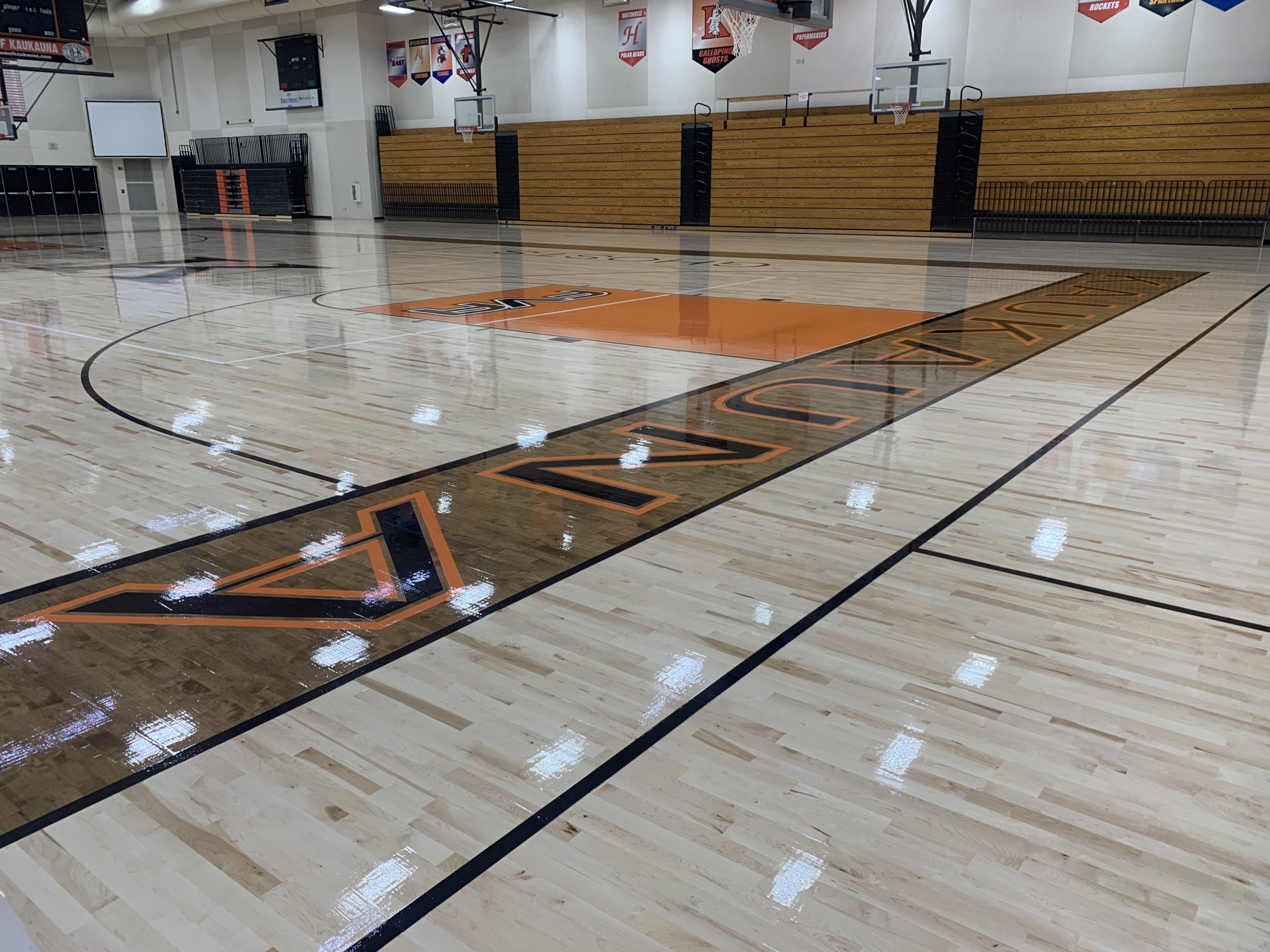
Image Source: www.robbinsfloor.com
Different Floor Materials and What They Cost
The kind of floor you choose is the biggest part of the price. Different materials cost different amounts. Here are the types you see most often and what they might cost.
Cost of Rubber Floors
Rubber is a very popular choice for gym floors. It is tough and helps protect the floor below. It also helps with noise and takes the shock from weights being dropped. The cost of rubber gym flooring changes based on its form and thickness.
- Rubber Tiles: These are easy to put in. They often have interlocking edges like puzzle pieces.
- Price range: About $2 to $8 per square foot.
- Thicker tiles cost more. Tiles from recycled rubber are often cheaper than new rubber.
- Rubber Rolls: These cover large areas fast. You cut them to fit. They give a smooth look.
- Price range: About $2 to $7 per square foot.
- Like tiles, thicker rolls cost more. Rolls are often best for big gyms.
- Rubber Mats: These are smaller pieces. People use them for specific areas. Think under a weight rack or a single machine.
- Price range: Varies a lot. A single 4×6 foot mat might cost $30 to $100 or more.
- Cost per square foot can be higher than rolls or tiles for small areas, but you only buy what you need.
The cost per square foot gym flooring for rubber is often seen as a good deal. It lasts a long time and works well for many things.
Wood Floor Prices
Wood floors look great and work well for sports like basketball or dance. They are not the best for areas where heavy weights might drop. The wood gym floor price is usually higher than rubber.
- Solid Hardwood: This is the classic sports floor. It needs a strong subfloor and special care.
- Price range: About $4 to $12 per square foot for the material.
- Kinds of wood, like maple, change the price. Maple is common for gyms and costs more.
- Engineered Wood: This has layers. A real wood layer is on top. It can be more stable than solid wood in some places.
- Price range: About $3 to $10 per square foot for the material.
- It can be a bit cheaper than solid hardwood. It’s not as common in pro sports gyms but is sometimes used in homes or light-use areas.
Wood floors need special finishes to make them tough for gym use. This adds to the overall gym floor material cost. They also need special cleaning and upkeep.
Vinyl Floor Costs
Vinyl flooring is tough and comes in many looks. It can look like wood or stone. It is easier to clean than some other types. The vinyl gym flooring cost is usually lower than wood or rubber.
- Vinyl Plank or Tile: These look like wood planks or stone tiles. They are easy to put in.
- Price range: About $1 to $5 per square foot for the material.
- Good for home gyms or areas with lighter use.
- Sheet Vinyl: This comes in large rolls. It makes a floor with few seams. It is good where water might be an issue.
- Price range: About $1.50 to $4 per square foot for the material.
- Best for areas that need to be very clean or might get wet.
Vinyl is a good choice if you want a floor that looks nice and is easy to care for, without a very high gym floor material cost. It does not offer as much shock 흡수 (shock absorption) as thicker rubber.
Other Floor Options
There are other types of flooring people use in gyms.
- Foam Tiles: These are soft and cheap.
- Price range: About $0.50 to $2 per square foot.
- Best for light home workouts, yoga, or kids’ play areas. They are not tough enough for heavy weights or shoes.
- Artificial Turf: This is used for sled pushes, sprints, and other sports training.
- Price range: About $3 to $15 per square foot.
- The pile height (how tall the blades are) and quality change the price. Needs special infill sometimes.
Here is a simple table showing the typical cost per square foot gym flooring for different materials:
| Material Type | Typical Material Cost Per Square Foot | Notes |
|---|---|---|
| Foam Tiles | $0.50 – $2 | Light use only, not very tough |
| Vinyl (Plank/Tile) | $1 – $5 | Looks nice, easy to clean, less shock 흡수 (shock absorption) |
| Vinyl (Sheet) | $1.50 – $4 | Good for wet areas, few seams |
| Rubber Tiles | $2 – $8 | Good shock 흡수 (shock absorption), durable, easy to install |
| Rubber Rolls | $2 – $7 | Durable, good for large areas |
| Artificial Turf | $3 – $15 | For specific training, price varies |
| Engineered Wood | $3 – $10 | Looks like wood, more stable than solid |
| Solid Hardwood | $4 – $12 | Classic sports floor, needs care |
| Rubber Mats (Single) | Varies a lot | High per-SF if only buying one |
Remember, these are just prices for the floor material itself. The total gym floor material cost will be the per-square-foot price times the number of square feet you need, plus some extra for cuts and waste.
Figuring Out Installation Costs
Putting in a gym floor takes time and skill. The gym flooring installation cost adds to the price of the material. You can hire pros or do it yourself (DIY).
DIY Installation
If you install the floor yourself, you save money on labor. Some floors are easy to put in. Foam tiles and interlocking rubber tiles are often DIY-friendly. You just snap them together.
Other floors are harder. Rubber rolls can be heavy and tricky to cut straight. Sheet vinyl needs special glue and tools. Wood floors need pros for sure. They need nailing or gluing, sanding, and finishing.
Even with DIY, you might have costs:
* Tools (knives, tape measure, glue, maybe a roller)
* Stuff to clean or fix the floor underneath (subfloor prep)
* Your time and effort
Hiring Professional Installers
Hiring pros costs money, but they have the right tools and know-how. They can put in any type of floor quickly and correctly. This is often needed for large areas or complex floors like wood.
The gym flooring installation cost for pros changes based on:
* Type of floor: Rubber tiles are faster to lay than gluing down rubber rolls or putting in a wood floor.
* Size of the area: Pros might charge less per square foot for a very large job.
* Where you live: Labor costs are different in different places.
* How much work is needed on the floor below: If the old floor needs to be removed or the concrete fixed, this adds time and cost. This is called subfloor prep.
* Complexity: Areas with weird shapes, lots of cuts around posts, or patterns will cost more to install.
Typical professional gym flooring installation cost ranges:
* Foam/Interlocking Rubber Tiles: $0.50 to $2 per square foot
* Rubber Rolls/Glue-Down Vinyl: $1 to $4 per square foot
* Wood Floors: $3 to $8 per square foot or more (includes sanding/finishing)
* Turf: $1 to $5 per square foot
The total gym flooring installation cost can be as much as the material cost, or even more for complex jobs or expensive labor areas.
Things That Change the Price
Many things can make the price of a gym floor go up or down. These are the factors affecting gym floor cost.
- The Material Type: As we saw, foam is cheap, wood is costly. Rubber is in the middle. This is the main driver of the gym floor material cost.
- Thickness: Thicker flooring costs more per square foot. But it offers more protection, shock 흡수 (shock absorption), and lasts longer. A 1/4 inch rubber roll is cheaper than a 1/2 inch one.
- Quality and Brand: High-quality materials from well-known brands usually cost more. They might last longer or perform better. Cheap stuff might wear out fast.
- Area Size: The total size of the gym floor area matters a lot. A 100 sq ft home gym floor will cost much less than a 5000 sq ft commercial gym floor. Also, sometimes the cost per square foot gym flooring goes down a bit when you buy a lot for a big area.
- Subfloor Condition: What is under the new floor? If it’s old concrete that needs fixing, leveling, or cleaning, this adds cost. Removing old flooring also costs money.
- Location: Where you are building the gym matters. Shipping materials far away costs more. Labor costs for installation change by city or state.
- Shape of the Room: Simple square or rectangle rooms are easy. Rooms with many corners, poles, or weird shapes need more cuts. This means more work for installers and more wasted material, raising the gym flooring installation cost.
- Extra Features: Need lines painted on the floor (like for basketball)? Need custom logos? These things add to the total price.
- Warranty: Longer warranties can sometimes mean slightly higher upfront costs, but offer peace of mind.
Thinking about all these factors affecting gym floor cost helps you plan your budget better.
Home Gyms vs. Busy Gyms
There is a big difference in cost between making a home gym flooring price and a commercial gym floor cost.
Home Gym Flooring Price
For a home gym, you usually need a smaller area. The demands are often lower too.
* Size: A home gym might be 100-500 square feet.
* Use: Maybe one or two people use it. Weights might not be super heavy.
* Materials: You might pick cheaper options. Foam tiles are okay for bodyweight or light weights. Thinner rubber works for most home lifting. Vinyl might be fine for cardio areas.
* Installation: DIY is more likely for home gyms, especially with easy materials like rubber tiles. This saves on gym flooring installation cost.
* Look: You might care less about a perfect look or having no seams.
A typical home gym flooring price could be anywhere from a few hundred dollars for a small area with foam to a few thousand dollars for a larger space with thick rubber or engineered wood.
Commercial Gym Floor Cost
Commercial gyms are used by many people every day. They need floors that can handle heavy use.
* Size: Commercial gyms are much bigger, maybe 1000 to over 20,000 square feet.
* Use: High traffic, heavy machines, weights dropping, constant movement. The floor needs to be very tough.
* Materials: High-quality, thick rubber is very common for weight areas. Durable wood is used for sports courts. High-traffic vinyl might be used in hallways. The gym floor material cost per square foot might be higher because they need better stuff. They buy in bulk, which can sometimes get a slightly lower price per square foot for materials, but the total cost is much higher due to the size.
* Installation: Almost always done by pros. The work is big and needs to be done right to last. The gym flooring installation cost will be a large part of the budget.
* Safety and Standards: Commercial gyms must meet safety rules. This means picking certain types of flooring and installing them correctly.
A commercial gym floor cost can range from $10,000 for a small specialized studio to hundreds of thousands of dollars for a large fitness center. The cost per square foot is often higher than home gyms due to material quality, thickness, and professional installation, even with bulk buying.
Let’s look at the cost per square foot gym flooring again, but think about total cost.
Small home gym (e.g., 200 sq ft):
* Foam tiles: $100 – $400 (DIY install)
* Thin rubber tiles: $400 – $1600 (DIY or cheap install)
* Thick rubber rolls: $800 – $3000 (material + potentially pro install)
Medium home gym (e.g., 500 sq ft):
* Rubber rolls/tiles: $1000 – $4000 (material) + $500 – $2000 (install) = $1500 – $6000
* Engineered wood: $1500 – $5000 (material) + $1500 – $4000 (install) = $3000 – $9000
Small commercial gym (e.g., 3000 sq ft):
* Mix of rubber/turf/vinyl: $6000 – $30000 (material) + $3000 – $12000 (install) = $9000 – $42000+
Large commercial gym (e.g., 15000 sq ft):
* Mix of wood/rubber/vinyl/turf: $45000 – $225000 (material) + $15000 – $75000 (install) = $60000 – $300000+
These are rough numbers. The actual price will depend on all the factors affecting gym floor cost we talked about.
When planning, ask for quotes. Get prices for the material and installation separately. Compare different types of floors and installers. Think about how you will use the space. A cheap floor might not last long in a busy area. A floor that is too thin won’t protect your subfloor or weights.
The cost of rubber gym flooring is often a good balance for many gyms, offering durability and protection at a mid-range price. The wood gym floor price is higher but needed for certain sports. Vinyl gym flooring cost is lower and good for cardio or light use.
Thinking about the long term is smart. A floor that lasts 10 years at $10 per square foot is cheaper per year than a floor that lasts 2 years at $3 per square foot.
The total gym floor material cost is just the start. You must add the gym flooring installation cost to get the full picture. Whether it’s a home gym flooring price or a large commercial gym floor cost, planning is key. Look at different types of gym flooring prices to find the best fit for your needs and wallet.
Putting It All Together: Example Costs
Let’s look at a few made-up examples to see how the costs add up.
Example 1: Small Home Weight Room (150 sq ft)
- Need: A tough floor for lifting weights.
- Choice: Thick interlocking rubber tiles (e.g., 1/2 inch thick).
- Material Cost per sq ft: $4
- Total Material Cost: 150 sq ft * $4/sq ft = $600
- Installation: DIY (easy with interlocking tiles).
- Installation Cost: $0 (maybe a small cost for a knife or tape)
- Total Estimated Cost: $600
This shows a basic home gym flooring price.
Example 2: Medium Home Gym (400 sq ft)
- Need: Area for weights (part), cardio (part), and open space. Want it to look nice.
- Choice: Mix of 3/8 inch rubber rolls for weight area (150 sq ft) and vinyl plank for rest (250 sq ft).
- Material Costs:
- Rubber Rolls: 150 sq ft * $3/sq ft = $450
- Vinyl Plank: 250 sq ft * $2/sq ft = $500
- Total Gym Floor Material Cost: $450 + $500 = $950
- Installation: DIY for vinyl plank, professional for rubber rolls (heavy and need gluing).
- Installation Costs:
- Rubber Rolls (Professional): 150 sq ft * $2/sq ft = $300
- Vinyl Plank (DIY): $0
- Total Gym Flooring Installation Cost: $300
- Total Estimated Cost: $950 (material) + $300 (install) = $1250
This shows a mix of types of gym flooring prices in a home setting.
Example 3: Small Commercial Fitness Studio (2500 sq ft)
- Need: Durable floor for classes and light weights. High traffic. Must look good and be easy to clean.
- Choice: High-quality, dense 1/4 inch rubber rolls for most area (2000 sq ft) and high-traffic sheet vinyl for entry/hall (500 sq ft).
- Material Costs:
- Rubber Rolls: 2000 sq ft * $4/sq ft = $8000
- Sheet Vinyl: 500 sq ft * $3/sq ft = $1500
- Total Gym Floor Material Cost: $8000 + $1500 = $9500
- Installation: Professional installation required for both types due to size and need for a perfect job. Subfloor needs minor prep.
- Installation Costs:
- Rubber Rolls: 2000 sq ft * $2.50/sq ft = $5000
- Sheet Vinyl: 500 sq ft * $3.50/sq ft = $1750
- Subfloor Prep: Maybe $1000
- Total Gym Flooring Installation Cost: $5000 + $1750 + $1000 = $7750
- Total Estimated Cost: $9500 (material) + $7750 (install) = $17250
This gives a look at a commercial gym floor cost for a smaller place. It shows how installation and prep add up.
These examples highlight how the specific needs, material choices, and whether you hire pros are the main factors affecting gym floor cost.
Keep in mind that prices can change based on where you buy the material, sales, and local labor rates. Always get real quotes for your project.
Frequently Asked Questions
Here are common questions people ask about gym floor costs.
How much does rubber gym flooring cost per square foot?
The cost of rubber gym flooring per square foot usually runs from $2 to $8 for tiles or rolls. This is just the material price. Thicker rubber costs more.
Is rubber flooring worth the cost for a home gym?
Yes, for most home gyms, rubber is a good choice. It protects your floor from weights and drops. It also makes the space safer and quieter. The cost is fair for how well it works and how long it lasts. This impacts the overall home gym flooring price.
How much does gym flooring installation cost?
Gym flooring installation cost varies a lot. It can be free if you DIY easy floors like foam or interlocking tiles. Pros might charge $0.50 to $8 per square foot or more, based on the floor type and job details.
Can I put gym flooring over carpet?
It’s usually not a good idea to put gym flooring, especially heavy rubber, directly over carpet. Carpet is soft and uneven. This can make the gym floor shift, not lay flat, or even damage the carpet and the subfloor. It’s best to remove the carpet first. This might add to the gym flooring installation cost if you pay someone to do it.
How thick should gym flooring be?
The right thickness depends on how you will use the area.
* 1/4 inch (6mm): Good for cardio, machines, and light free weights. Protects against sweat and scuffs.
* 3/8 inch (8mm): Good for general home gyms, moderate free weights. Offers more shock 吸収 (shock absorption) and protection.
* 1/2 inch (10-12mm): Best for heavy weight lifting areas, powerlifting. Offers strong protection for the floor and weights from drops.
* Thicker (1 inch+): For serious weightlifting gyms where very heavy weights drop often. Costs much more.
Thicker material increases the gym floor material cost per square foot.
What is the cheapest type of gym flooring?
Foam tiles are usually the cheapest per square foot, often less than $1 or $2. However, they are not very durable for heavy use. Thin vinyl is also a low-cost option, around $1-2 per square foot. When considering types of gym flooring prices, foam and thin vinyl are at the low end.
How long does gym flooring last?
How long a gym floor lasts depends on the material quality, thickness, amount of use, and care.
* Foam tiles: Might only last 1-3 years with regular use.
* Thin rubber/vinyl: Can last 5-10 years in a home gym.
* Thick, high-quality rubber: Can last 10-20 years in a commercial setting.
* Wood: Can last 20-50 years or more, but needs upkeep like refinishing.
Thinking about how long the floor will last helps you figure out the true value for the gym floor material cost.
Does the color of rubber flooring affect the price?
Yes, sometimes. Standard black rubber made from recycled tires is usually the cheapest cost of rubber gym flooring. Colors or flecks of color mixed in often cost a bit more because they use different materials or need extra steps in making them.
Is it cheaper to buy gym flooring in rolls or tiles?
For large areas, buying rubber in rolls is often slightly cheaper per square foot than buying rubber tiles. However, tiles are easier for DIY install and replace if a piece gets damaged. Rolls can be harder to handle and install, potentially increasing the gym flooring installation cost if you hire help.
What is the typical cost per square foot for gym flooring?
The cost per square foot gym flooring, combining material and average installation, can range from about $3 for basic foam or thin vinyl DIY to over $20 or $30 for high-end thick rubber or professional wood floors.
Picking the right floor means thinking about your needs, how much abuse the floor will take, how long you want it to last, and your budget. The costs add up from the material itself to getting it put in correctly. Getting a clear idea of the gym floor material cost and the gym flooring installation cost is key to planning your project.