
So, can you exercise after getting Botox? The direct answer is no, not right away. You should avoid exercise for a specific period after your treatment. This is important because physical activity, especially intense exercise, carries certain risks that can affect your Botox results. How long after botox can you exercise safely varies slightly depending on who you ask, but most experts recommend waiting at least 24 hours, and some even suggest up to 48 hours. Following these guidelines is key to getting the best outcome and avoiding complications.
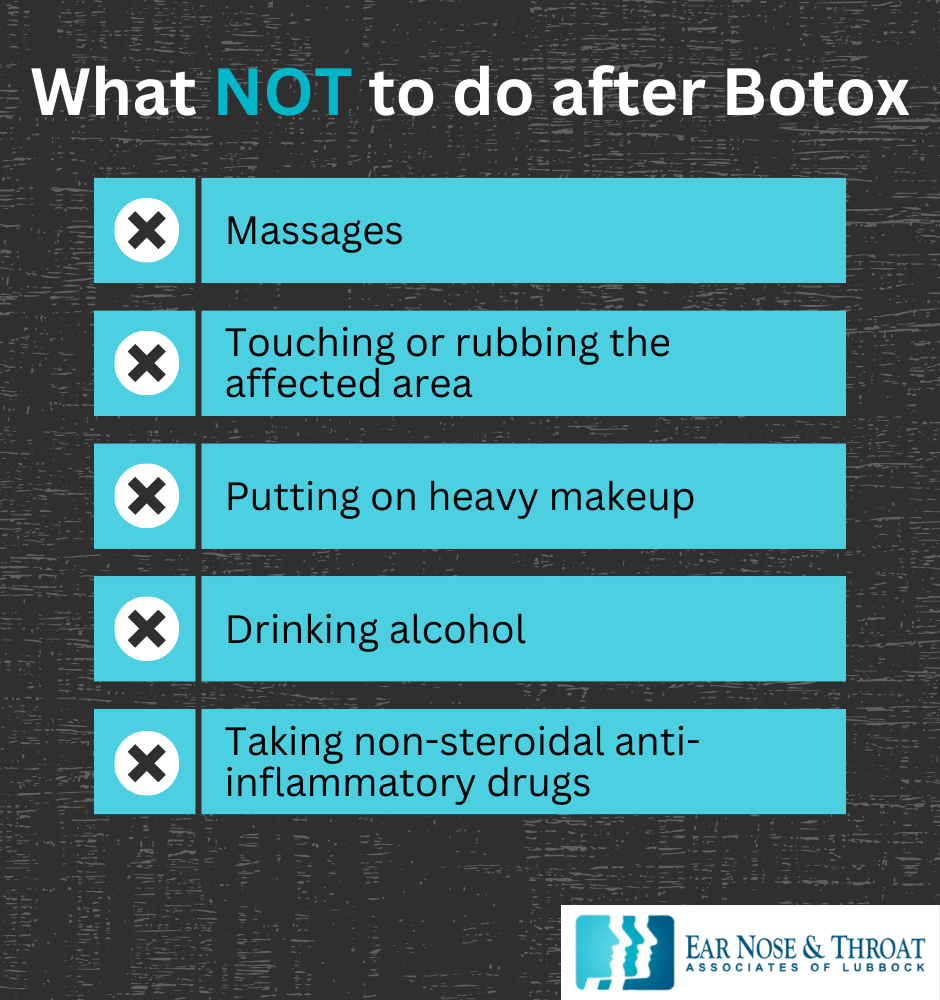
Image Source: www.entlubbock.com
Grasping What Botox Does
Before we talk about moving around, let’s quickly cover what Botox is. It’s a medicine made from a tiny amount of a substance called botulinum toxin. When a doctor puts it into specific muscles, it stops signals from your nerves to those muscles. This makes the muscles relax. In cosmetic use, this relaxation smooths out wrinkles and lines caused by muscle movement, like frown lines between the eyebrows or crow’s feet around the eyes. The effects are temporary, usually lasting three to six months.
Why Exercise After Botox Can Be Risky
Now, let’s get into why doctors tell you to take it easy. Exercise after botox risks are real and relate to how the product settles in your skin. When Botox is injected, it needs time to attach to the nerve endings in the target muscle. This attaching process isn’t instant. It takes a little while.
Here’s a simple way to think about it: Imagine putting a tiny drop of glue exactly where you want it. You wouldn’t shake that spot or push on it right away, would you? You’d let it dry and set. Botox is similar. It needs quiet time to settle in the right place and start working on the muscle.
If you exercise too soon, several things can happen that might mess things up.
- Increased Blood Flow: When you work out, your heart pumps harder, and blood rushes through your body faster. This includes the area where you got the Botox. More blood flow can potentially cause the Botox to spread away from the spot where it was injected.
- Pressure and Movement: Many exercises involve moving your facial muscles or putting pressure on your face (like lying on a yoga mat or using workout equipment). This physical disturbance can also push the Botox to a different area.
- Sweating: While less of a direct risk to the Botox itself, heavy sweating can sometimes be linked with increased blood flow and body temperature, contributing to the issues above.
These factors together explain why caution is needed. The goal is to keep the Botox right where the doctor put it so it works on the intended muscles only.
Exercise After Botox Risks: What Could Go Wrong?
So, what are the specific problems that can arise from exercising too soon? Knowing the exercise after botox risks helps you see why following the rules is important.
- Botox Migration: This is a big one. Exercise, especially intense exercise after botox, can cause the product to move from the intended injection site to nearby muscles. This is called migration. If Botox migrates, it can affect muscles you didn’t want treated.
- For example, if you got Botox for frown lines between your eyebrows, and it migrates down, it could affect the muscle that lifts your upper eyelid. This can lead to a droopy eyelid (ptosis), which is a bothersome side effect.
- Migration is a primary reason for Botox exercise restrictions. It’s not common if you follow the rules, but exercising too early raises the chance.
- Less Effective Results: Even if it doesn’t cause visible migration, increased blood flow might speed up the rate at which your body processes the Botox. This could potentially make the results not last as long or not be as strong as they should be.
- Bruising and Swelling: While minor bruising and swelling are sometimes normal after injections, exercise increases blood flow, which can make these side effects worse. It might lead to more noticeable bruises or swelling that take longer to go away.
- Delayed Results: In some cases, disturbing the area might just make it take longer for you to see the full effects of the Botox.
These potential issues are why medical professionals give clear guidelines on when you can return to your normal activities, especially exercise.
How Long After Botox Can You Exercise? Getting Specific
This is the question everyone asks: How long after botox can you exercise? The most common advice you’ll hear from practitioners is to wait at least 24 hours.
Here’s why 24 hours is the minimum standard:
- It gives the Botox enough time to start binding to the nerve receptors in the muscle. While the full effect takes a few days to appear, a significant amount of binding happens within the first 24 hours.
- It allows the injection sites to close up a bit, reducing the chance of external factors affecting the area.
However, some doctors recommend waiting even longer, suggesting 48 hours as the safest bet.
- Waiting 48 hours provides an extra layer of caution, giving the Botox even more time to settle firmly in place before being subjected to increased blood flow or movement.
- If you received a lot of injections, or if you are prone to bruising, waiting 48 hours might be especially wise.
Ultimately, the best advice on when can I workout after botox comes directly from the medical professional who performed your treatment. They know the specifics of your treatment area, the amount of Botox used, and your individual health profile. Always follow their specific post-treatment care instructions.
Botox Post-Treatment Care Exercise: What Activities to Avoid
During that initial waiting period (24 to 48 hours), what exactly should you avoid? Botox post-treatment care exercise guidelines are pretty clear: avoid any activity that significantly increases your heart rate, gets your blood pumping fast, or involves putting pressure on the treated areas.
Here’s a breakdown of activities to put on hold:
- Cardio: Running, jogging, cycling (especially intense spinning classes), aerobics, using elliptical machines, jump rope, etc. Anything that makes you breathe hard and gets your pulse pounding should be avoided.
- Strength Training: Lifting heavy weights, intense resistance exercises. These activities often involve straining or making strong facial expressions, and they significantly increase blood flow.
- High-Intensity Interval Training (HIIT): By definition, this involves periods of very intense exercise and high heart rate. Definitely avoid this.
- Yoga (Certain Types): While gentle stretching might seem okay, intense yoga, especially hot yoga or inversions (like headstands or handstands), should be avoided.
- Hot yoga increases body temperature and blood flow significantly.
- Inversions put direct pressure on the face and can increase blood flow to the head area.
- Can I do yoga after botox? Maybe gentle, restorative yoga after the waiting period, but definitely avoid intense forms or inversions for the first 24-48 hours.
- Pilates (Intense Forms): Similar to yoga, intense Pilates that significantly raises heart rate or involves positions that put pressure on the face should be avoided.
- Any activity where your head is below your heart for long periods.
- Activities involving face masks or tight headbands that put pressure on treated areas.
Think of the first 24-48 hours as essential quiet time for the Botox. Your body should be at rest or doing only very light, gentle movements.
How Soon Can I Exercise After Botox? Listening to Your Body
While the standard advice is 24-48 hours, how soon can I exercise after botox might also depend on how you feel. However, it’s critical not to jump back in before the minimum recommended time just because you feel fine. The risks of migration and reduced effectiveness are about the product settling, not necessarily how you feel.
Once the waiting period is over (the time your doctor told you), you can generally start reintroducing exercise gradually.
- Day 1-2 (Post-Wait Period): Maybe start with a brisk walk. See how you feel.
- Day 3 Onwards: You can typically return to your normal exercise routine.
It’s still wise to be mindful of the treated areas. Avoid rubbing or pressing on them hard, especially in the first few days after treatment.
Intense Exercise After Botox: A Separate Consideration
We’ve touched on intense exercise, but it’s worth highlighting specifically. Intense exercise after botox is riskier than light activity within the restricted period.
- High heart rate = More blood flow = Higher chance of product spreading.
- Straining = More facial muscle contractions (even involuntary ones) = Potential disturbance to settling Botox.
- Sweating and increased body temperature = Can be linked to increased blood flow issues.
If your usual routine involves significant cardiovascular effort, heavy lifting, or high-intensity intervals, strictly sticking to the 24-48 hour waiting period is especially important. Don’t try to “test the waters” with intense activity before the recommended time is up. It’s just not worth risking your results.
Why Can’t You Exercise After Botox? Deciphering the Science Simply
Let’s simplify the “why” even more. Why can’t you exercise after botox?
- Botox needs to bind: The Botox molecules need to connect to specific spots on your nerve endings near the muscle. This connection is like a lock and key. It takes time for enough locks and keys to find each other and link up.
- Movement can disrupt binding: If you move the area a lot or increase blood flow, it’s like shaking the table while the locks and keys are trying to connect. It can make it harder for them to link properly.
- Increased blood flow can spread it: The fluid containing the Botox is very thin. If blood is rushing through the area faster than normal, it can pick up some of that fluid and carry it away from the intended spot before it’s had a chance to bind fully.
- Pressure can push it: Physical pressure on the skin can also push the fluid containing the Botox away from the target muscle.
So, resting helps the Botox stay put and bind correctly, ensuring it works on the intended muscles and gives you the smooth look you want, without affecting nearby muscles.
Botox Exercise Restrictions: A Quick Summary
To make it easy, let’s sum up the key Botox exercise restrictions for the initial period after your treatment (usually 24-48 hours).
| Activity Type | Restriction Level | Notes |
|---|---|---|
| Running/Jogging | Avoid | High cardio, increased blood flow. |
| Weight Lifting | Avoid | Increased blood flow, straining, potential facial expressions. |
| HIIT | Avoid | Very high intensity, significant blood flow increase. |
| Hot Yoga/Inversions | Avoid | Increased temperature, blood flow, pressure on face. |
| Intense Cycling | Avoid | High cardio, increased blood flow. |
| Swimming (Vigorous) | Avoid | Cardio, also consider pressure from goggles if applicable. |
| Gentle Walking | Generally Okay | Low intensity, minimal impact on blood flow or treatment area. |
| Gentle Stretching | Generally Okay | As long as it doesn’t involve pressure on the face or inversions. |
Note: Always check with your practitioner for personalized advice.
The main takeaway is: avoid anything that significantly elevates your heart rate or involves putting pressure on or excessively moving the treated areas for the first 24-48 hours.
What Happens If You Exercise Too Soon?
Okay, you messed up. You forgot or didn’t know, and you exercised too soon. What happens?
- Increased Risk of Migration: This is the primary concern. The chance of the Botox moving to an unintended muscle goes up.
- Potential for Droopy Eyelid or Eyebrow: If the Botox migrates near the eye area, it can cause drooping. This is usually temporary but can last for several weeks or months until the Botox wears off.
- Less-Than-Ideal Results: Your wrinkles might not smooth out as much as they should, or the effects might wear off faster. The treatment might just not be as effective because the product didn’t settle correctly.
- More Bruising/Swelling: You might see more or longer-lasting bruises and swelling at the injection sites.
It’s important not to panic if you did exercise early. The risks go up, but it doesn’t guarantee a bad outcome. If you notice any unusual symptoms (like a droopy eyelid, asymmetry, or unexpected weakness in a muscle), contact your practitioner right away. They can assess the situation and advise you.
But prevention is key! Following the post-treatment instructions is the easiest way to avoid these issues.
Prioritizing Botox Post-Treatment Care Exercise Guidelines
Your doctor or nurse will give you specific instructions after your Botox session. These are crucial. They aren’t just suggestions; they are designed to protect your results and prevent side effects. Botox post-treatment care exercise is just one part of these instructions, but it’s an important one.
Other typical post-treatment care tips include:
- Avoid rubbing or massaging the treated areas for at least 24 hours. This is similar to the exercise rule – you don’t want to manually push the product around.
- Stay upright for a few hours after the injections (some practitioners recommend 2-4 hours). This helps prevent pressure and gravity from potentially causing the product to spread downwards.
- Avoid wearing tight hats or headbands that press on the treated forehead area.
- Avoid lying down flat for a few hours (again, typically 2-4).
- Do specific facial exercises if recommended by your doctor. Sometimes, practitioners suggest gently moving the treated muscles (e.g., frowning, smiling) in the hours after injection to help the Botox work its way into the muscle fibers. Ask your doctor if they recommend this.
- Avoid alcohol for 24 hours, as it can increase bruising.
- Avoid saunas, hot tubs, and tanning beds for 24-48 hours, as heat can increase blood flow.
Combining all these instructions with the exercise restrictions gives you the best chance for a successful treatment with beautiful, smooth results.
Grasping Why Patience is Key
In today’s fast-paced world, waiting 24 or 48 hours to exercise might feel inconvenient. But when it comes to Botox, patience really is a virtue. The few hours or couple of days you take off from your workout routine is a tiny sacrifice for potentially months of great results.
Think about the investment you’ve made, both in time and money, for your Botox treatment. Taking a short break from exercise is a small step to protect that investment and ensure you get the look you want without complications like migration or reduced effectiveness.
Varying Advice: Why Your Doctor’s Word is Final
You might read different recommendations online – some saying just 4 hours, others saying 72 hours. So, why the variation?
- Practitioner Experience: Different practitioners have different levels of experience and comfort with the treatment. Some may be more conservative based on their history of seeing complications.
- Treatment Area: The rules might be slightly more flexible or strict depending on where you got the Botox. Treating crow’s feet might have slightly different considerations than treating forehead lines.
- Amount of Botox: A higher dose might require more caution.
- Individual Factors: Your own tendency to bruise, your skin type, and your overall health might influence your practitioner’s advice.
This is precisely why the most reliable source of information is the person who performed your injections. They tailored the treatment plan for you and should provide post-care specific to your situation. Always ask them directly: “How long after botox can I exercise?” and “What specific exercises should I avoid?”
Deciphering the Role of Different Exercise Types
Let’s look a bit closer at specific types of exercise and the risk they pose.
- Low-Impact Activities (Walking, Gentle Stretching): These generally pose minimal risk after the initial recommended waiting period (24-48 hours). During the waiting period itself, even these should be very light – think walking to your car, not a power walk.
- Moderate Cardio (Brisk Walking, Light Cycling): Once your practitioner says it’s okay (e.g., after 24 hours), these are usually fine. They raise your heart rate but not dramatically.
- High-Impact / High-Intensity Activities (Running, HIIT, Heavy Lifting): These carry the highest risk due to significant increases in blood flow and potential for straining or facial movement. Adhering strictly to the 24-48 hour wait is crucial for these. Intense exercise after botox too soon is where you are most likely to encounter problems.
- Yoga and Pilates: As discussed, focus on type. Gentle, restorative practices without inversions or intense core work are lower risk after the waiting period. Hot yoga and anything involving inversions are higher risk and should be avoided for the recommended time frame. Can I do yoga after botox? Yes, eventually, but choose wisely in the first few days.
Planning Your Workout Around Your Botox Appointment
Knowing that you need to avoid exercise for a day or two makes scheduling easy.
- Option 1 (Ideal): Get your Botox on a rest day or the day before a planned rest day. This gives you the needed downtime without disrupting your usual routine much.
- Option 2: If you must exercise before your appointment, do it well in advance, perhaps earlier that day, giving your body time to return to a normal state before the injections.
- Option 3: If you have a workout scheduled for the day of or day after your appointment, be prepared to cancel or reschedule it.
A little planning ensures you don’t face the temptation to exercise too soon.
Addressing Common Concerns
- What if I accidentally exercised? Don’t panic. Watch for symptoms like drooping or unexpected muscle weakness. Contact your practitioner if you’re concerned or notice anything unusual.
- Will exercising make the Botox wear off faster? While increased blood flow might theoretically speed up metabolism slightly over time, the main concern with exercising too soon is migration and poor initial results, not necessarily rapid wearing off months down the line. However, consistent, very intense exercise might potentially impact longevity compared to a sedentary lifestyle, but the acute risk is in the first 24-48 hours.
- Can I walk home from my appointment? Yes, gentle walking is generally fine. The concern is strenuous activity.
- Does getting Botox in different areas change the rules? The core principle of avoiding strenuous activity for 24-48 hours usually applies regardless of where you got injections (forehead, crow’s feet, etc.). Always confirm with your doctor.
The Importance of Choosing a Qualified Practitioner
Following post-treatment care instructions is only one part of a successful Botox experience. Choosing a qualified, experienced medical professional is the first and most important step. A good practitioner will:
- Assess your needs properly.
- Inject the Botox correctly and safely.
- Use genuine, high-quality product.
- Provide clear, easy-to-follow post-treatment instructions, including specific guidance on exercise after botox.
- Be available to answer your questions and address any concerns after your treatment.
Don’t hesitate to ask your practitioner about their experience and qualifications. Your safety and results are paramount.
In Conclusion: Play It Safe for Great Results
To wrap up, the answer to “Can you exercise after getting Botox?” is a clear no, not immediately. You need to observe specific Botox exercise restrictions for at least 24-48 hours. This waiting period is not arbitrary; it’s based on how the product works and the potential exercise after botox risks, primarily migration.
Respecting the recommended downtime, avoiding intense exercise after botox, and following all your practitioner’s post-treatment care exercise instructions are the best ways to protect your results, avoid complications like a droopy eyelid, and ensure you get the smooth, refreshed look you desired from your treatment.
A temporary break from your workout is a small price to pay for successful Botox results. Listen to your practitioner, be patient, and enjoy the outcome!
Frequently Asked Questions (FAQ)
h4 What is the absolute minimum time I must wait before exercising after Botox?
Most practitioners recommend waiting at least 24 hours. Some suggest 48 hours for extra safety. Always follow your doctor’s specific advice.
h4 Why can’t I do yoga right after Botox?
Intense yoga, especially hot yoga or poses where your head is below your heart (inversions), can significantly increase blood flow to the face and put pressure on the treated areas. This raises the risk of Botox migration. Gentle, restorative yoga might be okay after the standard waiting period, but avoid intense forms initially.
h4 Can I walk on a treadmill after Botox?
Gentle walking (like a stroll) is usually fine after the waiting period. However, if you mean a brisk walk or incline that raises your heart rate significantly, treat it like moderate cardio and wait the recommended 24-48 hours.
h4 What are the signs that Botox has migrated due to exercise?
Signs of migration can include a droopy eyelid, a lowered eyebrow, or unexpected weakness in muscles far from the injection site. Contact your practitioner immediately if you notice these symptoms.
h4 Will light stretching affect my Botox?
Gentle stretching that doesn’t involve putting pressure on your face or inversions is generally considered low risk after the 24-48 hour waiting period. During the waiting period, keep activity very minimal.
h4 Does drinking water or eating differently matter for exercise after Botox?
While staying hydrated is always good, dietary changes or increased water intake won’t directly affect the risk of Botox migration from exercise. The key factors are increased blood flow, pressure, and movement in the treated area.
h4 I forgot and did a light workout a few hours after my Botox. What should I do?
Don’t panic. Stop the workout immediately. Watch closely for any unusual symptoms like drooping or asymmetry in the coming days and weeks. If you notice anything concerning, contact your practitioner. But remember, exercising too early increases risk, it doesn’t guarantee a bad result. Just be more careful with post-care going forward.
h4 How long do I need to follow Botox exercise restrictions?
The strict restrictions apply for the first 24-48 hours. After this period, you can generally return to your normal routine as long as you feel comfortable and have no other specific instructions from your doctor.
h4 Can heat from exercise affect Botox?
Increased body temperature and blood flow from intense exercise can potentially contribute to the issues of product diffusion or migration in the initial hours after injection. Avoiding saunas, hot tubs, and intense exercise that causes significant heat buildup is part of standard post-care for this reason.
h4 Does the type of Botox matter for exercise restrictions?
The exercise restrictions generally apply to all neurotoxin injectables used for cosmetic purposes (like Botox, Dysport, Xeomin, Jeuveau). The mechanism of action and settling time are similar enough that the same post-care caution is advised. Always follow the specific instructions for the product you received.