
Can you turn a garage into a gym? Yes, absolutely! Turning your garage into a home gym is a smart way to save time and money on gym memberships and travel. It gives you a dedicated space to work out right at home. This guide will walk you through how to build your own garage gym step by step, covering everything from planning to equipment and costs. It’s a popular DIY garage gym project that many people take on.
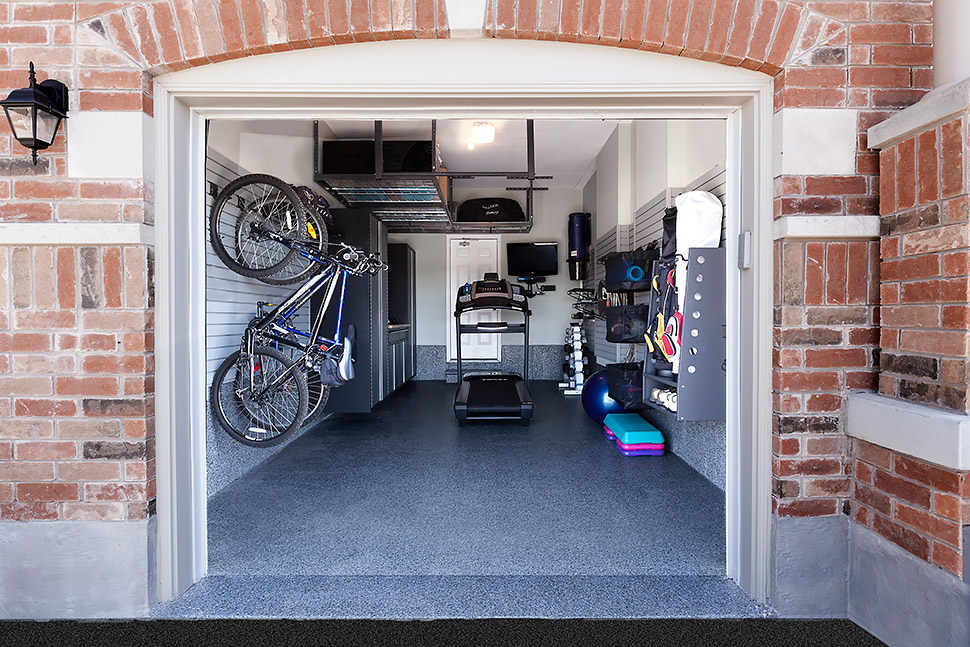
Image Source: www.garageliving.com
Planning Your Garage Gym
The first step in building a home gym in your garage is thinking it all through. This isn’t just about clearing out junk. It’s about making a space that works for you and your fitness goals. Proper planning a garage gym makes a big difference.
Figuring Out Your Space
Look at your garage. How much space do you really have? Will you use the whole garage or just a part of it? Do you still need to park a car inside? Measure the area you plan to use. Write down the length, width, and height.
Think about doors, windows, and where power outlets are. These things affect your layout. If you have a small garage, don’t worry. There are lots of small garage gym ideas that make good use of tight spots. You can still fit essential gear.
Setting Your Fitness Goals
What kind of workouts do you like? Or what kind do you want to do?
- Lifting weights? You’ll need space for a rack, barbell, and weights.
- Cardio? You might want a treadmill, bike, or rower.
- Bodyweight exercises, yoga, or HIIT? You’ll need open floor space.
Your goals shape the equipment you’ll need and how much space it takes up. Don’t try to fit everything in. Focus on the things you’ll actually use regularly.
Figuring Out Your Budget
Knowing your garage gym conversion cost is key. Building a home gym can be cheap or expensive. It depends on how much work you do yourself and the equipment you buy.
Make a list of possible costs:
- Cleaning and repairs
- Flooring
- Insulation or climate control
- Lighting and electrical work
- Paint
- Equipment
- Storage
Set a budget range. This helps you make choices later. You can start small and add more over time. A DIY garage gym approach can often save you money on labor.
Getting the Space Ready
Once you’ve planned, it’s time to get your garage ready. This involves cleaning, clearing, and checking the structure.
Clearing Everything Out
Take everything out of the garage. Yes, everything. This gives you a fresh start. It also helps you see the space clearly.
Sort the items you take out. Decide what to keep, donate, sell, or throw away. This is a good chance to declutter. You want a clean, open space for your gym.
Cleaning the Garage
Garages get dirty. There’s often dust, oil stains, and maybe even mold or pests. Give the space a deep clean.
- Sweep the floor well.
- Use a degreaser on any oil or grease spots.
- Wash down the walls and ceiling if needed.
- Check for cobwebs and insects.
- Address any smells. Good airflow helps.
A clean space is nicer to work out in. It also helps protect your equipment.
Checking the Garage Structure
Look closely at the walls, ceiling, and floor. Are there any cracks in the concrete? Any water stains on the walls or ceiling? Is there any damage to the drywall or wood?
Check the garage door. Does it work right? Is it sealed well?
Fix any problems you find now. Water leaks or structural issues need to be sorted out before you build your gym. Ignoring them can cause bigger problems later.
Making a Better Gym Environment
Garages can be cold, hot, or damp. Making the environment right is important for comfort and protecting your gear. This includes thinking about the floor, temperature, and light.
Figuring Out Garage Gym Flooring
The concrete floor in most garages is hard. It’s not great for your body, especially your joints. It can also damage equipment if you drop weights. Adding garage gym flooring is a must for comfort, safety, and noise reduction.
Here are common options for best flooring for garage gym:
- Rubber Mats/Tiles: These are popular. They are tough, absorb shock, and protect the floor.
- Pros: Durable, good protection, easy to install (tiles), absorb noise.
- Cons: Can be heavy, might smell rubbery at first, quality varies.
- Good for: Lifting weights, general use.
- Foam Tiles: Softer than rubber. Often used for areas needing more cushion.
- Pros: Lighter, cheaper than rubber, easy on joints for bodyweight.
- Cons: Less durable than rubber, can tear, less protection for dropped weights, not good under heavy machines.
- Good for: Yoga, Pilates, stretching, bodyweight workouts. Not heavy lifting areas.
- Wood Flooring (like Plywood): Building a raised platform with plywood is great for serious weightlifting. It offers a solid, stable base.
- Pros: Very stable, good for deadlifts/heavy lifts, can be built with shock absorption layers.
- Cons: More work to build, can be expensive depending on materials.
- Good for: Powerlifting, Olympic lifting. Often combined with rubber on top.
- Carpet/Carpet Tiles: Not ideal for sweaty workouts or dropped weights.
- Pros: Can add some softness, relatively cheap.
- Cons: Hard to clean, holds smells, offers little protection for floor or joints during high impact/weight drops.
- Good for: Maybe light cardio or stretching if you already have it and are on a tight budget, but not recommended for a dedicated gym.
For most garage gym setup projects, a combination works best. Use thick rubber mats where you lift weights. Use slightly softer flooring for cardio or bodyweight areas. Think about how you’ll use each part of the space. The garage gym flooring you choose affects comfort, safety, and the life of your equipment.
| Flooring Type | Pros | Cons | Best Use Cases |
|---|---|---|---|
| Rubber Mats/Tiles | Durable, good shock/noise absorb, protects | Heavy, initial smell, costlier than foam | Weightlifting, general use |
| Foam Tiles | Soft, easy on joints, cheap | Less durable, not for heavy weights, tears | Yoga, Pilates, bodyweight |
| Plywood Platform | Very stable, ideal for heavy lifting | Requires building, can be complex/costly | Powerlifting, Olympic lifting |
| Carpet/Carpet Tiles | Cheap (if existing), some softness | Hard to clean, holds smell, poor protection | Not recommended for most gym activities |
Insulating and Controlling Temperature
Garages are often not insulated well. This means they get very hot in summer and very cold in winter. This makes working out uncomfortable. It can also be bad for your equipment (rust on metal, damage to electronics). Insulating garage for gym is important if you live in a place with big temperature swings.
- Insulation: Add insulation to walls and the ceiling. This helps keep the temperature more stable. You can do this yourself or hire someone.
- Ventilation: Good airflow is a must. Open windows or install a fan. A ceiling fan helps move air around. Consider an exhaust fan to remove humid air and smells.
- Heating/Cooling: A small space heater or a window AC unit can help in extreme weather. For a more permanent solution, look into mini-split systems. They heat and cool efficiently.
Having a comfortable temperature makes you more likely to use your gym regularly. It’s an important part of the garage gym setup.
Brightening Up the Space
Most garages have poor lighting. You need bright, even light to work out safely. You don’t want shadows hiding trip hazards or making it hard to see what you’re doing.
- Add more light fixtures. LED lights are energy-efficient and bright.
- Make sure lights are spread out to cover the whole space.
- Consider where your equipment will be. You might need extra light near a rack or cardio machine.
Good lighting makes the space feel better. It also makes it safer.
Choosing Your Gym Equipment
This is where the fun begins! Picking home gym equipment for garage depends on your goals, space, and budget.
Picking the Right Gear
Don’t buy equipment just because it looks cool. Choose pieces that match your fitness plan.
- Start Simple: You don’t need everything at once. Begin with basics.
- Quality Over Quantity: It’s better to have a few good pieces than lots of cheap ones that might break.
- Think About Space: Get equipment that fits your garage size.
Essential Items to Start
For many people, a basic setup includes:
- Barbell and Weight Plates: Good for many exercises (squats, deadlifts, bench press).
- Weight Bench: Adjustable benches offer more exercise options.
- Dumbbells or Kettlebells: Free weights are versatile. Adjustable ones save space.
- Pull-up Bar: Can be mounted on a wall or ceiling, or part of a rack.
- Resistance Bands: Cheap, portable, and great for warm-ups, cool-downs, and extra resistance.
This is a solid base for many workout types.
Space-Saving Equipment Ideas
If you have limited space, these small garage gym ideas can help:
- Power Rack or Squat Stand: Look for folding or wall-mounted versions. They save space when not in use.
- Adjustable Dumbbells: A single pair replaces a whole rack of weights.
- Wall-Mounted Storage: Hang plates, bars, bands, and other gear on the wall. This frees up floor space.
- Folding Cardio Machines: Some treadmills and bikes fold up.
- Suspension Trainer (like TRX): Attaches to the ceiling or wall. Uses body weight and takes up almost no space.
Plan your garage gym setup layout based on the equipment you choose. Leave enough room around machines or racks for safe movement.
Setting Up Your Gym Space
With the space prepped and equipment ready, it’s time to set it all up. This is where your building a home gym project really comes together.
Placing Equipment Safely
Think about how you’ll use the space during a workout.
- Put racks and heavy machines against a wall if possible.
- Leave plenty of clear space in front of racks or benches for lifting.
- Make sure you have room to safely step away from a treadmill or other cardio machine.
- Keep walkways clear. Don’t block doors or access points.
- Ensure you have enough height clearance for overhead presses or jumping.
Safety is the most important thing in your garage gym setup.
Safety First
Working out at home means you’re responsible for your own safety.
- Secure Equipment: Make sure any bolted-down equipment (like racks) is installed correctly.
- Use Spotter Arms/Safety Bars: If you have a rack, use the safety features when lifting heavy.
- Good Form: Learn how to do exercises right to avoid injury.
- Cleanliness: Keep the floor clear of clutter to prevent tripping. Wipe down equipment after use.
- First Aid: Have a basic first-aid kit nearby.
Storage Solutions
A messy gym is hard to use and can be dangerous. Plan for storage.
- Weight Racks: For dumbbells, kettlebells, and plates.
- Barbell Holder: Store barbells vertically or horizontally on the wall.
- Shelves/Cabinets: For bands, jump ropes, towels, cleaning supplies, and other small items.
- Pegboards: Great for hanging smaller accessories.
Keeping things organized makes your gym more usable and looks much better. It’s a key part of a good garage gym setup.
Thinking About the Cost
Let’s talk more about the money part. The garage gym conversion cost varies a lot. It depends on the condition of your garage, how much renovation you do, and what equipment you buy.
Breaking Down Expenses
Here’s a look at potential costs:
- Renovation/Prep:
- Cleaning supplies: $20 – $50
- Repairs (concrete patch, drywall): $50 – $300+
- Paint: $50 – $200
- Flooring (rubber mats): $2 – $8 per square foot. For a two-car garage (around 400 sq ft), this could be $800 – $3200. For a smaller area, much less.
- Insulation: $500 – $2000+ depending on size and type.
- Climate Control (fan, portable AC/heater, mini-split): $50 – $3000+
- Lighting: $100 – $500+
- Equipment: This is the biggest variable.
- Basic Set (adjustable bench, barbell, plates, dumbbells): $500 – $1500+
- Adding a Rack: $300 – $1000+
- Cardio Machine: $200 – $2000+
- Accessories (bands, jump rope, etc.): $50 – $200+
A very basic setup with minimal renovation might cost $1000 – $2000. A fully renovated space with quality equipment could easily be $5000 – $10000 or more. Your garage gym conversion cost is really up to you and your choices.
Saving Money with DIY
Doing the work yourself greatly reduces the garage gym conversion cost. Painting, cleaning, installing simple flooring like rubber mats, and setting up equipment are all things many people can do.
Buying used equipment is another big money saver. Check local listings (like Craigslist, Facebook Marketplace) for used weights, benches, and even machines. Just inspect them carefully before buying.
You can also build some things yourself, like a simple weight platform or storage racks, if you’re handy. This makes it a true DIY garage gym project.
Tips for a Successful DIY Garage Gym
Here are some final tips to help your building a home gym project go smoothly.
- Start Small: You don’t need a perfect gym from day one. Get the basics, start working out, and add more later.
- Measure Twice, Buy Once: Especially for equipment and flooring. Make sure everything fits before you spend money.
- Ventilation is Key: Seriously. Garages can get stuffy and humid. Plan for airflow from the start.
- Think Long Term: Choose durable equipment that will last. Good garage gym flooring protects your floor and your body for years.
- Make it Yours: Paint it a color you like. Add motivational posters. Make it a space you enjoy being in.
- Don’t Forget the Details: A good sound system, a mirror, or a timer can enhance your workouts.
- Safety Checks: Regularly check your equipment to make sure it’s in good condition. Tighten bolts on racks or benches.
Turning a garage into a gym is a rewarding project. It gives you a private, convenient place to focus on your fitness. With good planning a garage gym, smart choices on home gym equipment for garage, and effort on the DIY garage gym aspects like garage gym flooring and possibly insulating garage for gym, you can create an amazing workout space. The garage gym conversion cost is an investment that pays off in saved time and gym fees, and most importantly, in your health.
Ideas for Small Garage Gyms
Having a small garage doesn’t mean you can’t have a great home gym. You just need to be smart about how you use the space and the equipment you choose. Here are more small garage gym ideas:
- Vertical Space: Think up! Use wall-mounted racks for weights, bars, and storage. This keeps the floor clear.
- Folding Equipment: As mentioned, folding racks and cardio machines are lifesavers in small spaces.
- Multi-Use Equipment: Choose items that do more than one thing. An adjustable bench is better than a flat one. A rack that includes a pull-up bar saves space.
- Minimalist Approach: Focus on highly versatile tools. Kettlebells, resistance bands, and a jump rope take up almost no space but allow for a wide range of exercises. A single set of adjustable dumbbells can replace many pairs.
- Use the Driveway: For some exercises, like jump rope or certain cardio drills, you can step outside if weather permits. This frees up indoor space.
- Smart Layout: Plan your garage gym setup so that one piece of equipment doesn’t block access to another or take up essential open space needed for bodyweight exercises.
- Good Lighting and Mirrors: These don’t save space physically, but they can make a small space feel bigger and brighter. Mirrors are also great for checking your form.
Even a single car garage or just a section of a garage can be turned into an effective workout zone with careful planning a garage gym and smart choices about home gym equipment for garage. Don’t let a lack of space stop you from building a home gym.
Frequently Asked Questions
Q: How much does it cost to turn a garage into a gym?
A: The garage gym conversion cost varies a lot. A basic setup with minimal changes can be $1,000 – $2,000. A fully renovated space with high-end equipment can cost $5,000 – $10,000 or more. It depends on how much renovation you do and the cost of the equipment you choose.
Q: What is the best flooring for a garage gym?
A: Rubber mats or tiles are generally considered the best flooring for garage gym use, especially for areas where you lift weights. They provide good protection for the concrete floor and your joints, absorb shock and noise, and are durable. Foam tiles can work for lighter activities but aren’t suitable for heavy weights. Plywood platforms are excellent for heavy lifting areas.
Q: Do I need to insulate my garage for a gym?
A: Insulating garage for gym use is highly recommended if you live where temperatures get very hot or very cold. Insulation helps keep the temperature stable, making it more comfortable to work out year-round. It also helps protect your equipment from extreme temperatures and humidity.
Q: What essential equipment do I need for a garage gym setup?
A: Essential home gym equipment for garage often includes a barbell and weight plates, a weight bench, dumbbells or kettlebells, and a pull-up bar. The exact items depend on your workout goals. For small garage gym ideas, consider adjustable dumbbells, folding racks, and wall-mounted storage.
Q: Can I build a garage gym myself (DIY)?
A: Yes, absolutely! Many people build their DIY garage gym. Tasks like cleaning, painting, installing basic flooring, and setting up equipment are all manageable DIY jobs. Doing the work yourself is a great way to save money on the garage gym conversion cost. Some tasks like electrical work or complex structural changes might require professional help.
Q: How can I save space in a small garage gym?
A: For small garage gym ideas, focus on vertical space (wall-mounted storage, racks), folding equipment, and multi-use items like adjustable dumbbells or benches. Choose versatile equipment like kettlebells and resistance bands that take up little room. Careful planning of your garage gym setup is also key to using the space effectively.
Q: How important is ventilation in a garage gym?
A: Ventilation is very important. Garages can get stuffy, humid, and hold smells. Good airflow helps keep the air fresh, prevents mold and mildew, and makes working out more comfortable. Use fans, open windows, or consider installing an exhaust fan.
Q: What are common mistakes when building a garage gym?
A: Common mistakes include not planning properly, underestimating the garage gym conversion cost, buying the wrong type or amount of equipment for the space, skipping essential steps like cleaning and structural checks, and not thinking about temperature control or ventilation. Not using the right garage gym flooring is another mistake that can lead to discomfort or damaged equipment.