
After a cortisone shot, you might wonder, “How long after cortisone shot can I exercise?” The answer depends on your body, the area of the shot, and why you got it. Most doctors advise you to rest for at least a few days, often between 3 to 7 days. This rest helps the medicine work and stops you from hurting the area more. It is key to let the spot heal and to listen to your doctor’s advice.
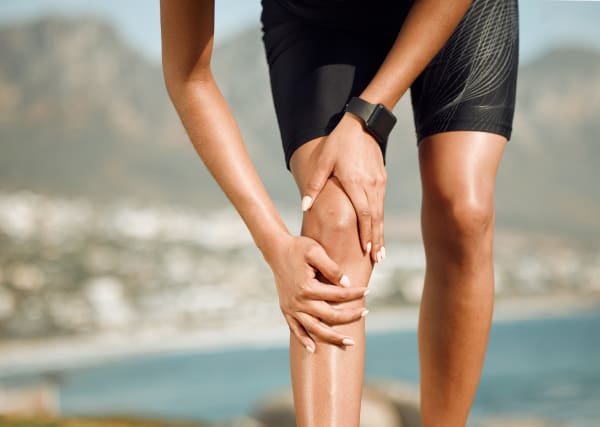
Image Source: foreverfitptw.com
What is a Cortisone Shot?
A cortisone shot is a common treatment. Doctors use it to ease pain and swelling in a specific part of your body. It is a strong anti-inflammatory medicine. It helps calm down painful joint issues, tendon problems, or bursitis. Cortisone is a type of steroid. It is like the natural cortisol your body makes. When injected, it goes right to the painful spot. This helps lower the swelling there. Less swelling often means less pain. But the shot does not fix the root cause of the problem. It just helps with the symptoms for a time.
Immediate Aftercare: The First 24-48 Hours
The first day or two after your cortisone shot are very important. This time helps the medicine spread and start working. It also gives your body a chance to settle down.
Rest is Key
Right after the shot, it is vital to rest the treated area. Do not use the joint or body part too much. For example, if you had a knee shot, try not to walk a lot. If it was a shoulder shot, avoid lifting your arm high.
Ice Application
Some people feel more pain or have swelling right after the shot. This is often called a “cortisone flare.” It usually lasts a day or two. Putting ice on the area can help. Wrap an ice pack in a thin towel. Place it on the spot for 15-20 minutes at a time. Do this a few times a day.
Avoiding Strenuous Activity
For the first 24 to 48 hours, avoid hard activities. Do not lift heavy things. Do not run or jump. Skip any exercise that puts a lot of stress on the shot area. This quiet time helps prevent more swelling. It also helps the medicine start its work.
Pain Management After Cortisone Injection (Initial)
You might feel more pain at first. This is normal. Your doctor might suggest simple pain relievers. These could be acetaminophen (like Tylenol) or ibuprofen (like Advil). Do not take strong pain pills unless your doctor tells you to. The goal is to ease any immediate discomfort. But do not use this initial pain relief as a reason to push yourself. Your body still needs time to rest.
Early Swelling and Exercise After Cortisone
It is common to see some swelling or feel heat around the shot area. This is part of the “flare” reaction. Do not exercise if you have a lot of swelling or pain. Exercising too soon can make the swelling worse. It can also cause more injury. Always wait for these initial signs to go down.
Grasping the Healing Process After a Cortisone Shot
A cortisone shot helps with pain and swelling. But it does not instantly fix the problem that caused the pain. The medicine reduces inflammation. This gives your body a chance to heal. But the actual healing takes time. It involves your body repairing damaged tissues.
Not a Quick Fix
Think of the shot as buying you time. It eases the pain. This lets you move the area more easily. It also lets you do rehab exercises. But the shot itself does not regrow cartilage. It does not mend a torn tendon. Your body still needs to do that work. This means the cortisone injection recovery time involves more than just waiting for the pain to go away.
Tissue Repair
For true healing, your body’s cells need to repair. They need to rebuild damaged tissues. This process is slow. It can take weeks or even months. The shot just helps create a better environment for this repair. It does so by calming down the inflammation.
Why Patience Matters
If you push too hard too soon, you can hurt the area again. You might even make the original problem worse. This is why following post-cortisone shot activity guidelines is so important. Your body needs quiet time to begin repairing itself. It needs time to accept the medicine’s help.
General Exercise Restrictions After Cortisone Shot
After your shot, certain activities are off-limits for a while. These rules help protect the treated area. They prevent more damage.
What to Avoid Right Away
- Heavy Lifting: Do not lift anything heavy. This puts strain on many body parts, especially joints.
- High-Impact Activities: Skip running, jumping, or sports with sudden stops and starts. These can jar the injected joint.
- Repetitive Movements: Avoid actions that use the treated area over and over. If it was your elbow, do not swing a golf club. If it was your knee, do not climb many stairs.
- Deep Bends or Twists: Do not bend or twist the injected joint too much. This can put stress on the area.
Post-Cortisone Shot Activity Guidelines (General)
- Listen to Your Body: This is the most important rule. If something hurts, stop. Do not push through pain.
- Start Slowly: When you do begin to move more, do it little by little.
- Follow Doctor’s Orders: Your doctor knows your specific case best. They will give you exact advice. Write it down if you need to.
- Think About Weight Bearing: If the shot was in a leg joint (like knee or ankle), try to stay off it. Use crutches if your doctor tells you to.
When Can I Resume Physical Activity After Cortisone Injection?
This is the big question for many people. Knowing when can I resume physical activity after cortisone injection is key to a good recovery.
Initial Rest Period
Most doctors suggest a rest period of 3 to 7 days. This means no hard exercise or activities that strain the injected area. Some doctors might say 24-48 hours. Others might say a full week. Always check with your own doctor.
Gradual Return to Activity
After the rest period, you should not jump back into your full routine. You need to go slow.
Table 1: General Activity Progression After Cortisone Shot
| Time After Shot | Recommended Activity Level | What to Avoid |
|---|---|---|
| First 24-48 Hours | Mostly rest, light daily activities (walking short distances) | Strenuous exercise, heavy lifting, high-impact activities |
| Days 3-7 | Gentle movement, light stretching (if no pain), walking | Still avoid high-impact, running, heavy weights |
| Week 2+ | Slowly increase activity, low-impact exercise. Listen to pain. | Rapid increase in intensity, pushing through pain |
| Beyond 2 Weeks | Gradual return to sports/harder exercise, with doctor’s OK. | Ignoring pain, returning to full activity too fast |
Importance of Doctor’s Advice
Your doctor will give you the best advice for your specific situation. The time frame can change based on:
* Where the shot was: A knee shot might need more rest than a shoulder shot.
* Why you got the shot: A severe injury needs more care than mild swelling.
* Your body’s response: Some people heal faster than others.
Always talk to your doctor before you start any new exercise after a cortisone shot. They might want you to see a physical therapist too.
Activity-Specific Guidance
How you return to activity depends on what you want to do. Different types of exercise put different stress on your body.
Weightlifting After Cortisone Injection
You must be very careful with weightlifting after a cortisone shot. Lifting weights can put a lot of force on your joints and muscles.
- Wait at Least 1-2 Weeks: Most doctors say wait at least 7 to 14 days before lifting weights. If the shot was in a major joint used in lifting, you might need to wait longer.
- Start Very Light: When you do go back, use very light weights. Focus on many reps with low weight. Do not try to lift your usual heavy loads.
- Avoid the Injected Area: If you had a shoulder shot, avoid shoulder presses. If it was a knee shot, skip squats with heavy weight.
- Focus on Form: Make sure your lifting form is perfect. Bad form can lead to new injuries.
- Listen to Your Body: If you feel any pain, stop. Reduce the weight or stop the exercise.
Running After Cortisone Shot
Running puts a lot of impact on your joints, especially your knees, hips, and ankles. So, running after cortisone shot needs extra care.
- No Running for 1-2 Weeks: Most likely, your doctor will tell you to avoid running for at least one to two weeks. This gives the shot time to work. It also lets your body calm down.
- Start with Walking: Begin with short walks. Walk on a flat surface. Do not walk on hills.
- Increase Slowly: If walking feels good, slowly increase the distance. Then try short periods of light jogging.
- Avoid Hard Surfaces: Try to run on softer surfaces at first. Grass or a track are better than concrete.
- No Speed or Hills: Do not do speed work or run on steep hills right away. These put more stress on your joints.
Returning to Sports After Cortisone Shot
Returning to sports after cortisone shot is often the longest step. Sports involve quick moves, jumps, and twists. These put a lot of demand on your body.
- Talk to Your Doctor First: Do not return to sports without your doctor’s clear OK. They might want to see you again.
- Consider Physical Therapy: A physical therapist can guide you. They can help you get ready for your sport. They can teach you safe ways to move.
- Gradual Drills: Start with light drills. Do not go straight into full games.
- No Contact Sports Yet: Avoid contact sports for a longer time. This includes football, basketball, or soccer.
- Sport-Specific Training: Work on movements specific to your sport. Do this in a controlled way. For example, if you play tennis, start with light swings. Do not play a full match.
Swimming and Other Low-Impact Activities
Some activities are safer to do sooner. These are often low-impact.
- Swimming: Swimming is often a good choice. It takes stress off your joints. You might be able to swim after a few days. But avoid strokes that bother the injected area. For a shoulder shot, avoid butterfly strokes.
- Cycling (Stationary): A stationary bike can be good. It is low impact. You can control the resistance.
- Elliptical Trainer: This machine also offers low impact. It provides a smooth motion.
- Gentle Stretching: Light, gentle stretches can help maintain motion. Do not stretch to the point of pain.
Even with low-impact activities, listen to your body. If you feel any pain, stop.
Pain Management After Cortisone Injection and Its Role in Exercise
Managing pain after your shot is important. It helps you know when you are ready to move. It also tells you when you are doing too much.
The Cortisone “Flare”
As mentioned, some people get a “flare” of pain. This usually happens in the first 24-48 hours. It is normal. It means the shot area might feel worse before it gets better. Use ice packs for this. Over-the-counter pain pills can help too. Do not mistake this flare for a reason to exercise. Rest is still needed during this time.
Distinguishing New Pain
Once the flare goes down, you should feel better. If you start to exercise and feel new, sharp pain, stop. This new pain is different from the flare. It might mean you are doing too much. It could mean you are hurting the area again.
Do Not Push Through Pain
The cortisone shot helps with pain. This can make you feel good. You might think you are fully healed. But the area is still recovering. It is still delicate. Do not push through any pain. Pain is your body’s way of telling you to stop. If you push through pain, you can damage the joint more. You might need more treatment later.
Use Pain as a Guide
- No Pain: If you feel no pain with gentle movement, slowly increase activity.
- Mild Discomfort: If you feel very mild discomfort, slow down. Or stop the activity.
- Sharp Pain: Stop immediately. Rest. Apply ice.
- Worsening Pain: If pain gets worse or does not go away, call your doctor.
Signs You Are Doing Too Much
Knowing the signs of overdoing it is key. These signs tell you to stop and rest.
- Increased Pain: This is the most obvious sign. If the pain returns or gets worse, you have done too much.
- Swelling: New or increased swelling around the injection site means irritation.
- Redness: Redness and warmth can mean inflammation. It might also be a sign of infection, which is rare but serious.
- Stiffness: If the joint feels stiffer than before, you might have pushed it too hard.
- Achy Feeling: A dull, deep ache that lasts for hours after activity can mean too much stress.
If you see these signs, stop your activity. Rest the area. Use ice. If the signs do not go away, or if they get worse, call your doctor.
The Role of Physical Therapy
Physical therapy (PT) is very helpful after a cortisone shot. It helps your body heal the right way. It also helps you return to activity safely.
How PT Helps
- Strengthening: A PT will give you exercises. These will strengthen the muscles around the injected joint. Stronger muscles support the joint better.
- Flexibility: They can help you improve how much you can move the joint. This can be through stretches or gentle movements.
- Balance: If the shot was in a leg or foot, balance exercises might be important.
- Guided Return to Activity: A PT can set up a safe plan for you. This plan will slowly bring you back to your desired activities. They know how to challenge you without hurting you.
- Correcting Movement Patterns: They can also find why you got hurt in the first place. They can teach you better ways to move. This helps prevent future injuries.
Your doctor might tell you to start PT a few days or a week after your shot. This depends on your condition.
Cortisone Injection Recovery Time: A Tailored Approach
The time it takes to recover fully is different for everyone. There is no one-size-fits-all answer for cortisone injection recovery time. Many things play a part.
Factors Affecting Recovery
- Injection Site:
- Knee, Hip, Ankle (Weight-Bearing Joints): These often need more rest. You put weight on them all day. It can take 2-4 weeks to return to full activity.
- Shoulder, Elbow, Wrist (Non-Weight-Bearing Joints): These might allow for a quicker return to some activities. But hard use of these joints still needs time. It might be 1-3 weeks.
- Spine (Back/Neck): Recovery here is often about core strength and avoiding twisting. It can be 1-4 weeks or more, depending on the issue.
- Severity of Condition: A mild case of tendonitis will heal faster than a severe case of arthritis.
- Your Body’s Response: Some people respond very well to cortisone. Others might need more time or a different treatment.
- Adherence to Guidelines: If you follow your doctor’s rules, you have a better chance of a good recovery. If you push too hard, you risk setbacks.
- Underlying Health: Your overall health affects how well you heal. Conditions like diabetes can slow healing.
Importance of Individual Plan
Because recovery varies so much, you need a plan just for you. Work with your doctor and any physical therapists. They will help you find the right speed for your return to exercise.
What to Ask Your Doctor
Before you leave the clinic, ask your doctor these questions. Write down their answers.
- “How long should I rest the injected area before any activity?”
- “When can I start light stretching or gentle movements?”
- “What exercises should I avoid completely for the first few weeks?”
- “When can I resume physical activity after cortisone injection, like walking or cycling?”
- “When can I go back to weightlifting after cortisone injection?”
- “When can I start running after cortisone shot again?”
- “What are the specific guidelines for returning to sports after cortisone shot for my condition?”
- “What signs should I look for that tell me I’m doing too much?”
- “When should I call you if I have new pain or problems?”
- “Do you recommend physical therapy for me?”
Having clear answers will help you feel more confident about your recovery. It will also help you heal safely.
Frequently Asked Questions (FAQ)
Here are common questions about exercise after a cortisone shot.
Can I walk right after a cortisone shot?
You can usually walk short distances right after a cortisone shot. Do not walk a lot. Avoid stairs or long walks for the first 24-48 hours. Your doctor might suggest crutches if the shot was in your knee or hip.
How long until the cortisone shot works?
Cortisone shots can start working in a few days. Some people feel better in 2-3 days. For others, it might take a full week. The full effect can take up to two weeks to be felt. It is common to feel a flare-up of pain before it gets better.
What activities should I avoid completely after a cortisone shot?
For at least the first 24-48 hours, avoid strenuous exercise, heavy lifting, and high-impact activities like running or jumping. Depending on the injection site, these restrictions might last longer. Always follow your doctor’s exact advice.
Can I stretch after a cortisone shot?
Gentle stretching is usually okay after the first 24-48 hours, if there is no pain. Do not force any stretches. Only do stretches that feel comfortable. Stop if you feel any sharp pain. A physical therapist can show you safe stretches.
How long after a cortisone shot can I drive?
If the shot was in an arm or leg, you might not feel comfortable driving right away. It is best to wait a few hours. If you feel numb or have pain, do not drive. Ask someone to drive you home.
Is it normal to have more pain after a cortisone shot?
Yes, it is common to have a “cortisone flare” after the shot. This is when the area feels more painful for a day or two. It happens as the body reacts to the medicine. This usually goes away on its own. Use ice and over-the-counter pain relievers if needed.
Can I take a hot bath or shower after a cortisone shot?
It’s usually best to avoid hot baths, hot tubs, or swimming for 24-48 hours. This helps prevent infection at the injection site. A warm shower is usually okay.
How long should I wait to swim after a cortisone shot?
You can usually swim after 2-3 days, as long as there is no pain or swelling. Swimming is a low-impact exercise. But avoid strokes that put stress on the injected area. Wait longer if the shot was in the shoulder. Also, avoid public pools or hot tubs for 24-48 hours to lessen infection risk.
Can I drink alcohol after a cortisone shot?
It is usually okay to drink alcohol in moderation after a cortisone shot. But alcohol can thin your blood a little. It can also make you feel less sensitive to pain. This might make you overdo it. Always talk to your doctor about this.
What if my pain comes back after exercising?
If your pain comes back or gets worse after exercising, stop. Rest the area. Apply ice. You might have pushed too hard. If the pain does not get better with rest, call your doctor. This could mean you need more time to heal. Or it could mean the underlying problem is not fully solved.