
Many people ask, “Can I exercise with a sinus infection?” The short answer is: it depends. If you have a mild sinus infection, light exercise might be okay. But if your symptoms are bad, especially with a fever or body aches, you should not exercise. It is key to listen to your body and know the risks. This guide will help you decide if you should work out or rest.
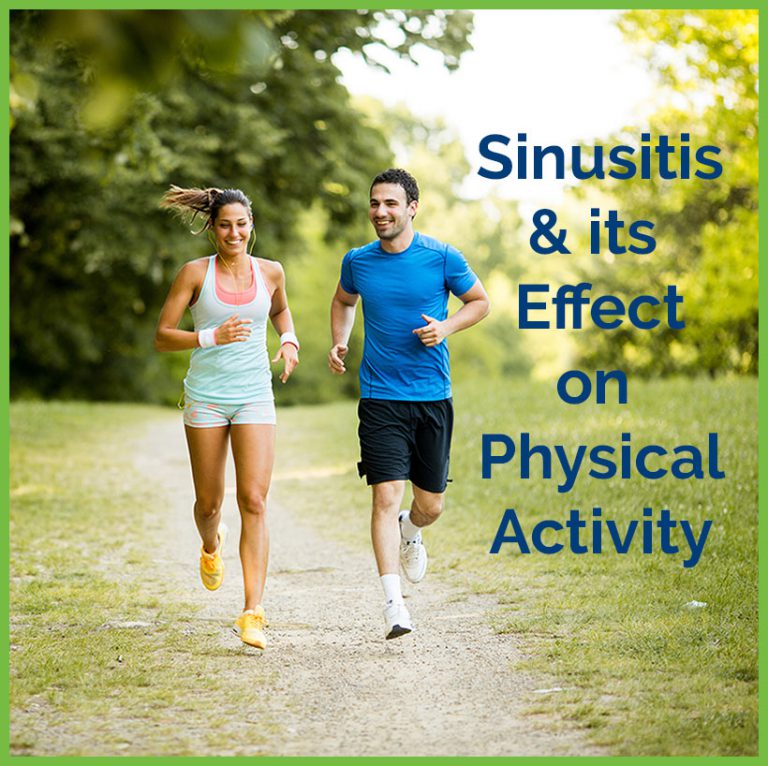
Image Source: houstonadvancedsinus.com
Grasping Sinus Infections
Before we talk about exercise, let us look at what a sinus infection is. It helps to know what is going on inside your head.
What Happens with Sinusitis?
Your head has empty spaces. These are called sinuses. They make mucus. Mucus helps keep your nose clean. It traps dirt and germs.
A sinus infection means these spaces get swollen. They get full of mucus. This happens when germs get in. Viruses are often the cause. Sometimes bacteria cause it.
When sinuses swell, air cannot move well. Mucus cannot drain out. This causes pain. It causes pressure. You feel stuffed up. This is what we call sinusitis.
Spotting the Signs
How do you know you have a sinus infection? There are clear signs.
- Pain in your face: You might feel pain around your eyes. Or your nose. Maybe your forehead. This pain can be strong.
- Pressure: You feel pressure in your head. It feels like a heavy weight. It might be worse when you bend over.
- Stuffy nose: Your nose feels blocked. It is hard to breathe through it.
- Runny nose: Mucus drips from your nose. It can be thick. It might be green or yellow.
- Cough: Mucus can drip down your throat. This makes you cough.
- Sore throat: The dripping mucus can hurt your throat.
- Tiredness: You feel very tired. Your body works hard to fight the infection.
- Fever: Your body temperature might go up. This means your body is fighting hard.
- Bad breath: The infection can cause a bad smell in your mouth.
These signs tell you your body is not well. They tell you it is fighting something.
When to Call the Doctor
Most sinus infections get better on their own. But sometimes, you need a doctor. Call a doctor if:
- Your fever is high: A high fever means a strong infection.
- Your pain is very bad: Pain that does not get better needs a check.
- Your symptoms last more than 10 days: Infections that drag on might need medicine.
- Your symptoms get worse: You felt a little bad, then much worse. This needs a doctor.
- You have vision changes: Any changes in how you see are serious.
- You have neck stiffness: This can be a sign of something more serious.
Always put your health first. If you are not sure, call a doctor.
The Body’s Response to Exercise
Exercise is good for you. It makes you strong. It helps your heart. But when you are sick, exercise can have different effects.
How Exercise Helps
When you are well, exercise does many good things:
- Boosts your mood: It releases happy chemicals.
- Strengthens your heart: Your heart gets stronger.
- Builds muscles: You become more able.
- Helps you sleep better: Good rest is vital.
- Keeps your weight healthy: It burns calories.
- Improves your immune system (over time): A strong body fights germs better.
Regular exercise makes your body strong. It helps you stay healthy.
How Exercise Hurts
When you are sick, your body is busy. It is fighting germs. Adding hard exercise can make things worse.
- Takes energy: Fighting sickness needs a lot of energy. Exercise also uses a lot of energy. Your body has less energy to heal.
- Stresses your body: Hard workouts put stress on your body. When you are sick, your body is already under stress. More stress can make you sicker.
- Can spread infection: Intense exercise can make germs spread. They can go to your chest. Or your ears. This can lead to new problems.
- Makes symptoms worse: Your head might feel more pressure. Your nose might get more stuffed. Your cough might get worse.
- Slows healing: Instead of getting better fast, you might get worse. Or stay sick longer.
- Weakens your immune system (short term): Very hard exercise can briefly lower your body’s ability to fight germs. This is the opposite of what you need when sick.
So, exercise can be good. But not when your body is fighting a battle.
Exercise with a Sinus Infection: The Green Light, Yellow Light, Red Light System
This system helps you decide if you should exercise. It gives sinus infection exercise guidelines. It tells you when it is okay to work out. When to be careful. And when to stop.
Green Light: Light Activities
This is for when your symptoms are mild. You feel mostly okay. No fever. No body aches. Just some stuffiness.
- Go for a walk: A slow walk is good. It gets your blood flowing. It can help clear your head a bit.
- Gentle yoga: Focus on stretching. Do not do hard poses. Avoid poses where your head is lower than your heart.
- Stretching: Gentle stretches feel good. They can ease tension.
- Slow cycling (indoor): A very easy pace on a stationary bike.
- Tai Chi: Slow, gentle movements.
When doing light exercise sinus congestion, remember to breathe through your nose if you can. This warms the air. It also helps filter it. If nose breathing is hard, slow down. Do not push it. The goal is to feel a little better, not worse.
These activities can help your blood move. This might help clear some mucus. They might also lift your mood. But keep it short. Keep it easy.
Yellow Light: Caution Needed
These are activities where you need to be very careful. This is when you have more symptoms. But still no fever or body aches. You might have a running with sinus headache.
- Moderate walking: A bit faster than a stroll. But not a power walk.
- Light jogging: Very slow running. On flat ground.
- Elliptical machine: At a slow, steady pace.
With working out with sinusitis at this level, listen to your body. If your head hurts more, stop. If you feel dizzy, stop. If your nose gets more blocked, stop.
Running with a sinus headache can be risky. The up-and-down motion can make pressure worse. It can make your head pound. It can hurt your ears. If you feel pressure in your head or ears, stop. Your health is more important than your workout.
Also, be careful with air quality. Cold air can make your sinuses worse. Dry air can too. If you run outside, think about the air. Wear a scarf over your mouth and nose if it is cold.
Red Light: Skip It
This is the most important part. If you have any of these signs, do NOT exercise. This is when to skip gym sinus infection.
- Fever: Your body is fighting hard. It needs all its energy. Exercise makes it use energy elsewhere.
- Body aches: This means the infection is in your whole body. Not just your head.
- Chest symptoms: If you have a cough from your chest, or wheezing, stop. Exercise can make lung problems worse.
- Dizziness: Exercise can make you more dizzy. This is dangerous. You could fall.
- Extreme tiredness: If you feel wiped out, your body needs rest.
- Worsening symptoms: If your headache gets worse. If your nose gets more blocked. Stop.
- Feeling weak: If your muscles feel weak, rest.
The risks of exercising with sinusitis when you are in the red light zone are high.
- Spreading the infection: Germs can move from your sinuses to your ears. Or your chest. This can cause ear infections. Or bronchitis. Or even pneumonia.
- Prolonging the illness: You might stay sick for much longer.
- Getting hurt: Dizziness or weakness can lead to falls.
- Dehydration: You sweat more when you exercise. When sick, you need more fluids. It is easy to get too dry.
- Heart problems: Though rare, very intense exercise when sick can put stress on your heart. This is especially true if the virus is affecting your heart muscle.
So, if you are in the red zone, stay home. Rest is your best medicine. Do not risk your health for a workout.
Why Rest Matters: The Bigger Picture
When you are sick, your body is at war. It is fighting off invaders (germs). This fight uses a lot of resources.
- Energy for healing: Your body needs energy to make white blood cells. These cells kill germs. It needs energy to repair tissues. When you rest, your body can focus all its power on getting well.
- Immune system support: Sleep and rest help your immune system work its best. It helps your body make important proteins. These proteins fight infection.
- Preventing spread: If you exercise, you might cough or sneeze more. This spreads germs to others. Resting at home helps keep others safe.
- Avoiding complications: Pushing yourself can turn a simple sinus infection into something worse. An ear infection. A chest infection. Even more serious issues.
These are the benefits of resting with sinus infection. Resting is not lazy. It is smart. It is helping your body do its job.
Safe Paths: Activities to Try
When you have a sinus infection, some activities are better than others. This section helps you choose safe activities sinus pressure.
Table: Good vs. Bad Exercises When Sick
| Category | Good Choices (Green Light) | Bad Choices (Red Light) |
|---|---|---|
| Type | Gentle, low-impact, slow | High-impact, fast, strenuous |
| Pace | Easy, steady, no heavy breathing | Sprinting, lifting heavy weights, intense cardio |
| Focus | Stretching, light movement, calming | Pushing limits, competing, sweating a lot |
| Gear | Comfortable clothes, water | Heart rate monitor, performance gear (if pushing limits) |
| Feel | You feel better after, or no change | You feel worse after, more tired, more pain |
| Risk | Low risk of making sickness worse | High risk of prolonging illness or causing new problems |
Indoor Choices
Sometimes, staying inside is best. The air is more controlled.
- Walking around your house: Just keep moving gently.
- Very light stretching: Think about gentle stretches. Do not push into pain.
- Gentle yoga from a video: Pick a beginner’s flow. Focus on breathing. Do not do inversions (head below heart). These can increase sinus pressure.
- Using a steam inhaler: This is not exercise, but it helps. Steam can loosen mucus. This makes it easier to breathe. You can do this before or after light movement.
- Sitting in a steamy bathroom: Run a hot shower. Sit on a stool. Just breathe the warm, moist air. This can help clear your sinuses.
Outdoor Choices
If the weather is nice, and your symptoms are mild, you can go outside.
- Slow walk in nature: Fresh air can feel good. Be aware of pollen or allergens. These can make sinuses worse.
- Gentle stroll in your garden: Just light movement.
Important Outdoor Tip: Avoid very cold or very dry air. This can irritate your sinuses. If it is cold, wear a scarf over your mouth and nose. This helps warm the air you breathe. Also, avoid places with a lot of dust or pollution. These can make your symptoms worse.
Hydration and Warm-up/Cool-down Tips
No matter what, drink plenty of fluids. Water, clear broth, or herbal tea are best. Staying hydrated helps thin mucus. This makes it easier to drain.
When you do any light exercise, start slow. Warm up for 5-10 minutes. This means even slower movement. Then, do your main activity. Finish with a cool-down. This means slowing down for 5-10 minutes. This helps your body adjust.
Listen to your body at all times. If you feel worse at any point, stop. Go rest.
Listening to Your Body: Key Signals
Your body talks to you. When you have an exercise with head cold, it gives you signs. You must listen.
- The “Neck Rule”: This is a simple guide.
- Symptoms above the neck (Green Light/Yellow Light): If your symptoms are only in your head or throat (runny nose, stuffy nose, sore throat, mild head pressure), very light exercise might be okay. Think walking or gentle stretching.
- Symptoms below the neck (Red Light): If you have symptoms in your chest (chest cough, congestion, body aches, fever, stomach issues), do NOT exercise. This means the infection is more serious. It has spread.
- Worsening pain: If your head pressure gets worse. Or your face pain gets sharper. Stop.
- Increased stuffiness: If your nose feels more blocked. Stop.
- Dizziness or lightheadedness: This is a big warning sign. Stop right away. Sit or lie down.
- New symptoms: If you suddenly get a fever. Or chills. Or body aches. Stop.
- Fatigue: If you feel more tired than before you started. Stop. Your body needs rest.
- Ear pain or pressure: Exercise can make ear issues worse with sinus pressure. Stop if your ears hurt.
Pay close attention to how you feel during and after. If you feel worse later, you did too much. Next time, do less. Or rest. Your body knows best. It sends you signals. Learn to hear them.
Post-Sinus Infection Exercise Recovery
You are feeling better. Your sinus infection is gone. You want to get back to your full workouts. But do not rush it. Post sinus infection exercise recovery needs care.
- Start slowly: Do not jump back to your hardest workout. Begin with light activities. Maybe a short walk. Or easy cycling.
- Increase slowly: Over days or a week, slowly add more time. Then, slowly add more effort.
- Listen more: Even when you feel better, your body is still healing. It might get tired faster. Or feel weaker. Give it time to regain strength.
- Stay hydrated: Keep drinking plenty of water. This helps your body rebuild.
- Eat well: Good food gives your body the nutrients it needs to recover fully.
- Get enough sleep: Sleep is vital for recovery. Your body repairs itself when you rest.
- Watch for relapse: Sometimes, symptoms can come back if you push too hard too fast. If they do, go back to resting.
A good rule is to wait until you have been symptom-free for at least 24-48 hours. Then, start with about 50% of your normal effort. See how you feel. If good, slowly add more each day. This wise return to fitness prevents another setback. It helps you get back to full strength safely.
Summing Up: Your Health Comes First
Exercising with a sinus infection is a real choice. It is a risk vs. reward situation.
- Know your symptoms: Mild head cold signs might allow light movement. Fever, body aches, or chest issues mean rest.
- Listen to your body: It gives clear signals. Pain, increased pressure, dizziness, and fatigue are warning signs.
- Prioritize rest: Your body needs energy to heal. Giving it rest is the best way to get well fast.
- Start slow when better: Do not rush back into hard workouts. Build up your strength gently.
Being active is important for long-term health. But when you are sick, your body is busy. It is doing hard work to fight off the infection. Give it the help it needs. Sometimes, the best workout is no workout at all. Rest, recover, and then return stronger. Your long-term health is more important than one missed gym session.
FAQs about Sinus Infections and Exercise
Here are common questions people ask about sinus infections and working out.
Can swimming make my sinus infection worse?
Swimming can make sinus infections worse for some people. Chlorine in pools can irritate your nasal passages. This can make swelling worse. Also, diving or swimming deep can increase pressure in your sinuses. This can cause more pain. If you feel pressure in your head or ears from a sinus infection, it is best to avoid swimming. Wait until your symptoms are gone.
What about flying with a sinus infection?
Flying with a sinus infection can be very painful. Changes in air pressure during takeoff and landing can cause extreme pain in your sinuses and ears. It can also cause ear damage. This is because your swollen sinuses cannot equalize the pressure easily. If you have a sinus infection, it is best to avoid flying. If you must fly, use a nasal decongestant spray before takeoff and landing. Chewing gum or yawning can also help.
How long should I wait after a sinus infection to exercise fully?
It is smart to wait at least 24 to 48 hours after your symptoms are completely gone. Start with light exercise. For example, a short walk. If you feel good, slowly increase your activity level over the next few days to a week. Do not rush it. Your body needs time to fully heal and regain its strength. Pushing too hard too soon can cause symptoms to come back.
Can exercise help prevent future sinus infections?
Regular, moderate exercise can help your overall health. It boosts your immune system over time. A strong immune system can help you fight off infections better. So, yes, keeping fit can make you less likely to get sick often. But extreme exercise can temporarily lower your immune system. So, aim for a balanced routine when you are well.
Is yoga good for sinus congestion?
Gentle yoga can be helpful for sinus congestion. Slow movements and deep breathing can help improve blood flow. This might help clear some mucus. Poses that gently stretch the neck and back can also ease tension. However, avoid poses where your head is lower than your heart. These are called inversions. They can increase pressure in your sinuses and make congestion worse. Listen to your body and stick to gentle flows.
How can I tell if my sinus infection is getting better?
You can tell your sinus infection is getting better when:
* Your facial pain and pressure lessen.
* Your nasal congestion starts to clear up.
* Any thick, colored mucus becomes clearer and thinner.
* Your cough lessens.
* Your energy levels go up.
* You no longer have a fever or body aches.
Once you notice these improvements, you are on the path to recovery. But remember to ease back into your routine. Do not push yourself too quickly.