
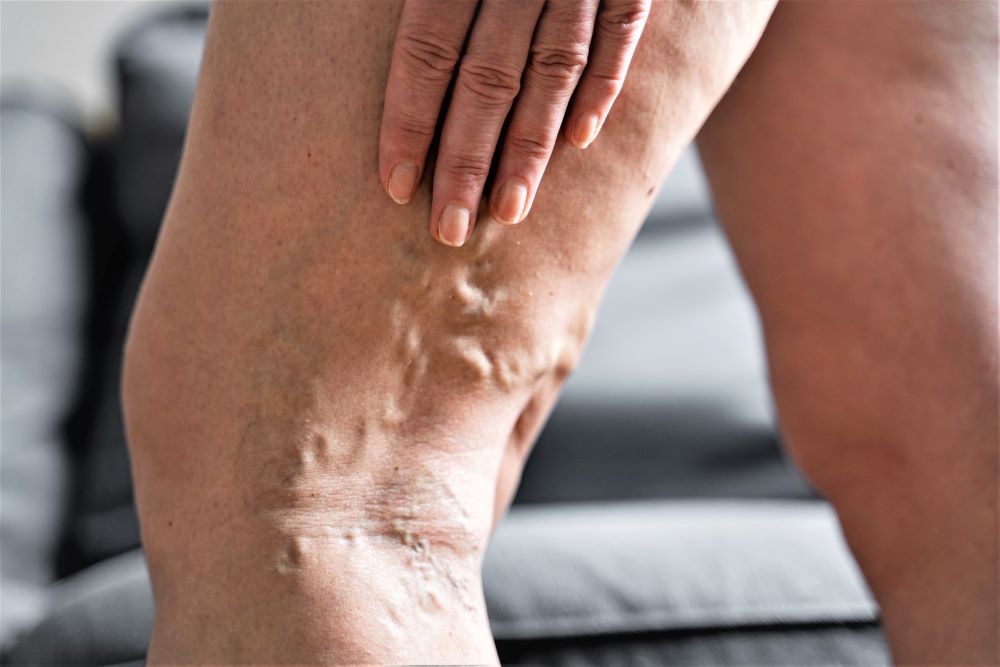
Image Source: inoviavein.com
Can Varicose Veins Go Away With Exercise? Fact/Myth?
No, varicose veins cannot completely go away with exercise. Exercise is a powerful tool for managing varicose veins and improving vein health, but it cannot cure or fully reverse existing ones. Varicose veins are caused by faulty valves in your veins. Exercise helps improve blood flow and can lessen symptoms. It can also help stop new varicose veins from forming. But it will not fix the damaged valves you already have.
What Are Varicose Veins?
Varicose veins are veins that have become big, swollen, and twisted. They often look blue or dark purple. You usually see them on legs and feet. These veins happen when tiny valves inside your veins stop working well.
Our veins carry blood back to the heart. In the legs, this blood must flow upwards. Small valves open and close to stop blood from flowing backward. Think of them like one-way doors. When these doors get weak or damaged, blood can flow backward. This blood then pools in the vein. This pooling makes the vein swell, stretch, and become visible as a varicose vein.
Many things can raise your risk for varicose veins. These include your family history, being older, being pregnant, standing or sitting for a long time, and being overweight.
The Role of Movement for Vein Health
Movement is key for good blood flow. Your body has a special pump in your legs. It is called the calf muscle pump. When you walk or move your legs, your calf muscles squeeze. This squeezing pushes blood up toward your heart. It works like a second heart for your legs.
If you do not move much, this pump does not work well. Blood can then collect in your lower legs. This makes it harder for your veins to do their job. Regular physical activity helps your calf pump work its best. This pushes blood efficiently through your veins. This helps reduce the strain on your veins and their valves.
Regular movement is vital for healthy veins. It is a main part of “Exercise for varicose veins relief.” When your muscles work, they help your blood move well. This means less blood pooling in your legs. It also means less pressure on your vein walls. Stronger muscles can also support your veins better. This is why active bodies tend to have healthier veins. It helps with overall “Best exercises for vein health.”
Deciphering: Can Exercise Cure Varicose Veins?
Many people ask, “Can exercise cure varicose veins?” The simple answer is no. Exercise alone cannot fix the damaged valves in your veins. Once a valve is damaged, it stays damaged. Exercise will not make the vein go away. It will not make it disappear like magic.
However, exercise is a very important part of managing varicose veins. It helps improve symptoms. It can also stop the condition from getting worse. It is a key part of “Varicose vein natural treatment.” But it is not a cure. Think of it like this: if a leaky pipe has a hole, exercise might reduce the water pressure going through it. But it won’t patch the hole.
For existing, noticeable varicose veins, exercise works by making your blood flow better. It strengthens the muscles around your veins. This helps push blood along. It also helps reduce swelling and discomfort. But the vein itself, with its broken valve, will still be there. For a true “cure” or removal, you would need medical procedures. These are often discussed as “Non-surgical options for varicose veins” or surgical ones. Exercise is a way to live better with varicose veins and to prevent new ones.
Benefits of Physical Activity for Varicose Veins
Regular physical activity offers many good things for people with varicose veins. It helps to ease symptoms and improve overall vein health. It is a core part of “Managing varicose veins with physical activity.”
Here are the main benefits:
- Improved Blood Flow: When you move, your leg muscles squeeze. This acts like a pump. It pushes blood up your legs and back to your heart. This reduces blood pooling in your veins. Less pooling means less pressure on your vein walls. This is very important for healthy veins.
- Stronger Calf Muscles: Strong calf muscles make the calf pump work better. This means blood moves more easily. Stronger muscles help support the veins too. This can make your legs feel better.
- Weight Management: Being overweight adds more pressure on your leg veins. This makes varicose veins worse. Exercise helps you keep a healthy weight or lose extra pounds. This can greatly lessen the strain on your veins.
- Reduced Swelling and Pain: Better blood flow helps reduce swelling in your legs and ankles. This can also ease the pain and discomfort that often come with varicose veins. People often feel less achiness, heaviness, and throbbing.
- Better Vein Elasticity: While exercise won’t fix broken valves, it can help keep your vein walls healthier. This makes them more flexible. Healthy veins are more likely to stay strong.
- Preventing New Varicose Veins: Regular exercise helps stop more varicose veins from forming. It keeps your circulation healthy. This is a big part of “Preventing varicose veins naturally.” By keeping your blood moving well, you lower your risk.
- Overall Health Boost: Exercise is good for your whole body. It improves heart health, energy levels, and mood. All these things help you feel better and manage any health conditions, including vein issues.
These benefits show why exercise is a vital part of managing varicose veins. It improves life quality for many people.
Recommended Exercises for Vein Health
Choosing the right exercises is important. The goal is to boost blood flow without putting too much strain on your veins. Gentle, low-impact activities are best. These exercises help your calf muscle pump work well. They also keep your heart healthy.
Here are some top exercises for good vein health:
Walking
“Walking benefits for varicose veins” are huge. It is one of the best and easiest ways to help your veins. When you walk, your calf muscles push and relax. This action pumps blood up your legs. It is simple, free, and you can do it almost anywhere.
- How to do it: Start with short walks. Walk for 15-20 minutes a day. Then slowly increase the time. Aim for 30 minutes or more on most days of the week.
- Benefits: It gets your blood flowing. It strengthens your calf muscles. It helps with weight control. It is gentle on your joints.
Cycling
Cycling, whether on a regular bike or a stationary one, is excellent for vein health. It works your calf muscles. It also keeps your blood moving without high impact.
- How to do it: Ride a bike for 20-30 minutes a few times a week. If using a stationary bike, adjust the seat so your legs are not too bent.
- Benefits: Low impact. Builds calf muscle strength. Boosts blood circulation. Can be done indoors.
Swimming
Swimming is a full-body workout. It is very gentle on your joints and veins. The water pressure itself also helps to gently push blood up your legs. This is like wearing a compression stocking.
- How to do it: Any swimming style works. Aim for 30 minutes a few times a week.
- Benefits: No impact on veins. Helps circulation. Reduces swelling. Builds full-body strength.
Leg Stretches and Calf Raises
Simple movements done often can make a big difference. These help keep blood from pooling.
- Calf Raises: Stand tall. Slowly lift your heels so you are on your toes. Hold for a moment. Lower your heels down. Repeat 10-15 times. You can do this sitting or standing.
- Ankle Rotations: Sit or lie down. Lift one leg slightly. Rotate your ankle in circles, both clockwise and counter-clockwise. Do 10-15 rotations for each foot.
- Foot Pumps: Lie on your back. Point your toes away from your body. Then pull your toes back towards your shins. Do this for 1-2 minutes.
- Benefits: Directly activates the calf pump. Improves flexibility. Can be done anywhere, even at your desk.
Yoga and Pilates
These forms of exercise focus on gentle movements. They improve flexibility, strength, and balance. They can help circulation without strain. Poses that involve leg elevation can be especially helpful.
- How to do it: Look for beginner classes. Focus on gentle flows. Poses like “legs up the wall” (Viparita Karani) are great for veins.
- Benefits: Builds core strength. Improves flexibility. Reduces stress. Many poses help blood flow back to the heart.
Table of Recommended Exercises
| Exercise Type | How It Helps | Ideal Frequency | Notes |
|---|---|---|---|
| Walking | Activates calf pump, boosts circulation | 30 minutes, most days a week | Start slow, increase time gradually. |
| Cycling | Low-impact leg muscle work, good blood flow | 20-30 minutes, 3-4 times a week | Stationary bike is good for indoor option. |
| Swimming | Full body, water pressure helps circulation | 30 minutes, 2-3 times a week | Very gentle on joints and veins. |
| Calf Raises | Directly strengthens calf pump | 10-15 repetitions, several times daily | Can be done standing or sitting. |
| Ankle Rotations | Improves local blood flow, flexibility | 10-15 circles each direction, daily | Good for breaks during long sitting. |
| Foot Pumps | Active blood flow in feet and lower legs | 1-2 minutes, several times daily | Can be done while lying down or sitting. |
| Yoga / Pilates | Gentle movements, improves flexibility & flow | 2-3 times a week | Focus on low-impact forms, poses with leg elevation. |
Always listen to your body. If any exercise causes pain, stop. Talk to your doctor before starting any new exercise plan, especially if you have serious vein issues.
Exercises to Approach with Caution (or Avoid)
While exercise is mostly good for varicose veins, some activities can make them worse. These are often high-impact or put a lot of strain on your abdominal area or legs.
You should be careful with or avoid these types of exercises:
- High-Impact Activities:
- Running on hard surfaces: This creates a lot of jarring force on your legs. This can be hard on your veins. It may worsen pain or swelling.
- Jumping activities: Sports like basketball, volleyball, or jump rope involve a lot of jumping. The repeated impact can stress your veins.
- Heavy Weightlifting:
- Lifting very heavy weights, especially for legs: This often involves holding your breath and straining. This raises pressure in your abdomen and legs. This increased pressure can push down on your veins. It can make them swell more. It can also damage valves.
- Exercises like squats with heavy weights or deadlifts: These are examples of moves that can put too much strain on your veins.
- Long Periods of Standing Still:
- While not an “exercise,” standing still for a long time is bad for veins. It makes blood pool in your legs. It is the opposite of what your calf pump needs.
- Avoid jobs or hobbies that need you to stand without moving for many hours. If you must stand, shift your weight. Do calf raises often.
- High-Intensity Interval Training (HIIT) with lots of jumping:
- Some HIIT workouts include fast, explosive jumps or sprints. While good for overall fitness, the sudden, high impact can be tough on sensitive veins.
The key is to choose activities that promote smooth, consistent blood flow. Avoid anything that causes sudden, intense pressure or jarring impacts on your legs. Always choose low-impact options. If you are unsure about an exercise, talk to your doctor.
Beyond Exercise: A Holistic Approach to Vein Health
Managing varicose veins means more than just exercise. A complete approach, often called “Lifestyle changes for vein health,” can make a big difference. These changes work with your exercise routine to give your veins the best support. They are key for “Preventing varicose veins naturally.”
Here are important lifestyle changes:
Diet for Vein Health
What you eat can affect your veins.
- Eat Fiber: Foods rich in fiber help prevent constipation. Straining during bowel movements raises pressure in your abdomen. This pressure can hurt your veins. Eat fruits, vegetables, whole grains, and legumes.
- Reduce Salt: Too much salt can make your body hold onto water. This leads to swelling. It can make your legs feel heavy and achy. Choose fresh foods over processed ones.
- Stay Hydrated: Drink plenty of water. This helps keep your blood thin and flowing well. Dehydration can make blood thicker. This makes it harder for it to move through your veins.
- Include Flavonoids: These compounds are found in many fruits and vegetables. Berries, citrus fruits, leafy greens, and onions have them. Flavonoids can help strengthen vein walls. They also help reduce inflammation.
Maintain a Healthy Weight
We talked about this with exercise. But it is worth saying again. Being overweight adds extra pressure on your veins. This makes them work harder. Losing even a few pounds can ease this pressure. It can also improve blood flow. This helps ease symptoms.
Avoid Prolonged Sitting or Standing
Long periods of not moving are bad for veins. Blood can collect in your legs.
- If you sit a lot: Get up and walk around every 30-60 minutes. Do ankle rotations or calf raises at your desk.
- If you stand a lot: Shift your weight from foot to foot. Do calf raises. Walk in place if you can. Try to sit down for short breaks.
Leg Elevation for Varicose Veins
This simple trick can bring a lot of relief. “Leg elevation for varicose veins” helps gravity do its job. When your legs are raised, blood flows more easily back to your heart. This reduces pooling and swelling.
- How to do it: Lie down. Raise your feet above your heart level. You can use pillows or a wedge pillow. Do this for 15-20 minutes, 3-4 times a day.
- When to do it: After a long day, before bed, or any time your legs feel tired or swollen. It’s especially helpful after exercise or long periods of standing.
Compression Stockings
These special stockings gently squeeze your legs. The pressure is strongest at the ankle and gets lighter as it goes up the leg. This helps push blood up and prevents it from pooling. They are a common “Varicose vein natural treatment.”
- How to use them: Put them on first thing in the morning. Wear them throughout the day. Take them off before bed.
- Benefits: Reduce swelling. Lessen pain and aching. Help blood flow better.
Quit Smoking
Smoking damages blood vessels. It makes them stiff and less able to work well. It also hurts circulation. Quitting smoking is one of the best things you can do for your vein health and overall health.
Limit Tight Clothing
Clothing that is too tight around your waist, groin, or legs can restrict blood flow. This puts more pressure on your veins. Choose looser clothing, especially around your hips and thighs.
By combining regular, low-impact exercise with these lifestyle changes, you can greatly improve your vein health. You can reduce symptoms and may even slow the progress of varicose veins.
Other Options: Non-Surgical and Medical Approaches
While exercise and lifestyle changes are crucial for managing varicose veins, they are not a cure. For veins that cause significant pain, swelling, or skin changes, or for cosmetic reasons, medical treatments are available. These are known as “Non-surgical options for varicose veins” or surgical ones.
These treatments directly fix or remove the problem vein:
- Sclerotherapy: A doctor injects a special solution into the vein. This solution makes the vein walls stick together. The vein then closes off and fades over time. Blood then reroutes to healthy veins.
- Laser Treatment: Strong bursts of light are sent onto the vein. The light makes the vein slowly fade and disappear. This is often used for smaller spider veins, but sometimes for smaller varicose veins too.
- Endovenous Laser Ablation (EVLA) or Radiofrequency Ablation (RFA): These are common treatments for larger varicose veins. A thin tube (catheter) is put into the vein. Heat (from laser or radiofrequency) is used inside the vein. This heat closes the vein from the inside.
- Phlebectomy: This is a minor surgery. Small cuts are made in the skin to remove the varicose vein right away. It is usually done for veins close to the skin’s surface.
- Vein Stripping: This was a common surgery in the past for severe cases. The main vein is tied off and removed through incisions. It is less common now, as newer, less invasive methods are preferred.
These medical options can remove or close off existing varicose veins. This makes them disappear. This is something exercise cannot do. Your doctor can help you decide if one of these treatments is right for you. They will look at your vein health and symptoms.
When to See a Doctor
It is important to know when lifestyle changes and exercise are not enough. If your varicose veins are causing problems, you should see a doctor. This could be a family doctor, or a vein specialist (phlebologist or vascular surgeon).
See a doctor if you have:
- Pain that does not go away: Constant aching, throbbing, or heaviness in your legs.
- Severe swelling: Swelling in your legs, ankles, or feet that does not improve with elevation or compression.
- Skin changes:
- Skin that becomes dry, itchy, or discolored (brown or dark patches), often near the ankle.
- Skin hardening or thickening (lipodermatosclerosis).
- New rashes or eczema.
- Bleeding: If a varicose vein bleeds, even if it seems small.
- Open sores or ulcers: Especially near your ankles, as these can be hard to heal.
- Blood clots: If a vein feels hard, tender, and hot to the touch (possible superficial thrombophlebitis). Get help right away if you think you have a clot.
- Concerns about cosmetics: If the appearance of your veins bothers you greatly.
- Symptoms that get worse: If your symptoms interfere with your daily life or sleep.
A doctor can check your veins. They can tell you the best ways to manage your condition. This might include medical procedures in addition to lifestyle changes.
Final Thoughts
Exercise is a powerful ally in the fight against varicose veins. It will not make them disappear, but it is an essential tool for managing symptoms. It helps prevent existing veins from getting worse. It also helps stop new ones from forming. Regular movement, especially low-impact activities like walking, cycling, and swimming, boosts blood flow. It strengthens your leg muscles. This helps your calf pump work well.
Combine exercise with smart lifestyle choices. This means eating well, managing your weight, elevating your legs, and wearing compression stockings. These steps create a strong plan for vein health. While exercise cannot cure varicose veins, it helps you live better with them. It gives you control over your vein health. If your symptoms are severe or persistent, talk to a doctor. They can offer medical treatments that might be needed. Your legs will thank you for taking good care of them!
Frequently Asked Questions (FAQ)
Q: Does walking help varicose veins?
A: Yes, walking greatly helps varicose veins. It is one of the best exercises. Walking makes your calf muscles work. This acts like a pump, pushing blood up your legs and back to your heart. This reduces blood pooling and can ease pain and swelling.
Q: Can cycling help varicose veins?
A: Yes, cycling is very good for varicose veins. It is a low-impact exercise that works your calf muscles. This helps blood flow smoothly. It boosts circulation without putting extra strain on your veins or joints.
Q: What exercise makes varicose veins worse?
A: Exercises that involve high impact or heavy straining can make varicose veins worse. These include running on hard surfaces, jumping activities, and heavy weightlifting (especially for legs). These can increase pressure on your veins and may worsen symptoms.
Q: Is leg elevation good for varicose veins?
A: Yes, leg elevation is very good for varicose veins. Lifting your legs above your heart uses gravity to help blood flow back to your heart. This reduces blood pooling, swelling, and discomfort in your legs. Do this for 15-20 minutes a few times a day.
Q: Can I run with varicose veins?
A: Running can be hard on varicose veins due to its high impact. It might make symptoms worse. If you have varicose veins, it’s often better to choose low-impact exercises like walking, swimming, or cycling. If you want to run, talk to your doctor first. Consider running on softer surfaces and wearing compression stockings.