
Yes, you can generally exercise after a blood test, but it is wise to be careful. The first thing you should do is rest a little. How long to wait before exercise after blood test depends on the type of activity. For most people, a wait of at least 10 to 15 minutes is good for light tasks. For harder exercise, you should wait longer. Your body needs time to seal the tiny hole in your vein and recover. Rushing into activity can cause problems like bruising or feeling dizzy. This guide will help you know what to do to stay safe.
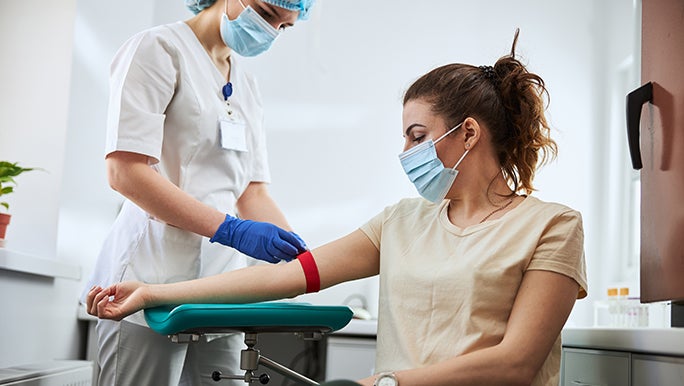
Image Source: assets-us-01.kc-usercontent.com
Immediate Post-Blood Draw Actions
After a blood test, the nurse or phlebotomist will tell you what to do. They often put a cotton ball or bandage on your arm. Pressing firmly on the spot helps stop any bleeding. It also helps the small hole in your vein close up. This is very important.
Why a Short Rest is Key
Even a small blood draw leaves a tiny wound. Your body needs time to heal this. Think of it like a small cut. You wouldn’t want to bump it right away. The same is true for your vein.
- Prevent Bleeding: Pressing helps blood clot. This stops more bleeding.
- Stop Swelling: If blood leaks out, it can cause swelling. Resting helps stop this.
- Avoid Bruises: Movement can make bleeding worse. This leads to bruises.
- Feel Better: Some people feel lightheaded. Resting helps you get back to normal.
Initial Post Blood Draw Exercise Guidelines
Right after the test, avoid using the arm where blood was drawn. Don’t lift heavy things. Don’t push or pull anything hard with that arm. Keep the bandage on for a while. Usually, 10 to 15 minutes is enough. For some, 30 minutes might be better. Follow what the nurse tells you. They know what is best for your situation.
It is a good idea to sit quietly for a few minutes. Drink some water. This helps your body recover any lost fluid. It also helps you feel more stable.
Timing Your Return to Activity
Knowing when to get back to your routine is important. Not all activities are the same. A walk is different from lifting heavy weights. Your body needs different recovery times for each.
Light Activities After Blood Work
For most people, light exercise after blood donation/test is fine after 10 to 15 minutes. This means things that do not make your heart beat fast. It also means no heavy lifting.
- Walking: A slow walk is usually safe. Keep it easy.
- Desk Work: Sitting and working on a computer is fine.
- Reading: This uses no effort.
- Light Chores: Simple tasks around the house are usually okay. Things like dusting or light cooking.
Always listen to your body. If you feel strange, stop. Sit down and rest more.
Moderate Exercise and Waiting Periods
For moderate exercise, you should wait longer. This includes things like brisk walking or light jogging. It might also include easy cycling.
How long to wait before exercise after blood test for moderate activity?
Many experts suggest waiting at least 1 to 2 hours. This gives your vein more time to seal. It also lets your body fully adjust.
- Brisk Walking: A walk that gets your heart rate up a bit.
- Light Jogging: Not a sprint, just a slow, steady run.
- Casual Bike Ride: On flat ground, not up hills.
- Gardening: Light digging or weeding, no heavy lifting.
Even with moderate exercise, keep an eye on your arm. If it hurts or bleeds, stop.
Strenuous Activity After Blood Sample
This is where you need to be very careful. Strenuous activity after blood sample means hard workouts. It means things that make you sweat a lot and breathe hard.
For strenuous activity, wait at least 4 to 6 hours. Some advise even longer, up to 24 hours.
- Running: Fast running or long distances.
- Weightlifting: Any kind of heavy lifting after blood test.
- High-Intensity Interval Training (HIIT): Quick bursts of hard exercise.
- Sports: Playing basketball, soccer, or other active sports.
- Swimming: The pressure of water can affect the site. Also, pools have germs. You do not want germs in a fresh wound.
It is much safer to wait a full day if your exercise is very hard. This prevents serious issues. The small hole in your vein might reopen under pressure. This can lead to a large bruise or even a hematoma. A hematoma is a big collection of blood under the skin. It can be painful and take a long time to heal.
Table: Recommended Waiting Times for Exercise After a Blood Test
| Activity Type | Description | Recommended Waiting Time | Key Considerations |
|---|---|---|---|
| Rest/Light Activity | Sitting, standing, light walking, desk work | 10-15 minutes | Press site, watch for dizziness, stay hydrated |
| Moderate Exercise | Brisk walking, light jogging, casual cycling | 1-2 hours | Avoid direct pressure on arm, listen to your body |
| Strenuous Exercise | Running, heavy lifting, HIIT, active sports, swimming | 4-24 hours | High risk of bruising/bleeding, requires full vein seal |
| Heavy Lifting | Any weight lifting involving the arm or core | At least 24 hours | High pressure on veins, risk of hematoma is high |
Potential Risks and How to Prevent Them
Even with proper care, some risks can happen. Knowing what they are helps you avoid them or deal with them.
Dizziness After Blood Test and Exercise
Feeling dizzy after a blood test is common for some people. This can happen for a few reasons:
- Nerve Response: The needle can trigger a nerve. This can make your blood pressure drop.
- Anxiety: Some people get nervous about needles. This can make them feel faint.
- Low Blood Volume: Even a small amount of blood loss can affect some people.
- Not Eating/Drinking: If you fasted for the test, your blood sugar might be low. You might also be a bit dry.
If you feel dizzy before or after the blood test, tell the nurse. They can help you. They might have you lie down. They might give you water or juice.
How to avoid dizziness after blood test and exercise:
- Hydrate: Drink water before and after your test.
- Eat: If allowed, have a small snack before the test. Eat a meal after.
- Rest: Sit for 10-15 minutes at the clinic.
- Slow Movements: Get up slowly. Do not rush out the door.
- Listen to Your Body: If you feel lightheaded during exercise, stop at once. Sit or lie down. Put your feet up.
Fainting Risk After Blood Test and Workout
Fainting is more serious than just feeling dizzy. It means you lose awareness for a short time. This is also called vasovagal syncope. It happens when your blood pressure and heart rate drop suddenly.
How to avoid fainting risk after blood test and workout:
- Tell the Nurse: Always tell the nurse if you have fainted before. Tell them if you feel nervous about needles.
- Lie Down: Ask to lie down during the blood draw. This can help prevent fainting.
- Take Your Time: Do not rush out of the clinic. Sit for at least 15 minutes.
- Avoid Strenuous Activity: Do not do any hard exercise for at least 4-6 hours. If you are prone to fainting, wait 24 hours.
If you feel faint, lie down immediately. If you cannot lie down, sit and put your head between your knees. Tell someone how you feel.
Bruising Arm After Blood Draw Exercise
A bruise happens when blood leaks from the vein into the tissue around it. This is quite common. Small bruises are usually harmless. They go away in a few days.
Why does bruising arm after blood draw exercise happen?
- Insufficient Pressure: Not pressing long enough on the site.
- Movement: Moving your arm too much right after the draw.
- Thin Veins: Some people have delicate veins.
- Blood Thinners: If you take blood thinners, you are more likely to bruise.
How to prevent bruising:
- Apply Pressure: Press firmly on the cotton ball for at least 5 minutes. Do not peek.
- Keep Arm Straight: Do not bend your arm at the elbow. Keep it straight.
- Avoid Lifting: Do not lift or pull anything heavy with that arm. This includes bags, babies, or weights.
- Ice Pack: If you see a bruise forming, put a cold pack on it. Do this for 15-20 minutes, a few times a day. This helps reduce swelling and bruising.
- No Rubbing: Do not rub the site. This can make bruising worse.
Other Rare Complications
While rare, other problems can occur:
- Infection: Keep the site clean. Do not touch it often. Keep the bandage on for a few hours. If you see redness, warmth, or pus, call your doctor.
- Nerve Damage: This is very rare. It can cause tingling, numbness, or pain. Tell your doctor if you have these signs.
- Hematoma: This is a large, painful bruise. It happens when a lot of blood leaks out. It might look like a raised lump. If this happens, apply firm pressure and ice. Call your doctor if it is very large or painful.
Nurse Recommendations Exercise After Blood Draw
Nurses and other healthcare workers are the best source of advice. They see many patients every day. They know what works and what does not.
Key advice from healthcare pros:
- Listen to Them: Always follow the specific instructions given to you at the clinic. They might have different rules for different tests or different people.
- Keep Pressure On: “Press firmly for at least 5-10 minutes, without peeking.” This is key.
- No Heavy Lifting: “Avoid heavy lifting or strenuous activity with the arm for the rest of the day.” This is a common phrase for a reason.
- Stay Hydrated: “Drink plenty of fluids.” This helps your body recover blood volume.
- Report Issues: “If you feel dizzy, lightheaded, or see excessive bruising, contact us.” They want to know if something is wrong.
- Keep Bandage On: “Keep the bandage on for at least an hour, or as instructed.” Some say longer. This helps keep the site clean and stops bleeding.
Many clinics have written instructions. Take one if they offer it. Read it carefully. They often provide a number to call if you have problems.
Special Considerations for Certain Individuals
Not everyone is the same. Some people need extra care after a blood test.
If You Are on Blood Thinners
If you take medications that thin your blood, you are at higher risk of bleeding and bruising. These medicines include:
- Aspirin
- Warfarin (Coumadin)
- Dabigatran (Pradaxa)
- Rivaroxaban (Xarelto)
- Apixaban (Eliquis)
- Clopidogrel (Plavix)
Extra care if you take blood thinners:
- Tell the Nurse: Always tell the person drawing your blood that you take blood thinners.
- Longer Pressure: You might need to apply pressure for 10-15 minutes or even longer.
- Wait Longer for Exercise: It is even more important to wait longer for any exercise. For strenuous activity, consider waiting 24 hours or more.
- Watch for Bruising: You are more likely to get a bruise. If it gets very large, call your doctor.
If You Have Low Blood Pressure or Anemia
People with low blood pressure or anemia might feel more effects from a blood test.
- Low Blood Pressure: You might be more likely to feel dizzy or faint. Follow all the tips for preventing dizziness.
- Anemia: Anemia means you have fewer red blood cells. Even a small blood draw can make you feel more tired or weak. Rest more. Stay hydrated.
If you know you have these conditions, tell the nurse. They can take extra steps to ensure your safety.
Large Blood Draws vs. Standard Tests
Most blood tests take only a small amount of blood. This is usually just a few small tubes. Blood donation is different. You give a whole pint (about 500 ml).
Light exercise after blood donation/test:
- Standard Test: A small test is not a big deal for most. Light activity is usually fine after 10-15 minutes.
- Blood Donation: After donating blood, your body needs more time to recover. You have lost a lot more fluid and red blood cells.
- Rest: Rest for 15-20 minutes at the donation center.
- Hydrate: Drink at least 4-5 extra glasses of water or juice.
- Avoid Strenuous Activity: Do not do any hard exercise or heavy lifting for at least 24 hours. Some places recommend 48 hours.
- Avoid Alcohol: Do not drink alcohol for at least 24 hours.
- Eat: Eat a good, healthy meal.
Always follow the specific instructions from the blood donation center. They have strict rules for safety.
Tips for a Smooth Recovery
Beyond just waiting to exercise, a few other things can help you feel better after a blood test.
Hydration is Key
Your body is made mostly of water. When you lose blood, you also lose some fluid. Drinking water helps replace this fluid.
- Drink Water: Have a few extra glasses of water or clear juice after your test.
- Avoid Caffeine/Alcohol: These can make you lose more fluid. Avoid them right after your test.
Being well-hydrated helps your body work better. It can also help prevent dizziness.
Proper Nutrition
Eating a balanced meal after your test can also help.
- Nutrient-Rich Foods: Choose foods with iron and vitamins. This helps your body make new blood cells.
- Avoid Skipping Meals: Do not skip meals, especially if you fasted for the test. Your blood sugar might be low.
A good meal gives your body the fuel it needs to recover.
Observing the Site
Keep an eye on the blood draw site for the next 24-48 hours.
- Check for Issues: Look for signs of unusual bruising, swelling, redness, or pain.
- When to Call: If you see any signs of infection (red streaks, pus, fever) or a very large, painful bruise, call your doctor or the clinic.
Fathoming the Benefits of Patience
It can be tempting to jump right back into your routine. You might be busy. You might want to get your workout in. But being patient after a blood test is a small effort with big rewards.
- Prevents Pain: No one wants a sore, bruised arm.
- Avoids Complications: Serious issues like large hematomas or fainting are not fun.
- Ensures Accuracy: If you re-bleed, it can sometimes affect future tests if the blood is collected for research. (Though less common for routine tests).
- Promotes Healing: Giving your body time to heal the tiny vein puncture is always a good idea.
Think of it as a small “thank you” to your body. You just asked it to give a little. Now give it a little rest. Your future self, and your arm, will thank you.
Frequently Asked Questions (FAQ)
Q1: Can I lift weights right after a blood test?
A1: No, you should not lift weights right after a blood test. This is considered heavy lifting after blood test and strenuous activity. It puts too much pressure on the blood draw site. Wait at least 24 hours, especially for heavy lifting.
Q2: What are safe activities after blood work?
A2: Safe activities after blood work include light walking, sitting, or doing desk work. These are low-impact and do not put strain on your arm. Wait 10-15 minutes before starting even these light activities.
Q3: How long should I wait before exercising vigorously after a blood test?
A3: For vigorous or strenuous activity after blood sample, you should wait at least 4 to 6 hours. Many healthcare providers recommend waiting a full 24 hours to be safest. This reduces the risk of bruising, bleeding, or feeling dizzy.
Q4: Why do I feel dizzy after my blood test and exercise?
A4: Dizziness after blood test and exercise can happen due to a drop in blood pressure, anxiety, low blood sugar if you fasted, or fluid loss. Exercising too soon can make this worse. If you feel dizzy, stop exercising, sit or lie down, and drink water.
Q5: What should I do if my arm starts bruising after blood draw exercise?
A5: If you notice bruising arm after blood draw exercise, apply firm, direct pressure to the site with a clean cloth. Then, apply a cold pack (ice wrapped in a towel) for 15-20 minutes, a few times a day. Avoid using the arm for heavy tasks. If the bruise is very large, painful, or gets worse, call your doctor.
Q6: Are there specific nurse recommendations exercise after blood draw I should follow?
A6: Yes, nurse recommendations exercise after blood draw often include: pressing firmly on the site for 5-10 minutes, keeping the bandage on for an hour, avoiding heavy lifting or strenuous activity for the rest of the day, and staying well-hydrated. Always follow their specific instructions.
Q7: Is light exercise after blood donation/test the same for both?
A7: No, recovery times differ. After a standard blood test, light exercise might be okay after 10-15 minutes. After a blood donation (where you give much more blood), you should avoid any strenuous activity for at least 24-48 hours. Light walking is usually okay after the initial resting period at the donation center.
Q8: What increases the fainting risk after blood test and workout?
A8: The fainting risk after blood test and workout increases if you have a history of fainting, are nervous about needles, have low blood pressure, or exercise too soon. Staying hydrated, eating, and resting at the clinic can help lower this risk.
Q9: What should I avoid doing with the arm where blood was drawn?
A9: Avoid heavy lifting, pushing, pulling, or any activity that puts strain on the arm. Do not bend your arm sharply at the elbow right after the draw. Do not rub the blood draw site.
By following these simple steps and listening to your body, you can safely return to your daily activities and exercise routine after a blood test. Your health and safety are always the top priority.