
Cleaning a gym floor means keeping it safe and clean for everyone. You need to pick the right tools and products for each floor type. A clean gym floor stops germs from spreading. It also makes your gym last longer. This guide will show you how to clean gym floors the right way. We will cover different floor types, daily care, deep cleaning, and the best products to use.
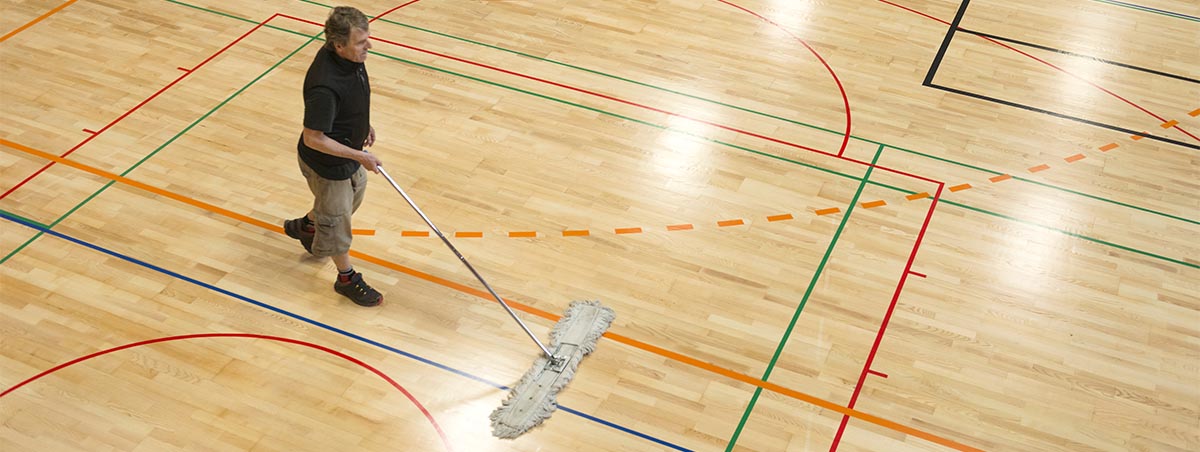
Image Source: media.hillyard.com
Why Clean Gym Floors Matters
A clean gym floor is more than just good looks. It helps keep people healthy and safe. Germs and dirt build up fast in a gym. Sweaty bodies, dropping weights, and foot traffic all leave marks. If you do not clean the floor, it can become a home for bacteria and viruses. This can make people sick.
Safety First
Dirty floors are often slippery. Sweat, dust, and spills make the risk of falls higher. Regular cleaning removes these dangers. It helps prevent accidents. A clean floor surface also means better grip for exercises. This is key for lifting weights or doing fast moves.
Health Matters
Gyms are busy places. Many people touch the same things and use the same space. This makes them hot spots for germs. A good cleaning plan helps stop the spread of sickness. It keeps members and staff safe from bacteria, fungi, and viruses. Think about athlete’s foot or other skin issues. A dirty floor can spread these easily. Using a good gym floor cleaning solution helps kill these germs.
Making Floors Last Longer
Dirt and grit can scratch and wear down your gym floor over time. Regular cleaning removes these harmful bits. It protects the floor’s surface. This means your gym floor will look good and last longer. This saves you money in the long run. It delays the need for big repairs or full floor changes.
A Welcoming Space
A clean gym shows you care about your members. It creates a good first impression. People want to work out in a place that feels fresh and cared for. A dirty gym can make people feel uneasy. It might make them go to a different gym. So, a clean gym is good for business.
Types of Gym Floors and Their Care
Different gym floors need different cleaning methods. What works for one type might harm another. Knowing your floor type is the first step to proper cleaning.
Rubber Gym Floor Cleaning
Rubber floors are common in weight rooms. They handle heavy impacts well. They are tough and last long. But they can get sticky or dull if not cleaned right.
- Daily Care:
- Sweep or vacuum often. Use a soft brush. This picks up dust and dirt.
- For spills, wipe them up fast. Use a damp cloth.
- Use a neutral pH gym floor cleaning solution. Mix it with water.
- Mop the floor. Do not use too much water. Rubber is not waterproof at the seams.
- Let it air dry. Or use fans to speed drying.
- Things to Avoid:
- Do not use harsh chemicals. No bleach, acid, or oil-based cleaners. These can break down the rubber.
- Do not use abrasive pads. These can scratch the surface.
- Do not use too much water. It can seep under the tiles and cause issues.
- Deep Cleaning:
- For tougher dirt, use a floor scrubber with a soft pad.
- Use a special commercial gym floor cleaner for rubber.
- Rinse well with clean water. Make sure no soap is left.
- Allow the floor to dry fully before anyone walks on it.
Hardwood Gym Floor Maintenance
Hardwood floors are beautiful. They are often found in basketball courts or dance studios. They need careful care. Water is their biggest enemy.
- Daily Care:
- Dust mop the floor daily. Use a treated dust mop. This picks up dirt without scratching.
- Wipe spills right away. Use a slightly damp cloth.
- For minor spots, use a wood floor cleaner. Spray lightly on a cloth. Wipe the spot.
- Things to Avoid:
- Never use too much water. It can warp the wood.
- Do not use all-purpose cleaners or harsh chemicals. They can strip the finish.
- Do not use wax or oil-based cleaners unless it’s a specific product for wood.
- Avoid abrasive pads or harsh brushes. They can scratch the wood.
- Deep Cleaning:
- Hardwood floors need special deep cleaning. This usually involves a scrubber that lifts dirt without soaking the wood.
- Use a specific hardwood gym floor maintenance cleaner.
- Some hardwood floors need gym floor stripping and waxing. This removes old finish and applies a new one. This is a job for pros. It keeps the floor shiny and protected. This is usually done once a year or every few years.
Vinyl Gym Flooring Cleaning
Vinyl floors are tough and easy to clean. They come in sheets or tiles. They are often found in general workout areas.
- Daily Care:
- Sweep or vacuum often to remove loose dirt.
- Mop daily with a neutral pH gym floor cleaning solution. Use a damp mop, not a soaking wet one.
- Wipe up spills quickly to avoid stains.
- Things to Avoid:
- Do not use harsh chemicals or abrasive cleaners. These can dull the finish or damage the vinyl.
- Avoid using steel wool or highly abrasive pads. They can scratch the surface.
- Deep Cleaning:
- For a deeper clean, use a floor scrubber. Use a soft brush or pad.
- Apply a commercial gym floor cleaner made for vinyl.
- Rinse well with clean water. Make sure no cleaner residue is left.
- Some vinyl floors can benefit from gym floor stripping and waxing. This is needed if the floor looks dull or has built-up grime. It helps bring back its shine and protects the surface. This is a big job and might need experts.
Daily Cleaning Routine
A good daily cleaning routine is key for any gym floor. It removes sweat, dust, and light dirt. This keeps the gym looking good and reduces germs.
Sweat Removal Gym Floor
Sweat is a big issue in gyms. It makes floors slippery. It also leaves behind salt and other things that can grow bacteria.
- After workouts:
- Wipe down areas with lots of sweat. Use a damp cloth or mop.
- Use a mild cleaner for sweat removal gym floor.
- Ensure the floor dries fast to prevent slips.
Basic Steps for Daily Cleaning
- Clear the Floor: Remove any mats, weights, or equipment. This lets you clean the whole surface.
- Dry Clean:
- For rubber and vinyl, use a vacuum or a dry dust mop. This picks up loose dirt, dust, and hair.
- For hardwood, use a treated dust mop. Move slowly to catch all dust.
- Spot Clean: Look for spills, scuff marks, or sticky spots. Clean them right away. Use the correct gym floor cleaning solution for the spot and floor type.
- Wet Mop (if needed):
- Mix your chosen gym floor cleaning solution with water. Follow the product’s directions.
- Use a clean mop. Wring it out well. The mop should be damp, not soaking wet.
- Mop in small sections. Rinse the mop often in clean water.
- Change the cleaning solution when it looks dirty.
- Dry the Floor: Let the floor air dry completely. Or use fans to speed up drying. Do not let people walk on a wet floor. This causes slips.
Choosing the Right Cleaning Products
The right products make cleaning easier and more effective. Using the wrong product can damage your floor or leave a sticky mess.
Gym Floor Cleaning Solution
Look for a gym floor cleaning solution that is:
- Neutral pH: This is safe for most floor types, especially rubber, vinyl, and sealed hardwood. It cleans without stripping finishes.
- Non-toxic: Safer for people and the environment.
- No residue: It should clean without leaving a sticky or dull film.
- Fast drying: This helps reduce slip hazards.
Commercial Gym Floor Cleaner
For large gyms, you might need a commercial gym floor cleaner. These products are often stronger. They are made for heavy use areas. They might be concentrated. This means you mix them with water.
- Concentrates: Offer good value. Make sure you mix them correctly.
- Specialized formulas: Some are made just for rubber, wood, or vinyl. Always check the label.
- Disinfectants: Many commercial cleaners also sanitize.
Sanitize Gym Floor
Sanitizing goes beyond just cleaning. It kills germs. In a gym, this is very important.
- How to Sanitize:
- First, clean the floor to remove dirt.
- Then, apply a disinfectant. Some products are both cleaners and disinfectants.
- Let the disinfectant sit on the surface for the time listed on its label. This is called “dwell time.” This time is needed to kill germs.
- Rinse the floor if the product requires it.
- Ensure the floor dries completely.
- Key points:
- Always read the product label. Some disinfectants need certain conditions to work best.
- Rotate disinfectants sometimes. This stops germs from becoming resistant.
- Focus on high-touch areas. These include places near equipment or entryways.
Here is a table of common gym floor types and suggested cleaning solutions:
| Floor Type | Daily Cleaning Solution | Deep Cleaning Solution | Notes |
|---|---|---|---|
| Rubber | Neutral pH cleaner | Rubber-specific cleaner | Avoid harsh chemicals and excess water. |
| Hardwood (Sealed) | Wood-specific cleaner | Wood floor stripper/cleaner (pro use) | Use minimal water. No harsh chemicals. |
| Vinyl | Neutral pH cleaner | Vinyl-specific cleaner | Can use a scrubber. Check if it needs waxing. |
| Turf (Artificial) | Mild soap and water | Specialized turf cleaner | Use a broom or rake. Rinse well. |
Gym Floor Cleaning Equipment
Using the right tools makes cleaning faster and better. Here are common pieces of gym floor cleaning equipment.
Basic Tools
- Dust Mops: For daily dry sweeping. Choose a large, treated mop for efficiency.
- Wet Mops: Use commercial-grade microfiber mops. They pick up more dirt and water.
- Flat mops: Good for large, open areas.
- String mops: Work well for getting into corners.
- Buckets with Wringers: Two-bucket systems are best. One for clean solution, one for dirty rinse water. This stops you from spreading dirt.
- Vacuum Cleaners: Use a commercial vacuum for rubber or turf. It helps pick up small particles.
- Brooms and Dustpans: For quick spot clean-ups.
Advanced Equipment
For larger gyms, or for deep cleaning, you might need more powerful gym floor cleaning equipment.
- Automatic Floor Scrubbers (Auto-Scrubbers):
- These machines clean and dry the floor in one pass. They save a lot of time.
- They spray cleaning solution, scrub the floor, and vacuum up the dirty water.
- They come in walk-behind or ride-on models.
- Use the right brush or pad for your floor type. Soft pads for finished floors, tougher brushes for raw concrete or rubber.
- Buffers/Burnishers:
- Used to polish floors and bring back shine.
- Often used after stripping and waxing hardwood or vinyl floors.
- They can also be used for daily cleaning of large areas with special pads.
- Wet/Dry Vacuums:
- Useful for picking up large spills or excess water after mopping or scrubbing.
- Can be used to extract water during deep cleaning.
- Pressure Washers (Caution!):
- Only for specific outdoor gym areas or very tough, durable surfaces like concrete.
- Never use on hardwood, vinyl, or rubber. It can cause serious damage.
- Always use with care and appropriate settings.
Deep Cleaning Gym Floor Procedures
Deep cleaning is a thorough cleaning. It removes built-up grime, scuff marks, and residues that daily cleaning misses. How often you deep clean depends on how busy your gym is. Most gyms need a deep cleaning every few weeks or months.
When to Deep Clean
- When floors look dull or dingy, even after daily cleaning.
- When there is a sticky residue.
- If odors are present, even after cleaning.
- Before applying new wax or sealant.
Steps for Deep Cleaning Gym Floor
- Clear the Area: Move all equipment out of the way. This is crucial for a full deep clean.
- Pre-Sweep/Vacuum: Use a large dust mop or vacuum to remove all loose dirt. This step is vital. It prevents dirt from turning into mud during wet cleaning.
- Apply Cleaning Solution:
- Use a powerful commercial gym floor cleaner. Make sure it is safe for your floor type.
- Mix the cleaner with water according to the label.
- Apply the solution evenly. Use an auto-scrubber or a mop.
- Let the solution sit for a few minutes. This lets it break down the dirt. Do not let it dry.
- Scrub the Floor:
- Use an auto-scrubber with the correct pad or brush. Move slowly to ensure good scrubbing.
- For areas the machine cannot reach, use a deck brush or a stiff broom.
- Focus on heavy traffic areas or stained spots.
- Extract Dirty Water:
- An auto-scrubber will do this automatically.
- If mopping, use a wet/dry vacuum or a clean mop to pick up all dirty water. Do not let dirty water sit on the floor. It will leave streaks.
- Rinse Thoroughly:
- Fill the auto-scrubber with clean water. Or use a clean mop and fresh water.
- Go over the entire floor again to rinse away all soap residue.
- Rinse until no suds are left.
- Dry Completely:
- Use fans to speed up drying.
- Do not allow anyone on the floor until it is fully dry.
Advanced Maintenance: Gym Floor Stripping and Waxing
Gym floor stripping and waxing is a big job. It is usually done for hardwood or vinyl floors. It is not for rubber floors. This process removes old layers of finish and applies new ones. This makes the floor look new again. It also adds a protective layer.
When Is It Needed?
- When the floor looks dull, even after deep cleaning.
- When there are deep scratches or scuff marks that cleaning cannot remove.
- When old wax layers are yellowing or peeling.
- Typically, every 1-3 years for hardwood or vinyl, depending on traffic.
Stripping Process
- Clear the Area: Everything must be removed from the floor.
- Apply Stripper: A strong chemical stripper is applied to the floor. It breaks down the old wax or finish. This stripper is very powerful.
- Agitate: Use a floor machine with a scrubbing pad to work the stripper into the old finish. This helps lift it off.
- Remove Old Finish: Use a wet/dry vacuum to pick up the dissolved old finish and stripper. This dirty liquid is very thick.
- Rinse: Rinse the floor several times with clean water. This removes all stripper residue. Any leftover stripper can stop new wax from sticking.
- Dry: Let the floor dry completely. This can take several hours. Fans help speed this up.
Waxing/Finishing Process
- Apply Sealer (Optional): Some floors need a sealer coat first. This helps the wax stick better.
- Apply Finish/Wax:
- Apply thin, even coats of floor finish or wax.
- Use a clean mop or an applicator pad.
- Let each coat dry fully before applying the next. This usually means 3-5 coats.
- Applying too thick can cause peeling. Applying too thin will not protect the floor well.
- Cure Time: Let the final coat cure for 24-48 hours. This allows the finish to harden fully. Avoid heavy traffic during this time.
Important Note: Gym floor stripping and waxing can be dangerous. It uses strong chemicals. It also needs special equipment. It is best to hire a professional for this job. They have the training and tools to do it safely and correctly.
Safety First When Cleaning
Safety should always be your top concern when cleaning gym floors. Accidents can happen if you are not careful.
- Warning Signs: Always put out “Wet Floor” signs. This is critical. It warns people about slip hazards.
- Proper Footwear: Wear slip-resistant shoes.
- Ventilation: Use fans or open windows. This helps with fumes from cleaning products.
- Gloves and Eye Protection: Wear gloves to protect your hands from chemicals. Wear safety glasses to protect your eyes.
- Read Labels: Always read product instructions carefully. Know how to dilute chemicals. Know the dwell time for disinfectants.
- Store Chemicals Safely: Keep cleaning products in their original containers. Store them in a cool, dry place. Keep them locked away from members and children.
- Dispose of Waste: Throw away dirty water and used chemicals properly. Follow local rules for disposal.
Troubleshooting Common Gym Floor Issues
Even with regular cleaning, issues can pop up. Knowing how to fix them helps keep your gym floor looking its best.
Sticky Residue
- Cause: Too much cleaner used, not enough rinsing, or wrong type of cleaner.
- Fix: Mop the floor again with only clean water. Or use a very diluted neutral pH cleaner. Rinse well. If the problem persists, use a floor buffer with a clean pad and clean water.
Dullness
- Cause: Dirt buildup, old wax, or using harsh cleaners that strip the finish.
- Fix: Deep clean the floor. If it’s a finished floor (hardwood, vinyl), it might need gym floor stripping and waxing.
Odors
- Cause: Bacteria growth from sweat or spills that were not cleaned well.
- Fix: Sanitize gym floor with a strong disinfectant. Focus on areas where odors are strongest. Ensure good ventilation. For rubber floors, some smells are normal at first, but deep cleaning should remove most bad odors.
Scuff Marks
- Cause: Shoes or equipment dragging across the floor.
- Fix: For minor scuffs, use a clean tennis ball or a pencil eraser. For tougher marks, use a mild abrasive cleaner on a cloth. Test in a small spot first. For finished floors, deep scratches may need professional repair or stripping and waxing.
Stains
- Cause: Spills like drinks, food, or blood.
- Fix:
- Act fast: Clean spills immediately.
- Identify stain: Different stains need different treatments.
- For organic stains (food, blood): Use an enzymatic cleaner.
- For oil/grease: Use a degreaser.
- For colored drinks: Use a mild bleach solution (only on color-safe surfaces like some vinyl or concrete). Test first.
- Always rinse well after treating stains.
Conclusion
Keeping a gym floor clean is not just about looks. It is about health, safety, and making your investment last. By knowing your floor type, using the right products, and following a clear cleaning plan, you can keep your gym sparkling. Regular daily care and planned deep cleaning are key. Remember to always put safety first. A clean gym makes for happy, healthy members. It shows you care. This helps your gym thrive.
Frequently Asked Questions (FAQ)
h4 Is daily cleaning really needed for gym floors?
Yes, daily cleaning is a must. Gyms get a lot of traffic. Sweat, dirt, and germs build up fast. Daily cleaning removes these. It keeps the floor safe and clean. It also stops deep dirt from setting in.
h4 Can I use a regular household cleaner on my gym floor?
No, you should not. Household cleaners often have harsh chemicals. They can damage gym floor materials. They might strip finishes. Or they could leave a sticky residue. Always use a specific gym floor cleaning solution. Look for neutral pH options.
h4 How often should I sanitize gym floor surfaces?
You should sanitize gym floor surfaces regularly. Daily sanitizing is best for high-traffic areas. This kills germs and stops them from spreading. For less busy areas, a few times a week may be enough. Always check local health rules.
h4 What is the best commercial gym floor cleaner for all floor types?
There is no single best cleaner for all floor types. Different floors need different care. A neutral pH commercial gym floor cleaner is a good general choice. But for hardwood or rubber, look for products made for those specific materials. Always read product labels.
h4 Why is sweat removal gym floor so important?
Sweat removal gym floor is very important. Sweat makes floors slippery. This can cause people to fall. Sweat also contains salts and other things. These can make the floor sticky. They can also help germs grow. Cleaning sweat fast keeps the floor safe and hygienic.
h4 How do I know if my gym floor needs deep cleaning?
Your gym floor needs deep cleaning if it looks dull or dirty even after daily cleaning. If it feels sticky or has a bad smell, it is time for a deep clean. Heavy foot traffic also means you need to deep clean more often.
h4 Is gym floor stripping and waxing necessary for all gym floors?
No, gym floor stripping and waxing is not for all gym floors. It is mainly for hardwood and some vinyl floors. It is not used for rubber or turf floors. This process removes old finish and applies new layers. It helps protect these specific floor types. It also brings back their shine.