
Can I Go To The Gym After Wisdom Teeth Removal: Guide
Can you go to the gym after wisdom teeth removal? No, not right away. Your body needs time to heal. When can you workout after tooth extraction? Most oral surgeons suggest waiting at least 7 to 10 days before doing any strenuous activity. This depends on how well you are healing. Doing too much too soon can lead to serious problems like a dry socket, more bleeding, or swelling. This guide will help you know when it’s safe to start moving again. It will also show you what to watch out for.
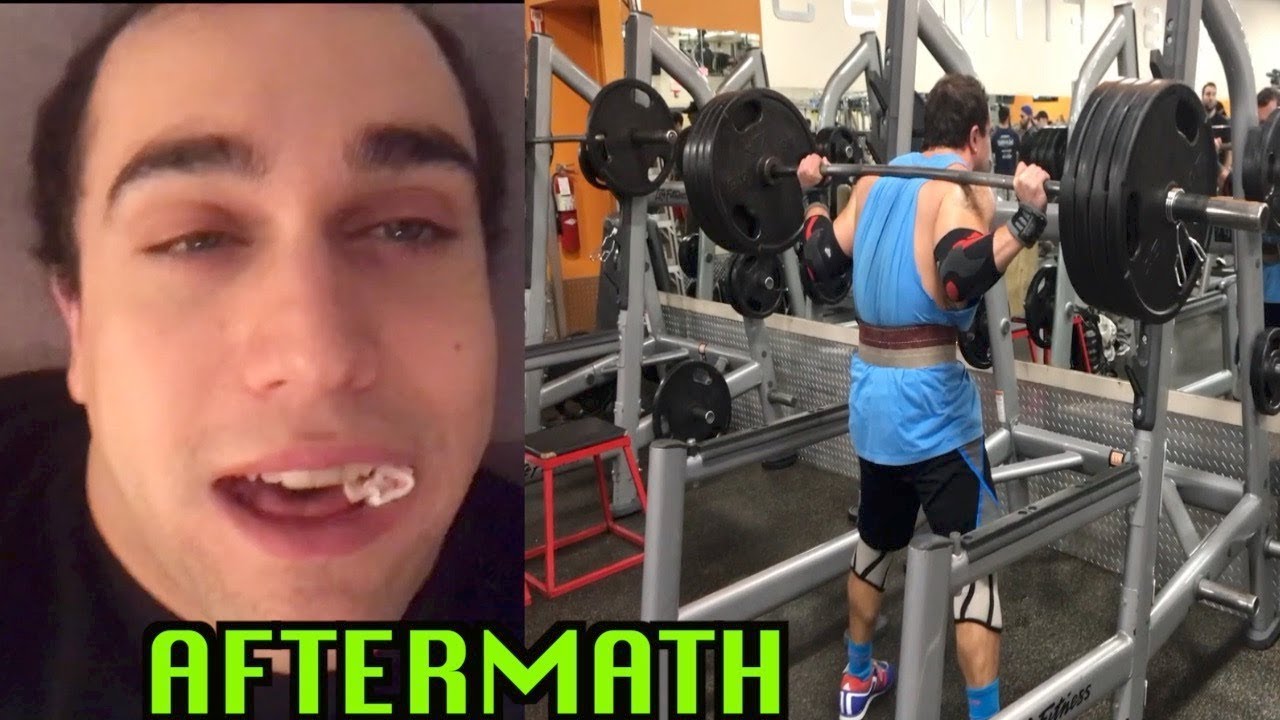
Image Source: i.ytimg.com
Why Rest Matters After Wisdom Teeth Removal
Wisdom teeth extraction is a common surgery. A surgeon removes one or more of your wisdom teeth. These are the last teeth to grow in. Often, they do not have enough room. This can cause pain, infection, or other issues.
After the tooth comes out, a space is left in your jawbone. Your body then forms a blood clot in this space. This blood clot is very important. Think of it as a natural bandage. It protects the bone and nerves underneath. It also helps new tissue grow. This clot is key for proper healing. If the clot gets dislodged, it can lead to a very painful problem called dry socket.
Your mouth needs to heal. This healing starts right after surgery. The first few days are the most important. During this time, your body is working hard. It is closing the wound. It is starting the healing process. Any activity that disturbs this process can cause problems. This is why rest is so important. It gives your body the best chance to heal well.
The Dangers of Early Exercise
It can be tempting to get back to your routine. But exercising too soon after wisdom teeth removal carries big risks. Your mouth is fragile. High heart rates and physical stress can harm your healing.
Dry Socket Risk Exercise
One of the biggest worries is a dry socket. What is a dry socket? It happens when the blood clot that forms in the empty tooth socket gets dislodged. Or it might not form at all. This leaves the bone and nerves exposed. It causes a sharp, throbbing pain. This pain can go up to your ear, eye, or temple. It often smells bad too.
Exercise can make you get a dry socket. When you exercise, your blood pressure goes up. This can make the blood clot pop out. Also, the sucking motion you make when you drink from a straw can cause a dry socket. But so can the strong movements of exercise. This is why wisdom teeth extraction exercise guidelines tell you to rest. Avoiding exercise in the first few days is vital. It helps protect that important blood clot.
Blood Clot After Wisdom Teeth Exercise
Your blood clot is fragile at first. Strenuous activity after tooth removal puts stress on it. When you work out, your heart pumps blood faster. This sends more blood to your mouth. This increased blood flow can push the blood clot out of place. If the clot comes out, the healing process stops. You will feel a lot of pain. You might need to go back to your surgeon. They will clean the area and put a new dressing on it. This means more recovery time for you.
Swelling and Bleeding After Wisdom Teeth Exertion
Exercise makes your blood flow faster. This is good for your muscles. But it is bad for a healing wound in your mouth. Increased blood flow can make swelling worse. It can also cause fresh bleeding.
After wisdom teeth removal, some swelling is normal. It often peaks 2-3 days after surgery. Gentle ice packs can help. But if you exercise, you will make the swelling worse. You might also start bleeding again. This bleeding can be hard to stop. It can make you feel weak. It can also delay your healing. This is why post-wisdom teeth workout restrictions are so strict at first. They aim to prevent extra swelling and bleeding.
Other Problems from Early Exercise
Beyond dry socket and bleeding, exercising too soon can cause other issues:
- More Pain: Your body is healing. Exercise puts stress on it. This can make your pain much worse. You might need more pain medicine.
- Infection Risk: When the blood clot is gone, the empty socket is open. Bacteria from your mouth can get in. This can lead to an infection. Signs of infection include fever, pus, or more pain and swelling.
- Delayed Healing: All these problems slow down your recovery. You want to heal quickly. Resting helps this happen. Pushing your body too soon makes it heal slower.
Wisdom Teeth Extraction Exercise Guidelines: The Timeline
Knowing when to return to activity is key. There is no exact day that applies to everyone. Your healing is unique. It depends on how complex your surgery was. It also depends on your body. Always listen to your oral surgeon first. They will give you specific advice. But here is a general timeline.
General Guidance
Always talk to your surgeon before you start any exercise. They know your case best. They can tell you if you are ready. They might say you need more time. Or they might say you can start light activity. Do not guess. Ask.
Day 1-3: Absolute Rest (The Critical Phase)
These first few days are the most important for healing. Your blood clot is forming and settling. This is when the risk of a dry socket is highest.
- Activity: You must not do any physical activity. No gym. No running. No lifting. Do not even do chores around the house. Rest is the main goal.
- Focus: Your focus should be on keeping the blood clot in place. Manage swelling with ice packs. Drink plenty of clear fluids. Eat soft foods.
- Avoid: Any motion that could put pressure on your jaw or increase blood flow to your mouth. This includes bending over or lifting anything heavy. Even talking too much can be a problem.
Day 4-7: Gentle Movement (The Light Activity Phase)
By day 4, your blood clot should be more stable. Swelling might start to go down. You might feel a bit better.
- Activity: You can start very light activity. Think of gentle walking. Do not push yourself. This is not the time for strenuous activity after tooth removal. Keep your heart rate low.
- Duration: Keep walks short, like 10-15 minutes.
- Monitor: Pay close attention to your body. If you feel any pain, throbbing, or notice any bleeding, stop right away. Go back to resting.
- Avoid: Still avoid lifting weights after wisdom teeth removal. No running. No high-impact sports.
Day 7-10: Gradual Return (The Cautious Reintroduction Phase)
Many people feel much better by day 7. The risk of dry socket is much lower now. You can start to slowly bring back some of your normal activities.
- Activity: You might try low-impact exercise. This could be light cycling on a stationary bike. Or maybe some gentle yoga without inversions. Keep it light. Do not push for a full workout.
- Intensity: Keep your heart rate moderate. You should be able to talk easily while doing the activity.
- Listen to Your Body: This is crucial. If anything feels off, stop. Any pain, swelling, or bleeding means you are doing too much.
- Still Avoid: Avoid heavy lifting. Avoid running after wisdom teeth removal. Jumping or any activity that jars your head should still be avoided.
Day 10-14+: Full Clearance (The Resumption Phase)
By this point, most people are healing well. The sockets are often closing up nicely.
- Activity: You can usually start to return to your regular workout routine. Start slowly. Do not jump straight into your hardest workout.
- Increase Slowly: Add intensity and duration over several days.
- Check with Surgeon: It’s a good idea to have a follow-up with your surgeon. They can check your healing. They can give you final clearance for all activities.
- Caution: Even if you feel great, be careful. The bone underneath is still healing for weeks or months. But the risk of hurting the initial clot is very low now.
Here’s a table summarizing the general timeline:
| Day After Surgery | Activity Level | What to Do / Not Do | Key Risks to Avoid |
|---|---|---|---|
| Day 1-3 | Absolute Rest | No physical activity at all. No lifting, bending, or straining. | Dry Socket, Severe Bleeding, More Swelling |
| Day 4-7 | Very Light Activity | Gentle walking (10-15 mins). Keep heart rate low. | Dry Socket (lower risk), Bleeding |
| Day 7-10 | Gradual, Low-Impact Activity | Light cycling, gentle yoga (no inversions). Monitor carefully. | Minor Bleeding, Discomfort |
| Day 10-14+ | Slowly Return to Normal Activities | Gradually increase intensity and duration. Consult surgeon. | Overexertion, Slight Discomfort |
Specific Activities and Their Risks
Different exercises carry different risks after wisdom teeth removal. Some are safer than others.
Lifting Weights After Wisdom Teeth
Lifting weights is one of the riskiest activities after wisdom teeth removal. When you lift heavy weights, you strain your body. You often hold your breath. This builds pressure in your chest and head. This pressure can easily dislodge the blood clot. It can also cause more bleeding or swelling.
- Avoid Completely: For at least 7-10 days. Many surgeons suggest two weeks or more.
- When to Start: When you do start, begin with very light weights. Do not lift heavy loads. Increase weight slowly over time. Listen to your body. Any pain means you need to stop.
Running After Wisdom Teeth
Running is also high risk. It involves a lot of jarring motion. Each step sends a slight shock through your body. This can disturb the delicate healing site. Running also raises your heart rate very high. This increases blood flow to your mouth, which can cause bleeding or swelling.
- Avoid Completely: For at least 7-10 days. Maybe even longer for long runs.
- When to Start: When you do start, begin with light jogging. See how you feel. If you feel any discomfort or throbbing, stop. You might want to try brisk walking before running.
Other Activities
- Yoga/Pilates: Gentle, restorative yoga or Pilates might be okay after 7-10 days. But avoid any poses that involve inversions (head below heart). Also avoid poses that require straining or holding your breath. These can increase pressure.
- Swimming: Avoid swimming for at least 7 days. Pool water can have bacteria. This can lead to an infection in the open wound. The pressure changes when diving or swimming underwater might also be an issue.
- Walking: This is generally the safest form of exercise. After 3-4 days, light walking is often fine. Keep it slow. Do not go too far. It helps with blood flow but does not put stress on the wound.
- Cycling (Stationary Bike): This can be a good option after 7-10 days. It is low impact. You can control the intensity. Avoid outdoor cycling at first. You might fall, which could injure your jaw.
Exercise Precautions Wisdom Teeth: Key Considerations
Even when you start to exercise again, you need to be careful. Here are vital tips to protect your healing mouth.
Listen to Your Body
This is the most important rule. Your body will send you signals. If you feel pain, throbbing, or discomfort, stop. Do not push through it. Pain means something is wrong. Rest is often the best medicine.
Stay Hydrated
Drink plenty of water. It helps your body heal. It also prevents dry mouth. But remember, do not use a straw! Sucking can dislodge the blood clot. Sip water gently.
Soft Diet
Keep eating soft foods for a while. Chewing hard foods puts stress on your jaw. This can also disturb the healing site. Stick to things like soup, mashed potatoes, yogurt, and smoothies (no straw!).
Monitor for Pain, Swelling, Bleeding
Keep checking your mouth. Is the pain getting worse? Is the swelling increasing instead of going down? Are you bleeding again? If you notice any of these signs after exercising, stop right away. Contact your oral surgeon if the issues do not get better quickly.
Stop if Any Discomfort
Even a little discomfort is a sign. Do not ignore it. It means you are doing too much. Or your body is not ready yet.
Consult Your Dentist/Oral Surgeon
Before you start any exercise, talk to your oral surgeon. They will tell you when it is safe. They can give you advice based on your specific surgery and healing. They might even say you need more time. This is normal. Follow their advice.
Fathoming the Healing Process
It helps to know what is happening inside your mouth. This can make you more patient with your recovery.
When a wisdom tooth is pulled, it leaves a hole. This hole is called a socket. Soon, blood fills this socket. It forms a stable blood clot. This clot is a protective barrier. It keeps food and bacteria out. It also lets your body start to rebuild.
Over the next few days, new soft tissue starts to grow over the clot. This is called granulation tissue. It is pink and tender. It covers the clot and the open area. This tissue helps to protect the site even more.
After about a week to 10 days, the soft tissue should cover the socket well. This means the risk of dry socket is much lower. But the healing is not done. Underneath this new soft tissue, your bone is also healing. New bone gradually grows into the socket. This process takes weeks or even months.
Even if you feel fine on the surface, your jawbone is still mending. This is why careful exercise precautions wisdom teeth patients need to follow are so important. You want to make sure the bone heals strong. Rushing back to heavy activities can slow down or hurt this deeper bone healing process.
What to Do If You Experience Problems
Sometimes, even with care, issues can arise. Knowing what to look for and what to do is important.
Signs of Dry Socket
- Severe Pain: This is the main sign. The pain is much worse than regular post-op pain. It often starts 2-4 days after surgery. It can spread to your ear, temple, or neck.
- Bad Taste or Smell: You might notice a foul taste or smell from your mouth.
- Visible Socket: The blood clot might be missing. You might see bone in the socket.
What to Do: If you think you have a dry socket, call your oral surgeon right away. They can clean the area. They can put a special dressing in the socket to ease the pain. This will help the healing process restart.
Excessive Bleeding
Some light bleeding is normal after surgery. It might look like pink saliva. But if you have bright red blood that fills your mouth, that is too much. Or if the bleeding does not stop with gentle pressure.
What to Do: Place a clean, damp gauze pad over the bleeding area. Bite down firmly for 30-60 minutes. If the bleeding still does not stop, call your surgeon.
Severe Pain Not Controlled by Medicine
Normal pain medicine should help your pain. If your pain is very bad and the medicine does not work, it is a concern.
What to Do: Call your surgeon. They might need to check the site. They might give you stronger medicine.
Increasing Swelling
Swelling usually peaks around day 2 or 3. Then it starts to go down. If your swelling gets worse after day 3, or if it suddenly increases, it is a sign of a problem.
What to Do: Call your surgeon. This could be a sign of infection.
Fever
A low-grade fever (under 100°F or 37.8°C) might be normal. But a high fever (over 101°F or 38.3°C) could mean an infection.
What to Do: Call your surgeon right away if you have a high fever.
Conclusion
After wisdom teeth removal, patience is your best friend. Your body needs time to heal. Rushing back to the gym or strenuous activities can lead to painful problems. These include dry socket, more bleeding, and swelling. Listen to your oral surgeon’s advice. Follow the wisdom teeth extraction exercise guidelines. Start with absolute rest. Then slowly add light, low-impact activities. Only return to your full workout when your surgeon gives the OK. Your body will thank you for taking the time to recover properly. A little patience now means a much smoother and faster healing process overall.
Frequently Asked Questions (FAQ)
Q: Can I lift weights a week after wisdom teeth removal?
A: No, it is generally not safe to lift weights a week after wisdom teeth removal. Most oral surgeons recommend waiting at least 10 to 14 days, or even longer, before lifting any heavy weights. Lifting can cause too much pressure in your mouth and head. This can dislodge the blood clot and lead to problems like a dry socket or bleeding. Start with very light weights only after your surgeon gives permission.
Q: How long do I need to rest after wisdom teeth removal?
A: You need complete rest for the first 3 days after wisdom teeth removal. This means no physical activity at all. After that, you can slowly introduce very light activity like gentle walking. Strenuous exercise should be avoided for at least 7 to 10 days. The full rest time depends on your healing. Always follow your surgeon’s specific advice.
Q: What happens if I exercise too soon after wisdom teeth removal?
A: If you exercise too soon, you risk several problems. These include getting a dry socket (when the blood clot comes out). You also risk increased bleeding and swelling. Exercise raises your heart rate and blood pressure. This can make the healing site vulnerable. It can also cause more pain and delay your recovery.
Q: Can I go for a walk after wisdom teeth removal?
A: Yes, light walking is usually okay after 3 to 4 days, but only if you feel well. Keep the walks short and slow, around 10-15 minutes. Make sure your heart rate stays low. If you feel any pain or throbbing, stop immediately. Do not push yourself. Walking can help with blood flow and circulation without putting too much stress on the healing area.
Q: When can I eat normally and exercise fully after wisdom teeth removal?
A: You can usually start eating more solid foods after about a week to 10 days, depending on how quickly you heal. Always try soft foods first. For full exercise, most people can gradually return to their normal routine after 10 to 14 days. However, this varies. Always get approval from your oral surgeon before doing any intense workouts. They will check your healing and tell you when it’s safe to fully resume all activities.