
When you get a tooth pulled, your body needs time to heal. One big question many people have is, “Can I do exercise after tooth extraction?” The short answer is: No, not right away. You should not do any hard exercise for at least 24 to 48 hours after your tooth is pulled. This is very important. Doing too much too soon can stop your mouth from healing well. It can also lead to problems like bleeding or a painful dry socket. This expert advice will help you know when and how to get back to being active.
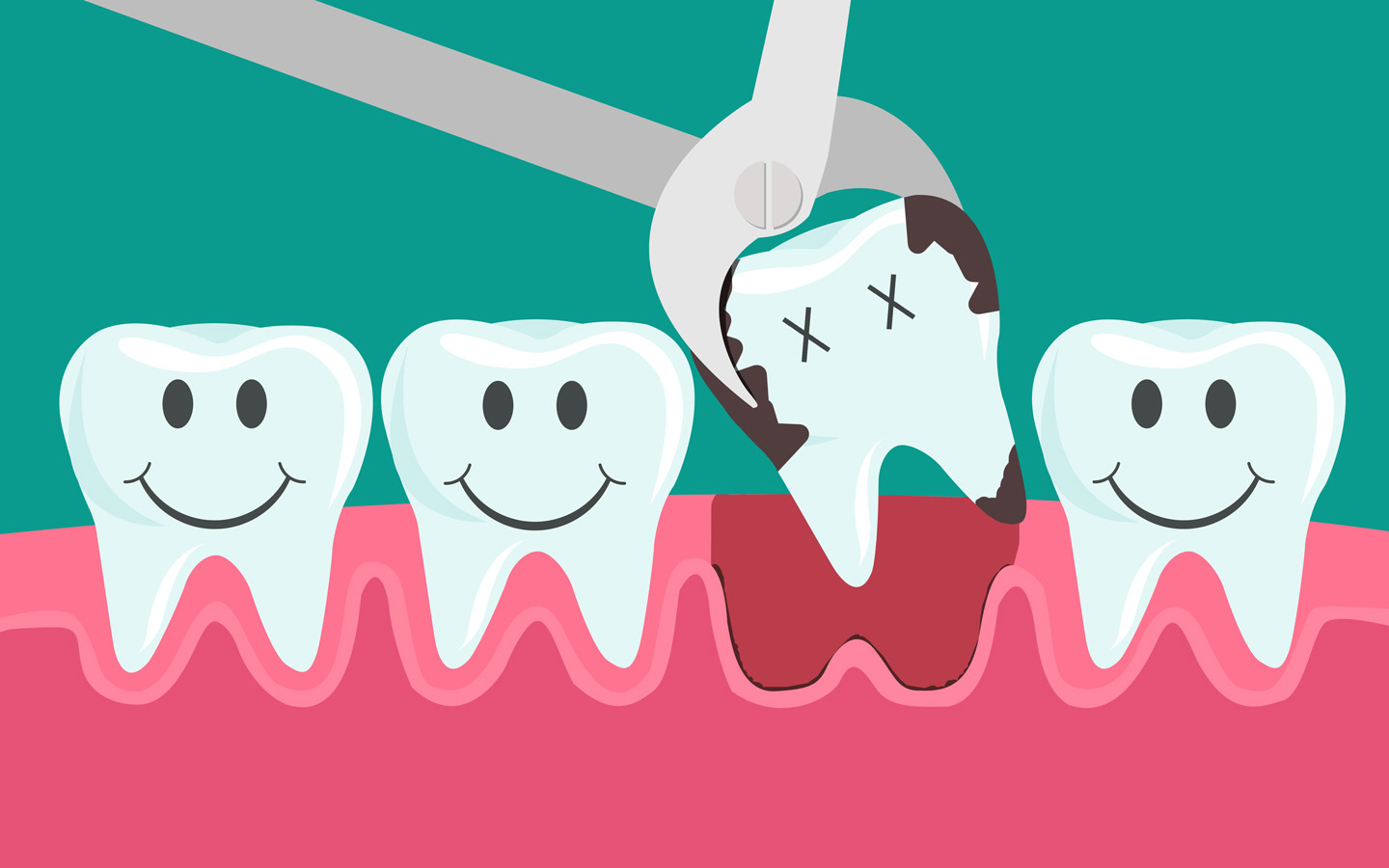
Image Source: www.medicomdtx.com
The First 24-48 Hours: Rest is Best
After a tooth comes out, a blood clot forms in the empty space. This clot is like a natural bandage. It helps your gum heal. It also protects the bone and nerves below. For the first day or two, your main job is to let this clot stay in place.
Doing any kind of hard work or exercise can be bad during this time. Why? Because it can raise your blood pressure. When blood pressure goes up, it can make the clot move or fall out. This is a common reason for problems. Many people ask about the dry socket exercise risk. If the clot falls out too early, the bone and nerves get open to air and food. This causes a very painful problem called dry socket.
It is also common to have some bleeding gums exercise tooth extraction. Even light exercise can make your gums bleed more. This is because movement increases blood flow. More blood flow means more chance for fresh bleeding. This is why strenuous activity post extraction is a big no-no. It is best to just rest and let your body start to fix itself. Your dentist will tell you exactly what to do. Always follow their advice.
Grasping the Risks: Why Exercise is Risky
It is helpful to know why staying still is so important after having a tooth removed. The risks are real. They can cause a lot of pain and slow down your healing time.
What is Dry Socket?
Dry socket is one of the most painful things that can happen after a tooth extraction. It happens when the blood clot that should form in the empty socket either does not form or gets dislodged too early. When this happens, the bone and nerves inside the socket become open. They are no longer covered. This can cause a dull, throbbing pain that starts a few days after the tooth was pulled. The pain can spread to your ear, eye, or neck. It is much worse than normal healing pain. It needs a trip back to the dentist to fix.
How Exercise Increases Dry Socket Risk
When you exercise, your heart beats faster. This makes your blood flow quicker and raises your blood pressure. This extra pressure in your mouth can cause the fresh, soft blood clot to come out. It can pop out of the socket. This is a direct way that preventing dry socket with exercise precautions becomes very important. Even simple things like bending over can increase head pressure enough to move the clot. So, hard work is a big risk.
Bleeding Concerns
After your tooth is pulled, you will have some bleeding. Your dentist will have you bite on gauze to help stop it. Exercise makes your heart pump more blood. This can make the bleeding start again or get worse. Imagine a small cut on your hand. If you run around, it might bleed more. The same is true for your tooth socket. More bleeding is not only messy but also delays healing. It can also make it harder for a stable clot to form.
Pain and Swelling
Most people have some pain and swelling after a tooth comes out. Your body is trying to heal. Exercise can make these things worse. When you move a lot, especially if it involves your head or jaw, it can put stress on the healing area. This can lead to more pain. It can also make the swelling last longer. This can make you very uncomfortable. It can also slow down your ability to eat and speak normally.
Light Exercise After Tooth Removal: When and How?
You might feel better after a day or two. Then you might wonder about light exercise after tooth removal. Is it okay? The answer is: maybe, but with great care. And only if your dentist says it is okay.
When is “Light” Okay?
Generally, you should wait at least 24 to 48 hours. Some dentists say 72 hours. This gives the blood clot a good chance to become stable. Even then, “light” means very gentle activity. Think of it as a small test of how your body feels. Do not push yourself at all. If you feel any pain, stop right away. If you see any new bleeding, stop at once.
Examples of Safe Exercise Post Dental Extraction
If your dentist gives the green light, here are some very gentle activities you might consider:
- Gentle Walking: A slow, easy walk around your house or yard. This is not for getting your heart rate up. It is just for light movement.
- Very Gentle Stretching: Think of slow, easy stretches. Do not stretch your neck or jaw much. Avoid any stretches that make you strain.
- Desk Work: If your work is not physical, it is usually fine after a day or so. Just avoid leaning down too much.
Remember, the goal is to move just enough to feel normal, but not enough to cause any trouble. This is not the time for your regular workout routine.
Monitoring Your Body
This part is key. You must listen to your body.
* Pain: If you feel any new or worse pain, stop.
* Bleeding: If you see any new bleeding, stop.
* Swelling: If your swelling gets worse, stop.
* Dizziness or Weakness: If you feel dizzy or weak, stop and sit down.
Your body will tell you if you are doing too much. Do not ignore these signs. Pushing through pain can cause major problems.
Hydration and Nutrition
While you are resting and healing, taking care of your body in other ways helps a lot. Drink plenty of water. This helps your body heal. It also helps prevent dry mouth. Eat soft, healthy foods. Foods like soups, yogurt, and mashed potatoes are good choices. Good food gives your body the energy it needs to fix itself. Avoid hot, spicy, or crunchy foods. These can hurt the healing area.
How Long After Tooth Extraction Can I Workout? A Timeline
This is a common question: how long after tooth extraction can I workout? The exact time varies for everyone. It depends on how hard your tooth was to pull. It also depends on how well you heal. But there are general rules. This table shows a typical timeline. Always talk to your dentist first. They know your case best.
| Time After Extraction | Activity Level | Important Notes |
|---|---|---|
| Day 1-2 | No Exercise | Absolute rest. Avoid all strenuous activity. Focus on keeping the clot in place. Take pain meds as directed. Keep your head up. |
| Day 3-7 | Very Light | If no pain or bleeding, very gentle walking or light stretching may be okay. Do not raise heart rate. Stop if any discomfort. |
| Week 1-2 | Light to Moderate | If healing well, you might slowly reintroduce light cardio (like brisk walking) or gentle yoga. Still avoid heavy lifting, running, or anything that causes strain. Listen to your body. |
| Week 2+ | Gradual Return | Most people can slowly return to normal exercise. Start slowly. Watch for pain or problems. For major surgery (e.g., wisdom teeth), it might take longer. |
This table shows general exercise guidelines after tooth extraction. Your healing might be faster or slower. Be patient with your body.
Specific Activities: What to Avoid and When to Reintroduce
Let’s look at some common types of exercise. We will see when it is safe to do them again.
Running After Dental Surgery
Running after dental surgery is usually not okay for at least a week. Running makes your heart beat very fast. It makes your blood pressure go up a lot. It also causes your body to bounce and move. This can easily make the blood clot move or fall out. It can also make bleeding start again. Most dentists suggest waiting 7-10 days before you try to run. When you do start, begin with very short, slow jogs. If you feel any pain or see any bleeding, stop.
Weight Lifting After Tooth Extraction
Weight lifting after tooth extraction is one of the riskiest activities. It should be avoided for a longer time. When you lift weights, especially heavy ones, you often hold your breath and push. This action, called the Valsalva maneuver, puts huge pressure on your whole body, including your head and mouth. This pressure can very easily dislodge the blood clot. It can also cause new bleeding. It can even make your jaw muscles hurt. For light weights, you might wait 1-2 weeks. For heavy weight lifting, wait at least 2-4 weeks, or even longer for complex extractions. Always get your dentist’s okay before you start lifting again.
Yoga and Pilates
Gentle yoga or Pilates might be okay sooner than running or weight lifting. But it depends on the poses.
* Gentle stretching: After 3-5 days, very gentle stretching without head inversions (like downward dog) might be fine. Do not put your head below your heart. This can increase pressure.
* High-intensity yoga or Pilates: Any movements that make you strain, jump, or get your heart rate very high should be avoided for at least 1-2 weeks. This includes power yoga or any quick movements.
The key is “gentle.” If a pose makes you hold your breath or feel any pressure in your head, skip it.
Swimming
Swimming seems gentle. But it can be tricky after a tooth extraction. There are two main concerns:
1. Water pressure: Diving or even swimming fast can create pressure changes in your mouth. This might affect the clot.
2. Infection risk: Public pools have germs. Getting pool water into an open wound can cause an infection. This is a serious risk.
Most dentists suggest waiting at least 1 week, maybe even 2, before swimming. Make sure the socket is mostly closed before you get in the water.
Preventing Dry Socket with Exercise Precautions
Preventing dry socket with exercise is mostly about not exercising at all for the first few days. Then it is about slowly and carefully returning to activity. Here are key points to remember:
- Follow Your Dentist’s Orders: This is the most important rule. Your dentist knows your specific situation. They can give you the best advice.
- Rest Completely at First: For the first 24-48 hours, do nothing. No exercise, no heavy lifting, no bending over. Just rest.
- Start Slow: When you do start moving, go very, very slow. A short, easy walk. Then a bit longer walk. Do not rush.
- Listen to Your Body: Pain is a sign to stop. New bleeding is a sign to stop. Dizziness or weakness means stop.
- Stay Hydrated: Drink plenty of water. This helps your body heal and can prevent dehydration.
- Avoid Straws and Spitting: These actions create suction in your mouth. This suction can pull the blood clot out.
- No Smoking: Smoking greatly increases the risk of dry socket. It also slows down healing.
- Elevate Your Head: When resting, keep your head a bit higher than your body. This helps control swelling and blood flow.
- Ease Back Gradually: Do not jump back into your full workout routine. Increase the intensity and time slowly, over days or even weeks. This is part of safe exercise post dental extraction.
When to Call Your Dentist
Even if you follow all the rules, problems can still happen. Call your dentist right away if you have:
- Severe Pain: Pain that gets much worse after a few days, especially if it does not get better with pain medicine. This is a sign of dry socket.
- Heavy Bleeding: If the bleeding does not stop with gauze, or if it starts again and is heavy.
- Signs of Infection: Fever, swelling that gets worse, pus coming from the socket, or a bad taste/smell in your mouth.
- Numbness: If your numbness lasts for more than 24 hours, it could mean nerve damage.
- Any Other Concerns: If something just does not feel right, it is always best to call.
It is better to be safe than sorry when it comes to your healing.
Frequently Asked Questions (FAQ)
Here are answers to common questions about exercise after tooth extraction.
Can I do light cardio after tooth extraction?
Not for the first 24-48 hours. After that, if your dentist says it is okay, you can try very light cardio. Think of a slow, easy walk. Do not try to get your heart rate up. Avoid anything that makes you breathe hard or strain. Listen closely to your body. If you feel any pain or see any bleeding, stop at once.
What exercises are completely off-limits?
For at least 1-2 weeks, you should completely avoid:
* Heavy weight lifting: This includes squats, deadlifts, bench presses, or any exercise that makes you strain.
* High-impact activities: Running, jumping, intense sports like basketball or soccer.
* Contact sports: Any sport where you might get hit in the face or mouth.
* Inverted yoga poses: Any pose where your head is below your heart.
* Anything that makes you hold your breath and strain.
These activities raise your blood pressure and risk dislodging the blood clot. They can also cause more bleeding and pain.
How does multiple extractions change exercise rules?
If you have more than one tooth pulled, or a more complex extraction (like wisdom teeth), your healing time will likely be longer. This means you will need to wait even longer before exercising. Your dentist will give you specific advice. Often, they will tell you to wait 1-2 weeks before even light exercise. For full return to normal activity, it could be 3-4 weeks or more. Always follow your dentist’s instructions, as healing can be more complex with multiple extractions.
What if I accidentally exercised too soon?
If you did some exercise too soon, do not panic. Stop immediately.
* Check for bleeding: If there is new bleeding, bite down on a clean piece of gauze for 30-60 minutes.
* Check for pain: If you have new or worse pain, take your prescribed pain medicine.
* Rest: Go back to resting.
* Watch for dry socket signs: Keep an eye out for severe, throbbing pain that starts a few days later. This is a sign of dry socket.
* Call your dentist: If you have heavy bleeding that does not stop, severe pain, or any other worries, call your dentist right away. It is important to let them know what happened.
Remember, patience is key to proper healing after tooth extraction. Giving your body the time it needs to recover will help you avoid problems and get back to your normal routine sooner and safer.