
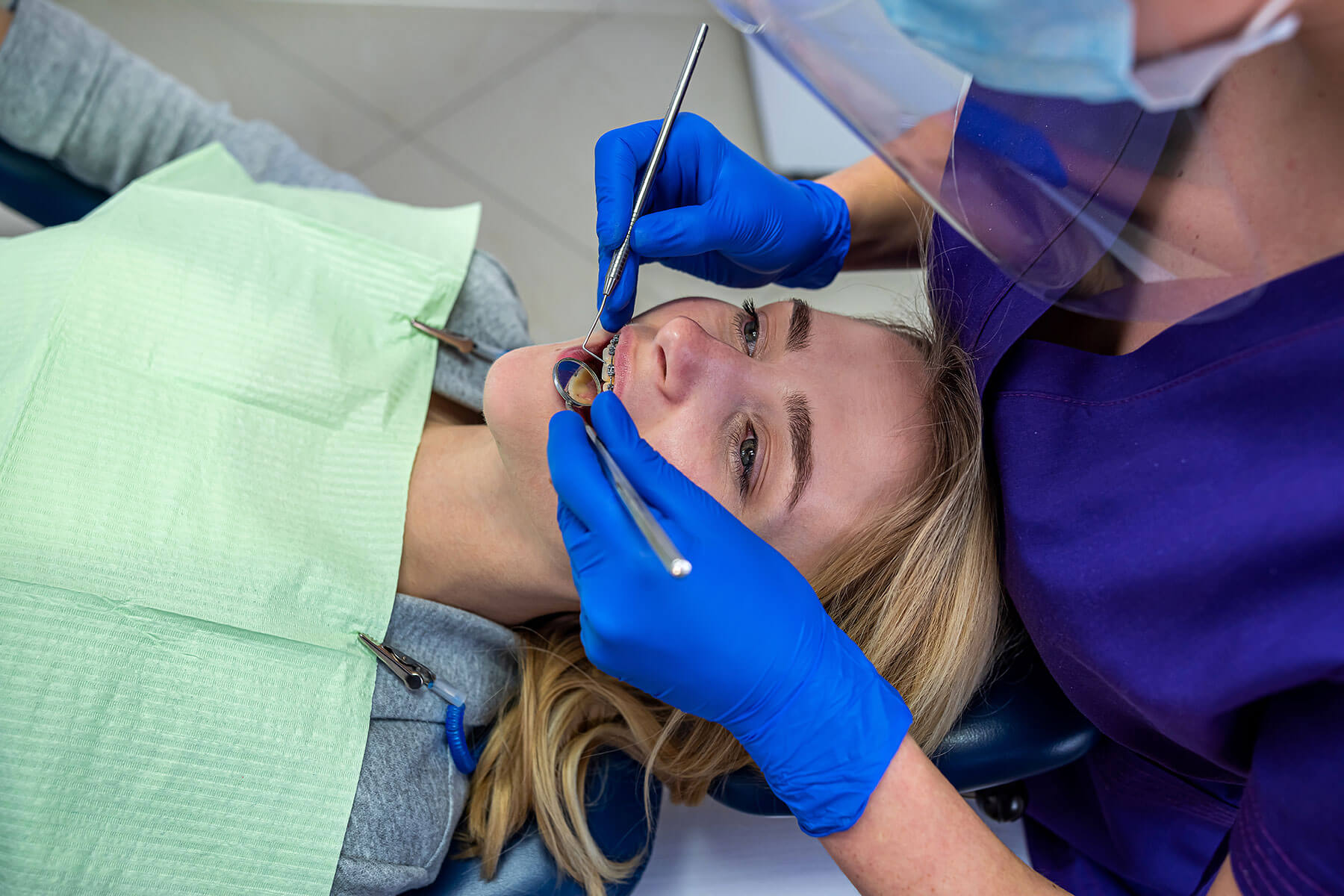
Image Source: www.supremedentistryhouston.com
Can You Exercise After A Root Canal and When Is It Safe?
So, you just had a root canal. You’re likely wondering about getting back to your normal routine, especially your exercise habits. Can you exercise after a root canal? The simple answer is yes, you usually can, but not right away. When it is safe depends on your personal root canal recovery time, how complex the procedure was, and how you are feeling. Most dental professionals suggest waiting at least 24 hours before doing any mild exercise and longer before doing anything more intense.
Grasping What a Root Canal Is
Before talking about exercise, it helps to know a bit about the procedure itself. A root canal treats the inside of your tooth when it gets infected or inflamed.
Why Your Tooth Might Need a Root Canal
Inside your tooth, under the white enamel and hard dentin, is soft tissue called pulp. This pulp has blood vessels, nerves, and connective tissue. It helps the root of your tooth grow during development. If this pulp gets infected (often from a deep cavity, crack, or injury), it can cause pain and swelling. If not treated, the infection can spread. A root canal saves the tooth by taking out the bad pulp.
Simple Steps of the Procedure
- The dentist makes a small opening in the top of the tooth.
- They carefully clean out the infected or damaged pulp using small tools.
- The inside space of the tooth is shaped and cleaned.
- The cleaned space is filled with a special rubber-like material.
- The opening is sealed, usually with a temporary filling first. Later, a crown or final filling protects the tooth.
This process takes out the infected part, but the area around the tooth and the tissues that hold it in place need time to calm down and heal.
The Period Right After: Recovery Starts
Right after a root canal, your body starts the healing process. It’s normal to feel some things.
What to Expect Right After
You might feel sore or have some numbness from the local anesthetic. This usually wears off in a few hours.
Common Feelings
It’s common to have some pain after root canal. This pain is usually managed with over-the-counter pain medicine like ibuprofen (Advil, Motrin) or acetaminophen (Tylenol). Sometimes, the dentist might prescribe stronger medicine if needed. The pain often feels like a dull ache or soreness around the treated tooth.
Possible Swelling
Sometimes, you might see swelling after root canal, especially in the gum area near the tooth. This is your body’s reaction to the procedure and the start of healing. It should be minor and get better over a few days.
Important Post Root Canal Care Steps
Good post root canal care is key to smooth healing. Your dentist will give you specific instructions, but common tips include:
- Avoid chewing on the treated tooth until the numbness wears off and ideally until a permanent filling or crown is placed. This protects the temporary filling.
- Keep the area clean by brushing and flossing gently.
- Avoid very hot or very cold foods and drinks initially.
- Don’t rinse your mouth too hard, especially in the first 24 hours, as this can disturb the healing process.
- Take prescribed medications as directed (pain relievers, antibiotics if given).
- Avoid smoking, as it slows down healing after root canal procedure.
Following these steps helps reduce complications and speeds up recovery, which is important when thinking about when can I exercise after root canal.
Why Exercise Might Be a Problem Early On
Exercise is great for your health, but right after a root canal, it can sometimes cause problems. Here’s why taking a break is a good idea.
Blood Pressure Changes
When you exercise, especially with activities like lifting weights or intense cardio, your blood pressure goes up. Your heart beats faster and pumps blood harder. This increased blood flow can go to the area where you had the root canal, potentially causing more throbbing, discomfort, or pain after root canal exercise.
Risk of Increased Swelling After Root Canal
More blood flow to the treated area can also make any existing swelling after root canal worse. High-impact movements or anything that makes you strain can pump more blood to your head and jaw, which is the last thing you want right where healing is happening.
Impact on Pain After Root Canal Exercise
Even if you don’t feel much pain when resting, exercise can make it noticeable or worse. The pressure changes and increased blood flow can irritate the nerves or tissues that are trying to settle down. If you push through pain, it can make your recovery take longer.
Worry About the Temporary Filling or Blood Clot
Often, a temporary filling is placed after the root canal. Intense activity, especially things that jar your body or increase pressure in your head, could potentially dislodge this filling. Also, if there was any minor bleeding, a clot is forming. Heavy exertion could disturb this. Losing a temporary filling or disturbing a clot exposes the cleaned area, which can lead to infection or setback in healing after root canal procedure.
Affecting the Healing After Root Canal Procedure
Your body needs energy and focus to heal. Doing strenuous exercise too soon diverts this energy. More importantly, the physical stress and increased blood pressure can interfere with the delicate process of tissue repair and bone healing around the root tip. Giving your body rest helps it focus on mending itself properly. This rest period is a crucial part of your root canal recovery time.
Pinpointing the Right Time: Root Canal Recovery Time
Figuring out when can I exercise after root canal is a key question. There’s no single answer that fits everyone, but here’s a general timeline and what to consider.
The First 24 Hours: Strict Exercise Restrictions After Root Canal
This is the most important period for rest. Avoid any kind of strenuous activity. No gym after root canal, no running after root canal, no heavy lifting, not even bending over repeatedly if you can help it. The goal is to keep your blood pressure stable, protect the temporary filling, and let the initial healing begin quietly. Think of this day as mandatory downtime. Gentle walking around the house is usually fine, but nothing that raises your heart rate much. These are the most significant exercise restrictions after root canal.
Days 2-3: Gentle Activities?
By the second or third day, you might be feeling better. Pain and swelling may have lessened. At this point, some gentle activity might be possible if your dentist says it’s okay and you feel up to it.
Examples of Gentle Activity:
- Slow, short walks (not power walking)
- Gentle stretching
- Very light yoga (avoiding inversions or poses that put your head below your heart)
Listen carefully to your body. If you feel any throbbing, increased pain, or discomfort in the treated area, stop immediately. This is your body telling you it’s not ready.
Day 4 and Beyond: Stepping Up?
For most people, significant healing after root canal procedure has occurred by day 4 or 5. This is often when people consider returning to more normal activities. However, it still depends on how you feel.
If pain is gone or minimal and easily managed with over-the-counter medication, and any swelling after root canal has gone down, you might be able to try moderate exercise.
Factors That Influence When Can I Exercise After Root Canal
Several things play a role in your personal root canal recovery time and when can I exercise after root canal:
- Complexity of the Procedure: Was it a straightforward root canal, or was it complicated (e.g., hard-to-find canals, re-treatment, infection spreading)? More complex procedures often mean a longer recovery.
- Your Overall Health: Do you have other health conditions that affect healing?
- How You Are Feeling: Are you still in significant pain after root canal? Do you still have swelling after root canal? Persistent symptoms mean you need more rest.
- Your Dentist’s Advice: Always, always follow the specific instructions given by your dentist. They know the details of your procedure and your medical history.
It’s often best to wait until you are mostly pain-free without needing strong pain medication and the swelling after root canal has clearly reduced before trying any exercise beyond light walking.
Types of Activity: Light vs. Intense Exercise Root Canal
Not all exercise is the same when you’re recovering. What you do matters.
What Counts as Light Exercise?
Light exercise is activity that doesn’t make you breathe hard or significantly raise your heart rate. You should be able to talk normally while doing it.
- Slow walking
- Gentle stretching (avoiding putting your head down)
- Slow, easy cycling on a flat surface or stationary bike (no hills or sprinting)
- Very light housework
These activities are generally safer sooner in the root canal recovery time.
What Counts as Moderate Exercise?
Moderate exercise makes your heart beat faster and you breathe harder, but you can still talk, maybe not in full sentences.
- Brisk walking
- Cycling at a moderate pace
- Using an elliptical machine at a steady pace
- Swimming (discuss with your dentist, especially if there are concerns about water pressure or infection)
These activities increase blood flow more than light exercise and should be approached with caution, typically not before 48-72 hours and only if you feel well.
What Counts as Intense Exercise?
Intense exercise root canal refers to activities that make your heart pound, you breathe very heavily, and you can only say a few words at a time.
- Running after root canal or jogging
- Heavy weightlifting (gym after root canal)
- High-intensity interval training (HIIT)
- CrossFit
- Contact sports
- Activities involving jumping or jarring movements
- Anything that requires straining or bearing down
These activities significantly increase blood pressure and the risk of problems. They should be avoided for a longer period during the root canal recovery time.
Guidelines for Returning to Exercise
When you do decide to get back to moving, here are some simple rules to follow.
Listen to Your Body
This is the most important rule. Pain is your body’s way of saying something is wrong. If you feel pain after root canal exercise, stop. Don’t try to push through it. Increased discomfort, throbbing, or pain in the treated area means you are doing too much too soon.
Start Slow and Build Up
Don’t go from the couch straight back to your hardest workout. Begin with light activity. If that feels okay for a session, try moderate activity the next time. Slowly increase the intensity and duration over several days. Don’t jump right back to intense exercise root canal.
Avoid Activities That Increase Head Pressure
Anything that involves heavy lifting, straining, or putting your head below your heart (like inversions in yoga or certain weightlifting moves) can increase pressure in your head and jaw area. This can worsen swelling after root canal or cause pain after root canal exercise. Try to keep your head above your heart as much as possible during the initial recovery.
Hydration is Key
Staying well-hydrated supports your body’s healing after root canal procedure. Drink plenty of water, especially before, during, and after any exercise.
What to Do if Pain After Root Canal Exercise Starts
If you start exercising and feel pain or discomfort in the area of your root canal:
- Stop the exercise immediately.
- Rest and see if the pain goes away.
- You can take an over-the-counter pain reliever if needed (check with your dentist first if you weren’t already taking them).
- Apply a cold compress to the outside of your face near the tooth for 15-20 minutes at a time (with a cloth barrier) to help with swelling after root canal.
- If the pain is severe or doesn’t go away, contact your dentist. It could be a sign of a problem.
Specific Activities: Gym After Root Canal and Running After Root Canal
Let’s look at some common types of exercise specifically.
Gym After Root Canal: Lifting Weights
Lifting weights often involves straining and increases blood pressure significantly.
* Avoid heavy lifting completely in the first few days. This is a definite exercise restriction after root canal.
* Light weights or resistance bands might be okay sooner (maybe after 3-4 days), but only if you use very light resistance and focus on form without straining.
* Avoid exercises where your head is down (like bent-over rows or inverted presses).
* Pay attention to any clenching of your jaw that might happen during lifting. This puts pressure on the treated tooth.
* Wait longer, perhaps a week or more, before returning to your normal heavy weight routine at the gym after root canal.
Gym After Root Canal: Cardio Machines
Cardio can be okay sooner than heavy lifting, but intensity matters.
* Treadmill/Walking: Gentle walking is fine early on. Brisk walking might be okay after a few days. Running after root canal should wait longer (see below).
* Elliptical/Cycling: Good options for moderate cardio as they are low-impact. Start slow and increase intensity only when you feel comfortable and have no symptoms.
* Stair Climber: This can be intense and might increase head pressure. Use caution.
Running After Root Canal: Pacing Yourself
Running after root canal involves impact and significantly increases heart rate and blood pressure. This puts stress on your whole body, including the area that is trying to heal.
* Avoid running for the first few days. This is a key exercise restriction after root canal.
* When you do start running (often not before 5-7 days, and possibly longer), start with very short distances or intervals (run for 1 minute, walk for 2 minutes).
* Listen intently to your body. Any throbbing, pain, or discomfort means you need to stop.
* It may take 1-2 weeks or even more to get back to your normal running after root canal routine, depending on your root canal recovery time.
Signs Your Body Needs More Rest
While getting back to exercise is tempting, know the signs that tell you to back off and give your body more time for healing after root canal procedure.
Increased Swelling After Root Canal
If your face or gum area gets noticeably more swollen after exercising, you did too much. Apply cold and rest.
Worsening Pain After Root Canal Exercise
If the ache becomes sharp, throbbing, or much worse after your workout, it’s a clear sign to stop and wait longer before trying again. Mild soreness is one thing, but increased or new pain is a warning.
Bleeding
Any new bleeding from the treated tooth or gum area after exercise is a definite sign you need more rest and should contact your dentist.
Feeling Unwell
If you feel dizzy, nauseous, or generally unwell after exercise, it could be related to overexertion while your body is still recovering.
Consulting Your Dentist is Key
Every root canal procedure and every person’s healing is different. The best source of advice on when can I exercise after root canal is your dentist.
Getting Personalized Advice
Before returning to any form of exercise, especially moderate to intense exercise root canal, call your dentist’s office. Tell them what kind of activity you want to do and ask for their specific recommendation based on your procedure and your healing progress. They can give you tailored advice and help you understand your expected root canal recovery time.
Summary of Post Root Canal Care and Exercise Timelines
Here’s a simple look at typical timelines, but remember to always follow your dentist’s specific instructions.
| Time After Root Canal | Recommended Activity Level | Notes |
|---|---|---|
| First 24 Hours | Strict Rest. Light walking around the house ONLY. | Avoid bending, lifting, straining, anything that raises heart rate significantly. Protect the temporary filling. Key exercise restrictions after root canal. |
| Days 2-3 | Very Gentle Activity. Slow walks, light stretching. | Only if you feel well, minimal pain after root canal, swelling after root canal is decreasing. Stop if you feel discomfort. |
| Days 4-7 | Gradual Return to Moderate Activity. Brisk walking, elliptical, cycling. | Start slowly, listen to your body. Avoid anything that feels jarring or increases head pressure. Check for pain after root canal exercise. |
| Week 2 and Beyond | Gradual Return to Intense Activity. Running, weights. | Only if you are mostly pain-free, swelling is gone. Start with lower intensity/duration than normal. Slowly increase. Full gym after root canal or running after root canal might take 1-2 weeks. |
This is a general guide. Your individual root canal recovery time may vary. Always check with your dentist.
Remember, proper post root canal care includes giving your body the rest it needs for proper healing after root canal procedure. Rushing back into exercise can risk setbacks.
Frequently Asked Questions (FAQ)
Can I lift weights after a root canal?
It’s best to avoid lifting weights, especially heavy weights, for at least several days after a root canal. Heavy lifting increases blood pressure and can cause throbbing, pain after root canal exercise, or even dislodge the temporary filling. Wait until you feel well and check with your dentist before returning to the gym after root canal for weightlifting.
Is running after root canal okay right away?
No, running after root canal is generally not recommended right away. Running is high-impact and significantly raises blood pressure, which can worsen symptoms and affect healing. Wait at least several days, often a week or more, and start with very short, slow runs if your dentist approves and you feel completely fine.
How long is root canal recovery time typically before exercise?
The most critical root canal recovery time before considering exercise is the first 24-48 hours, during which strict rest is advised. Light activity might be possible after 2-3 days. Returning to moderate or intense exercise root canal usually requires waiting 4-7 days or longer, depending on your individual healing and symptoms.
What if I have swelling after root canal? Can I still exercise?
If you still have noticeable swelling after root canal, it’s a sign that your body is still healing actively. Exercising with swelling can make it worse due to increased blood flow. It’s best to wait until the swelling has significantly reduced before attempting any exercise beyond light walking.
What kind of post root canal care affects exercise?
Good post root canal care, like avoiding chewing on the tooth, taking prescribed medications, and keeping the area clean, helps promote faster healing after root canal procedure. When healing goes smoothly, your body is ready for exercise sooner. Avoiding things that can cause problems (like smoking or vigorous rinsing initially) is also part of care that helps you get back to activity faster.
Conclusion
Having a root canal is a common and effective way to save a tooth. While you’ll likely want to return to your normal activities, including exercise, quickly, it’s important to be patient during the root canal recovery time. Listen to your body, follow your dentist’s post root canal care instructions, and start with light activity before gradually returning to moderate or intense exercise root canal. Avoiding things like heavy lifting or running after root canal too soon can prevent complications like increased swelling after root canal or pain after root canal exercise and ensure proper healing after root canal procedure. When in doubt about when can I exercise after root canal, always check with your dental professional. They are the best resource to guide you safely back to your routine.