
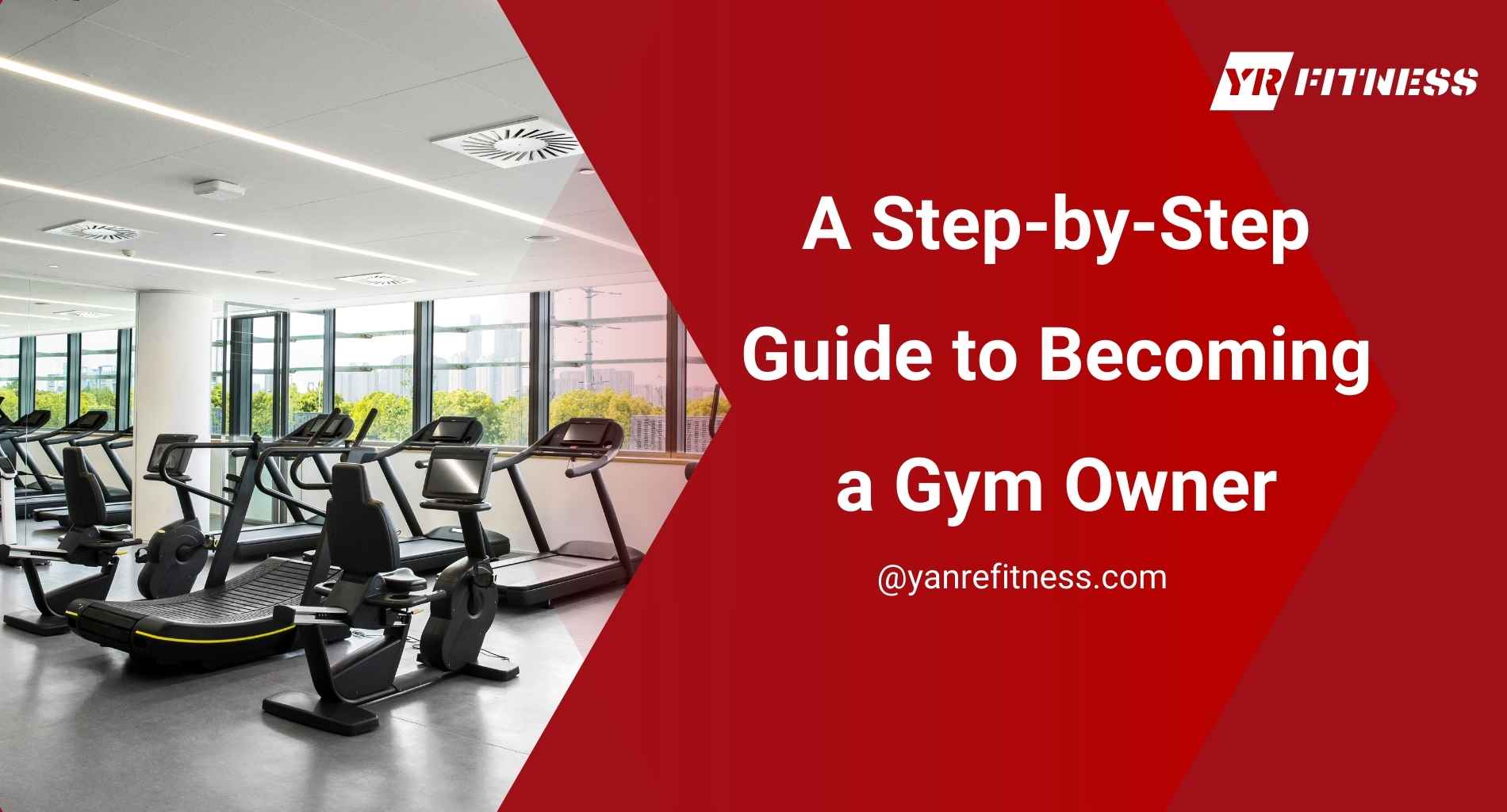
Image Source: www.yanrefitness.com
How To Become A Gym Owner: Your Ultimate Step-by-Step Guide
Do you dream of helping people get fit? Do you want to build a place where health grows? Then becoming a gym owner might be your path. A gym owner runs a fitness center. They manage staff, equipment, and members. Anyone with drive and a good plan can open a gym. It takes hard work. It also takes smart choices. How much does it cost? The money you need changes a lot. It depends on your gym’s size and type. This guide will show you how to start your own gym, step by step. We will cover everything from plans to profits.
Step 1: Research and Planning
Every great gym starts with a great idea. It needs a strong plan. This first step builds your base. It helps you see your dream clearly.
Define Your Niche and Vision
Think about what kind of gym you want. Will it be a big gym with many machines? Or a small studio for yoga? Maybe a special place for high-intensity training? Your niche is your special area. It sets you apart.
- What kind of gym? Do you want a 24/7 access gym? A luxury health club? A CrossFit box? A studio for Pilates or spin?
- Who is your target client? Young people? Families? Older adults? People new to fitness? Busy professionals? Knowing your client helps you make good choices.
- Your core values. What is most important to your gym? Is it community? Top-level training? Affordability? These values guide your actions.
Crafting Your Fitness Business Plan
A fitness business plan is your roadmap. It shows where you are going. It tells how you will get there. This plan is key for funding a gym business. It shows lenders you are serious.
- Executive Summary: A short overview of your whole plan. It states your gym’s mission. It highlights your key goals.
- Company Description: Tell about your gym. What is its legal name? What makes it special? What problem does it solve for clients?
- Market Analysis: Look at the fitness world. Who are your rivals? What do they do well? What can you do better? What do people in your area need? Research local demographics. Find out if they want your type of gym.
- Services and Products: List what your gym offers. This includes group classes, personal training, and membership types. Will you sell drinks or gear?
- Marketing Plan: How will people find your gym? Think about ads, social media, and local events. How will you bring in new members?
- Management Team: Who will run the gym? List key people. Show their skills. Even if it’s just you now, talk about your background.
- Financial Projections: This is a big part. How much money do you expect to make? How much will you spend? Show sales forecasts. Include your profit and loss statements. You need to show how your fitness center profitability will grow over time.
A good business plan is like a blueprint. It guides every choice you make.
Step 2: Grasping Legal and Financial Basics
Before you open doors, you must set up the legal and money side. This step makes sure you play by the rules. It keeps your gym safe.
Gym Owner Requirements
There are legal steps to take. These steps protect you and your gym.
- Legal Structure: How will your business be set up?
- Sole Proprietorship: Simple, but you are fully liable.
- LLC (Limited Liability Company): Protects your personal assets. This is often a good choice for small businesses.
- S-Corp/C-Corp: More complex, but offers other benefits. Talk to a lawyer or accountant.
- Business Registration: You must register your business name. Do this with your state and local government. Get a federal tax ID (EIN). This is like a social security number for your business.
- Insurance Needs: Insurance protects your gym from risks.
- General Liability Insurance: Covers injuries to members on your property. This is a must-have.
- Property Insurance: Protects your building and equipment from damage.
- Workers’ Compensation: Needed if you hire staff. It covers injuries to your employees.
- Professional Liability Insurance: Covers claims related to training or advice.
Meeting these gym owner requirements builds a strong and safe business.
Navigating Gym Licensing Permits
Every business needs licenses. A gym is no different. Gym licensing permits can change by state, city, and county. Do your homework!
- Business Operating License: Your basic permit to run a business.
- Health and Safety Rules: Gyms must follow health codes. This includes cleanliness, showers, and safe equipment.
- Zoning Laws: Make sure your chosen location is zoned for a gym. You cannot open a gym in a residential area. Check with your local planning department.
- Music Licensing: If you play music, you need licenses from groups like ASCAP and BMI. This is often overlooked but important.
- Building Permits: If you plan to change the building, you need permits. This might include adding walls or plumbing.
It is wise to talk to a local business lawyer. They can help you get all the right permits.
Estimating Gym Startup Costs
This is a big part of your plan. Gym startup costs can vary widely. A small studio might cost $50,000. A large, full-service gym could cost $500,000 or more. Here is a breakdown of common costs:
| Cost Category | Description | Estimated Range (Low to High) |
|---|---|---|
| Real Estate | Rent deposit, renovation, leasehold improvements | $10,000 – $100,000+ |
| Commercial Gym Equipment | Machines, weights, mats, specific gear | $20,000 – $200,000+ |
| Licensing & Permits | Business licenses, health permits, music licenses | $500 – $5,000 |
| Insurance | Annual premiums for liability, property, etc. | $1,000 – $10,000 |
| Legal & Accounting | Business formation, contracts, initial setup | $1,000 – $5,000 |
| Initial Inventory | Retail items, cleaning supplies, first aid | $500 – $3,000 |
| Technology | POS system, membership software, sound system, Wi-Fi | $2,000 – $10,000 |
| Marketing | Pre-opening ads, website, signs | $1,000 – $10,000 |
| Staffing | Initial salaries, training, background checks | $5,000 – $20,000+ (first few months) |
| Working Capital | Funds to cover early losses or slow periods | $10,000 – $50,000+ |
| TOTAL ESTIMATE | $50,000 – $500,000+ |
Remember to save extra money for unexpected costs. This is called initial working capital. It helps you during the first few slow months.
Step 3: Securing Funding and Location
With your plan ready, it is time to get the money. Then, find the perfect home for your gym.
Funding a Gym Business
Money makes your gym happen. You need to know how you will get the cash.
- Personal Savings: Using your own money is the easiest way. It shows you believe in your gym.
- Loans:
- SBA Loans (Small Business Administration): These are backed by the government. They often have good terms.
- Traditional Bank Loans: Banks lend money for business. You will need a strong business plan. Good credit helps a lot.
- Equipment Loans: Some lenders specialize in loans for gym gear.
- Investors: You might find people who want to put money into your gym. They will expect a share of your profits. Or a say in how things run.
- Crowdfunding: You can ask many people for small amounts of money. Websites like Kickstarter help.
- Grants: Some government or non-profit groups offer grants. These are usually for specific types of businesses. Research if any fit your gym idea.
Be ready to show your business plan to anyone you ask for money. They want to see you have thought things through.
Selecting the Right Spot
The place your gym sits matters a lot. It can make or break your success.
- Demographics: Is the area right for your target client? Are there enough people nearby who want a gym?
- Visibility and Access: Can people easily see your gym? Is it simple to get to by car, bike, or foot?
- Parking: Do you have enough parking spaces? This is often a deal-breaker for members.
- Space Needs: How much room do you need for machines? For classes? For changing rooms? Think about ceiling height. Think about power needs for equipment.
- Lease vs. Buy:
- Leasing: Lower upfront cost. More flexible if you need to move later.
- Buying: You own the asset. It builds equity. But it costs much more money upfront.
Always check zoning laws for your chosen spot. Make sure a gym can operate there.
Step 4: Outfitting Your Fitness Center
Once you have a place, it is time to fill it. Good equipment makes your gym a place people want to be.
Acquiring Commercial Gym Equipment
This is a big part of your gym startup costs. Buying commercial gym equipment means picking the right tools for your members.
- Types of Equipment:
- Cardio: Treadmills, ellipticals, bikes, rowers.
- Strength Training: Free weights (dumbbells, barbells), weight machines, benches.
- Functional Training: Kettlebells, resistance bands, TRX, battle ropes.
- Specialty: If you have a niche, like spin bikes for a spin studio.
- New vs. Used:
- New: Comes with warranties. Looks great. Costs more.
- Used: Can save you a lot of money. Look for well-maintained items. Check seller reviews.
- Maintenance and Safety: Plan for regular upkeep. Broken machines make members leave. Safety is number one. All equipment must be safe to use.
- Suppliers: Look for reputable dealers. Get quotes from many. Consider leasing equipment to save upfront cash.
Make sure your equipment matches your gym’s niche. A powerlifting gym needs different gear than a yoga studio.
Designing Your Space
How your gym looks and feels is important. It affects how members feel.
- Layout Flow: Arrange equipment so people can move freely. Group similar machines together. Make sure there is space for stretching.
- Lighting, Sound: Bright, natural light feels good. Good sound systems add to the vibe. Make sure music levels are right.
- Locker Rooms, Showers: These need to be clean and well-kept. They are often a key factor for members.
- Reception Area: This is the first thing people see. Make it welcoming. Have a clear space for sign-ups.
Think about how members will use the space. Make it easy and pleasant for them.
Step 5: Building Your Team and Services
A gym is more than just machines. It is about the people and the programs.
Health Club Management
Good health club management means having the right people. It means making them happy.
- Hiring Staff:
- Trainers: Look for certified, experienced people. They should be good with clients.
- Front Desk Staff: They are the face of your gym. They need to be friendly and helpful.
- Cleaning Staff: Cleanliness is vital for a gym.
- Training and Certifications: Make sure all trainers have proper certifications. Ongoing training helps them grow.
- Payroll and HR: Set up a system for paying staff. Follow labor laws. Have clear rules for employees.
- Creating a Positive Work Culture: Happy staff lead to happy members. Treat your team well. Give them chances to learn.
Your team makes your gym special. Invest in them.
Services and Programs
What will your gym offer? Beyond open gym access, adding classes can draw more members.
- Group Classes: Yoga, Zumba, spin, HIIT, boot camp. These build community.
- Personal Training: Offer one-on-one help. This can be a big money maker.
- Specialty Programs: Boxing, Pilates, martial arts, running clubs. These can attract specific groups.
- Nutrition Coaching: Help members with their diet goals.
- Membership Tiers: Offer different membership options. Basic access, access with classes, premium with training. This lets more people join.
Think about what your target client wants. What will make them stay?
Step 6: Marketing and Launch
You have built it. Now you must tell the world. This step focuses on getting members in the door.
Creating Buzz for Opening a Fitness Studio
When opening a fitness studio, you need to make noise. You want people to know you are coming.
- Pre-opening Promotions: Start early. Offer special discounts for the first members. Run a “founding member” deal.
- Social Media Presence: Use platforms like Instagram and Facebook. Share progress photos. Post short workout videos. Engage with your future community.
- Local Partnerships: Work with other local businesses. Offer discounts to their clients. Cross-promote each other. Think about healthy restaurants or sports stores.
- Grand Opening Event: Plan a big party. Offer free classes. Give tours. Have food and music. This creates excitement.
- Website and Online Presence: Have a professional website. Make it easy for people to learn about your gym. Let them sign up online.
Get people excited before you even open. This builds a strong base of early members.
Membership Sales Strategies
Once you are open, keep selling. Your gym needs members to thrive.
- Introductory Offers: Give new members a special price for their first month. Or a free trial week.
- Referral Programs: Reward current members for bringing in new ones. This is a cost-effective way to grow.
- Online Sign-ups: Make it simple to join online. A smooth process leads to more sign-ups.
- Tours and Consultations: Offer free tours of your gym. Have staff talk to potential members. Find out their goals. Show how your gym can help.
Sales are constant. Always look for ways to bring in new people.
Step 7: Sustaining Growth and Profitability
Opening a gym is just the start. Keeping it strong and making money is the long game.
Monitoring Fitness Center Profitability
To stay open, your gym must make money. You need to watch your numbers closely. This is key for fitness center profitability.
- Key Metrics:
- Member Retention: How many members stay each month? Keeping members is cheaper than getting new ones.
- Average Revenue Per Member (ARPM): How much does each member spend on average? Can you offer more services to raise this?
- Usage Rates: How often are members coming? Are certain classes popular?
- Expenses: Keep track of all costs. Rent, staff pay, utilities, equipment repair. Can you lower any costs?
- Cost Control: Find ways to save money. Negotiate with suppliers. Use energy-efficient lighting.
- Pricing Strategy: Are your prices right? Are they too high or too low for your market? Do they cover your costs?
Review your financial reports often. Make smart choices based on what the numbers tell you.
Exploring Gym Franchise Opportunities
You might think about joining a franchise. This is another path to owning a gym. Gym franchise opportunities offer a different way to start.
- Pros of Franchising:
- Proven System: You get a ready-made business model.
- Brand Recognition: People already know the name.
- Training and Support: The franchisor helps you set up and run the gym.
- Group Buying Power: You might get better deals on equipment.
- Cons of Franchising:
- Franchise Fees: You pay upfront and ongoing fees.
- Less Control: You must follow the franchisor’s rules. You cannot change much.
- Limited Creativity: Your gym will look and run like all other franchises.
Research different franchises. See if one fits your vision and goals. Talk to other franchise owners. Weigh the pros and cons carefully.
Frequently Asked Questions (FAQ)
Q: How long does it take to open a gym?
A: It can take anywhere from 6 months to 2 years. This depends on your planning, funding, and construction needs. Finding the right location and getting permits can take time.
Q: Is owning a gym profitable?
A: Yes, it can be very profitable. But it needs good management, strong marketing, and a clear business plan. Profitability relies on keeping members happy and managing costs well.
Q: What are the biggest challenges of owning a gym?
A: Common challenges include member retention, high startup costs, fierce competition, and managing staff. You also need to stay current with fitness trends.
Q: Do I need a fitness background to own a gym?
A: Not always. While a fitness background helps, strong business skills are often more important. You can hire qualified trainers and managers. Many successful gym owners focus on the business side.
Q: How much capital should I have saved before starting?
A: It is wise to have enough saved to cover your initial gym startup costs. Also, have 3-6 months of operating expenses as working capital. This helps you manage during slow periods. It varies widely but aim for at least $50,000 to $100,000 as a starting point for a small studio.
Becoming a gym owner is a big journey. It takes passion, effort, and smart choices. Follow these steps. Build a strong plan. You can turn your dream into a thriving fitness center. Good luck!