
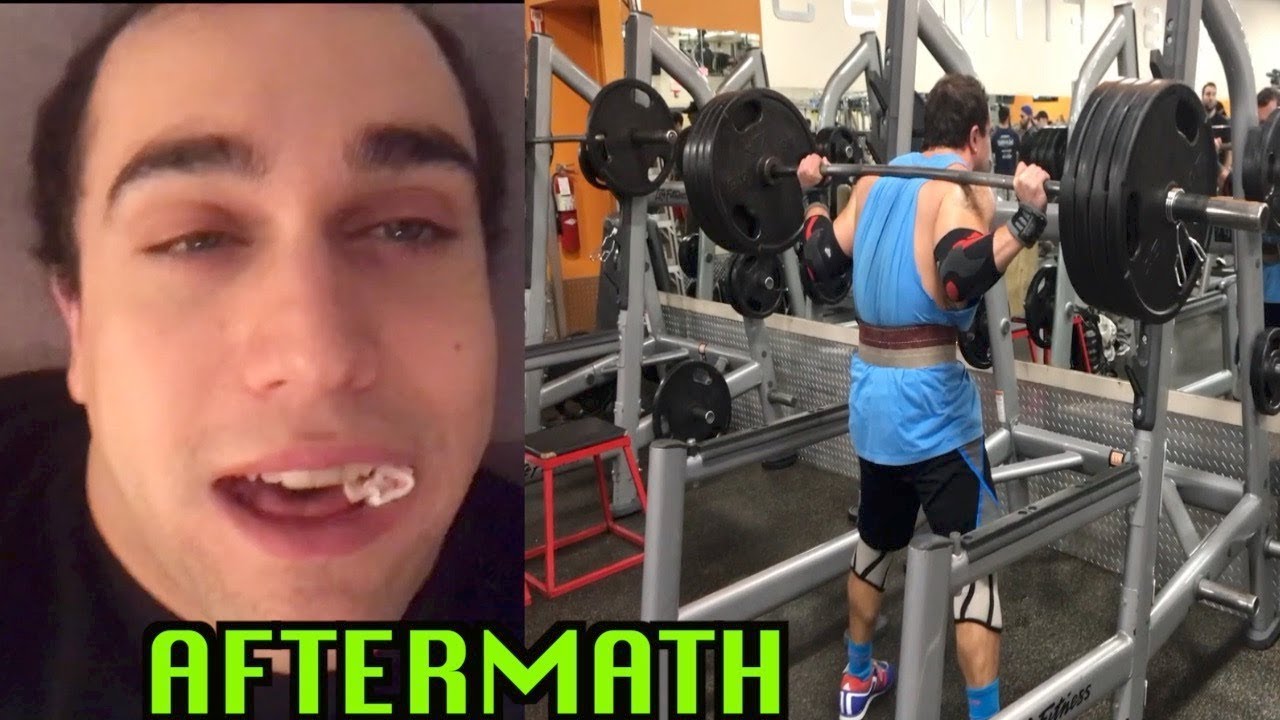
Image Source: i.ytimg.com
When Can You Go To The Gym After Wisdom Teeth Removal?
You can go to the gym after wisdom teeth removal, but not right away. Most people need to wait at least 3 to 7 days before doing very light exercise. For more intense workouts like lifting weights or running, you may need to wait 1 to 2 weeks, or even longer. It is vital to listen to your body and your dentist. Do not do any activity that causes pain or makes the treated area bleed.
Having your wisdom teeth out is a common oral surgery. It helps many people avoid pain and dental problems. But after the surgery, your body needs time to heal. Your mouth has a wound, and it must close and get strong. Rushing back into exercise can cause problems. It can hurt your healing process. It can also lead to painful issues like a dry socket. This post will tell you when it is safe to return to the gym. It will also explain what to watch out for. We will cover how to get back to your workout routine safely. This helps you heal well and avoid problems.
The Immediate Time After Surgery: Rest Is Key
Right after your wisdom teeth are removed, your mouth begins to heal. A blood clot forms in the empty tooth socket. This clot is very important. It acts like a natural bandage. It protects the bone and nerves below. It also helps new tissue grow. The first 24 to 48 hours are the most important for this clot. You need to be very careful not to disturb it. This is why rest is so important.
Why Rest Matters for Recovery
Your body uses a lot of energy to heal. Physical activity takes away that energy. It can make your recovery slower. It also increases blood flow. More blood flow means more chances for bleeding. This can dislodge the clot. Resting helps your body focus on healing. It also keeps blood pressure low. This stops extra bleeding.
During the first day or two, you might feel tired. You may also have some pain and swelling. This is normal. Take your pain medicine as your dentist told you. Use ice packs on your face to help with swelling. Do not try to push yourself. This is part of the wisdom teeth extraction recovery time.
What Happens Without Proper Rest
If you do not rest enough, you risk serious problems. The most common one is a dry socket. A dry socket happens when the blood clot falls out too soon. This leaves the bone and nerves open. It is very painful. It can also lead to infection. This is why post-op exercise wisdom teeth limits are so strict. You need to avoid anything that might loosen the clot.
Why Exercise Is a Bad Idea Early On
Starting exercise too soon after wisdom teeth removal can be dangerous. It puts your healing at risk. There are several reasons why you should avoid physical activity.
Risk of Dry Socket
This is the biggest risk. Any kind of heavy movement can make the blood clot move. Jumping, running, bending over, or lifting heavy things can dislodge it. When the clot comes out, you get a dry socket. This causes severe pain. It often lasts for several days. It also makes healing take longer. This is why dry socket prevention exercise rules are so important. You need to avoid movements that increase pressure in your mouth.
More Bleeding
Exercise increases your blood pressure. It makes your heart pump faster. This sends more blood to your head and mouth. Increased blood flow can make the extraction sites bleed again. Bleeding post-extraction workout can be messy. It can also be scary. It also hinders the formation of a stable clot. This again raises the risk of a dry socket.
More Swelling and Pain
Physical activity causes more inflammation. This means more swelling. You might already have some swelling after wisdom teeth extraction gym. Exercise will make it worse. Swelling can make you feel more pain. It can also make it harder to open your mouth. This slows down your recovery. You want swelling to go down, not get bigger.
Infection Risk
When you exercise, you sweat. Your mouth might feel less clean. There is a small chance of bacteria getting into the open wound. This can lead to infection. An infection needs more treatment. It also makes your recovery longer and more painful. Oral surgery physical activity restrictions are there to protect you from these risks.
Gradual Return to Activity: A Timeline
Getting back to your normal life means taking things slow. Your body heals at its own speed. There is no exact day that is right for everyone. But there are general guidelines. Always listen to your dentist’s advice. Pay close attention to how you feel.
Days 1-2: Full Rest and Recovery
- Activity: Absolutely no exercise. Do not even do light chores.
- Focus: Lie down. Rest. Use ice packs. Take your pain medicine. Drink plenty of water. Eat soft foods.
- Why: This time is crucial for the blood clot to form and stick. Any activity can dislodge it. Avoid bending over or lifting anything. Keep your head above your heart. This helps reduce blood flow to the wound.
Days 3-7: Very Light Activity (If You Feel Well)
- Activity: If you feel good, you can try very light activities. This means a slow walk. Do not walk fast. Do not go far.
- What to avoid: No running. No jumping. No heavy lifting. No bending. No stretching that puts strain on your face or jaw. No strenuous activity after wisdom teeth removal.
- Listen to your body: If you feel any pain, stop right away. If you notice any bleeding, stop. Your body is telling you to rest more.
- Key goal: Keep your heart rate low. Do not sweat. The goal is to move a little, not to get a workout.
| Day After Surgery | Recommended Activity Level | Specific Actions/Restrictions |
|---|---|---|
| Day 1-2 | Full Rest | No exercise. Lie down. Avoid bending. Keep head elevated. |
| Day 3-7 | Very Light Activity (if well) | Slow walking only. No strenuous activity. Stop if pain/bleeding. |
Week 2 (Day 7-14): Gentle Return to Exercise
- Activity: Many people can start doing light cardio. Think of a brisk walk or a slow jog. You might try an elliptical or stationary bike.
- Still careful: Do not lift heavy weights yet. Do not do exercises that make you strain. No inversions (like in yoga). Running after wisdom teeth removal might be okay for some, but start slow.
- Check the wound: Look at the extraction site. Is it healing well? Is there any swelling? Is there any pain? If so, wait longer.
- Hydration: Drink plenty of water before, during, and after your light workouts.
- Rinsing: Gently rinse your mouth with salt water after exercising. This helps keep the area clean.
Week 3-4: Resuming Most Activities
- Activity: Most people can go back to their normal gym routine. This includes lifting weights. When can I lift weights after wisdom teeth? Usually around 2-3 weeks, but always get clearance from your dentist.
- Full clearance: Your dentist might want to see you for a check-up. They can tell you if it’s safe to go back to full activity.
- Still mindful: Even when you feel better, listen to your body. If you feel any discomfort in your jaw or face, ease off. Do not push through pain.
- Why wait: The bone and gum tissue need time to fully heal. This can take several weeks. Lifting heavy weights puts a lot of pressure on your body. This pressure can affect the healing site. It is better to be safe than sorry.
Specific Exercise Types and Considerations
Each type of exercise carries different risks after wisdom teeth removal. Here is a closer look.
Weightlifting
- High Risk: Weightlifting is very risky early on. When you lift heavy weights, you often strain. You clench your jaw. You bear down. This puts a lot of pressure on your face and mouth. This can dislodge the blood clot. It can cause bleeding. It can also cause severe pain.
- When to start: Most dentists say to wait at least 2 weeks for any serious weightlifting. Some say 3-4 weeks. It depends on how many teeth were pulled and how hard the surgery was.
- Start light: When you do go back, start with very light weights. Do fewer reps. Do not try to lift your heaviest weight. Slowly build back up over time. Pay attention to any signs of pain or discomfort.
Cardio Exercises
- Running/Jogging: Running after wisdom teeth removal can be done sooner than weightlifting. But you must be careful. The bouncing motion can dislodge a clot. It also increases heart rate and blood flow.
- Recommendation: Start with slow walking around day 3-7. If that feels fine, try a very light jog around week 2. Stop if you feel any pain or bleeding.
- Stationary Bike/Elliptical: These are often safer choices. They cause less jarring motion.
- Recommendation: You can try these around day 5-7, but keep the intensity low. Do not push yourself to sweat or breathe heavily. Keep your heart rate down.
- High-Intensity Interval Training (HIIT): Avoid HIIT for at least 2-3 weeks. These workouts push your body too hard too soon. They greatly increase blood pressure and heart rate.
Yoga and Pilates
- Gentle Options: Some forms of yoga and Pilates can be good choices. They are often low impact.
- Things to watch for:
- Inversions: Avoid any poses where your head is below your heart. This includes downward dog, headstands, or shoulder stands. These poses increase blood flow to your head. This can cause bleeding or dislodge the clot.
- Straining: Do not do poses that make you strain your jaw or clench your teeth.
- Recommendation: Gentle stretching or very light yoga (without inversions) might be okay after 7-10 days. Again, stop if you feel any pain or pressure.
Swimming
- Infection Risk: Swimming carries a risk of infection. Public pools have bacteria in the water. This bacteria can get into your open wound.
- Pressure: Diving or jumping into water can also create pressure. This might dislodge a clot.
- Recommendation: Most dentists suggest waiting at least 1-2 weeks before swimming. Make sure your extraction sites are well on their way to closing.
Recognizing Warning Signs
Your body will give you signals if something is wrong. Pay close attention to these signs. If you notice any of them, stop your activity. Contact your dentist right away.
Excessive Pain
- Normal: Some pain is normal after surgery. It usually gets better each day.
- Warning Sign: Severe pain that does not go away with medicine. Or pain that gets worse after exercising. This could mean a dry socket or infection.
Bleeding
- Normal: A little oozing of blood is normal in the first day.
- Warning Sign: Bright red bleeding that does not stop after an hour of gentle pressure. Or bleeding that starts again after you exercise. Bleeding post-extraction workout is a sign to stop.
Swelling
- Normal: Some swelling after wisdom teeth extraction gym is expected. It usually peaks on day 2 or 3. Then it slowly goes down.
- Warning Sign: Swelling that gets worse after a few days. Or swelling that comes back after exercise. This could be a sign of infection or too much activity.
Fever
- Warning Sign: A fever (body temperature above 100°F or 38°C) can be a sign of infection. You should call your dentist.
Pus or Bad Taste
- Warning Sign: If you see yellow or green pus. Or if you taste a foul, metallic taste in your mouth. This means you likely have an infection. Get help from your dentist.
The Role of Your Dentist
Your dentist or oral surgeon is your best guide. They know your health history. They know how your surgery went.
Always Follow Their Advice
- Specific Instructions: They will give you specific instructions for your case. Follow them exactly.
- Individual Recovery: Everyone heals differently. Your recovery might be faster or slower than others. Do not compare yourself to friends.
- Asking Questions: Do not be afraid to ask questions. If you are unsure about an activity, ask your dentist first.
- Check-ups: Go to any follow-up appointments. Your dentist will check your healing. They can tell you when it is safe to go back to the gym. Dentist recommendations post-extraction gym are based on your personal healing.
Tips for a Smooth Recovery
Beyond avoiding the gym, there are other ways to help your body heal well. These tips can make your recovery faster and more comfortable.
Soft Food Diet
- What to eat: Stick to soft foods for the first few days. Think mashed potatoes, yogurt, smoothies, applesauce, or soft scrambled eggs.
- What to avoid: Do not eat crunchy, chewy, or hot foods. No nuts, chips, popcorn, or tough meat. These can hurt the wound. They can also get stuck in the socket.
Hydration
- Drink lots of water: Staying hydrated is very important. It helps your body heal.
- Avoid straws: Do not use straws for at least 5-7 days. The sucking motion can dislodge the blood clot. Drink straight from a glass.
- No alcohol or caffeine: These can slow healing. They can also affect your pain medicine.
Oral Hygiene
- Gentle rinsing: After 24 hours, gently rinse your mouth. Use a warm salt water solution. Do this after meals and before bed. Do not swish hard. Just let it sit in your mouth. Then let it drip out.
- Gentle brushing: You can brush your teeth. Be very gentle around the extraction sites. Do not brush the wound directly.
Pain Management
- Take medicine: Take your pain medicine as prescribed. Do not wait until the pain is bad.
- Over-the-counter options: Your dentist might also suggest ibuprofen (Advil) or acetaminophen (Tylenol). These can help with pain and swelling.
Ice Packs
- Apply to face: Use ice packs on your cheeks. Apply them for 20 minutes on, 20 minutes off. Do this for the first 24-48 hours. This helps reduce swelling.
No Smoking or Vaping
- Very harmful: Smoking and vaping are very bad for healing. They can easily cause a dry socket. They also slow down healing. Do not smoke or vape for at least a week, or longer.
Table: Summary of Activity Restrictions
This table provides a general guide. Always follow your dentist’s specific advice.
| Time After Surgery | Activity Level | Exercise Examples | Why Restrictions Are Important |
|---|---|---|---|
| Day 1-2 | Full Rest | None. No walking, no bending, no lifting. | Crucial for blood clot formation. Prevents dry socket, bleeding. |
| Day 3-7 | Very Light Activity (if well) | Slow, gentle walking. No strenuous activity. | Avoids dislodging clot. Keeps blood pressure low. Reduces swelling. |
| Day 7-14 | Gentle Return to Cardio | Brisk walking, light stationary bike, elliptical (low intensity). No heavy lifting. | Gradual increase in activity. Still cautious about pressure and strain. |
| Week 2-3+ | Gradual Return to Weights/Normal | Light weights, running (start slow). Increase intensity slowly. | Healing is more stable. Less risk of major issues. Still listen to body. |
| Week 3-4+ | Most Activities | Normal gym routine with caution. | Full recovery for most. Get dentist’s OK before full return. |
Frequently Asked Questions (FAQ)
How long does wisdom teeth extraction recovery time last?
Most immediate recovery takes about 3 to 7 days. This is when the main pain and swelling go down. Full healing of the soft tissues can take 2 weeks. Bone healing can take several months. But you can usually resume normal activities in 2 to 4 weeks.
Can I lift weights the day after wisdom teeth removal?
No, absolutely not. Lifting weights creates a lot of pressure in your head and mouth. This can easily dislodge the blood clot. It causes severe pain and delays healing. You should wait at least 2 weeks. Some dentists recommend 3-4 weeks.
What is a dry socket and how can I prevent it with exercise?
A dry socket happens when the blood clot in the tooth socket falls out or dissolves too soon. This leaves the bone and nerves exposed. It is very painful. To prevent it, avoid any strenuous activity for at least 3-7 days. No heavy lifting, running, jumping, or bending over. These movements can dislodge the clot.
When can I run after wisdom teeth removal?
You can usually start light jogging or running after about 7 to 10 days. But start slowly. See how you feel. If you feel pain or bleeding, stop. Your dentist will give you the best advice for your specific case.
Is it okay to go for a brisk walk after wisdom teeth removal?
A very slow, gentle walk might be okay after 3-4 days if you feel well. But a brisk walk is usually too much. It raises your heart rate too much. It is better to wait until at least day 5-7 for anything more than a gentle stroll.
What if I accidentally exercised too soon?
If you exercised and now have severe pain, bleeding, or swelling, contact your dentist right away. They can check if you have a dry socket or another problem. Do not ignore these signs.
How long should oral surgery physical activity restrictions last?
The strictest restrictions usually last for the first 3-7 days. Then, you can slowly add light activities. Full restrictions on strenuous activities often last for 2-3 weeks. Always get your dentist’s approval before returning to your full workout routine.
Does exercise increase swelling after wisdom teeth extraction?
Yes, exercise can definitely increase swelling. Physical activity increases blood flow and inflammation. This can make existing swelling worse. It can also cause new swelling. This is why it is important to rest and keep your heart rate low in the early recovery period.
What are the dentist recommendations post-extraction gym?
Most dentists will tell you to avoid all strenuous activity for at least 3-7 days. They will then advise a slow return to light cardio after a week. Heavy lifting and high-impact activities are usually restricted for 2-3 weeks or more. They will stress listening to your body and calling them if you have any problems. Your personal healing will guide their final advice.