
What is “cutting” in fitness? Cutting is a fitness term referring to a period where the primary goal is to reduce body fat while preserving as much muscle mass as possible. This often involves a combination of dietary changes and specific training protocols. Can you achieve significant fat loss without losing muscle? Yes, with the right approach focusing on protein intake and resistance training. Who should consider cutting? Individuals who have achieved a satisfactory level of muscle gain and now want to reveal that muscle definition by decreasing their body fat percentage.
This guide will walk you through the essential elements of a successful fitness cut. We’ll cover everything from creating the right workout plan to making smart dietary choices. Our aim is to provide you with fitness cutting tips that are practical and effective.
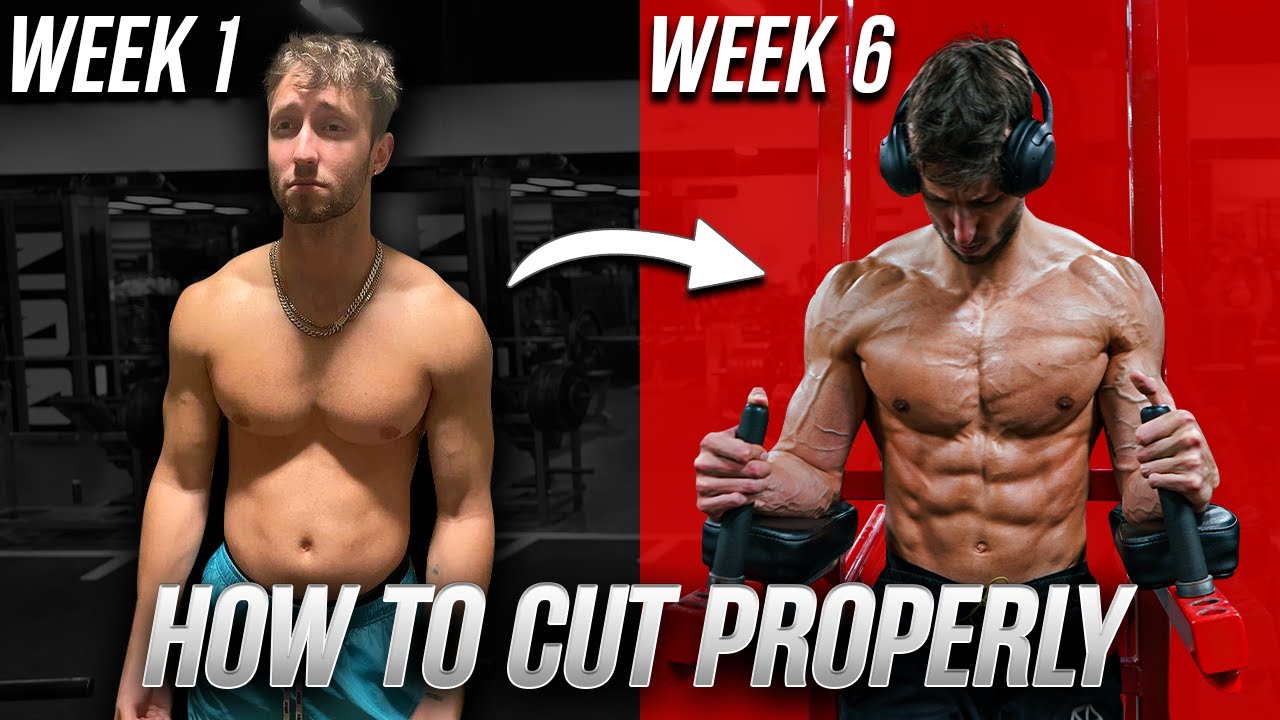
Image Source: i.ytimg.com
Getting Started with Your Cutting Phase
Embarking on a cutting phase requires a clear strategy. It’s not just about eating less; it’s about eating smarter and training strategically. Many people ask, “How to cut body fat?” The answer lies in creating a consistent calorie deficit, prioritizing protein, and structuring your workouts to support muscle retention.
Setting Realistic Expectations
Before you dive in, it’s crucial to set achievable goals. Rapid weight loss often leads to muscle loss and can be unsustainable. A good pace for losing weight effectively while cutting is typically 1-2 pounds per week. This gradual approach helps ensure you’re primarily shedding fat.
Assessing Your Starting Point
Know where you are before you start. Take measurements (weight, waist circumference, body fat percentage if possible) and perhaps some progress photos. This baseline will be invaluable for tracking your progress and making adjustments.
Crafting Your Cutting Diet Strategies
Nutrition is the cornerstone of any cutting phase. Your diet will dictate your success in reducing body fat while keeping your hard-earned muscle.
The Calorie Deficit: The Essential Tool
To lose fat, you must consume fewer calories than your body burns. This is known as a calorie deficit.
- Calculating Your Maintenance Calories: Use an online calculator or a formula like the Mifflin-St Jeor equation to estimate your Total Daily Energy Expenditure (TDEE). This is the number of calories you need to maintain your current weight.
- Creating the Deficit: Aim for a deficit of 300-500 calories per day below your TDEE. A larger deficit can lead to faster weight loss but also increases the risk of muscle loss.
Macronutrient Breakdown: Protein is King
When you’re in a calorie deficit, your protein intake becomes even more critical for muscle preservation during cut.
- Protein: Aim for 1-1.2 grams of protein per pound of body weight. Protein is satiating and helps your body repair and maintain muscle tissue. Good sources include lean meats, poultry, fish, eggs, dairy, legumes, and protein supplements.
- Carbohydrates: These provide energy for your workouts. Focus on complex carbohydrates like whole grains, fruits, and vegetables. The amount will depend on your activity level, but generally, they will be reduced to accommodate the calorie deficit.
- Fats: Healthy fats are essential for hormone production and overall health. Aim for 20-30% of your total daily calories from fats. Include sources like avocados, nuts, seeds, and olive oil.
Meal Timing and Frequency
While total daily intake is most important, some find that spreading their meals can help manage hunger.
- Consistent Protein Intake: Distribute your protein servings throughout the day to maximize muscle protein synthesis.
- Pre- and Post-Workout Nutrition: Consuming carbohydrates and protein around your workouts can help fuel performance and aid recovery.
Hydration: The Unsung Hero
Drinking plenty of water is vital for metabolism, satiety, and overall bodily function.
- Aim for at least 8-10 glasses of water daily. Increase intake if you are highly active or in warm weather.
Sample Cutting Diet Structure (Example for a 180lb individual aiming for 2000 calories)
| Meal | Protein (g) | Carbs (g) | Fats (g) |
|---|---|---|---|
| Breakfast | 30 | 30 | 10 |
| Lunch | 40 | 40 | 15 |
| Snack | 20 | 15 | 5 |
| Dinner | 40 | 35 | 15 |
| Post-Workout | 25 | 30 | 5 |
| Total | 155 | 150 | 50 |
This is a general example. Individual needs will vary based on activity, metabolism, and specific goals.
Designing Your Cutting Phase Workout
Your training needs to support fat loss and muscle preservation. A fat loss workout plan should balance resistance training with cardiovascular exercise.
Resistance Training: The Muscle Saver
Lifting weights is crucial for telling your body to hold onto muscle. You need to continue challenging your muscles.
- Frequency: Aim for 3-5 strength training sessions per week.
- Intensity: Maintain or slightly increase the intensity of your lifts. This means lifting challenging weights that allow for good form for 8-12 repetitions. Don’t drastically reduce your weights, as this signals your body that the muscle is no longer needed.
- Volume: You might slightly reduce the overall volume (sets and reps) compared to a muscle-building phase to allow for recovery, especially with a calorie deficit.
- Best Exercises for Cutting: Focus on compound movements that work multiple muscle groups simultaneously. These are highly efficient and stimulate more muscle tissue.
Key Compound Exercises for Cutting:
- Squats: Works quads, glutes, hamstrings, and core.
- Deadlifts: Targets hamstrings, glutes, back muscles, and core.
- Bench Press: Engages chest, shoulders, and triceps.
- Overhead Press: Works shoulders, triceps, and upper chest.
- Barbell Rows/Pull-ups: Excellent for back muscles and biceps.
- Lunges: Great for quads, glutes, and hamstrings, also improves balance.
Cardio: Burning Extra Calories
Cardiovascular exercise can help increase your calorie deficit and improve cardiovascular health.
- Types of Cardio:
- Low-Intensity Steady State (LISS): Activities like brisk walking, cycling, or jogging at a consistent pace for 30-60 minutes. This is good for burning calories without excessively taxing your recovery.
- High-Intensity Interval Training (HIIT): Short bursts of intense exercise followed by brief recovery periods. HIIT is very effective for calorie burning in a shorter time and can boost your metabolism post-workout. However, it is more demanding, so factor in recovery.
- Frequency and Duration: 3-5 sessions per week, depending on your preferred type and your body’s recovery capacity.
- When to do Cardio: Some prefer to do cardio on rest days from weightlifting, while others do it after their weight training sessions. Avoid intense cardio immediately before heavy lifting, as it can fatigue your muscles.
Structuring Your Shredding Workout Routine
A sample week might look like this:
Monday: Strength Training – Upper Body (Chest, Shoulders, Triceps)
Tuesday: Cardio (LISS or HIIT)
Wednesday: Strength Training – Lower Body (Quads, Hamstrings, Glutes, Calves)
Thursday: Active Recovery (light walk, stretching) or Cardio
Friday: Strength Training – Full Body or Upper Body Focus
Saturday: Strength Training – Lower Body Focus or Full Body
Sunday: Rest or Light Activity
Note: This is a template. Adjust based on your recovery and preferences. The key is consistency.
Mastering Muscle Preservation During Cut
This is often the trickiest part of cutting. How do you lose fat without losing the muscle you worked so hard to build?
1. Prioritize Protein Intake
As mentioned, a high protein intake is paramount. It provides the building blocks for muscle repair and can help prevent muscle breakdown.
2. Continue Progressive Overload in Strength Training
Don’t drastically drop the weights. Aim to maintain your strength levels or even increase them slightly if possible. This signals to your body that muscle is still needed. If you can’t maintain your absolute lifts, focus on maintaining the same number of sets and reps with a challenging weight.
3. Manage Your Calorie Deficit
A too-aggressive deficit is a recipe for muscle loss. Keep your deficit moderate (300-500 calories) to allow your body to prioritize fat loss over muscle catabolism.
4. Consider Supplementation (Optional but helpful)
- Whey Protein: A convenient way to boost protein intake.
- Creatine Monohydrate: Can help with strength and power, potentially aiding muscle preservation.
- BCAAs (Branched-Chain Amino Acids): May help reduce muscle soreness and breakdown, especially if training fasted.
5. Get Enough Sleep
Sleep is when your body repairs and rebuilds. Aim for 7-9 hours of quality sleep per night. Poor sleep can negatively impact hormone levels, including those that regulate muscle growth and fat storage.
Adjusting Your Plan as You Progress
Your body will adapt. What works in week one might need tweaking by week four.
Monitoring Progress
- Weight: Track your weight daily or a few times a week and look at the weekly average to smooth out daily fluctuations.
- Measurements: Waist, hip, thigh, and arm measurements can reveal fat loss in specific areas.
- Photos: Progress photos taken under the same lighting and poses can be very revealing.
- Performance in the Gym: Are your strength levels holding up? This is a good indicator of muscle retention.
Making Adjustments
- Plateaus: If your weight loss stalls for more than a week, consider a slight reduction in calories (e.g., another 100-200 calories) or an increase in cardio.
- Feeling Too Fatigued: If you’re feeling excessively tired or your strength is plummeting, you might have too large a deficit or not enough carbohydrates. Consider a slight increase in calories, focusing on complex carbs.
Dieting for Muscle Gain and Fat Loss Simultaneously?
This concept, often called body recomposition, is challenging but possible, particularly for beginners or those returning to training after a break. It requires a very precise approach to nutrition and training, often involving a slight calorie surplus for muscle gain and a slight deficit for fat loss. Dieting for muscle gain and fat loss simultaneously is often slower than dedicated bulking and cutting phases. Many individuals find it more effective to focus on one goal at a time.
For advanced trainees, dieting for muscle gain and fat loss as a combined goal is extremely difficult. It’s usually more productive to prioritize building muscle in a slight calorie surplus and then cutting in a deficit to reveal that muscle.
Common Pitfalls to Avoid During a Cut
1. Overly Aggressive Calorie Restriction
This is the most common mistake. It leads to rapid weight loss, but much of it will be muscle. It also makes adherence to the diet difficult and can lead to nutrient deficiencies.
2. Neglecting Protein Intake
As highlighted, insufficient protein is detrimental to muscle preservation.
3. Cutting Out All Carbs
Carbohydrates are fuel. While you reduce them, eliminating them entirely can lead to low energy, poor workout performance, and cravings.
4. Too Much Cardio
Excessive cardio can interfere with recovery from strength training and may even lead to muscle breakdown if not balanced properly.
5. Inconsistent Tracking
Not tracking your food intake or progress makes it hard to identify what’s working and what’s not.
6. Getting Discouraged by Plateaus
Plateaus are normal. They are signals to reassess and adjust your plan, not to give up.
Frequently Asked Questions (FAQ)
How long should a cutting phase typically last?
A typical cutting phase can last anywhere from 8 to 16 weeks, depending on your starting body fat percentage and your desired end goal. It’s important to cycle periods of cutting with periods of maintenance or slight surplus to avoid burnout and metabolic adaptations.
Can I do keto while cutting?
Yes, a ketogenic diet can be effective for cutting as it prioritizes fats and protein, which are satiating, and can help with appetite control. However, ensure you’re still getting adequate protein and that the calorie deficit is in place. Some find that very low carb diets impact workout performance.
What are the best exercises for cutting?
The best exercises for cutting are compound movements like squats, deadlifts, bench presses, overhead presses, and rows, as they work multiple muscle groups and burn more calories. They are also crucial for signaling your body to maintain muscle mass.
Is it possible to lose weight effectively without exercise during a cut?
While diet is the primary driver of weight loss, exercise plays a critical role in preserving muscle mass and improving body composition. Losing weight effectively without exercise will likely result in a greater proportion of that weight being muscle rather than fat.
What is a good rep range for cutting?
A rep range of 8-12 repetitions is generally considered effective for cutting. This range is heavy enough to stimulate muscle maintenance and growth while also allowing for good volume.
Should I change my workout routine when I start cutting?
Yes, you should continue with a consistent resistance training program focused on maintaining strength. You will likely incorporate more cardiovascular exercise to aid fat loss. The emphasis remains on challenging your muscles.
What are some effective cutting diet strategies?
Key strategies include creating a moderate calorie deficit, prioritizing protein intake (1-1.2g per pound of body weight), focusing on whole, unprocessed foods, managing carbohydrate intake, and ensuring adequate healthy fat consumption.
What are the best ways to achieve my fitness goals during a cut?
Achieving your goals during a cut involves meticulous diet planning, consistent resistance training to preserve muscle, strategic cardio for fat burning, adequate rest and recovery, and consistent monitoring of your progress to make necessary adjustments.
How do I build muscle while losing fat?
This is known as body recomposition. It requires a very fine balance of nutrition and training. Beginners can often achieve this by focusing on progressive overload in the gym and a slight calorie surplus or maintenance calories with high protein. For more advanced individuals, this is much harder and often better approached by prioritizing muscle gain first, then cutting.
What is a shredding workout routine?
A shredding workout routine typically combines intense weightlifting with regular cardiovascular exercise, often including HIIT, to maximize fat burning while preserving muscle mass. The focus is on compound lifts and efficient full-body conditioning.