
Can you truly get the stubborn sweat smell out of gym clothes? Yes, you absolutely can! With the right techniques and a little patience, you can deodorize workout gear and make your athletic apparel smell fresh again. It’s a common problem: after a tough workout, your clothes are soaked, and a less-than-pleasant odor lingers. This isn’t just about freshness; persistent smells can be embarrassing and, if not treated correctly, can actually damage your fabrics over time. Let’s dive into how to remove stubborn sweat smell and wash away athletic odors effectively.
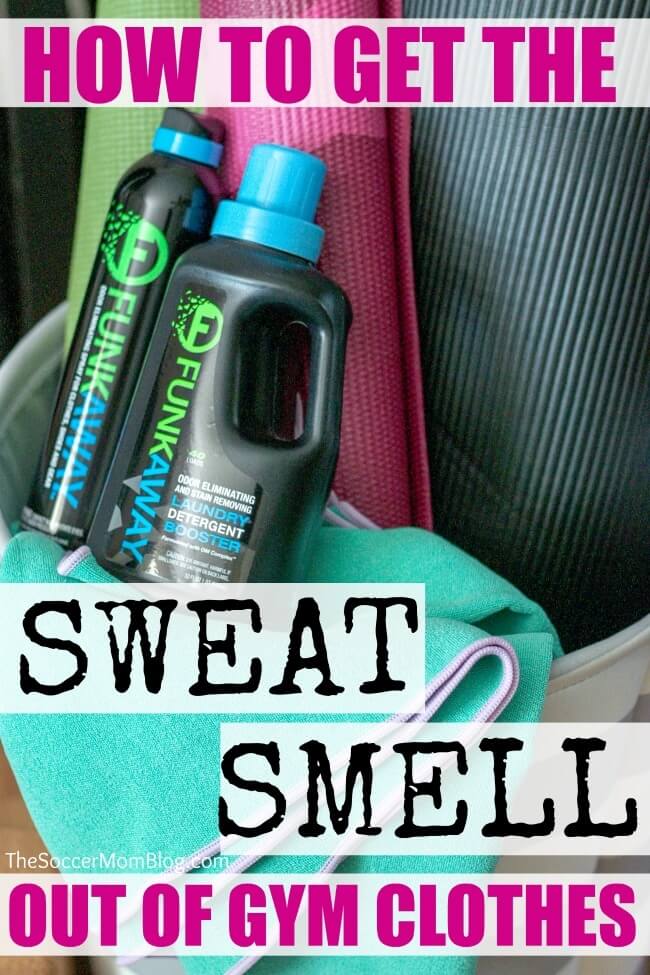
Image Source: thesoccermomblog.com
Why Gym Clothes Smell So Bad
Before we get to the solutions, it’s helpful to know why your gym clothes develop that distinct, pungent aroma. It’s not just sweat itself. Sweat is mostly water, with small amounts of salts and other compounds. The real culprits are the bacteria that live on your skin. When these bacteria come into contact with sweat, they feed on it and break it down, releasing waste products that have that characteristic body odor.
Certain fabrics, especially synthetic ones commonly used in activewear like polyester and nylon, are designed to wick moisture away from your body. While great for performance, these materials can also trap bacteria and odors. Microorganisms thrive in damp, warm environments – a perfect incubator inside your gym bag or laundry hamper. This leads to the challenge of how to freshen athletic apparel and truly eliminate body odor from gym clothes.
The Science of Odor Removal: Laundry Hacks for Sweaty Clothes
Getting rid of these persistent odors requires more than just a standard wash. You need to target the bacteria and the odor molecules they produce. Here are some effective laundry hacks for sweaty clothes:
Pre-Treatment is Key
Don’t just toss sweaty clothes directly into the wash. Giving them a little extra attention beforehand can make a huge difference in how well you combat persistent gym smell.
Immediate Action: Air Them Out
- Hang them up: As soon as you can after your workout, hang your clothes up to air dry. Avoid leaving them balled up in a gym bag or hamper. This reduces the time bacteria have to multiply.
- Rinse if possible: If you have access to a sink or shower, a quick rinse with cold water can help remove some of the initial sweat and bacteria before the clothes sit around.
Pre-Soaking Strategies
Soaking your gym clothes before washing can significantly help break down odors.
Vinegar Soak
White vinegar is a fantastic natural odor remover for sportswear. Its acidity helps to break down the alkaline residue left by bacteria.
- How to: Fill a basin or your sink with cold water. Add 1 to 2 cups of white vinegar. Submerge your gym clothes, ensuring they are fully covered. Let them soak for at least 30 minutes, or up to a few hours for deeply smelly items.
- Why it works: Vinegar neutralizes odor-causing compounds and kills bacteria without damaging fabric fibers.
Baking Soda Soak
Baking soda is another powerhouse natural odor remover for sportswear. It’s a natural deodorizer that absorbs and neutralizes odors.
- How to: Dissolve ½ cup of baking soda in a basin or sink filled with cool water. Soak your gym clothes for at least 30 minutes to several hours.
- Why it works: Baking soda is alkaline, which helps to neutralize the acidic byproducts of bacterial breakdown.
Washing Wisely: Deep Clean Workout Clothes
The actual washing process is where you truly deep clean workout clothes. Here’s how to optimize your laundry routine:
Choosing the Right Detergent
- Enzyme-based detergents: Look for detergents that specifically mention enzymes. These enzymes are designed to break down organic matter, including the proteins and oils that bacteria feed on.
- Avoid fabric softeners: Fabric softeners can coat synthetic fibers, trapping odors and reducing the wicking properties of your activewear. They can also build up over time, making odors harder to remove.
Water Temperature Matters
- Cold or Cool Water: While hot water might seem like the best way to kill germs, it can actually set stains and odors in synthetic fabrics, especially if they are not colorfast. Cold or cool water is generally best for activewear. It’s effective at removing sweat and preventing damage.
The Washing Machine Setup
- Don’t Overload: Give your clothes plenty of room to move freely in the washing machine. An overloaded machine won’t clean effectively, and odors can get trapped.
- Wash Separately: It’s often best to wash your gym clothes separately from other laundry. This prevents odors from transferring and allows you to use the optimal settings for your activewear.
Boosters for Tough Odors
For those truly stubborn smells, consider adding odor-fighting boosters to your wash.
Borax
Borax is a natural mineral that acts as a laundry booster. It helps to whiten, deodorize, and soften water, which allows detergents to work more effectively.
- How to: Add ½ cup of Borax to your washing machine along with your regular detergent.
Oxygen Bleach (Color-Safe Bleach)
Oxygen bleach is a great alternative to chlorine bleach for activewear. It’s excellent at breaking down odor-causing compounds and is safe for most colors and fabrics.
- How to: Follow the instructions on the product packaging. Typically, you’ll add it to the wash drum with your clothes and detergent.
Drying Techniques
The way you dry your clothes is just as important as washing them.
Air Drying is Best
- Hang to Dry: Whenever possible, air dry your gym clothes. Hang them on a clothesline or a drying rack. This helps maintain the fabric’s integrity and prevents the heat from setting in any remaining odors.
- Avoid Direct Sunlight: While sunlight can have some natural antibacterial properties, prolonged exposure can fade colors and degrade synthetic fibers. Dry them in a well-ventilated area, out of direct sunlight.
Tumble Drying (Use with Caution)
If you must use a dryer, opt for the lowest heat setting possible. High heat can damage the elastic and moisture-wicking properties of your activewear, and can also set in any remaining odors.
Specific Fabric Care for Sportswear
Different materials require slightly different approaches. Here’s a quick guide:
| Fabric Type | Best Washing Method | Odor Fighting Tips |
|---|---|---|
| Polyester/Nylon | Cold/cool water, enzyme-based detergent, avoid fabric softener. | Pre-soak with vinegar or baking soda, use Borax or oxygen bleach as boosters. |
| Cotton | Can often tolerate warmer water (but cool is still good for odor), enzyme detergent. | Pre-soak, can use a bit more detergent. Sunlight can help naturally deodorize. |
| Spandex/Elastane | Cold water only, gentle cycle, minimal detergent. | Very sensitive to heat and harsh chemicals. Vinegar soak is ideal. Avoid dryer heat. |
| Merino Wool | Cool water, wool-specific detergent, hand wash or delicate cycle. | Air dry. Avoid heat and agitation. Vinegar soak is safe. |
Advanced Techniques to Combat Persistent Gym Smell
If you’ve tried the basic methods and still find your clothes clinging to that unpleasant scent, here are some more advanced strategies to combat persistent gym smell:
The Double Wash Method
Sometimes, one wash isn’t enough.
- Step 1: Pre-soak your clothes in a vinegar or baking soda solution.
- Step 2: Wash them using your regular detergent and preferred boosters.
- Step 3: If odors persist, rinse the clothes thoroughly and repeat the wash cycle with a clean load of detergent and boosters.
Using Specialized Sportswear Detergents
There are detergents specifically formulated for athletic wear. These often contain enhanced enzyme blends designed to break down body oils and odors more effectively than standard detergents. They can be a worthwhile investment if you’re a frequent gym-goer.
Lemon Juice for Brightening and Deodorizing
Lemon juice is another natural acid that can help freshen athletic apparel and brighten whites.
- How to: Mix equal parts lemon juice and water. Apply this solution directly to stubborn odor spots or add ½ cup of the mixture to your pre-soak or wash cycle.
- Caution: Lemon juice can be a mild bleaching agent, so test it on an inconspicuous area first, especially on colored fabrics.
Hydrogen Peroxide Solution
A diluted hydrogen peroxide solution can also help kill bacteria and neutralize odors.
- How to: Mix 1 part 3% hydrogen peroxide with 4 parts water. Soak the affected areas or add this mixture to your pre-soak.
- Caution: Hydrogen peroxide can also act as a bleach, so use it sparingly and test on a hidden spot first.
Preventing Sweaty Clothing Odors
The best defense is a good offense. Taking steps to prevent sweaty clothing odors can save you a lot of hassle in the long run.
Proper Storage
- Don’t let them linger: Never leave sweaty gym clothes in your gym bag or hamper for extended periods. The longer they stay damp and enclosed, the more bacteria will multiply, and the harder it will be to get rid of the smell.
- Ventilate your gym bag: If your gym bag is not washable, consider placing a sachet of baking soda or activated charcoal inside to absorb moisture and odors.
Regular Washing Routine
- Wash after every use: Make it a habit to wash your gym clothes after every single workout. Even if they don’t feel overwhelmingly smelly, there are still bacteria present.
- Clean your washing machine: Residue from detergents and fabric softeners, along with trapped moisture and bacteria, can build up in your washing machine over time, leading to musty-smelling clothes. Run a cleaning cycle with vinegar or a specialized washing machine cleaner regularly.
Invest in Quality Fabrics
Some materials are naturally more resistant to odor.
- Merino wool: Known for its natural antimicrobial properties, merino wool can often be worn multiple times before needing a wash, and it resists odors exceptionally well.
- Antimicrobial treatments: Some activewear is treated with antimicrobial finishes. While effective, these treatments can wear off over time.
Troubleshooting: What If the Smell Still Lingers?
Even with the best efforts, sometimes a stubborn smell just won’t budge.
Re-evaluate Your Process
Go back through the steps. Are you overloading the machine? Using too much detergent? Not pre-soaking long enough?
Check Your Water
Hard water can sometimes interfere with detergent effectiveness. If you suspect hard water, consider adding a water softener or using a specialized detergent designed for hard water.
Consider the Age of the Garment
Over time, synthetic fabrics can become permanently saturated with odor-causing bacteria and oils that are nearly impossible to remove completely. If a garment is old and persistently smells no matter what you do, it might be time to replace it.
Frequently Asked Questions (FAQ)
Q1: Can I wash gym clothes with regular laundry?
While you can, it’s not always ideal. Gym clothes contain bacteria and odors that can transfer to other items. It’s best to wash them separately, especially if you want to effectively deodorize workout gear.
Q2: How often should I wash my gym clothes?
It’s recommended to wash your gym clothes after every use to prevent sweaty clothing odors and maintain hygiene.
Q3: Is it okay to use bleach on gym clothes?
Chlorine bleach can damage synthetic fibers and their moisture-wicking properties. It’s better to use oxygen bleach (color-safe bleach) or natural alternatives like vinegar and baking soda to remove stubborn sweat smell.
Q4: Why do my gym clothes still smell after washing?
This can happen if the bacteria and odor molecules weren’t completely eliminated. Common reasons include overloading the machine, not pre-treating, using fabric softener, or washing in water that’s too hot for synthetic fabrics. Re-washing with an odor-boosting pre-soak is often the solution.
Q5: Are there any natural ways to deodorize workout gear?
Absolutely! White vinegar and baking soda are excellent natural odor removers. Lemon juice and hydrogen peroxide (diluted) can also be used with caution.
By following these detailed steps, you can effectively wash away athletic odors, deep clean workout clothes, and enjoy fresh-smelling gear after every workout. Happy training!