
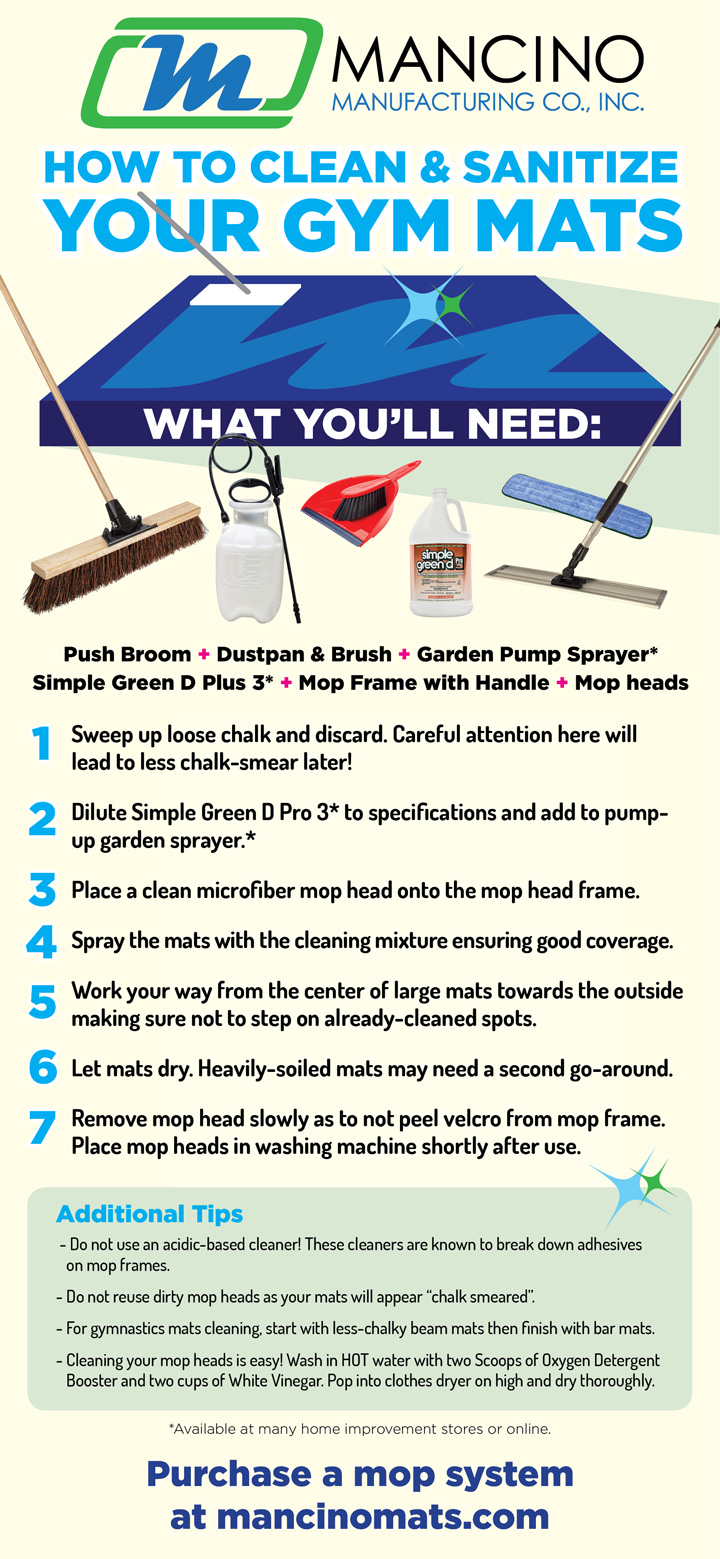
Image Source: www.mancinomats.com
How To Clean Gym Mats: Best Methods
Can you clean gym mats with household cleaners? Yes, but it’s crucial to use the right ones to avoid damaging the mat material. This guide will walk you through the best methods for cleaning and maintaining your gym mats, ensuring they stay hygienic and last longer.
Gym mats are essential pieces of fitness equipment, providing cushioning, grip, and a clean surface for various exercises. However, they are also breeding grounds for bacteria, sweat, and odors if not cleaned regularly. Proper gym mat maintenance is key to preventing the spread of germs and keeping your workout space safe and pleasant. Whether you have yoga mats, rubber gym mats, or general exercise mats, knowing how to clean them effectively is vital.
Why Cleaning Gym Mats is Crucial
Sweat, dead skin cells, and environmental contaminants can accumulate on gym mats, creating a less-than-ideal workout environment. This buildup can lead to:
- Unpleasant Odors: Sweat and bacteria create a strong, lingering smell that can make your workout space uninviting.
- Bacterial Growth: Warm, moist environments are perfect for bacteria to thrive. This can lead to skin infections and other health issues.
- Reduced Grip: Oils and sweat can make your mat slippery, increasing the risk of slips and falls.
- Deterioration of Material: Improper cleaning or harsh chemicals can break down the mat’s material, reducing its lifespan.
Choosing the Right Gym Mat Cleaner
Selecting the best gym mat cleaner depends on the material of your mat and the type of cleaning you need to do.
General Cleaning Solutions
For regular, everyday cleaning, a simple solution of water and mild soap is often sufficient.
- Mild Soap and Water: This is the go-to for most situations. Use a small amount of dish soap or hand soap mixed with warm water.
- White Vinegar Solution: White vinegar is a natural disinfectant and deodorizer. Mix equal parts white vinegar and water. Be cautious with this solution on certain materials like natural rubber, as prolonged exposure might cause degradation.
Gym Mat Disinfectant Options
When you need to kill germs and sanitize your mats, a specific gym mat disinfectant is necessary.
- Isopropyl Alcohol (Rubbing Alcohol): A 70% or 80% isopropyl alcohol solution is an effective disinfectant for most gym mats. It evaporates quickly, leaving minimal residue.
- Commercial Gym Mat Cleaners: Many brands offer specialized cleaners formulated for gym equipment. Look for products that are safe for your mat’s material and effective against bacteria and viruses.
- Hydrogen Peroxide: A diluted hydrogen peroxide solution (3%) can also work as a disinfectant. However, it can sometimes bleach or degrade certain materials, so it’s best to test it on an inconspicuous area first.
Natural Gym Mat Cleaner Alternatives
For those who prefer eco-friendly options, several natural ingredients can be used.
- Tea Tree Oil: Known for its antibacterial and antifungal properties, a few drops of tea tree oil mixed with water can make an effective cleaning spray.
- Lemon Juice: The acidity in lemon juice can help clean and deodorize. Mix with water for a refreshing scent.
How to Sanitize Exercise Mats: Step-by-Step Guide
Sanitizing exercise mats goes beyond just wiping them down. It involves a thorough cleaning process to eliminate germs.
Routine Cleaning (Daily or After Each Use)
This is for light cleaning to remove surface sweat and dirt.
Materials Needed:
- Soft cloth or microfiber towel
- Spray bottle
- Mild soap or chosen cleaning solution
Steps:
- Prepare Your Cleaning Solution: Mix your chosen cleaner (e.g., mild soap and water, or vinegar and water) in the spray bottle.
- Lightly Spray the Mat: Spray a fine mist over the surface of the mat. Avoid soaking the mat.
- Wipe Down: Use a soft cloth or microfiber towel to gently wipe the entire surface of the mat.
- Rinse (Optional): If you used soap, you might want to dampen a clean cloth with plain water and wipe the mat again to remove any soap residue.
- Air Dry: Hang the mat or lay it flat in a well-ventilated area to dry completely. Never fold or roll a damp mat, as this can trap moisture and encourage mold or mildew growth.
Deep Cleaning and Disinfecting (Weekly or As Needed)
This process is for a more thorough clean, especially when you need to sanitize your mats.
Materials Needed:
- Soft cloths or microfiber towels
- Spray bottle
- Disinfectant solution (e.g., 70-80% isopropyl alcohol, specialized gym mat disinfectant)
- Bucket (optional)
- Water
Steps:
- Remove Surface Debris: Use a dry cloth to wipe away any loose dirt, dust, or debris.
- Apply Disinfectant: Spray your disinfectant solution liberally over the entire surface of the mat. Ensure all areas are covered. For very dirty mats, you might want to use a bucket with your disinfectant solution and a sponge or cloth to apply it more thoroughly.
- Let It Sit: Allow the disinfectant to sit on the mat for the contact time recommended by the product manufacturer, or for at least 10 minutes if using a DIY solution like isopropyl alcohol. This contact time is crucial for the disinfectant to kill germs effectively.
- Wipe Down: Use a clean cloth or towel to wipe away excess moisture and any loosened grime.
- Rinse (If Necessary): If you used a cleaner that requires rinsing, use a damp cloth with clean water to wipe the mat.
- Air Dry Thoroughly: This is a critical step. Hang the mat or place it in a position where air can circulate around it freely. Ensure it is completely dry before storing or using it. Avoid direct sunlight for extended periods, as this can degrade some mat materials.
Cleaning Specific Mat Materials
Different materials require slightly different approaches to ensure they aren’t damaged.
Cleaning Yoga Mats
Yoga mats are often made of PVC, TPE, natural rubber, or jute.
- PVC Mats: These are generally durable. A mild soap and water solution or a diluted vinegar solution works well. Avoid harsh chemicals or alcohol, which can break down the material.
- TPE Mats: TPE is a bit more delicate. Stick to mild soap and water or specialized yoga mat cleaners. Alcohol can damage TPE.
- Natural Rubber Mats: Natural rubber can be sensitive to certain chemicals and prolonged moisture. Use mild soap and water or a very dilute vinegar solution sparingly. Always air dry thoroughly. Avoid excessive soaking or harsh disinfectants.
- Jute Mats: Jute is a natural fiber and should be cleaned gently. Typically, a damp cloth with a mild cleaner is sufficient. Avoid saturating the mat.
How to Clean Yoga Mats:
- Spot Clean: For minor spills or dirt, use a damp cloth with a bit of mild soap. Wipe the affected area.
- Full Clean: For a deeper clean, prepare a spray bottle with your chosen gentle cleaner (mild soap and water or a specific yoga mat cleaner). Lightly spray the mat and wipe it down with a clean cloth.
- Disinfecting: For disinfecting, a 1:1 mixture of water and witch hazel can be a gentler option for some yoga mats. For others, a diluted isopropyl alcohol spray (test first!) is effective but use it sparingly.
- Drying: Always air dry yoga mats completely. Hanging them over a shower rod or drying rack is ideal.
Cleaning Rubber Gym Mats
Rubber gym mats are common in weight rooms and commercial gyms due to their durability and shock absorption.
Materials Needed:
- Stiff-bristled brush (optional, for stubborn dirt)
- Bucket
- Warm water
- Mild detergent or specialized rubber cleaner
- Hose (for outdoor cleaning) or large sponges/mops
Steps for Cleaning Rubber Gym Mats:
- Sweep or Vacuum: Remove any loose debris.
- Prepare Cleaning Solution: Mix warm water with a mild detergent or a cleaner specifically designed for rubber. Avoid oil-based cleaners or harsh solvents.
- Scrubbing: Use a stiff-bristled brush or a mop to scrub the surface of the mats. For stubborn stains, you might need to let the solution sit for a few minutes.
- Rinsing: Rinse the mats thoroughly with clean water. If cleaning outdoors, a hose is ideal. If indoors, use clean, damp sponges or mops to remove all soap residue.
- Drying: Allow the rubber mats to air dry completely. They are usually quite resistant to moisture, but thorough drying prevents mold and mildew in the seams or under the mats.
Cleaning Foam Gym Mats
Foam mats are lightweight and often used for children’s play areas or low-impact exercises.
Materials Needed:
- Soft cloths or sponges
- Spray bottle
- Mild soap and water solution or diluted vinegar solution
Steps:
- Wipe Down: Use a damp cloth to wipe away surface dirt.
- Gentle Cleaning: Spray a mild cleaning solution onto a cloth and wipe down the mat. Avoid soaking the foam, as it can absorb water and become heavy or develop mold.
- Drying: Pat the mat dry with a clean towel and then allow it to air dry completely.
How to Clean Sweaty Gym Mats and Remove Odor
Sweaty gym mats are a common problem, leading to both hygiene issues and unpleasant smells.
Tackling Sweat Stains and Odors
- Vinegar Power: A diluted white vinegar solution (50/50 with water) is excellent for neutralizing odors and disinfecting. Spray it on, let it sit for 10-15 minutes, then wipe clean and air dry.
- Baking Soda Paste: For stubborn odors or stains, make a paste of baking soda and water. Apply it to the affected areas, let it dry completely (this will draw out moisture and odor), then brush it off and wipe the mat clean.
- Sunlight: If possible, airing out your mat in direct sunlight for a few hours can help kill bacteria and eliminate odors. Be mindful of the mat material, as prolonged intense sunlight can degrade some types.
Best Practices for Preventing Odor
- Wipe Down After Every Use: This is the most crucial step. A quick wipe with a damp cloth or a spray of disinfectant after each workout prevents sweat from setting in.
- Proper Drying: Never store your mat while it’s still damp. Ensure it’s completely dry before rolling or storing.
- Regular Deep Cleaning: Don’t skip the weekly deep clean. This is essential for preventing odor buildup.
- Storage: Store your mats in a cool, dry place. Avoid storing them in sealed plastic bags unless they are completely dry, as this traps moisture.
Gym Mat Maintenance: Keeping Them in Great Condition
Beyond cleaning, regular gym mat maintenance ensures they perform well and last longer.
Regular Checks
- Inspect for Wear and Tear: Periodically check your mats for any rips, tears, or signs of excessive wear. These can harbor bacteria and compromise the mat’s integrity.
- Check for Slipping: If your mat is losing its grip, it might be time for a deeper clean or replacement.
Proper Storage
- Roll, Don’t Fold: For most mats, rolling them is better than folding, which can create creases that weaken the material.
- Vertical Storage: If possible, store mats vertically on a mat rack. This allows for better air circulation.
- Avoid Heavy Objects: Don’t place heavy equipment on top of your mats, as this can flatten them and reduce their cushioning.
Material-Specific Care
- Avoid Harsh Chemicals: As mentioned, avoid bleach, ammonia, or abrasive cleaners, as they can damage most mat materials.
- Test New Cleaners: Always test a new cleaning product on a small, inconspicuous area of the mat before applying it to the entire surface.
Common Mat Materials and Their Cleaning Requirements
Here’s a quick reference for common gym mat materials:
| Mat Material | Best Cleaning Agents | What to Avoid | Frequency (General) |
|---|---|---|---|
| PVC | Mild soap & water, diluted vinegar, specialized PVC cleaners | Alcohol, oil-based cleaners, harsh chemicals | Daily wipe, weekly deep clean |
| TPE | Mild soap & water, specialized mat cleaners | Alcohol, harsh chemicals, excessive heat | Daily wipe, weekly deep clean |
| Natural Rubber | Mild soap & water, very dilute vinegar (use sparingly) | Alcohol, strong disinfectants, oil-based cleaners, prolonged sun exposure | Daily wipe, monthly deep clean |
| Foam (EVA, etc.) | Mild soap & water, diluted vinegar | Soaking, harsh chemicals, abrasive scrubbers | Wipe as needed, monthly deep clean |
| Jute | Damp cloth, mild soap (minimal moisture) | Soaking, machine washing, harsh chemicals | Wipe as needed, monthly deep clean |
Frequently Asked Questions (FAQ)
Q1: How often should I clean my gym mats?
A1: It’s best to wipe down your gym mats with a mild cleaner after every use. A deeper clean and disinfection should be done at least once a week, or more often if the mats are used heavily or by multiple people.
Q2: Can I use household bleach to clean my gym mats?
A2: Generally, no. Bleach can be too harsh for most mat materials and can cause them to degrade, discolor, or become brittle over time. Always opt for milder cleaners.
Q3: My gym mats have a persistent odor. What can I do?
A3: To remove persistent odors, try a baking soda paste applied to the smelly areas, or a thorough cleaning with a vinegar and water solution (50/50). Ensure the mats are completely dried afterward. Leaving them in a well-ventilated area or even in sunlight (for short periods, depending on material) can also help.
Q4: Are there specific cleaners for disinfecting workout mats?
A4: Yes, many commercial gym mat cleaners are formulated to disinfect. Isopropyl alcohol (70-80%) is also a widely recommended and effective disinfectant for many types of gym mats. Always check the manufacturer’s recommendations for your specific mat.
Q5: How do I clean really sweaty gym mats without damaging them?
A5: For sweaty mats, immediate attention is key. Wipe them down with a clean, damp cloth immediately after use. For a deeper clean, use a mild soap and water solution or a diluted vinegar spray. Ensure thorough air drying to prevent moisture buildup and odor.
Q6: What is the best gym mat cleaner for general use?
A6: For general cleaning, a simple solution of mild dish soap or hand soap mixed with warm water is often the best gym mat cleaner. It’s effective, readily available, and gentle on most mat materials.
By following these guidelines, you can ensure your gym mats remain clean, hygienic, and ready for your next workout, contributing to a healthier and more enjoyable fitness routine.