
Yes, you can often exercise with hives, but it requires careful management and an understanding of your triggers. For many, exercise with urticaria is possible with the right approach, but awareness of physical activity hives and how to manage them is crucial.
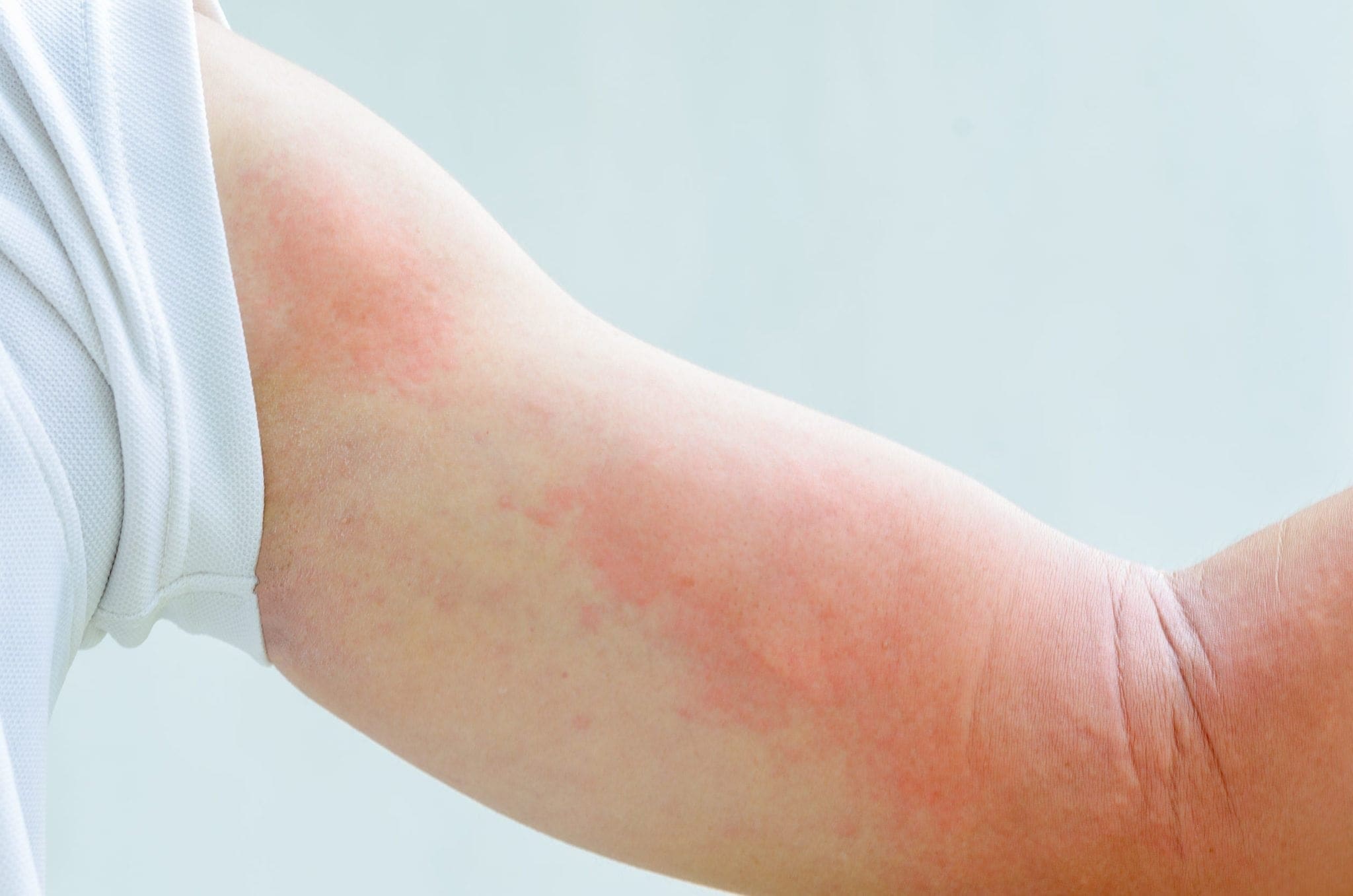
Image Source: familydoctor.org
When the Skin Erupts: Exercising with Hives
Experiencing hives, those itchy, raised welts on the skin, can be a frustrating and sometimes alarming condition. When you also enjoy or need to engage in physical activity, a common question arises: “Can I exercise with hives?” The short answer is often yes, but it’s not a simple green light without caveats. The key lies in recognizing your specific triggers and implementing effective strategies to minimize reactions.
Deciphering the Cause: Why Exercise Can Trigger Hives
Hives, medically known as urticaria, are a common skin reaction characterized by the sudden appearance of red, itchy, swollen bumps or patches. These can appear anywhere on the body and vary in size and shape. While many factors can trigger hives, including allergens, stress, and certain medications, exercise triggers for hives are a distinct category.
There are several reasons why physical activity might lead to hives:
- Cholinergic Urticaria: This is one of the most common types of exercise-induced hives. It’s triggered by a rise in body temperature, often during or after exercise. The body’s sweat glands, or more specifically the nerve endings that stimulate them, can be overstimulated, leading to the release of histamine and other inflammatory chemicals, causing hives. This is why you might hear about cholinergic urticaria exercise as a specific condition.
- Heat and Hives Exercise: For some individuals, the general increase in body heat during any physical activity, not just those causing significant sweating, can be enough to trigger a reaction. This falls under the umbrella of heat and hives exercise sensitivities.
- Mechanical Urticaria: Less common in the context of general exercise, but possible, is mechanical urticaria. This occurs when pressure or friction on the skin, such as from tight workout clothing or repetitive movements, causes hives.
- Allergic Reactions to Exercise: In rarer cases, exercise can be linked to food allergies. This phenomenon, known as food-dependent exercise-induced anaphylaxis, means that if you eat a specific food and then exercise, you can have a severe reaction, which can include hives.
Recognizing the Signs: What to Watch For During Exercise
When you have a tendency to get hives from exercise, it’s vital to be aware of the early warning signs. These can appear during or shortly after your workout.
Common symptoms include:
- Itching: This is often the first symptom, starting subtly and becoming more intense.
- Redness: Patches of skin may become red and inflamed.
- Raised Welts: These are the characteristic hives, which can be small dots or larger patches. They can vary in appearance and distribution.
- Burning Sensation: Some individuals report a burning feeling along with the itching.
- Swelling: In more severe cases, swelling can occur, especially around the face, lips, or tongue, though this is less common with mild exercise-induced hives.
Strategies for Managing Hives During Exercise
If you’re dealing with hives and want to maintain an active lifestyle, don’t despair. Effective management is possible.
Pre-Exercise Preparations: Setting Yourself Up for Success
- Consult Your Doctor: Before making any significant changes to your exercise routine or if you’re experiencing frequent or severe hives, talk to your doctor or a dermatologist. They can help diagnose the specific type of urticaria you have and recommend appropriate treatment.
- Antihistamines: Over-the-counter or prescription antihistamines are the cornerstone of managing exercise-induced hives. Taking a non-sedating antihistamine about 30-60 minutes before your workout can significantly reduce or prevent a reaction. Your doctor can advise on the best type and dosage.
- Hydration: Staying well-hydrated is crucial, especially when exercising. Dehydration can sometimes exacerbate skin reactions.
- Warm-Up Gradually: Avoid sudden, intense bursts of activity. A gradual warm-up allows your body to adjust to the increasing temperature and physical demand, potentially reducing the shock that can trigger cholinergic urticaria exercise responses.
During Exercise: Staying Safe and Comfortable
- Choose Cooler Environments: Opt for indoor gyms with air conditioning, early morning or late evening workouts in cooler weather, or swimming in cool water. This helps manage your core body temperature.
- Wear Breathable Clothing: Loose-fitting, moisture-wicking fabrics are your best friend. Avoid tight, synthetic materials that can trap heat and sweat, potentially worsening sweat induced hives.
- Pace Yourself: Listen to your body. If you start to feel symptoms of hives, don’t push through it. Slow down or take a break.
- Stay Hydrated: Sip water throughout your workout.
- Cool Down Properly: A gradual cool-down is just as important as a warm-up. It allows your body temperature to return to normal slowly.
Post-Exercise Care: What to Do After Your Workout
- Cool Down: Continue your cool-down routine to help your body temperature regulate.
- Gentle Cleansing: Wash off sweat with cool or lukewarm water and a mild cleanser. Avoid harsh scrubbing.
- Moisturize: Apply a fragrance-free moisturizer to soothe the skin.
- Monitor Symptoms: Keep an eye on your skin for any delayed reactions. If hives appear or worsen, you may need to take another dose of antihistamine (as advised by your doctor).
Types of Exercise and Their Impact on Hives
The type of exercise you choose can also influence whether you experience hives.
Table 1: Exercise Types and Potential Hive Impact
| Exercise Type | Potential Impact on Hives | Recommendations |
|---|---|---|
| Aerobic Exercise | Can significantly increase body temperature and heart rate, often leading to sweat induced hives or cholinergic urticaria exercise reactions. Activities like running, cycling, and high-intensity interval training (HIIT) are common triggers. | Choose cooler environments, wear breathable clothing, pace yourself, stay hydrated, and consider taking antihistamines beforehand. |
| Strength Training | While generally less intense than some cardio, it still raises body temperature and can cause sweating. Heavy lifting might also involve some physical strain that could potentially contribute. | Focus on controlled movements and adequate rest between sets. Monitor for any localized reactions to pressure or friction from equipment. |
| Yoga/Pilates | Often performed in heated studios (hot yoga) can be a significant trigger. However, regular yoga or Pilates in a cool environment is usually well-tolerated. The stretching and slower movements can be beneficial. | Opt for non-heated classes. If you experience warmth, try cooler rooms or take breaks to cool down. |
| Swimming | Can be very beneficial as the cool water helps regulate body temperature. However, some individuals may react to chlorine or other chemicals in the pool water, which can mimic hive symptoms. | Test your skin’s reaction to pool water. If you react to chlorine, consider swimming in natural bodies of water (if safe and clean) or ensure adequate post-swim showering. |
| Outdoor Activities | Exposure to sun, heat, humidity, and even wind can all be contributing factors. Heat and hives exercise is particularly relevant here. | Choose cooler times of day, wear sun protection (hats, light clothing), use sunscreen, and be mindful of the environmental conditions. |
| Contact Sports | The risk of friction, impact, and increased body temperature is high. This can exacerbate physical activity hives. | Ensure protective gear is clean and not overly tight. Be prepared to stop if reactions occur. |
When to Stop Exercising with Hives
While managing hives during exercise is often possible, there are definite instances where you must stop and seek medical attention. When to stop exercising with hives is a critical safety consideration.
Table 2: Red Flags Indicating You Should Stop Exercising
| Symptom Severity | Action |
|---|---|
| Severe Itching/Burning | If itching or burning becomes unbearable and is not relieved by cooling down or medication. |
| Widespread Hives | If hives spread rapidly across a large portion of your body. |
| Swelling (Angioedema) | Any swelling of the lips, tongue, throat, or face is a serious sign and requires immediate medical attention. |
| Difficulty Breathing | Shortness of breath, wheezing, or a feeling of tightness in the chest. This indicates a potentially severe allergic reaction. |
| Dizziness or Fainting | Feeling lightheaded or losing consciousness can be signs of anaphylaxis. |
| Nausea or Vomiting | These symptoms, especially in conjunction with hives, can indicate a systemic reaction. |
| Rapid Heartbeat | An unusually fast or irregular heartbeat. |
| Hives After Workout | If you develop significant hives after your workout that don’t improve with standard measures, or if they are particularly widespread. |
| No Improvement with Meds | If your usual preventative medication or immediate treatment for hives isn’t working. |
If you experience any of these severe symptoms, stop exercising immediately, try to cool down, and seek medical help without delay. If symptoms are severe, call emergency services.
Case Studies: Real-Life Experiences
- Sarah, the Runner: Sarah loves running but used to break out in itchy hives about halfway through her 5k runs. After consulting her doctor, she started taking an antihistamine 30 minutes before her runs and switched to looser, moisture-wicking running gear. She also ensures she drinks plenty of water. Now, she can enjoy her runs with minimal discomfort.
- Mark, the Weightlifter: Mark found that after intense weightlifting sessions, he would develop hives on his chest and back. He realized it was likely related to the increased body heat and exertion. He now warms up more gradually, takes breaks between sets, and makes sure his gym is well-ventilated. He also avoids protein shakes immediately before or after workouts, just in case there’s a food-exercise interaction.
- Emily, the Yoga Enthusiast: Emily loved hot yoga, but it consistently led to severe hives and swelling. She discovered she had cholinergic urticaria exercise sensitivity and that the extreme heat was a major trigger. She switched to regular yoga classes in a cooler environment, which allowed her to continue her practice without adverse reactions.
Frequently Asked Questions (FAQ)
Q1: Can I exercise if I have hives right now?
A: If you currently have active hives, it’s generally best to avoid strenuous exercise that will raise your body temperature or cause sweating. Gentle activity like a slow walk in a cool environment might be okay, but listen to your body. If you have severe symptoms, avoid exercise altogether and consult your doctor.
Q2: What are the best types of exercise for people prone to hives?
A: Activities that help regulate body temperature are usually better. Swimming in cool water, walking or cycling in cooler weather, or gentle yoga in a cool room are often well-tolerated. Avoid high-intensity workouts in hot environments.
Q3: How long before exercise should I take an antihistamine?
A: Typically, taking a non-sedating antihistamine 30-60 minutes before exercise is recommended. Always follow your doctor’s advice regarding timing and dosage.
Q4: What if I get hives after my workout?
A: If you develop hives after workout, try to cool down your body, take a cool shower, and take an antihistamine as prescribed by your doctor. If the hives are severe or accompanied by other symptoms like difficulty breathing or swelling, seek medical attention immediately.
Q5: Is it safe to exercise with heat and hives exercise sensitivity?
A: It’s possible, but requires careful management. Focus on avoiding excessive heat. Exercise during cooler parts of the day, in air-conditioned spaces, and wear breathable fabrics. Gradual warm-ups and cool-downs are essential.
Q6: What are common exercise triggers for hives?
A: Common triggers include increased body temperature (especially from sweat induced hives or cholinergic urticaria exercise), friction from clothing, pressure, and in some cases, specific foods consumed before exercise.
Q7: Can I push through the itching and exercise anyway?
A: It’s generally not advisable. Pushing through can worsen the reaction and potentially lead to more severe symptoms. It’s better to stop, cool down, and address the symptoms.
Conclusion
Navigating the world of fitness with a tendency for hives requires knowledge, preparation, and a willingness to listen to your body. By understanding the potential triggers, implementing preventative strategies like appropriate medication and clothing, and knowing when to stop, you can often continue to enjoy the many benefits of physical activity hives management. Always consult with a healthcare professional to create a personalized plan that keeps you safe and active.