
Yes, you absolutely can become a Physical Therapist Assistant (PTA) with an Exercise Science degree. Your Exercise Science background gives you a strong start, covering many core science topics essential for physical therapy. However, having this degree does not automatically make you a PTA. To become a licensed PTA, you must complete a specific, accredited Physical Therapist Assistant education program and pass a national exam. Think of your Exercise Science degree as a great foundation, but you’ll need the specialized training from a PTA program to work directly as a PTA. This article will explain how your degree helps and the steps you need to take next. This path is one of several possible healthcare career paths for those with an Exercise Science degree, offering a direct role in patient care and recovery. It involves becoming a physical therapist assistant through formal education and certification.
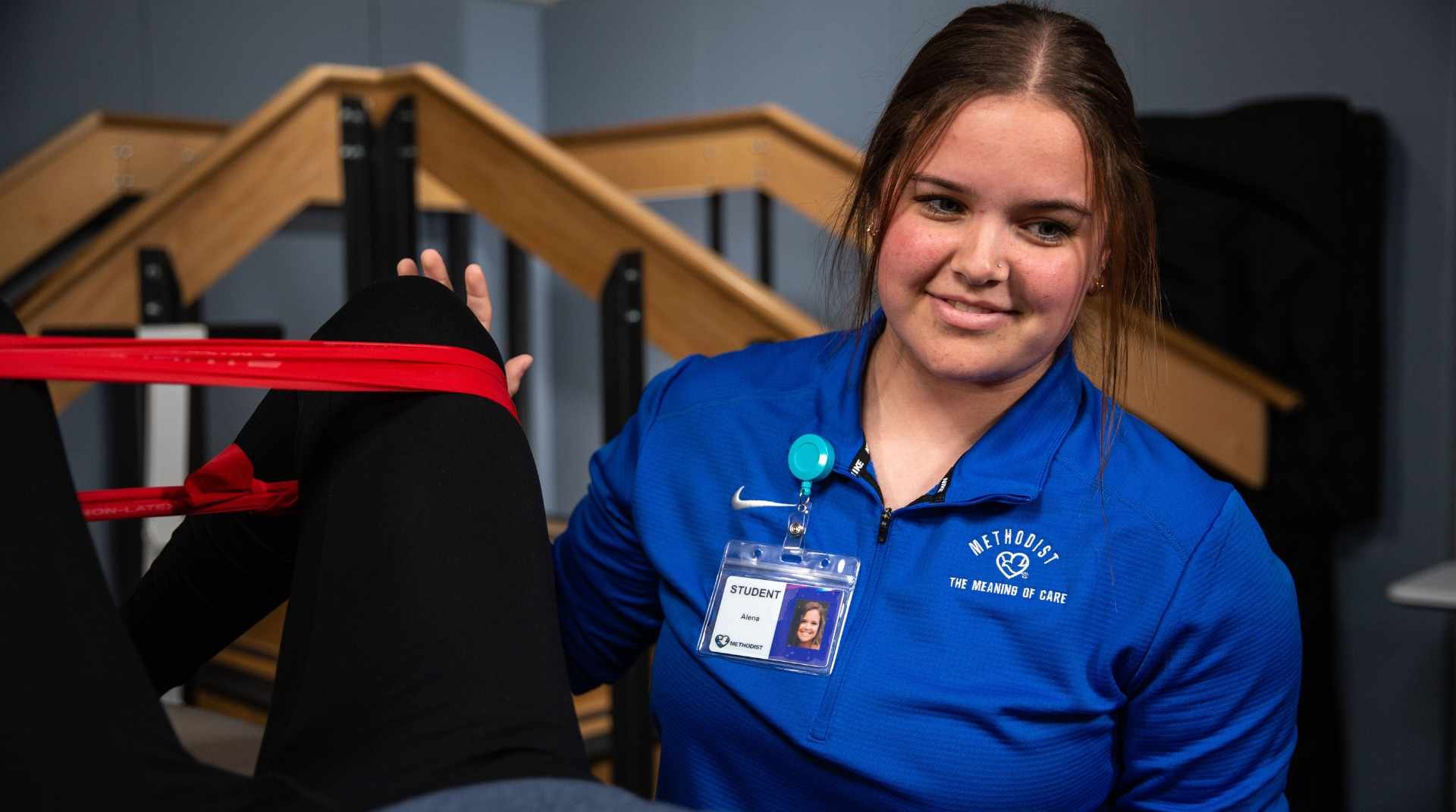
Image Source: blog.methodistcollege.edu
The Road to Becoming a PTA
Getting ready to work as a PTA follows a clear path. It needs special education and passing tests.
Essential Educational Steps
To become a PTA, you must finish a program accredited by the Commission on Accreditation in Physical Therapy Education (CAPTE). This is a key rule. These programs usually give you an Associate’s degree. They teach you the skills and knowledge needed to help physical therapists care for patients.
Most CAPTE-accredited PTA programs take about two years to finish if you study full-time. The classes mix learning in classrooms and labs with real work experience in clinics or hospitals. This hands-on learning is called clinical education. It’s a very important part of your training.
After you finish a CAPTE-accredited program, you must pass the National Physical Therapy Exam (NPTE) for PTAs. This exam is managed by the Federation of State Boards of Physical Therapy (FSBPT). Passing this test is needed in all states. Also, each state has its own rules for getting a license or PTA certification. You need to meet these state rules too before you can start working.
Your Background in Exercise Science
If you have a degree in Exercise Science, you have already learned many things that are very useful for physical therapy. Your Kinesiology degree PTA path is a smart move. It covers important basics.
How Your Degree Helps
An Exercise Science degree teaches you a lot about the human body. You study how it moves, how muscles work, and how exercise affects health. This knowledge is a big plus for physical therapy.
Here are some things you likely learned that connect well:
- How the body is built (Anatomy): Knowing where bones, muscles, nerves, and organs are is key in physical therapy. Your degree likely covered this in detail.
- How the body works (Physiology): You studied how different systems in the body function. This includes the muscles, heart, lungs, and nerves. This helps you understand how injuries or sickness affect movement and health.
- How we move (Biomechanics): You learned about the forces that act on the body and how the body uses levers and angles to move. This is basic to understanding how people walk, lift, or do any action. Physical therapists and PTAs use this every day.
- How to make exercise plans (Exercise Prescription): You learned how to create safe and effective exercise plans for different people and goals. This is very much like the therapeutic exercise plans PTAs help carry out.
Your Exercise Science degree gives you a strong base in these areas. This means you might find some parts of the PTA program easier to grasp than someone starting fresh. You already speak some of the same language used in physical therapy. This makes your Exercise Science career options broader, letting you move into direct patient care roles like a PTA.
Fulfilling PTA Program Requirements
Even with a strong Exercise Science degree, you must meet the specific PTA program requirements to get in. These are set by each school.
What Programs Look For
PTA programs look for students who are ready for hard science classes and show they care about helping people. Your Exercise Science degree shows you have a science base. But you need to check the exact requirements for each school you are thinking about.
Typical prerequisites for PTA programs include:
- Science Classes: Most programs need you to have taken college-level science classes. These often include:
- Anatomy and Physiology (A&P) – often a two-part course.
- Biology
- Physics (sometimes)
- Chemistry (sometimes)
Your Exercise Science degree probably covered A&P and Biology well. Check if the courses you took match what the PTA program needs. Some programs might need specific types of these courses (like A&P with a lab). You might need to take an extra class or two.
- Good Grades: Programs look at your college grades. They often have a minimum GPA you need to meet.
- Seeing the Job (Observation Hours): Many PTA programs need you to spend time watching physical therapists and PTAs work. This is called observation hours. It shows you know what the job is really like. You usually need to do this in different settings, like a hospital and an outpatient clinic. The number of hours needed changes by program, but 40-80 hours is common. This step is vital for physical therapy admissions.
- Other Requirements: Schools might ask for other things too. This could be writing an essay, getting letters of recommendation from teachers or people you worked for, or doing an interview. Some might ask you to take a basic skills test.
Your Exercise Science degree helps because it shows you can handle college-level science work. It also shows you are interested in health and fitness, which fits well with physical therapy. But you must check each program’s list of needed courses and steps carefully. Make sure your past classes count or plan to take any needed extra ones.
Finding the Right Education Path
Choosing where to get your PTA education is a big step. Not all programs are the same.
Accredited Programs Matter
It is extremely important to choose a PTA program that is accredited by CAPTE. Only graduates from CAPTE-accredited programs can take the national exam (NPTE) needed for state licensure. Getting your PTA certification depends on going to the right school.
You can find a list of accredited programs on the CAPTE website. Look for programs near you or in places you might want to live and work.
When looking at programs, think about:
- Location: Is the school easy for you to get to?
- Program Length: Most are about two years full-time. Are there part-time options if you need them? (Note: Part-time options for PTA programs are less common than full-time).
- Cost: How much does the program cost? Look at tuition, fees, and living costs.
- Clinical Sites: Where do students do their hands-on training? Do they work in different kinds of places (hospitals, clinics, nursing homes)? Getting experience in varied settings is very helpful.
- Pass Rates: Ask about the program’s pass rate for the national licensure exam (NPTE). A high pass rate is a good sign the program prepares students well.
- Job Placement: Do many graduates get jobs soon after finishing?
Talk to people who are in the program or who finished it. Ask them about their experience. See if you can visit the school or join an online info session. Choosing the right program is a big decision for your future healthcare career paths.
What You Will Learn in a PTA Program
A PTA program is designed to teach you exactly what you need to work under a physical therapist. It builds on some of your Exercise Science knowledge but adds a lot of new, specific skills.
Core Curriculum
The classes and training in a PTA program are focused directly on patient care in physical therapy. You will learn both in class and by working with real patients or practicing on classmates.
Key subjects include:
- Looking at Patients (Patient Examination and Evaluation): You learn how to gather information about a patient. This includes checking their strength, how they move, their pain level, and what they can do. You learn how to measure these things accurately.
- Helping Patients Move (Therapeutic Exercise): This is a core part of PTA work. You learn many different exercises to help patients improve strength, flexibility, balance, and coordination. You learn how to teach these exercises safely and correctly. Your Exercise Science background in exercise prescription is a great starting point here.
- Using Tools (Physical Agents and Therapeutic Modalities): You learn how to use equipment like heat packs, ice packs, electrical stimulation units, ultrasound, and traction devices. You learn when to use them and how they help patients.
- Helping People Walk and Move Around (Functional Training): You learn how to help patients do daily activities. This includes walking with crutches or walkers, moving from a bed to a chair, and doing tasks at home or work.
- Medical Problems (Pathology): You learn about common sicknesses, injuries, and conditions that physical therapists treat. Knowing about things like stroke, broken bones, back pain, and arthritis helps you understand what the patient is going through and why they need therapy.
- Talking and Working with People (Communication and Patient Care): You learn how to talk clearly and kindly with patients, their families, and other healthcare workers. You learn how to help patients feel comfortable and safe.
- Job Rules (Ethics and Professionalism): You learn about the rules and values of working in healthcare. This includes keeping patient information private and acting in a professional way.
- Hands-On Practice (Clinical Rotations): This is a huge part of the program. You will work in real physical therapy settings supervised by licensed PTs and PTAs. You put what you learned in class into practice. These experiences are required and give you vital real-world skills.
Your Exercise Science degree gives you a head start in the science and exercise parts. But the PTA program fills in the missing parts: the specific clinical skills, patient care methods, and deep knowledge of how physical therapy works in different medical situations.
Steps After Finishing Your Program
Finishing a CAPTE-accredited PTA program is a big success. But you have two more important steps before you can start working as a PTA.
Getting Your Certification
The steps after graduation make sure you are ready and allowed to help patients safely.
- Pass the National Exam: You must take and pass the National Physical Therapy Exam (NPTE) for PTAs. This test checks your knowledge and skills across all areas of physical therapy practice for a PTA. You need to study hard for this exam. The FSBPT website has information and study guides.
- Meet State Rules: Every state has its own set of rules for getting a PTA license. These rules can include:
- Passing the NPTE exam.
- Graduating from a CAPTE-accredited program.
- Passing a state-specific law exam.
- Completing a background check.
- Paying a fee.
You must check the rules for the specific state where you want to work. Getting your state license or PTA certification is the final step that allows you to legally work as a Physical Therapist Assistant.
Once you have your license, you are ready to look for jobs. Many PTAs find work in hospitals, outpatient clinics, nursing homes, schools, or even patients’ homes.
Looking into Bridge Options
People often ask if there is a “bridge” program to go straight from a Bachelor’s degree like Exercise Science to a PTA role. This is a good question to ask when thinking about relevant bachelor’s degrees for PTA work.
Bachelor’s to PTA Programs
It is important to know that true “bridge” programs that shorten a standard PTA Associate’s degree program significantly based on having a Bachelor’s in Exercise Science are not common.
Here’s what your Bachelor’s degree does help with:
- Getting Into a Program: Your Exercise Science degree makes you a stronger candidate for PTA programs. It shows you can handle college-level science classes. It also shows your interest in health and movement. You may have already met many of the prerequisite science courses, which saves you time before you even start the program. This is a plus for physical therapy admissions.
- Doing Well in a Program: As we talked about, your knowledge of anatomy, physiology, biomechanics, and exercise helps you understand the material in PTA school more easily. You might find some classes are reviewing things you already know, letting you focus on the new, clinical skills.
However, most CAPTE-accredited PTA programs are set up as two-year Associate’s degree programs. The curriculum includes specific clinical skills and knowledge that are unique to physical therapy assistant practice. These skills must be learned through the program’s required coursework and clinical experiences.
So, while your Exercise Science degree is a great asset for applying to and succeeding in a PTA program, it does not usually mean you can skip large parts of the required PTA curriculum through a formal “bridge” program. You will likely still need to complete the full two-year Associate’s degree program to meet the educational requirements for licensure.
Some schools might offer slightly faster tracks if you have many credits already, but this is usually just about finishing prerequisite courses beforehand, not skipping the core PTA classes. It’s best to contact the admissions offices of specific PTA programs you are interested in and ask them directly how your Exercise Science degree would be viewed and if it would affect program length or requirements.
The Plus Side of Your Exercise Science Degree
Let’s look more closely at why your Exercise Science degree is such a valuable tool on your path to becoming a PTA. It gives you a head start in many ways.
Starting with Strong Knowledge
An Exercise Science program teaches you how the body works and moves from a scientific point of view. This fits very well with the ideas behind physical therapy.
Here’s how your background helps directly:
- Body Structure and Function: You learned about muscles, bones, joints, and how they work together. In physical therapy, you use this to understand injuries and how to help people move again. You know about different muscle groups and how they contribute to movement. This deepens your Kinesiology degree PTA connection.
- How Exercise Works: You understand why exercise is good for health and recovery. You know about different types of exercise (like strength training, flexibility, cardio) and how to make them safe and effective. PTAs spend a lot of time using therapeutic exercise to help patients heal and get stronger. Your skill here is a direct match.
- Looking at Movement: Exercise Science often includes analyzing how people walk, run, or do other movements. This helps you spot problems in how someone moves, which is a key part of what PTAs do when working with patients on exercises or daily tasks.
- Working with People: You may have experience working with clients or patients to help them reach fitness or health goals. This could be in a gym, a wellness program, or a research setting. This experience helps you build good communication and people skills, which are vital for a PTA who works closely with many different patients every day.
- Research Skills: Some Exercise Science programs teach you how to read and understand research. Physical therapy uses evidence-based practice, meaning treatments are based on the latest research. Being able to read and understand studies is helpful for your own learning and growth as a PTA.
Your degree gives you a solid base of science and practical knowledge about movement and exercise. This means you are not starting from zero when you begin a PTA program. You have important building blocks already in place. This can make learning the new PTA-specific skills easier and faster for you. It makes your path to becoming a physical therapist assistant more direct in terms of foundational knowledge.
Other Routes in Healthcare
While becoming a PTA is a great goal with an Exercise Science degree, it is good to know you have other choices too. Your degree opens doors to several healthcare career paths.
Using Your Exercise Science Background
Your Exercise Science degree gives you skills that are valuable in many jobs focused on health, fitness, and helping people. Becoming a PTA is one direct patient care role, but here are other exercise science career options you might consider:
- Exercise Physiologist: These professionals often work with people who have chronic diseases (like heart disease, diabetes, lung problems) to help them use exercise to manage their condition and improve their health. They might work in hospitals, clinics, or wellness centers.
- Cardiac Rehabilitation Specialist: They work with patients recovering from heart attacks or heart surgery. They design and lead exercise programs to help patients get stronger and healthier.
- Strength and Conditioning Coach: They work with athletes or teams to improve performance, strength, power, and endurance. This can be at schools, universities, or private training centers.
- Wellness Coordinator/Specialist: They plan and run programs to help people improve their overall health and fitness in workplaces, community centers, or gyms.
- Personal Trainer: They work one-on-one with clients to help them meet fitness goals.
- Health Coach: They guide and support people in making healthier choices about diet, exercise, stress, and sleep.
- Further Education: You could also use your Exercise Science degree as a stepping stone to other graduate programs, like Physical Therapy (PT), Occupational Therapy (OT), Chiropractic, or even Medical School, if you complete the specific prerequisites for those advanced programs.
Each of these roles uses your knowledge of exercise, the body, and health in different ways. Becoming a physical therapist assistant offers a specific role working under a PT, focused on helping patients recover from injury or illness through hands-on care and exercise programs. Your Exercise Science degree is a versatile base for many roles in the health and wellness world.
Weighing Your Options
You have an Exercise Science degree and are thinking about becoming a PTA. Is this the right move for you? It’s helpful to think about the good and not-so-good points.
The Value of Becoming a PTA
Choosing to pursue a PTA education after getting your Bachelor’s degree involves more time in school and extra costs. But it can lead to a very rewarding career.
Here are some things to think about:
Good Points (Pros):
- Direct Patient Care: As a PTA, you work very closely with people. You see their progress and help them get better day by day. This can be very satisfying.
- Strong Job Outlook: The need for PTAs is expected to grow much faster than average over the next several years. People are living longer and staying active. This means more people need physical therapy services.
- Good Salary: PTAs earn a good salary. The exact amount depends on where you work and how much experience you have.
- Uses Your Background Well: Your Exercise Science knowledge is directly useful in the daily tasks of a PTA. You understand the exercises you are helping patients do and why they are important.
- Meaningful Work: You help people reduce pain, move better, and get back to doing things they enjoy. This work truly makes a difference in people’s lives.
- Less School Than Becoming a PT: Becoming a Physical Therapist (PT) requires a Doctor of Physical Therapy (DPT) degree, which is usually 3 years of graduate school after a Bachelor’s degree. The PTA path requires an Associate’s degree, usually about 2 years. This means you can start working sooner.
Things to Think About (Cons):
- More School: You will need to go back to school for about two years to get the required Associate’s degree. This means paying tuition and fees and taking time away from working full-time.
- Cost: PTA programs have costs for tuition, books, and living.
- Scope of Work: PTAs work under the direction and supervision of a licensed Physical Therapist. PTAs carry out the treatment plan the PT creates. They do not create the plan themselves or do the initial evaluation of a patient. This is different from the role of a PT.
- Specific Training Needed: Even with your Exercise Science knowledge, you must learn the specific clinical skills and patient care methods taught in a PTA program. You cannot just start working as a PTA without this formal education and licensure.
Deciding if becoming a PTA is right after your Exercise Science degree means looking at these points. If you want a job with direct patient care, a strong job future, and you are ready to go back to school for specific training, the PTA path could be a great fit for you. It is one of the most direct ways to use your Exercise Science knowledge in a hands-on healthcare role.
Common Questions Asked
People often have similar questions when thinking about using their Exercise Science degree to become a PTA. Here are some answers.
Frequently Asked Questions
- How long does it take to become a PTA if I have an Exercise Science degree?
You will need to complete a CAPTE-accredited PTA program. These programs are typically about two years long if you study full-time. Your Exercise Science degree might help you meet some of the entry requirements faster, but the program itself usually takes two years. - Do I need more science classes before applying to a PTA program?
Maybe. Check the specific prerequisites for each PTA program you are interested in. Your Exercise Science degree likely covered anatomy, physiology, and biology. But some programs might need specific versions of these classes or other sciences like physics or chemistry that you might not have taken. - Are observation hours needed for PTA program admission?
Yes, most PTA programs require you to spend time observing licensed physical therapists and PTAs working. This helps you understand the job. The number of hours varies by program, often between 40 and 80 hours in different settings like clinics or hospitals. - What is the job outlook for PTAs?
The job outlook for Physical Therapist Assistants is very strong. The field is expected to grow much faster than average in the coming years due to the aging population and increased demand for physical therapy services. - How is a PTA different from a PT?
A Physical Therapist (PT) evaluates patients, creates treatment plans, and sets goals. They need a Doctor of Physical Therapy (DPT) degree. A Physical Therapist Assistant (PTA) works under the direction and supervision of a PT. The PTA helps patients complete the exercises and treatments laid out in the PT’s plan. PTAs need an Associate’s degree. - Can I work while I am in a PTA program?
PTA programs are demanding, especially because they include clinical training hours. Many students find it hard to work full-time while in the program. Some work part-time, but this depends on the program schedule and your ability to manage your time. Clinical rotations are often full-time hours. - Does having an Exercise Science degree make me more likely to get into a PTA program?
Yes, generally it does. Your degree shows you have a strong science background and an interest in health and movement. It often means you have already taken many of the required science classes. This makes your application stronger compared to someone without a relevant degree. - Is there a national exam for PTAs?
Yes, you must pass the National Physical Therapy Exam (NPTE) for PTAs after graduating from an accredited program. You also need to meet state-specific rules to get your license.
Thinking about these questions helps you plan your path from an Exercise Science degree to becoming a working PTA. It’s a clear process that needs dedication to more schooling and testing, but it leads to a meaningful career helping people.