
Do you feel weak in the gym? This can happen for many reasons, from not eating enough to not getting enough sleep. Let’s explore the common causes and what you can do about them.
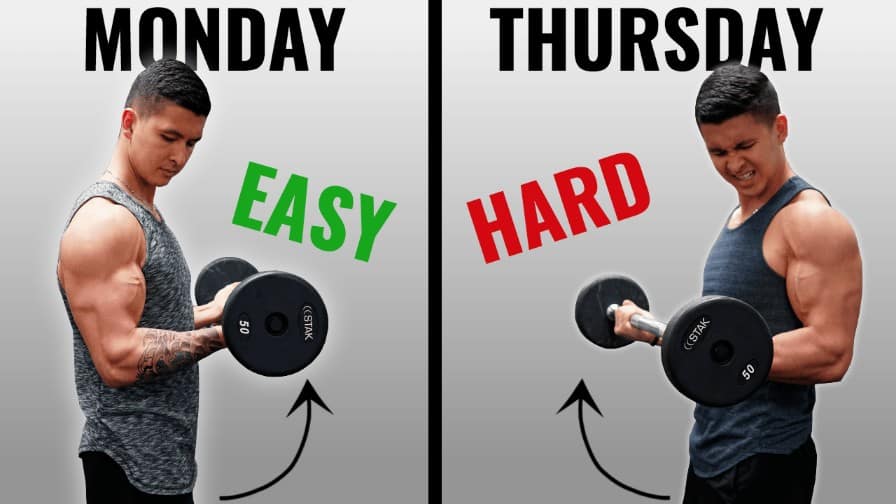
Image Source: builtwithscience.com
Why Your Workouts Feel Like a Struggle
It’s frustrating when you go to the gym expecting to push your limits, but instead, you feel drained and weak. You might be lifting less than usual, feeling unmotivated, or just generally sluggish. This common experience can stem from a variety of factors, both internal and external. Identifying the root cause is the first step to regaining your strength and enjoying your fitness journey again.
The Invisible Drain: Low Energy
Low energy is perhaps the most obvious culprit behind feeling weak. When your body lacks the fuel it needs, every movement becomes a chore. This isn’t just about feeling tired; it’s a deeper depletion that affects your physical and mental capacity. When you have low energy, your muscles don’t have the stored energy to perform at their best. This means that even simple exercises can feel incredibly difficult. Your brain might also struggle to focus, making your workouts less effective and potentially less safe.
Sources of Persistent Low Energy
- Inadequate Calorie Intake: If you’re not eating enough calories to support your activity level, your body will break down muscle tissue for energy. This not only makes you weaker but also counterproductive to your fitness goals.
- Poor Food Choices: Even if you eat enough, the quality of your food matters. Processed foods, sugary drinks, and unhealthy fats don’t provide sustained energy. They can lead to energy crashes, leaving you feeling depleted.
- Underlying Medical Conditions: Sometimes, low energy can be a symptom of a medical issue, such as thyroid problems or chronic fatigue syndrome.
- Mental and Emotional Strain: Stress, anxiety, and depression can significantly impact your energy levels, even if you’re physically healthy.
The Burnout Feeling: Muscle Fatigue
Muscle fatigue is that heavy, tired feeling in your muscles after a workout. It’s normal to feel some of this, but excessive or premature muscle fatigue signals a problem. When your muscles are constantly fatigued, they can’t contract effectively. This leads to a decrease in strength and power. It’s like trying to run a car with an empty gas tank – it just won’t go.
What Causes Early Muscle Fatigue?
- Insufficient Rest Between Sets: Muscles need time to recover and replenish energy stores between sets. Not resting long enough can lead to rapid fatigue.
- Overexertion: Pushing your muscles too hard, too often, without adequate recovery, can lead to a buildup of metabolic byproducts that hinder muscle function.
- Dehydration: Even mild dehydration can impair muscle performance and speed up fatigue.
- Electrolyte Imbalance: Electrolytes like sodium, potassium, and magnesium are crucial for muscle contraction. Imbalances can lead to premature fatigue.
The Missing Piece: Poor Recovery
Recovery is as vital as the workout itself. It’s during rest that your muscles repair and rebuild, becoming stronger. If you’re not allowing your body enough time or the right conditions to recover, you’ll start to feel the effects as weakness and decreased performance.
Essential Elements of Effective Recovery
- Adequate Sleep: This is when the majority of muscle repair happens. Aim for 7-9 hours of quality sleep per night.
- Proper Nutrition: Consuming enough protein, carbohydrates, and healthy fats supports muscle repair and energy replenishment.
- Active Recovery: Light activities like walking or stretching can improve blood flow and aid recovery.
- Stress Management: Chronic stress can elevate cortisol levels, which can hinder muscle recovery and promote fat storage.
Fueling Your Fire: Nutritional Deficiencies
Your body needs a specific mix of nutrients to function optimally, especially when you’re physically active. Missing out on key vitamins and minerals can directly impact your strength and energy levels. Think of it like trying to build a house without enough bricks or cement – it won’t be strong.
Key Nutrients and Their Role in Strength
- Iron: Essential for carrying oxygen to muscles. Deficiency can lead to anemia, causing significant weakness and fatigue.
- Vitamin D: Plays a role in muscle function and bone health. Low levels can contribute to muscle weakness.
- B Vitamins: Crucial for energy metabolism. Deficiencies can impair your body’s ability to convert food into energy.
- Magnesium: Involved in hundreds of biochemical reactions, including muscle and nerve function. Low magnesium can lead to muscle cramps and weakness.
- Protein: The building block of muscles. Insufficient protein intake hinders muscle repair and growth.
- Carbohydrates: The primary source of energy for your muscles. Not eating enough carbs can leave you feeling drained.
The Danger Zone: Overtraining Symptoms
Overtraining occurs when you push your body too hard and too often without allowing for sufficient recovery. It’s a state of physical and mental exhaustion that can significantly set back your progress. It’s a warning sign that your body is breaking down faster than it can rebuild.
Recognizing the Signs of Overtraining
- Persistent Fatigue: Feeling exhausted even when you’re not working out.
- Decreased Performance: Your strength, speed, and endurance decline.
- Increased Resting Heart Rate: Your heart beats faster even when you’re at rest.
- Mood Swings: Irritability, anxiety, or depression.
- Sleep Disturbances: Difficulty falling asleep or staying asleep.
- Increased Susceptibility to Illness: Frequent colds or infections.
- Persistent Soreness: Muscles remain sore for longer than usual.
The Thirsty Truth: Dehydration Effects
Water is fundamental to life and crucial for athletic performance. Even mild dehydration can significantly impair your physical capabilities. When you’re dehydrated, your blood volume decreases, making it harder for your heart to pump oxygen and nutrients to your muscles.
How Dehydration Weakens You
- Reduced Blood Volume: Less blood flow means less oxygen and nutrients reaching your working muscles.
- Impaired Muscle Function: Dehydration affects the electrolyte balance necessary for muscle contractions.
- Increased Core Body Temperature: This can lead to heat exhaustion and a significant drop in performance.
- Faster Fatigue: Your muscles will tire out much quicker when not properly hydrated.
The Slumber Struggle: Sleep Deprivation
Sleep is not a luxury; it’s a necessity for muscle repair, hormone regulation, and overall recovery. When you don’t get enough quality sleep, your body can’t perform these vital functions. This directly translates to feeling weak and less capable in the gym.
The Impact of Not Enough Sleep
- Reduced Muscle Protein Synthesis: The process of building and repairing muscle tissue is significantly impaired without adequate sleep.
- Lowered Growth Hormone Levels: Growth hormone is released during deep sleep and is essential for muscle recovery and growth.
- Increased Cortisol Levels: Lack of sleep can elevate stress hormones, which can break down muscle tissue.
- Impaired Cognitive Function: This can affect your focus, motivation, and coordination in the gym.
The Pale Indicator: Anemia Symptoms
Anemia is a condition characterized by a lack of healthy red blood cells, which carry oxygen throughout your body. When your body doesn’t have enough oxygen-carrying capacity, your muscles and brain won’t get the oxygen they need to function properly, leading to profound weakness.
Recognizing Anemia’s Weakening Grip
- Extreme Fatigue: Feeling tired even after rest.
- Pale Skin: A noticeable paleness in the skin, lips, and nail beds.
- Shortness of Breath: Especially with exertion.
- Dizziness or Lightheadedness: Feeling faint.
- Headaches: Frequent or persistent headaches.
- Cold Hands and Feet: Poor circulation.
- Weakness and Brittle Nails: Another common physical sign.
The Sugar Rollercoaster: Blood Sugar Fluctuations
Your body uses glucose (sugar) from food as its primary energy source. If your blood sugar levels are unstable, you can experience energy spikes and crashes, directly impacting your gym performance.
How Blood Sugar Affects Your Workouts
- Hypoglycemia (Low Blood Sugar): This can occur if you haven’t eaten for too long, have exercised intensely without refueling, or have certain medical conditions. Symptoms include weakness, dizziness, shakiness, and confusion.
- Hyperglycemia (High Blood Sugar): While less common as a direct cause of immediate weakness during exercise, chronically high blood sugar can lead to long-term complications that affect energy levels.
- Reactive Hypoglycemia: This can happen after eating a meal high in refined carbohydrates. Your body releases a surge of insulin to bring down blood sugar, which can sometimes overshoot, causing a rapid drop and feelings of weakness.
The Hidden Drivers: Hormonal Imbalances
Hormones are chemical messengers that regulate many bodily functions, including energy levels, metabolism, and muscle growth. Imbalances in certain hormones can manifest as persistent weakness and fatigue.
Hormones That Impact Strength and Energy
- Thyroid Hormones: Both an overactive (hyperthyroidism) and underactive (hypothyroidism) thyroid can affect metabolism and energy levels, leading to feelings of weakness.
- Cortisol: The “stress hormone.” Chronically high cortisol levels (often due to prolonged stress) can lead to muscle breakdown and fatigue.
- Testosterone: In both men and women, testosterone plays a role in muscle mass, strength, and energy. Low levels can contribute to weakness.
- Insulin: As mentioned, insulin’s role in blood sugar regulation is critical for energy availability.
- Estrogen and Progesterone: Fluctuations in these sex hormones, particularly in women, can influence energy levels and mood.
Practical Strategies to Boost Your Gym Performance
Now that we’ve explored the common reasons for feeling weak, let’s look at actionable steps you can take to regain your strength and vitality.
1. Optimize Your Nutrition
Nutrition is the foundation of your energy and strength. What you eat directly fuels your workouts and aids in recovery.
Key Nutritional Adjustments
- Prioritize Whole Foods: Focus on fruits, vegetables, lean proteins, whole grains, and healthy fats. These provide sustained energy and essential nutrients.
- Ensure Adequate Protein Intake: Aim for 1.6-2.2 grams of protein per kilogram of body weight daily, spread throughout the day, to support muscle repair and growth.
- Don’t Fear Carbohydrates: Carbohydrates are your body’s preferred energy source for high-intensity activities. Include complex carbs like oats, quinoa, and sweet potatoes for sustained energy.
- Hydrate Consistently: Drink water throughout the day, not just during workouts. Urine color is a good indicator – pale yellow means you’re well-hydrated.
- Consider Micronutrients: If you suspect nutritional deficiencies, consult a doctor or registered dietitian. They might recommend blood tests and supplements if necessary.
Sample Meal Timing for Energy
| Meal Timing | Focus | Examples |
|---|---|---|
| Pre-Workout (1-2 hrs before) | Complex carbohydrates, moderate protein | Oatmeal with berries and a scoop of protein powder, Chicken breast with brown rice, Greek yogurt with fruit |
| During Workout (if needed for long/intense sessions) | Easily digestible carbohydrates, electrolytes | Sports drink, banana, energy gels |
| Post-Workout (within 30-60 mins) | Protein and fast-acting carbohydrates | Protein shake with a banana, Grilled chicken with sweet potato, Tuna sandwich on whole wheat bread |
| Throughout the Day | Balanced meals and snacks, consistent hydration | Lean meats, fish, eggs, dairy, legumes, nuts, seeds, fruits, vegetables, whole grains |
2. Prioritize Sleep and Recovery
Your body works hardest to repair itself when you’re resting. Neglecting sleep is like trying to build a house with no time for the foundation to set.
Improving Your Sleep Hygiene
- Consistent Sleep Schedule: Go to bed and wake up around the same time each day, even on weekends.
- Create a Relaxing Bedtime Routine: This could include reading, taking a warm bath, or meditating.
- Optimize Your Sleep Environment: Make sure your bedroom is dark, quiet, and cool.
- Limit Screen Time Before Bed: The blue light from electronic devices can interfere with melatonin production.
- Avoid Caffeine and Alcohol Before Bed: These substances can disrupt sleep patterns.
Active Recovery and Mobility
- Foam Rolling: Helps release muscle tension and improve blood flow.
- Stretching: Dynamic stretching before workouts and static stretching after can aid recovery and flexibility.
- Light Cardio: Activities like walking or cycling on rest days can promote blood flow without stressing muscles.
3. Manage Your Training Load
The key to progress is progressive overload, but this needs to be balanced with adequate rest.
Preventing Overtraining
- Listen to Your Body: Pay attention to signs of excessive fatigue, persistent soreness, or decreased performance.
- Incorporate Rest Days: Schedule at least 1-2 full rest days per week.
- Vary Your Training: Mix up intensity, volume, and types of exercises to avoid overworking specific muscle groups.
- Consider Deload Weeks: Every 4-8 weeks, reduce your training volume and intensity for a week to allow for deeper recovery.
- Track Your Progress: Monitoring your lifts, energy levels, and sleep can help you identify patterns and potential overtraining.
4. Address Potential Medical Causes
If you’ve made lifestyle changes and still feel consistently weak, it’s crucial to consult a healthcare professional.
When to Seek Professional Help
- Persistent and Unexplained Weakness: If your weakness doesn’t improve with rest and good nutrition.
- Sudden Onset of Fatigue: If you experience a rapid decline in energy levels.
- Other Concerning Symptoms: If you have symptoms like unexplained weight loss, fever, severe headaches, or shortness of breath, seek medical advice immediately.
- Suspected Nutritional Deficiencies or Anemia: Your doctor can order blood tests to check for these issues.
- Hormonal Imbalances: If you suspect a hormonal issue, your doctor can order appropriate tests and treatments.
5. Stay Hydrated
The importance of water cannot be overstated. Proper hydration is essential for every bodily function, including muscle performance.
Hydration Tips
- Carry a Water Bottle: Keep it with you and sip throughout the day.
- Set Reminders: If you tend to forget, set alarms on your phone.
- Monitor Urine Color: Aim for pale yellow.
- Increase Intake During Hot Weather or Intense Exercise: You lose more fluids when it’s hot or when you sweat a lot.
- Electrolyte Replacement: For very long or intense workouts, consider drinks with electrolytes to replenish what you lose through sweat.
Frequently Asked Questions (FAQ)
Q1: Can I still build muscle if I feel weak?
A1: While feeling weak can hinder your ability to lift heavy, you can still stimulate muscle growth with proper nutrition, adequate protein intake, and focusing on consistent training, even if it’s at a lower intensity initially. However, persistent weakness suggests an underlying issue that needs addressing.
Q2: How long does it take to recover from overtraining?
A2: Recovery from overtraining can vary greatly depending on the severity. It might take anywhere from a few weeks to several months of reduced training and focused recovery to feel fully recovered. Patience and listening to your body are key.
Q3: What are the best foods to eat for energy in the gym?
A3: For sustained energy, focus on complex carbohydrates (oats, whole grains, sweet potatoes) and lean proteins. For a quick boost before a workout, a banana or a small amount of easily digestible carbs can be beneficial.
Q4: Is it normal to feel sore after every workout?
A4: Some muscle soreness (DOMS – Delayed Onset Muscle Soreness) is normal, especially when you start a new program or increase intensity. However, if you are constantly experiencing debilitating soreness, it might be a sign of overtraining or insufficient recovery.
Q5: Should I take supplements if I feel weak?
A5: Supplements should complement a solid diet, not replace it. If you suspect a specific deficiency, consult a doctor. Otherwise, focus on whole foods. Protein powder can be convenient for post-workout recovery, and creatine is a well-researched supplement that can aid strength and power. However, always research and consider consulting a professional before starting new supplements.
By systematically examining these potential causes and implementing the suggested strategies, you can identify why you’re feeling weak in the gym and get back to enjoying your workouts and making progress towards your fitness goals. Remember, consistency, listening to your body, and seeking professional advice when needed are crucial for long-term success.