
Yes, you can often walk for exercise with plantar fasciitis, but it requires careful consideration, modifications, and listening to your body to avoid worsening the pain and to promote healing. The key is to walk safely and smartly.
Plantar fasciitis is a common cause of heel pain, characterized by inflammation of the plantar fascia, a thick band of tissue that runs across the bottom of your foot, connecting your heel bone to your toes. This condition can make everyday activities, especially walking, incredibly painful. Many people with plantar fasciitis wonder if they can continue to walk for exercise, fearing that any movement will aggravate their condition. This guide aims to provide comprehensive information and practical advice on walking with plantar fasciitis, focusing on safe practices and plantar fasciitis pain relief while walking.
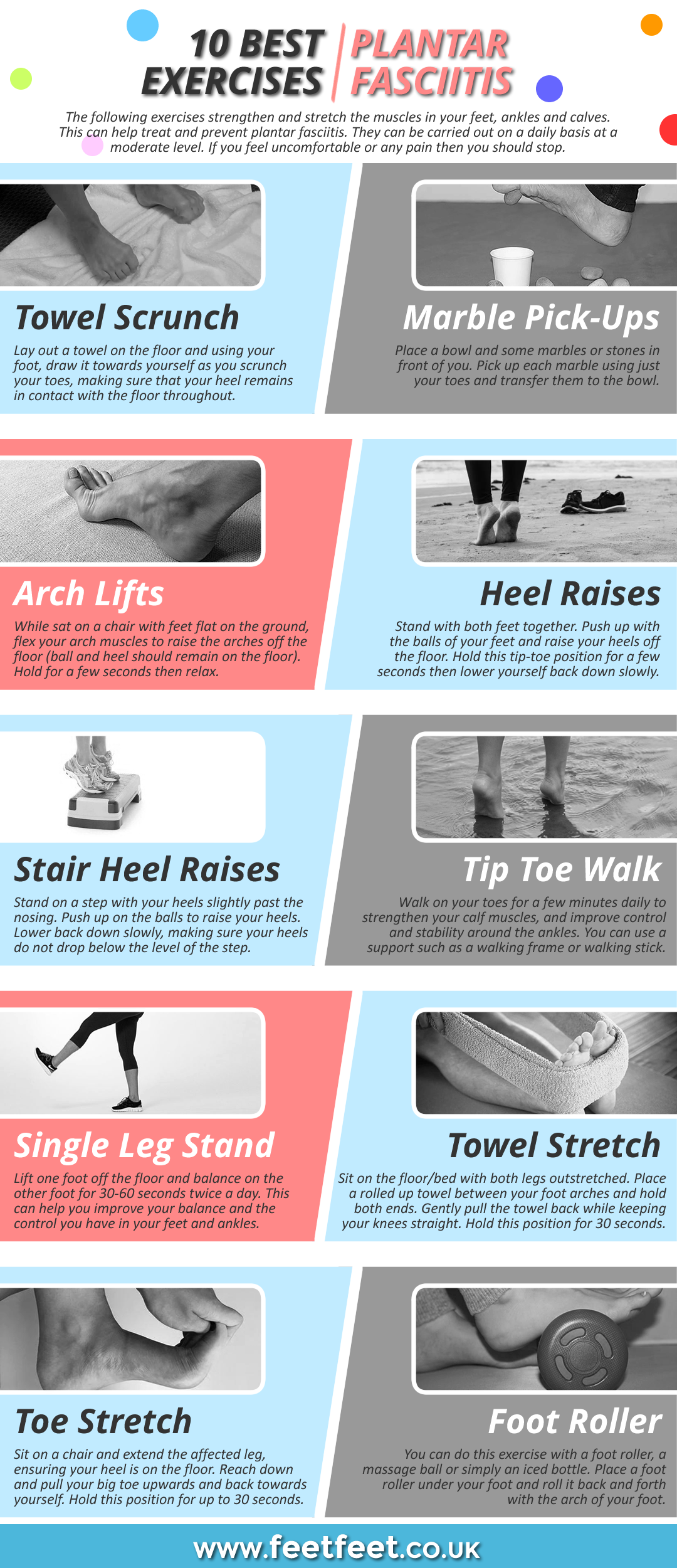
Image Source: cdn.shopify.com
The Effects of Walking on Plantar Fasciitis
The effects of walking on plantar fasciitis can be a double-edged sword. When done incorrectly or too intensely, walking can certainly exacerbate the inflammation and pain. The repetitive stress on the plantar fascia can lead to micro-tears or further inflammation of the tissue. This is especially true if you’re not wearing supportive footwear, walking on hard surfaces, or if your body is not adequately prepared for the activity.
However, when approached with the right strategy, walking can actually be beneficial for plantar fasciitis recovery. Gentle, controlled walking can:
- Improve blood flow: Increased circulation to the affected area can help deliver nutrients and oxygen, promoting tissue repair and reducing inflammation.
- Maintain flexibility: Regular movement, within pain limits, can prevent the plantar fascia from becoming overly tight and stiff, which often worsens the condition.
- Strengthen supporting muscles: Gradual walking can help strengthen the muscles in your feet, ankles, and calves, which play a crucial role in supporting the arch and reducing strain on the plantar fascia.
- Boost mood and overall health: Exercise, even low-impact, has significant mental health benefits, which are important for anyone dealing with chronic pain.
The crucial element is finding the balance between staying active and not overdoing it. This involves understanding your body’s signals and making necessary walking modifications plantar fasciitis.
When Walking Might Not Be Advisable
It’s essential to recognize when walking might not be the best exercise option for your current plantar fasciitis state. If you experience any of the following, it’s wise to pause or significantly reduce your walking and consult a healthcare professional:
- Severe, sharp pain: If your pain is intense and persistent, even with minimal activity, it might indicate a more serious issue that needs medical attention before resuming walking.
- Pain that worsens significantly during or after walking: While some mild discomfort might be expected initially, sharp or increasing pain that doesn’t subside is a clear signal to stop.
- Swelling or bruising: Visible swelling or bruising around your heel or arch can indicate acute inflammation or injury that requires rest and possibly medical intervention.
- Pain that limits your daily activities significantly: If you find it difficult to walk even short distances without considerable pain, starting with a walking program may be too aggressive.
In these scenarios, seeking advice from a doctor, podiatrist, or physical therapist is paramount. They can diagnose the severity of your plantar fasciitis and recommend alternative, gentler exercises.
Safe Walking Strategies for Plantar Fasciitis
So, can you walk for exercise with plantar fasciitis safely? Absolutely, with the right approach. The goal is to manage the plantar fasciitis heel pain walking experience by adopting smart strategies. Here’s a breakdown of how to walk safely:
1. Choose the Right Footwear
This is arguably the most critical factor.
- Supportive shoes: Opt for shoes with excellent arch support, good cushioning in the heel, and a firm sole. Running shoes, walking shoes, or specialized orthopedic shoes are often good choices.
- Avoid flat or unsupportive shoes: Flip-flops, sandals, worn-out sneakers, or going barefoot on hard surfaces are major no-nos.
- Consider orthotics or inserts: Over-the-counter or custom orthotics can provide additional arch support and heel cushioning, significantly reducing strain on the plantar fascia.
- Replace worn-out shoes: The cushioning and support in shoes degrade over time. If your shoes are old and the soles are flattened, it’s time for a new pair.
2. Warm-Up and Cool-Down
Never start walking without preparing your body and never finish without proper recovery.
- Warm-up: Before your walk, spend 5-10 minutes doing gentle stretches for your feet, ankles, and calves. Calf stretches, toe curls, and ankle circles can be very beneficial. This increases blood flow and prepares the muscles.
- Cool-down: After your walk, dedicate another 5-10 minutes to static stretching. Hold each stretch for 20-30 seconds, focusing on the calf muscles and the plantar fascia itself.
3. Pacing and Duration
Start slowly and gradually increase your intensity.
- Begin with short walks: If you haven’t walked in a while due to pain, start with very short distances, perhaps 10-15 minutes.
- Listen to your body: Pay close attention to any pain signals. If pain increases significantly, stop or slow down.
- Gradual progression: If you can comfortably complete your initial short walks, gradually increase the duration by 5-10 minutes each week, or increase the pace slightly.
- Frequency: Aim for consistency rather than pushing through long, painful walks. Shorter, more frequent walks might be better than one long, arduous one.
4. Surface Selection
The ground beneath your feet makes a significant difference.
- Softer surfaces are better: Opt for walking trails, grass, or a treadmill. These surfaces absorb more impact than concrete or asphalt.
- Avoid hard surfaces: If you must walk on hard surfaces, ensure your footwear and orthotics are top-notch.
5. Technique and Posture
How you walk matters.
- Proper gait: Try to maintain a natural walking pattern. Avoid limping, which can create compensatory strain on other parts of your body.
- Foot strike: While not always easy to control, a softer heel strike followed by a roll through the foot can be less jarring than a heavy heel strike.
Exercises for Plantar Fasciitis While Walking and Beyond
Incorporating specific exercises for plantar fasciitis walking can significantly enhance your recovery and make walking more comfortable. These exercises focus on strengthening the muscles that support the arch and improving flexibility.
Complementary Exercises to Enhance Walking
Before or after your walk, or on rest days, consider these exercises:
- Calf Stretches:
- Gastrocnemius Stretch: Stand facing a wall, place your hands on the wall, and step one foot back, keeping the back leg straight and heel on the ground. Lean forward until you feel a stretch in your calf. Hold for 30 seconds, repeat 2-3 times per leg.
- Soleus Stretch: From the same position, slightly bend the back knee while keeping the heel down. You’ll feel this stretch lower in the calf. Hold for 30 seconds, repeat 2-3 times per leg.
- Plantar Fascia Stretch:
- Towel Stretch: Sit with your legs extended. Loop a towel around the ball of your foot and gently pull your toes towards your shin. Hold for 30 seconds, repeat 2-3 times per foot.
- Foot Rolling: Sit and place a frozen water bottle or a tennis ball under your arch. Roll your foot back and forth over the object, applying gentle pressure. This can help release tension.
- Toe Curls: Sit with your feet flat on the floor. Try to scrunch up your toes, as if you are trying to pick up a marble from the floor. Hold for a few seconds and release. Repeat 10-15 times.
- Ankle Dorsiflexion: Sit with your legs extended. Loop a resistance band around the ball of your foot and anchor the other end. Gently pull your toes towards your shin against the resistance. Hold for a few seconds and release. Repeat 10-15 times.
These exercises help build the strength and flexibility needed for comfortable walking with plantar fasciitis.
Other Considerations for Plantar Fasciitis Recovery Walking
Beyond the direct walking strategies, several other factors contribute to successful plantar fasciitis recovery walking.
Night Splints
Wearing a night splint can be incredibly beneficial. Plantar fasciitis often causes morning pain because the plantar fascia tightens overnight. A night splint keeps your foot in a slightly flexed position, preventing this tightening and reducing that first-step pain. This can make initiating your walking routine much easier.
Ice Therapy
Applying ice to the affected area after walking can help reduce inflammation and numb any pain. Wrap an ice pack in a thin towel and apply it for 15-20 minutes.
Rest and Activity Modification
While walking is generally encouraged in moderation, it’s crucial to identify activities that aggravate your condition. High-impact exercises like running, jumping, or even prolonged standing on hard surfaces might need to be avoided or modified during your recovery.
Weight Management
If you are overweight, losing even a small amount of weight can significantly reduce the stress on your feet and plantar fascia, making walking more comfortable and aiding recovery.
Stretching Routine
Consistency is key. Make stretching a daily habit, not just before or after walks. Incorporating stretches into your morning routine can also help alleviate stiffness.
Frequently Asked Questions (FAQ)
Here are some common questions about walking with plantar fasciitis:
Q1: How much walking is too much for plantar fasciitis?
A: “Too much” is subjective and depends on your individual pain levels and recovery stage. Generally, if walking causes sharp or increasing pain that doesn’t subside within an hour or two after you stop, you’ve likely done too much. Start with short durations (10-15 minutes) and gradually increase as tolerated.
Q2: Can I walk barefoot with plantar fasciitis?
A: It is strongly discouraged to walk barefoot with plantar fasciitis, especially on hard surfaces. Barefoot walking removes all support and cushioning, placing maximum stress on the plantar fascia and likely worsening the condition. Always wear supportive footwear.
Q3: What is the best time of day to walk with plantar fasciitis?
A: Many people find that their feet are stiffest in the morning. Walking later in the day, after your feet have been moving and warmed up, might be more comfortable. However, listen to your body; if morning walks are manageable after a good warm-up, that’s fine too.
Q4: How long does plantar fasciitis take to heal if I continue walking?
A: Plantar fasciitis recovery times vary greatly, typically ranging from a few months to over a year. Continuing to walk, especially with appropriate precautions and complementary exercises, can support recovery. However, pushing through pain can delay healing. Patience and consistent, appropriate care are essential.
Q5: What are the benefits of walking for plantar fasciitis recovery walking?
A: As discussed, walking can improve blood flow, maintain flexibility, strengthen supporting muscles, and offer mental health benefits, all contributing to the plantar fasciitis recovery walking process. It’s a low-impact way to stay active while healing.
Q6: What are some good plantar fasciitis walking advice tips?
A: Key advice includes wearing supportive shoes with good cushioning and arch support, warming up and cooling down, choosing softer walking surfaces, gradually increasing duration and intensity, and listening to your body’s pain signals.
Q7: Can walking help with plaintiffitis pain relief while walking?
A: Yes, when done correctly and at the right intensity, walking can contribute to plaintiffitis pain relief while walking by improving circulation and preventing stiffness. However, aggressive or improper walking will worsen the pain.
Summary Table: Walking with Plantar Fasciitis Guidelines
| Aspect | Recommendation | Rationale |
|---|---|---|
| Footwear | Supportive shoes, good arch support, ample cushioning; consider orthotics. | Reduces stress on the plantar fascia, absorbs shock. |
| Warm-up/Cool-down | 5-10 minutes of gentle stretching before and after each walk. | Prepares muscles, improves flexibility, aids recovery, reduces stiffness. |
| Duration & Intensity | Start short (10-15 min), gradually increase as pain allows. | Prevents overexertion, allows tissues to adapt, promotes gradual healing. |
| Surface | Softer surfaces (trails, grass, treadmill) preferred. | Minimizes impact and stress on the foot. |
| Pain Management | Listen to your body; stop if pain is sharp or increasing. | Avoid aggravating the injury, allowing for proper healing. |
| Complementary Rx | Calf stretches, plantar fascia stretches, toe curls, ice therapy. | Strengthens supporting muscles, increases flexibility, reduces inflammation. |
| Night Splints | Consider wearing overnight. | Prevents overnight tightening of the plantar fascia, reducing morning pain. |
| Weight Management | If applicable, aim for healthy weight loss. | Reduces overall load on the feet. |
Conclusion
In conclusion, the answer to “Can You Walk For Exercise With Plantar Fasciitis Safely?” is a resounding yes, provided you approach it with knowledge, caution, and a commitment to listening to your body. By implementing the plantar fasciitis walking advice, choosing the right gear, incorporating exercises for plantar fasciitis walking, and making smart walking modifications plantar fasciitis, you can continue to enjoy the benefits of walking while actively engaging in your plantar fasciitis recovery walking. Remember, consistency, patience, and consulting with healthcare professionals are your greatest allies in managing this condition and returning to pain-free movement.