
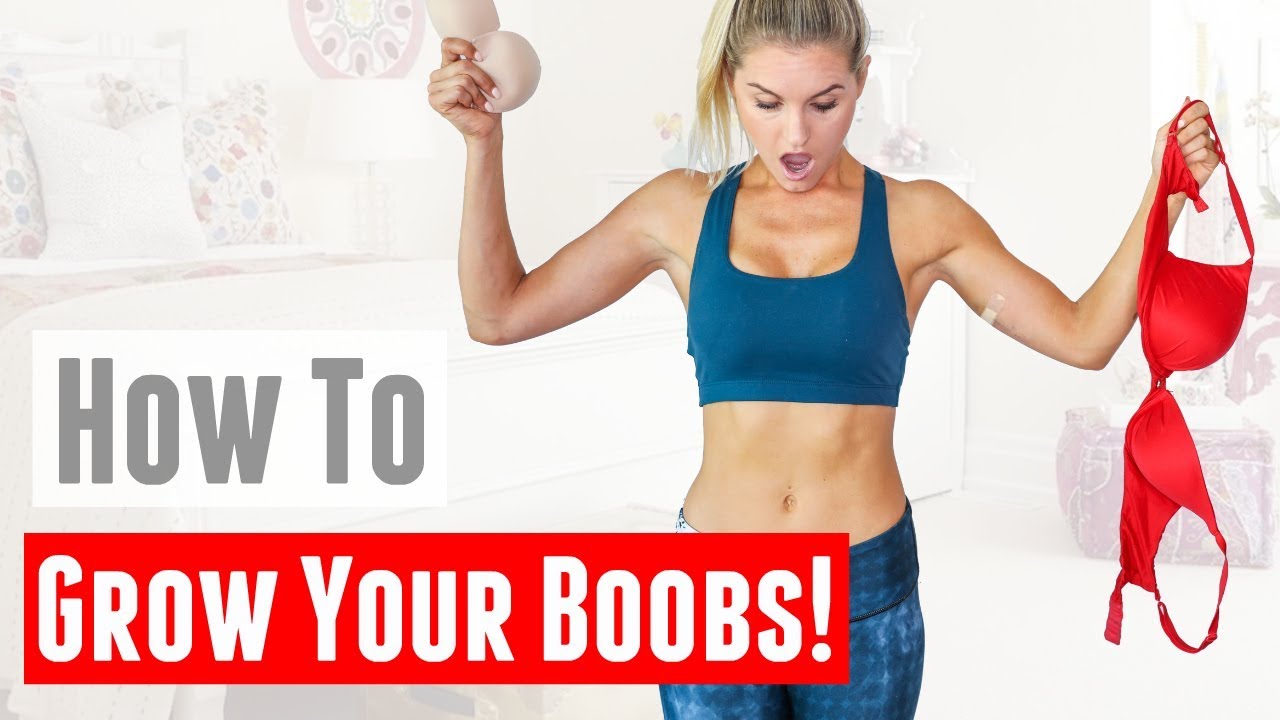
Image Source: i.ytimg.com
Unpacking: Can Exercise Make Your Breasts Bigger Really?
Can exercise make your breasts bigger? The direct answer is generally no. Exercise primarily affects the muscles underneath your breast tissue, not the breast tissue itself. While building chest muscles can change the look and firmness of your chest area, it does not increase the actual size or volume of your breasts. Your breast size is mostly set by things like your genes, your body fat, and hormone levels.
Your chest has different parts. Knowing these parts helps see how exercise fits in. Breasts themselves are mostly made of fatty tissue, mammary glands (which make milk), and connective tissue. These parts sit on top of your pectoral muscles. The pectoral muscles are in your chest. They are strong muscles. Exercise works these muscles. It makes them bigger and stronger. But it doesn’t make the breast tissue bigger. Think of it like this: Building a wall (the muscle) makes the wall bigger. But it doesn’t make the cushion (the breast) on top of the wall any bigger.
Deciphering Breast Makeup and Exercise Influence
It helps to know what breasts are made of. This shows how exercise can or cannot change them.
Breasts have:
- Fatty tissue: This is the main part for many women. It gives breasts their size and shape.
- Glandular tissue: These are the milk-making glands and ducts.
- Connective tissue: This tissue holds everything together. It includes things like ligaments (called Cooper’s ligaments).
These parts are soft. They are not muscle. They are separate from the muscles below them. The main muscles under the breasts are the pectoral muscles. There are two main ones:
- The Pectoralis Major (the larger muscle)
- The Pectoralis Minor (the smaller muscle under the Major)
When you do chest exercises, you work these muscles. They get stronger. They can get bigger. But this happens under the breast tissue. It doesn’t change the amount of fat or glandular tissue in the breast itself.
So, when we talk about breast anatomy exercise influence, we mean how exercise affects the structure of the chest area. Exercise strengthens the muscles that support the breast tissue. This can make the chest look firmer. It can improve posture. But it doesn’t add size to the breast.
Examining Pectoral Exercises Breast Size Link
Many people wonder if working their chest muscles will make their breasts larger. This is where the pectoral exercises breast size link comes up often. Let’s look closely at it.
Pectoral exercises are moves that work your chest muscles. Examples are push-ups, bench press, and chest flyes. When you do these exercises, you are causing small tears in the muscle fibers. When these fibers heal, they grow back stronger and sometimes larger. This process is called muscle hypertrophy.
This muscle growth happens in the pectoral muscles. These muscles are located underneath your breast tissue. So, as the muscle grows, it pushes outwards. It sits behind the breast. This can make the breast appear to sit higher. It can make the upper chest area look fuller. But the amount of breast tissue (fat and glands) hasn’t changed. The breast itself is not bigger in volume.
It’s like putting a small pillow under a blanket. The blanket looks lifted and maybe a bit rounder in that spot. But the blanket itself hasn’t grown. The pillow is the muscle. The blanket is the breast.
So, the link is about appearance, not size increase. Building strong pectoral muscles can make your chest look more toned and lifted. This can give the impression of a bigger or firmer bust. But it does not actually add tissue to your breasts.
Grasping Chest Workouts Impact on Breast Size
Let’s get into specific chest workouts impact on breast size. What exactly happens when you do chest exercises?
When you perform exercises like:
- Push-ups: You push your body up from the floor or against a wall. This works your chest, shoulders, and triceps.
- Bench Press: You lie on a bench and push a bar or dumbbells up from your chest. This is a major chest exercise.
- Dumbbell Flyes: You lie on a bench and open your arms wide to the sides while holding dumbbells, then bring them back together over your chest. This stretches and works the chest muscles.
- Chest Press Machine: Similar to bench press but using a machine.
These moves all make your pectoral muscles work hard. Over time, with regular workouts, these muscles get stronger and bigger.
The impact on breast size is indirect. The muscles underneath get larger. This can give a firmer base for the breast tissue. It can improve your posture. Good posture naturally makes your chest look better. If you stand tall with your shoulders back, your chest appears more prominent. Strong pectoral muscles help support this good posture.
So, the impact is on the muscle under the breast. It changes the shape of the chest wall. It does not add volume to the breast tissue itself. Someone might look like they have a slightly bigger or perkier bust because the underlying muscle is developed and supports the breast better. But their cup size or the actual volume of their breast tissue remains the same.
Fathoming Building Chest Muscle Bigger Bust
Many women want to know if building chest muscle bigger bust is possible. The idea is that if the muscle under the breast gets bigger, the breast on top will look bigger too.
As we’ve discussed, building the pectoral muscles does add mass to your chest area. This mass is muscle, not breast tissue. This muscle growth can push the breast tissue forward slightly. It can also create a firmer, more toned look to the upper chest.
Imagine wearing a bra. It lifts and shapes your breasts. Building the pectoral muscle acts a bit like an internal support system. It provides a stronger base. This can make the breasts appear higher and perhaps fuller, especially in the upper part of the chest.
However, this effect is often subtle. It depends on how much muscle you build. It also depends on your body shape and how much fat tissue is in your breasts.
For someone with very little body fat and smaller breasts, building significant pectoral muscle might make a noticeable difference in the definition and firmness of their chest. The muscle shape will be more visible.
For someone with more body fat and larger breasts, the effect of the muscle growth might be less visible in terms of size. The muscle is still growing underneath, but the layer of breast tissue and fat on top is larger. The main benefit might be improved shape and support, and better posture.
So, while building chest muscle can contribute to the appearance of a bigger bust or a firmer chest area, it doesn’t literally make the breast tissue itself larger. It’s changing the foundation underneath.
Pinpointing: Can Push-Ups Increase Breast Size?
One common question is specifically about can push-ups increase breast size. Push-ups are a popular exercise. They don’t need any equipment. People often hear that push-ups are great for the chest. This leads to the idea that they might make breasts bigger.
Let’s look at what push-ups do. When you do a push-up, you are working your pectoral muscles a lot. You are also using your shoulders and triceps. Regular push-ups, especially if you add more reps or make them harder (like doing them on your knees first, then on your toes), will make your chest muscles stronger and bigger over time.
So, push-ups do build pectoral muscle.
Now, do they increase breast size? Based on what we know about breast anatomy and muscle growth, the answer is still no. Push-ups build the muscle under the breast. They do not add fat or glandular tissue to the breast.
Doing push-ups can:
- Strengthen your pectoral muscles.
- Improve the shape and firmness of your chest area (because of the muscle development).
- Improve your posture.
These things can make your chest look better and possibly create the illusion of a slightly fuller or higher bust. But the volume of your breasts themselves won’t increase from doing push-ups.
Think about it this way: If push-ups made breast tissue grow, male bodybuilders who do a lot of push-ups and bench presses would have larger breasts. They develop very large pectoral muscles, but they don’t grow female breast tissue. This is because they lack the necessary hormones (like estrogen) that cause breast tissue development. While men do have some breast tissue, it’s usually very small and not affected by exercises.
So, push-ups are excellent for building a strong chest and improving your physical shape. But they will not make your breasts bigger. They work the muscles below the breast.
Disputing Exercise Myths About Breast Size
There are many exercise myths about breast size. Let’s clear up some common ones.
- Myth 1: Specific exercises can target and grow breast tissue.
- Fact: This is not true. As we’ve seen, breast tissue (fat, glands) is separate from muscle. You cannot target fat or glandular tissue with exercise in the way you target muscle. Exercises work muscles under the breast. They don’t act directly on the breast itself.
- Myth 2: Doing chest exercises will automatically make your breasts much larger.
- Fact: Chest exercises build the pectoral muscles. This can change the shape and firmness of your chest. It might make your bust look fuller or higher. But it won’t add significant volume to your breasts. The change is usually subtle compared to the size increase people often hope for.
- Myth 3: Certain workout programs are designed to increase breast size.
- Fact: Any program claiming this is misleading. While a program might include chest exercises to improve the look of the chest area, it cannot make breast tissue grow. Be wary of programs or products that promise breast enlargement through exercise alone.
- Myth 4: You can “tone” your breasts with exercise.
- Fact: You can tone the muscles under your breasts. This gives the chest area a firmer look. But the breast tissue itself (fat and glands) cannot be toned like muscle. It doesn’t contract or strengthen with exercise. Good support (like a good bra) and healthy skin are what keep the breast tissue looking its best.
- Myth 5: Exercise makes breasts smaller by burning fat.
- Fact: This one has some truth, but it’s not a simple yes or no. Exercise burns calories and can lead to overall fat loss. Since breasts contain a lot of fat tissue, losing body fat can reduce breast size. However, this isn’t guaranteed or targeted. Your body loses fat from all over, based on genetics. Some women notice their breasts get smaller when they lose weight. Others don’t see much change there but lose fat elsewhere. So, while exercise contributes to fat loss, it doesn’t specifically target breast fat.
Understanding these facts helps set realistic goals for exercise. Exercise is amazing for health, strength, and fitness. It can improve your body shape and how your clothes fit. But it won’t change your fundamental breast size determined by genetics and fat levels.
The Effect of Fat Loss Effect on Breast Size
Now, let’s look at another side of the coin: the fat loss effect on breast size. While building muscle under the breast doesn’t increase breast size, losing body fat often can decrease it.
As mentioned, breasts are made up of fatty tissue, glandular tissue, and connective tissue. The amount of fatty tissue varies greatly from person to person. For many women, a large portion of their breast volume comes from fat.
When you lose weight, you lose body fat. This fat loss happens throughout your body. You can’t choose exactly where you lose fat from first. Your body decides that based on your genetics.
However, because breasts contain a lot of fat, they are often one of the areas where women notice fat loss. If you lose a significant amount of weight through diet and exercise, you will likely lose some volume in your breasts. This means your breasts might get smaller.
For example, if someone carries a lot of body fat and decides to get fit and healthy, losing 20, 30, or more pounds, they will almost certainly see a reduction in their breast size. Their bra size might go down.
This is the opposite effect of what many people hope for from exercise related to breast size. Exercise helps you burn calories and lose fat overall. So, indirectly, a fitness routine aimed at weight loss could potentially make your breasts smaller, not bigger.
This highlights why exercise alone, or focused chest exercises, won’t make breasts bigger. The body’s fat stores are a major factor in breast size, and general exercise aimed at fitness and health tends to reduce fat stores, not increase them in a specific area like the breast.
Interpreting: Do Weightlifting Exercises Affect Breast Size?
Do weightlifting exercises affect breast size? This question covers all types of strength training, not just bodyweight moves like push-ups. The answer follows the same logic as for push-ups or other chest exercises.
Weightlifting exercises that work the chest, like:
- Bench press (using barbells or dumbbells)
- Incline press (working the upper chest)
- Decline press (working the lower chest)
- Dumbbell flyes
- Cable crossovers
All these moves target the pectoral muscles. When you lift weights, you challenge these muscles. This leads to muscle growth (hypertrophy) and increased strength.
The effect on breast size is indirect. The pectoral muscles are under the breast tissue. As these muscles grow from weightlifting, they create a firmer, more developed base on your chest wall. This can push the breast tissue forward slightly and improve the overall look of the chest area. It can look more toned and lifted.
However, the actual volume of the breast tissue itself (fat and glands) does not increase from weightlifting. Weightlifting exercises don’t add fat to your breasts. They don’t make your mammary glands bigger.
Consider female bodybuilders or powerlifters. They lift very heavy weights and develop extremely strong and large pectoral muscles. Yet, their breast size is typically small, often less than average. This is because their body fat levels are usually very low. As we just discussed, lower body fat often means smaller breasts. Their large chest muscles are clearly visible under their minimal breast tissue.
So, weightlifting exercises affect breast size only in how they build the underlying muscle. This can improve the appearance of the chest, making it look firmer or more defined. It does not make the breast tissue larger. If anything, for women who focus on weight loss alongside weightlifting, their breasts might get smaller due to overall fat reduction.
Chest Exercises for Women Breast Appearance
While exercise doesn’t increase breast size, chest exercises for women breast appearance can be very beneficial. Focusing on how exercise improves the look of the chest area is a more realistic goal.
Here’s how chest exercises can help the appearance of your breasts and chest:
- Improved Posture: Strong pectoral muscles, along with strong back muscles, help you stand taller. They help pull your shoulders back. Good posture makes your chest look more prominent and lifted naturally. Slouching makes anyone’s chest look less impressive. Building muscle supports better alignment.
- Firmer Chest Area: By building the pectoral muscles under the breasts, you create a firmer base. This can make the area feel and look more solid. It adds definition to the chest wall.
- Subtle ‘Lift’: As the pectoral muscles develop, they can slightly push the breast tissue forward and upward. This isn’t a dramatic lift like surgery, but it can contribute to a perkier look, especially in the upper chest area.
- Better Muscle Tone: Even without significant muscle growth, regular chest exercises improve muscle tone. Tone refers to the slight, ongoing contraction in a muscle that gives it shape and firmness. This tone in the pecs contributes to a firmer-looking chest.
Think of it as enhancing the frame around the picture. The picture (the breast) stays the same size, but the frame (the muscle and posture) becomes stronger and more attractive, making the whole display look better.
Exercises like dumbbell bench press, chest flyes, push-ups (even against a wall or on knees if full ones are too hard), and cable crossovers are great for working the chest muscles. Doing these exercises regularly can certainly improve the appearance of your chest area, even if they don’t change your breast size.
Examining Natural Ways to Increase Breast Size
Beyond exercise, people often look into natural ways to increase breast size. It’s important to look at these methods with a critical eye.
Factors that truly influence breast size naturally include:
- Genetics: This is the biggest factor. Your genes determine your body type, hormone levels, and how your fat is distributed, including in your breasts.
- Body Weight and Fat Percentage: As discussed, breasts are largely fat. Gaining overall body weight often leads to an increase in breast size. Losing weight often leads to a decrease.
- Hormones: Hormones like estrogen and progesterone play a key role in breast development during puberty. Fluctuations during the menstrual cycle, pregnancy, and menopause also affect breast size and fullness. Birth control pills (which contain hormones) can cause breast swelling and tenderness for some women.
- Pregnancy and Breastfeeding: Breasts grow significantly during pregnancy to prepare for milk production. They often remain larger while breastfeeding. After weaning, they usually return closer to their original size, though their shape may change.
What about other “natural” methods often talked about?
- Herbs and Supplements: Many supplements are marketed to increase breast size, often containing phytoestrogens (plant compounds similar to estrogen). Examples include fenugreek, saw palmetto, and wild yam. Scientific evidence that these herbs significantly or permanently increase breast size in adults is generally weak or lacking. They might cause temporary water retention or minor changes, but they don’t cause genuine tissue growth. Also, taking supplements without medical advice can be risky.
- Massage: Some people claim specific massage techniques can increase blood flow and promote breast growth. There is no scientific evidence to support this. Massage can improve skin health and circulation, which is good, but it won’t add volume to breast tissue.
- Special Creams or Lotions: Like massages, creams often claim to contain herbs or compounds that boost size. These usually just moisturize the skin or might cause slight, temporary swelling. They don’t lead to actual breast growth.
Compared to these often unproven methods, exercise primarily impacts the muscles under the breast. While exercise doesn’t increase breast tissue, focusing on building chest muscles and improving posture offers real, tangible benefits to the appearance and health of the chest area, unlike most “natural remedies” for size increase.
Table: Exercise vs. Breast Size – What’s Real?
Here is a simple table showing the common belief versus the actual effect of chest exercise on breast size.
| Exercise Type | Common Belief about Breast Size Impact | Actual Impact on Breast Size/Appearance | What It Actually Affects |
|---|---|---|---|
| Push-ups | Makes breasts bigger/firmer | Does NOT increase breast tissue size. Can improve appearance/firmness. | Pectoral muscles, shoulders, triceps, core. Posture. |
| Bench Press | Builds chest, makes bust larger | Does NOT increase breast tissue size. Can improve appearance/firmness. | Pectoral muscles, shoulders, triceps. |
| Chest Flyes | Shapes the chest, makes breasts look fuller | Does NOT increase breast tissue size. Can improve appearance/firmness. | Pectoral muscles (focus on stretch). |
| Overall Exercise | Can grow breasts like other muscles | Does NOT increase breast tissue size. Can DECREASE size due to fat loss. | Overall body fat, muscle mass (in other areas), heart health, fitness. |
| Focused Chest Workouts | Guaranteed way to go up a cup size | NOT a way to increase breast tissue volume. Improves muscle layer below. | Pectoral muscle size and strength. Posture. Look of chest. |
This table helps to quickly see the difference between the myth and the reality. Exercise is fantastic for building muscle and improving overall health, but it doesn’t target breast tissue for growth.
Summing Up: Exercise and Breast Size
Let’s put it all together. Can exercise make your breasts bigger? No, not in terms of adding volume to the breast tissue itself.
Here’s what we’ve covered:
- Your breasts are made of fat, glands, and connective tissue. They sit on top of your pectoral muscles.
- Exercise, specifically chest exercises like push-ups and weightlifting, builds the pectoral muscles under your breasts.
- Building these muscles can make your chest area look firmer, more toned, and potentially slightly lifted. This can create the appearance of a fuller bust.
- But this is muscle growth happening under the breast tissue. It does not increase the amount of fat or glandular tissue in the breast.
- Losing overall body fat through exercise and diet can actually make your breasts smaller, as breast tissue contains a significant amount of fat.
- Common myths about targeting breast tissue or guarantees of size increase through exercise are not based on how breast anatomy works.
Exercise is incredibly valuable for many reasons: building strength, improving health, boosting mood, enhancing posture, and shaping your body. It can make your chest area look better by developing the muscles underneath and improving your overall body composition and posture. But if your goal is solely to increase your breast size, focusing on exercise won’t achieve that directly. Factors like genetics, hormones, and overall body fat have the main say in your breast size.
Setting realistic expectations for your fitness journey is key. Appreciate the strength and health benefits of exercise. If you do chest exercises, do them because you want a stronger, firmer chest area and better posture, not because you expect a cup size increase.
Frequently Asked Questions About Exercise and Breast Size
Here are some common questions people ask about exercise and breast size:
H3: Can exercise really change my breast size at all?
H4: Yes, but not in the way most people think. Exercise that leads to overall fat loss can make your breasts smaller. Exercise that builds chest muscle underneath your breasts can change the appearance of your chest, making it look firmer or more lifted, but it doesn’t add volume to the breast tissue itself.
H3: Will push-ups make my breasts firm?
H4: Push-ups will make the pectoral muscles under your breasts firm. This can make the overall chest area feel and look firmer. However, the breast tissue itself (fat and glands) doesn’t become “firm” like muscle. It remains soft tissue.
H3: What are the best exercises to improve my chest area?
H4: Exercises that work the pectoral muscles are best for improving the appearance of the chest area by building muscle. These include push-ups (on knees or toes), dumbbell bench press, dumbbell flyes, chest press machine, and cable crossovers. Aim for 2-3 sessions per week, doing 3-4 sets of 8-12 repetitions for each exercise, using a weight that challenges you.
H3: Can losing weight through exercise make my breasts disappear?
H4: Losing a lot of weight can significantly reduce breast size, especially if a large portion of your breast volume is fat. It’s unlikely they would “disappear” completely, as there is still glandular and connective tissue. But they can become much smaller and potentially change shape. How much size is lost varies greatly among individuals based on genetics.
H3: Does wearing a sports bra while exercising affect breast size?
H4: No, wearing a sports bra does not affect breast size. Its purpose is to provide support and reduce movement during exercise. This helps prevent discomfort and potential stretching of the connective tissues (Cooper’s ligaments) over time, which could contribute to sagging. But it doesn’t influence the amount of breast tissue you have.
H3: Is there any exercise that can lift saggy breasts?
H4: Exercise cannot change the amount of fat or glandular tissue in your breasts, nor can it shorten stretched ligaments (which contribute to sagging). So, no exercise can directly “lift” saggy breast tissue itself. However, strengthening the pectoral muscles underneath can give a slight upward push and improving posture can make your chest appear more lifted. Good bras and sometimes surgery are the only ways to significantly change breast position or lift.
H3: Can exercises change breast shape?
H4: Exercise changes the shape of the muscles under the breast. This can influence the overall shape of the chest area. For example, building the upper pectoral muscles might make the top part of your chest look fuller. However, exercise does not change the shape of the breast tissue itself.
H3: Do hormones from things like birth control pills affect how exercise influences breast size?
H4: Birth control pills can cause temporary breast swelling or tenderness due to hormonal changes. This is a direct effect of the hormones on the breast tissue. Exercise routines remain the same in how they affect muscle. The hormonal effect on breast size from pills happens regardless of exercise, although overall body changes from exercise might still occur.
H3: What are the best natural ways to get a bigger bust if exercise doesn’t work?
H4: As discussed, the most significant natural factors influencing breast size are genetics, body weight changes, and hormonal shifts (like those during puberty, pregnancy, or from certain medications). There is limited to no scientific evidence that other natural methods like specific herbs, creams, or massages significantly or permanently increase breast size in adults. Gaining overall body weight will likely increase breast size if you tend to store fat there.
By understanding how exercise affects the muscles and fat in your body, you can have realistic expectations about its impact on your breast size and focus on the many real benefits exercise provides for your health and fitness.