
Do you want to sweat more at the gym? Yes, it’s possible to increase perspiration and boost your sweat rate during workouts. This blog post will explore how to induce sweating more effectively and the benefits of getting a good sweat. We’ll delve into exercises that make you sweat, factors affecting sweat, and how to improve your sweat response for better thermoregulation and exercise.
Sweating is your body’s natural cooling system. When you exercise, your muscles work harder, generating heat. To prevent overheating, your body releases sweat, which evaporates from your skin, taking heat with it. Some people naturally sweat more than others, but there are ways to help your body sweat more during workouts, which can be a sign of a good, intense session.
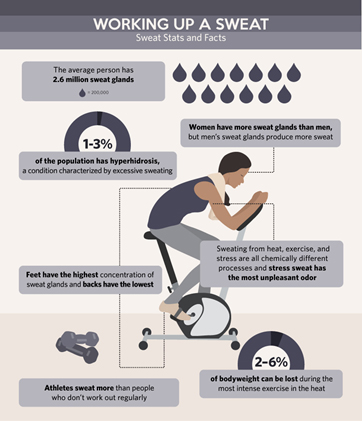
Image Source: www.powermaxfitness.net
Why People Want to Sweat More
Many fitness enthusiasts associate increased sweating with a more effective workout. While sweat itself doesn’t burn calories, it’s a byproduct of your body working hard. When you sweat more, it can indicate that your cardiovascular system is engaged, and your body is working to regulate its temperature. This can provide a psychological boost and a feeling of accomplishment.
The Perceived Benefits of Increased Perspiration
- Indicator of Intensity: A good sweat often means you’ve pushed yourself, engaging more muscle groups and elevating your heart rate.
- Calorie Burn Signal: While not a direct measure, increased sweating can correlate with a higher metabolic rate during exercise.
- Detoxification Myth: Some believe sweating helps “detoxify” the body. While sweat does contain small amounts of waste products, the primary organs for detoxification are the liver and kidneys.
- Improved Circulation: The increased blood flow needed to deliver sweat to the skin’s surface can contribute to better overall circulation.
- Mental Satisfaction: For many, seeing sweat is a tangible sign of effort and progress.
Factors Affecting Sweat Rate
Several factors influence how much you sweat. Knowing these can help you tailor your approach to induce sweating more effectively.
Environmental Influences
The temperature and humidity of your surroundings play a significant role.
- Ambient Temperature: Warmer environments naturally encourage more sweating. Your body tries harder to cool down when the air is hot.
- Humidity: High humidity makes it harder for sweat to evaporate. This means sweat stays on your skin longer, making you feel hotter and potentially sweat more to compensate, even if the cooling effect is reduced.
- Air Movement: Wind or fans can increase sweat evaporation, which might lead to less visible sweat but doesn’t necessarily mean you’re sweating less internally.
Personal Characteristics
Your individual physiology also impacts your sweat response.
- Genetics: Some people are simply genetically predisposed to have more or fewer sweat glands.
- Body Composition: Individuals with a higher percentage of body fat may sweat more, as fat acts as an insulator, making it harder for the body to dissipate heat.
- Fitness Level: As you get fitter, your body becomes more efficient at thermoregulation. This means fitter individuals often start sweating sooner and more profusely at lower exercise intensities. They’re also better at matching sweat output to heat production.
- Hydration Status: Being well-hydrated is crucial for effective sweating. Dehydration can impair your body’s ability to produce sweat.
- Acclimatization: If you regularly exercise in the heat, your body adapts by becoming more efficient at sweating. You’ll sweat earlier, more fluidly, and at a lower core body temperature.
Exercise-Specific Factors
The type and intensity of your workout are key drivers of sweat.
- Exercise Intensity: The harder you work, the more heat your body generates, and the more you will sweat.
- Type of Exercise: Compound movements that engage large muscle groups (like squats, deadlifts, and burpees) tend to generate more heat and therefore more sweat than isolated exercises.
- Duration of Workout: Longer workouts, especially at a consistent intensity, will lead to cumulative heat production and increased sweat loss over time.
How to Induce Sweating More Effectively
If you’re looking to boost your sweat rate, here are practical strategies to implement.
Pre-Workout Strategies to Increase Body Temperature for Sweat
Preparing your body before you even start your main workout can help induce sweating more quickly.
1. Light Warm-up
- Start with 5-10 minutes of light cardio. This could be jogging in place, jumping jacks, or dynamic stretching. This gets your blood flowing and begins to raise your core body temperature.
2. Strategic Clothing Choices
- Layering: Wearing layers can help trap body heat. As you warm up, you can remove layers if needed, but starting with more clothing can help you sweat more during the initial phase.
- Sweat-Inducing Apparel: Some people opt for “sweat suits” or compression garments made from materials like neoprene. These are designed to increase body temperature and trap moisture, leading to increased perspiration. Caution: Use these sparingly and ensure you stay hydrated, as they can increase the risk of overheating.
3. Warm Beverages
- Drinking a warm beverage, such as herbal tea or warm water with lemon, about 15-20 minutes before your workout can help raise your internal body temperature, encouraging a quicker onset of sweating.
During Your Workout Strategies to Boost Sweat Rate
The workout itself is the primary driver, but you can optimize it.
1. Choose High-Intensity or Compound Exercises
Certain exercises naturally make you sweat more due to the significant muscle activation and energy expenditure.
Exercises That Make You Sweat (Examples):
-
Cardiovascular Exercises:
- Running (especially sprints or uphill)
- Cycling (vigorous pace or with resistance)
- Rowing
- Jumping Rope
- High-Intensity Interval Training (HIIT)
-
Strength Training Exercises:
- Squats (Barbell Squats, Goblet Squats)
- Deadlifts
- Burpees
- Kettlebell Swings
- Push-ups and variations
- Lunges
- Thrusters (combining squat and overhead press)
Sample Workout Structure for Maximum Sweat:
- Warm-up (10 minutes): Light cardio (jogging, dynamic stretches)
- HIIT Circuit (20-30 minutes): Perform each exercise for 30-45 seconds with 15-20 seconds rest in between. Move immediately to the next exercise.
- Jump Squats
- Burpees
- Mountain Climbers
- High Knees
- Push-ups
- Kettlebell Swings
- Jumping Lunges
- Cool-down (5 minutes): Light stretching.
2. Increase Workout Intensity and Duration
- Interval Training: Alternating between high-intensity bursts and periods of lower intensity or rest (HIIT) is a highly effective way to induce sweating.
- Progressive Overload: Gradually increasing the weight, repetitions, or intensity of your strength training can challenge your body more, leading to greater heat production and sweating.
- Circuit Training: Moving quickly from one exercise to another with minimal rest keeps your heart rate elevated and your body working hard.
3. Optimize Your Gym Environment (If Possible)
While not always controllable, certain environmental adjustments can help.
- Warmer Room Temperature: If you have control over the room temperature or can choose a class in a heated studio (like hot yoga or hot Pilates), this will definitely help you sweat more.
- Minimize Airflow: While airflow helps sweat evaporate, intentionally reducing excessive fan use or choosing a less breezy area might help you feel and appear to sweat more visibly.
Post-Workout Hydration and Recovery for Improving Sweat Response
Proper hydration is key to enabling your body to sweat effectively both during and after exercise, and it plays a role in your overall sweat response.
- Hydrate, Hydrate, Hydrate: Drink plenty of water before, during, and after your workout. Electrolyte drinks can be beneficial for longer or more intense sessions where you lose significant amounts of sodium through sweat.
- Listen to Your Body: While aiming to sweat more, it’s crucial to avoid overheating. Signs of overheating include dizziness, nausea, headache, and muscle cramps. If you experience these, stop exercising, cool down, and rehydrate.
Comprehending Thermoregulation and Exercise
Thermoregulation is the process by which your body maintains its core internal temperature. Exercise generates heat, and sweating is a primary mechanism for dissipating this heat.
How Your Body Cools Down
- Heat Production: Muscle activity during exercise creates metabolic heat.
- Temperature Sensing: Your body’s internal sensors detect the rise in core temperature.
- Nervous System Response: The nervous system signals sweat glands to activate.
- Sweat Secretion: Sweat glands release sweat (primarily water and electrolytes) onto the skin’s surface.
- Evaporation: As sweat evaporates from the skin, it absorbs heat from your body, thus cooling you down.
The Role of Sweat in Cooling
Sweat is essentially your body’s natural air conditioning. The more efficiently your body can sweat and evaporate that sweat, the better it can regulate its temperature during physical exertion. When you sweat more, it means your body is actively trying to cool down, which is a sign of a significant physiological response to exercise.
Improving Your Sweat Response
Your body can adapt and improve its ability to sweat over time.
- Consistent Exercise: Regular physical activity trains your thermoregulatory system. You’ll likely find you start sweating sooner and more efficiently.
- Heat Acclimation: Spending time in warmer environments or gradually increasing exposure to heat can significantly enhance your sweat response. This is why athletes often train in different climates before major competitions.
- Hydration: As mentioned, good hydration is fundamental. Without enough fluid, your body can’t produce enough sweat to cool itself effectively.
Debunking Sweat Myths
It’s common to associate sweating heavily with burning more fat. Let’s clarify this.
Sweat and Fat Loss
- No Direct Link: Sweating itself does not burn fat. Fat burning (lipolysis) occurs when your body uses stored fat for energy, which is primarily influenced by your diet and overall calorie expenditure over time.
- Water Weight: The weight lost immediately after a very sweaty workout is mostly water weight, which will be regained once you rehydrate.
What Sweating Truly Signifies
- Body Working Hard: Heavy sweating is a sign your body is working hard to maintain a stable internal temperature.
- Cardiovascular Effort: It often correlates with a higher heart rate and increased oxygen consumption.
- Individual Variation: Some individuals naturally produce more sweat than others, regardless of how hard they are working or how many calories they are burning.
When to Be Concerned About Sweating
While wanting to sweat more is common, there are situations where excessive or insufficient sweating can be a cause for concern.
Signs of Overheating
- Dizziness or lightheadedness
- Nausea or vomiting
- Headache
- Muscle cramps
- Rapid pulse
- Confusion or disorientation
- Lack of sweating (in very hot conditions) – this is a medical emergency known as heatstroke.
If you experience any of these symptoms, stop exercising immediately, find a cool place, and rehydrate. Seek medical attention if symptoms are severe or persist.
When You Don’t Sweat Enough
- Dehydration: The most common reason for reduced sweating.
- Certain Medical Conditions: Some conditions, like anhidrosis or certain neurological disorders, can impair sweat production.
- Medications: Some medications can affect the body’s ability to sweat.
If you consistently don’t sweat, even during intense exercise in warm conditions, it’s advisable to consult a doctor.
Frequently Asked Questions (FAQ)
Q1: Does sweating more mean I’m burning more calories?
A1: Not directly. Sweating is your body’s cooling mechanism. While intense exercise that makes you sweat can burn more calories, the sweat itself doesn’t burn fat or calories. The weight lost from sweat is primarily water.
Q2: Can I train my body to sweat more?
A2: Yes, you can improve your sweat response. Regular exercise, especially in varying conditions, can make your body more efficient at regulating temperature and sweating. Heat acclimatization also plays a significant role.
Q3: What are the best exercises that make you sweat?
A3: High-intensity exercises that engage large muscle groups are generally the best for inducing sweat. Examples include HIIT, running, cycling, burpees, squats, and kettlebell swings.
Q4: Is it bad if I don’t sweat much during a workout?
A4: Not necessarily. Sweat rates vary greatly between individuals due to genetics, fitness level, and other factors. If you feel good and your body is tolerating the exercise well, not sweating profusely isn’t always a sign of a bad workout. However, if you are concerned or notice a significant change, consult a doctor.
Q5: How much fluid should I drink to sweat properly?
A5: Stay well-hydrated throughout the day. Drink water before, during, and after your workout. For prolonged or intense exercise, consider electrolyte drinks to replenish lost salts.
Q6: Can wearing more clothes help me sweat more?
A6: Wearing layers can trap body heat and initially help increase your body temperature, leading to more sweating. However, be cautious not to overheat, which can be dangerous. It’s important to listen to your body and remove layers if you feel unwell.
By applying these strategies, you can effectively increase your sweat rate and potentially boost your workout experience. Remember that listening to your body and staying hydrated are paramount to a safe and effective fitness routine.