
Can you exercise immediately after weight loss surgery? Absolutely not. Exercising too soon after weight loss surgery can pose significant risks and hinder your recovery. This blog post delves into why immediate post-operative exercise is ill-advised and outlines a safe, gradual approach to reintroducing physical activity after bariatric procedures.
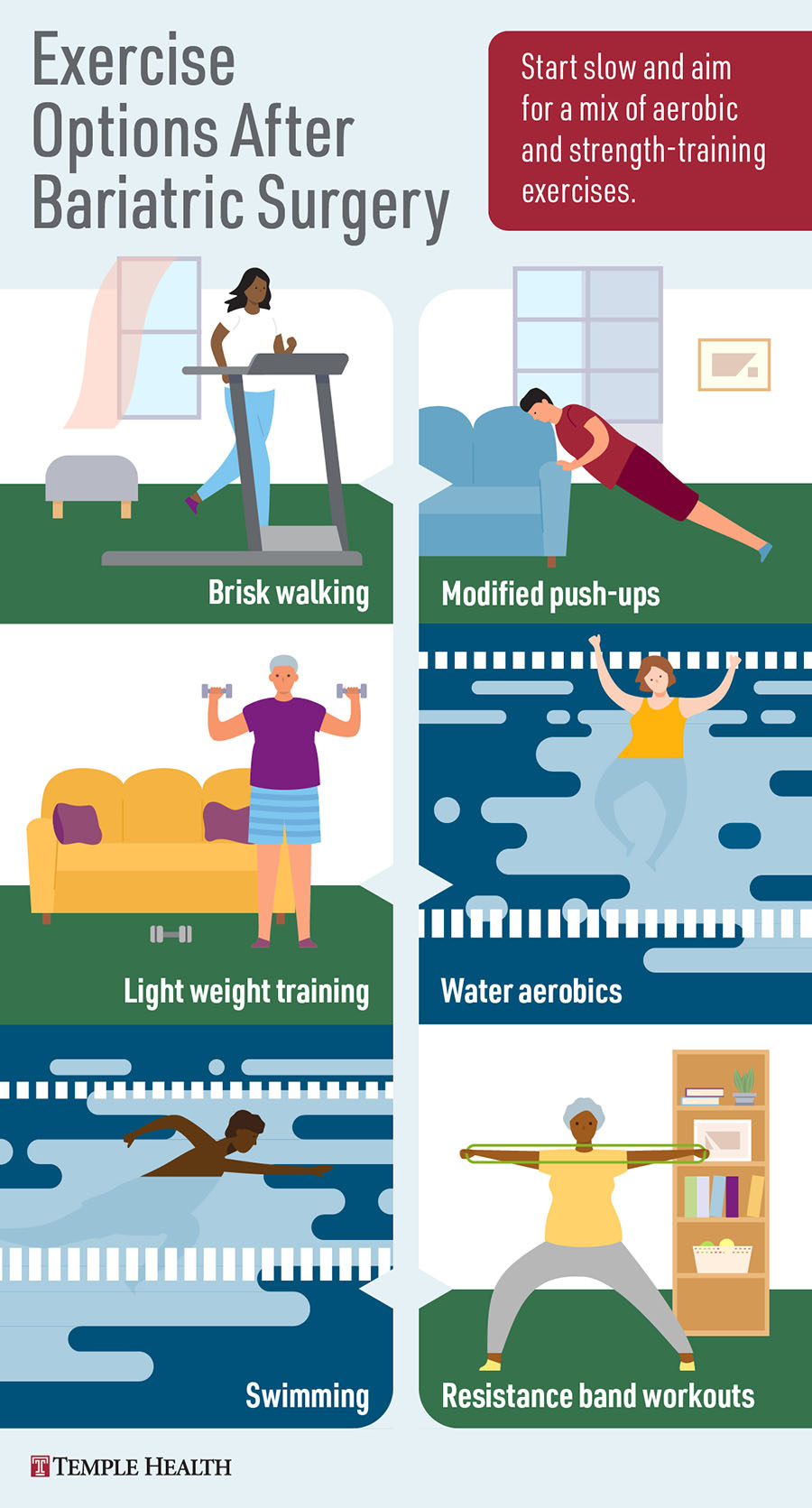
Image Source: www.templehealth.org
The Crucial Recovery Period: Why Immediate Exercise is Discouraged
Following weight loss surgery, your body undergoes a significant transformation. Surgical incisions need time to heal, internal tissues require rest, and your digestive system is adjusting to a dramatically altered anatomy. Engaging in strenuous physical activity during this delicate phase can introduce a cascade of negative consequences, jeopardizing the very progress you’ve worked so hard to achieve.
Exercise Risks After Bariatric Surgery
The risks associated with exercising too soon after bariatric surgery are varied and can be severe. They range from minor discomfort to potentially life-threatening complications. It’s crucial to grasp these risks to fully appreciate the importance of patience and adherence to medical advice.
- Wound Dehiscence: Vigorous physical activity can put undue stress on surgical incisions, increasing the risk of them reopening. This can lead to infection, prolonged healing times, and the need for further medical intervention.
- Hernias: Increased intra-abdominal pressure from heavy lifting or straining can contribute to the development of hernias at incision sites or internally.
- Incisional Pain and Discomfort: Pushing your body too hard can exacerbate post-operative pain, making it harder to manage and impacting your overall well-being.
- Bleeding and Hematoma Formation: Strenuous activity can increase blood flow and the risk of bleeding from internal or external surgical sites, potentially forming hematomas (collections of blood).
- Gastrointestinal Issues: For procedures like gastric bypass, rapid or forceful movements can interfere with the healing digestive tract, leading to nausea, vomiting, or even staple line leaks.
- Dehydration and Electrolyte Imbalances: Increased sweating from exercise, coupled with a reduced fluid intake capacity post-surgery, can quickly lead to dehydration and dangerous electrolyte imbalances.
- Fatigue and Weakness: Your body is already working overtime to heal. Overexerting yourself will deplete your energy reserves, leading to profound fatigue and hindering your ability to perform daily tasks.
- Muscle Strain and Injury: Your muscles are likely deconditioned from pre-surgery weight. Without proper preparation and gradual progression, you’re at a high risk of strains and other injuries.
Physical Activity Limitations After Weight Loss
Your capacity for physical activity will be significantly limited in the initial weeks and months following surgery. These limitations are not merely suggestions; they are essential protective measures.
- Abdominal Strain: Any activity that significantly engages the abdominal muscles should be avoided. This includes crunches, sit-ups, heavy lifting, and even prolonged coughing or sneezing without support.
- High-Impact Activities: Jumping, running, and other high-impact exercises place considerable stress on the body, particularly the joints and surgical sites. These are strictly off-limits initially.
- Heavy Lifting: Lifting objects that weigh more than 5-10 pounds (depending on the specific surgery and surgeon’s advice) is generally prohibited for the first several weeks.
- Strenuous Aerobic Exercise: While walking is encouraged, activities that significantly elevate your heart rate and breathing, such as jogging or intense cycling, are not recommended until your body has healed.
Fathoming Post-Surgery Exercise Guidelines
Navigating the return to exercise after weight loss surgery requires a clear set of guidelines and a deep respect for your body’s healing process. Adhering to these post-surgery exercise guidelines is paramount for a successful and safe recovery.
When to Start Exercising After Bariatric Surgery
The answer to “when to start exercising after bariatric surgery” is not a fixed date but rather a stage of recovery. Most surgeons recommend a phased approach:
- First 1-2 Weeks Post-Op: The primary focus is on gentle movement. This usually involves short, frequent walks around the house or hospital ward. The goal is to improve circulation, prevent blood clots, and aid in lung function.
- Weeks 2-6 Post-Op: As incisions heal and you gain strength, your activity can gradually increase. This may include longer walks, light household chores, and potentially stationary cycling at a low resistance.
- Beyond 6 Weeks: With your surgeon’s clearance, you can begin to reintroduce more structured exercise. This is when safe exercise protocols post-surgery start to take center stage.
It is absolutely critical to have a follow-up appointment with your surgeon and receive explicit clearance before increasing the intensity or duration of your physical activity.
The Importance of Gradual Exercise Post-Surgery
The principle of importance of gradual exercise post-surgery cannot be overstated. Think of your body like a building undergoing renovations. You wouldn’t immediately load all the new furniture onto freshly laid foundations. Similarly, your body needs time to rebuild its strength and resilience.
- Building a Foundation: Starting with low-impact activities like walking builds a base of cardiovascular fitness and muscular endurance without overwhelming your system.
- Listening to Your Body: Gradual progression allows you to tune into your body’s signals. You’ll learn what feels challenging but manageable, distinguishing it from pain that signals potential harm.
- Preventing Burnout: Jumping back into an intense routine too soon can lead to rapid fatigue and discouragement, making it harder to establish a long-term exercise habit.
- Optimizing Healing: Moderate activity can actually promote healing by improving blood flow and nutrient delivery to tissues, but this requires a gentle start.
Exercise Contraindications for Weight Loss Surgery Patients
There are specific situations and activities that are considered exercise contraindications for weight loss surgery patients. Ignoring these can lead to serious complications.
Potential Complications of Exercise After Surgery
As discussed, potential complications of exercise after surgery are numerous when exercise is attempted too early or with excessive intensity. These complications can set back your recovery significantly.
Specific Exercise Types and Their Risks
Let’s break down common exercise types and why they need careful consideration:
- Cardiovascular Exercise:
- Walking: Generally the safest and most encouraged form of exercise initially. Start with short durations (5-10 minutes) multiple times a day.
- Jogging/Running: Typically off-limits for at least 6-8 weeks, and sometimes longer, depending on surgeon advice and individual healing. High impact can strain incisions and internal structures.
- Cycling: Stationary cycling can be introduced cautiously after a few weeks, starting with minimal resistance. Outdoor cycling may pose higher risks due to uneven terrain and the need for balance.
- Swimming: Can be a good option once incisions are fully healed and waterproof (usually after 4-6 weeks), as it’s low-impact. However, avoid chlorinated pools until cleared by your surgeon, as chemicals can irritate healing skin.
- Strength Training:
- Weight Lifting: Heavy lifting is a major contraindication. Start with bodyweight exercises or very light resistance bands only after several weeks and with your doctor’s approval. Focus on controlled movements.
- Core Exercises (Crunches, Sit-ups): These put direct pressure on abdominal muscles and surgical sites. They should be avoided for at least 6-12 weeks, and often longer, until the core is significantly strengthened.
- Push-ups and Pull-ups: These require significant upper body and core strength and should be introduced very gradually, if at all, in the early stages.
- Flexibility and Balance:
- Yoga/Pilates: Gentle forms of yoga or stretching can be beneficial for flexibility, but poses that involve deep twists or inversions or put pressure on the abdomen should be avoided until cleared.
- Tai Chi: Excellent for balance and gentle movement, Tai Chi can be a safe option early on.
When Exercise Becomes a Detriment
Exercising too soon after weight loss surgery can actively harm your recovery by:
- Increasing Inflammation: Overexertion can lead to increased inflammation at surgical sites and within the body.
- Impeding Nutrient Absorption: While exercise is generally good for metabolism, excessive or improper exercise can disrupt the delicate digestive balance of post-bariatric patients, potentially affecting nutrient absorption.
- Causing Fatigue and Malnutrition: Pushing too hard can burn calories that your body desperately needs for healing and nutrient replenishment.
Recovery and Exercise After Gastric Bypass
Specific to recovery and exercise after gastric bypass, the surgical changes to your stomach and small intestine require particular care.
The Gastric Bypass Anatomy and Exercise
The gastric bypass procedure fundamentally alters how food is digested and absorbed. This means your body has less capacity to handle the stress of intense physical activity immediately after surgery.
- Reduced Stomach Pouch: The small stomach pouch has a limited capacity. Heavy exertion can increase the risk of dumping syndrome, where food moves too quickly into the small intestine, causing nausea, vomiting, diarrhea, and dizziness.
- Intestinal Rerouting: The rerouting of the intestines means digestion and absorption are different. Your body needs time to adapt to these changes without the added stress of strenuous exercise.
Building Strength Safely After Gastric Bypass
When cleared by your surgeon, the path to building strength after gastric bypass involves:
- Focus on Core Stability: Exercises that gently engage the deep core muscles are crucial for supporting your abdomen as it heals.
- Progressive Resistance: Start with bodyweight exercises and gradually introduce light weights or resistance bands as your strength improves.
- Full Body Approach: Aim for a balanced approach that works all major muscle groups.
Interpreting Individual Progress and Surgeon Advice
Every individual’s recovery journey is unique. What works for one person may not be suitable for another. Therefore, interpreting your progress and strictly adhering to your surgeon’s advice is vital.
The Role of Your Surgical Team
Your bariatric surgeon and their team are your primary resources for guidance on post-operative activity. They will assess your healing progress and provide personalized recommendations.
- Regular Check-ups: Attend all scheduled follow-up appointments. These are opportunities for your doctor to monitor your recovery and address any concerns.
- Open Communication: Don’t hesitate to ask questions about exercise. Discuss any discomfort or changes you experience.
- Surgeon’s Clearance: This is the green light for increasing your activity levels. Never proceed with more strenuous exercise without it.
Factors Influencing Your Return to Exercise
Several factors will influence how quickly and safely you can return to exercise:
- Type of Surgery: Different bariatric procedures (e.g., sleeve gastrectomy vs. gastric bypass vs. adjustable gastric band) have slightly different recovery profiles and exercise considerations.
- Pre-operative Fitness Level: Individuals who were more active before surgery may be able to return to gentle activity sooner.
- Overall Health: Any pre-existing health conditions can affect recovery time.
- Complications: If you experience any post-operative complications, your return to exercise will likely be delayed.
Charting Your Course: Safe Exercise Protocols Post-Surgery
Implementing safe exercise protocols post-surgery ensures you maximize the benefits of physical activity while minimizing risks.
Building a Sustainable Exercise Routine
Once you have your surgeon’s approval to increase activity, focus on creating a sustainable routine:
Sample Progression Timeline (General Guidance – Always Consult Your Surgeon)
| Phase | Duration | Recommended Activities | Precautions |
|---|---|---|---|
| Immediate Post-Op | 0-2 Weeks | Gentle walking (short, frequent bouts), deep breathing exercises. | Avoid any strenuous activity, heavy lifting, or bending. Listen to your body. |
| Early Recovery | 2-6 Weeks | Longer walks, stationary cycling (low resistance), light stretching. | Avoid abdominal strain, high-impact activities. Gradually increase duration. |
| Intermediate Recovery | 6 Weeks – 3 Months | Brisk walking, swimming (healed incisions), light strength training (bodyweight/bands) | Increase intensity gradually. Monitor for pain or discomfort. Avoid heavy lifting. |
| Advanced Recovery | 3 Months+ | Moderate cardio, increased resistance in strength training, introduce new activities. | Continue to listen to your body. Progress slowly. Focus on consistency and proper form. |
Note: This is a generalized timeline. Your individual progression may vary significantly.
Tips for Exercising Safely
- Stay Hydrated: Drink plenty of water before, during, and after exercise.
- Warm-Up and Cool-Down: Always start with a gentle warm-up and end with a cool-down and stretching.
- Proper Form: Focus on correct technique to prevent injuries, especially when introducing strength training.
- Avoid Overexertion: It’s better to do too little than too much. Rest when you need to.
- Nutrition: Ensure you are consuming adequate nutrients to support your activity level and healing.
Frequently Asked Questions (FAQ)
Can I lift weights after weight loss surgery?
You can lift weights, but not immediately. Heavy lifting is a major contraindication. You’ll need to wait several weeks to months, and always start with very light weights or resistance bands after getting clearance from your surgeon. Focus on proper form and gradual progression.
How long should I avoid intense exercise after gastric bypass?
Generally, you should avoid high-intensity exercise for at least 6-8 weeks after gastric bypass, and often longer, depending on your individual recovery and your surgeon’s specific advice. This includes activities like running, jumping, or vigorous sports.
What are the signs I might be exercising too much after surgery?
Signs of exercising too much include increased pain at surgical sites, prolonged fatigue, nausea, dizziness, shortness of breath that doesn’t subside, vomiting, or any unusual swelling or bleeding. If you experience any of these, stop exercising and contact your doctor.
Is it okay to do crunches after weight loss surgery?
No, crunches and other direct abdominal exercises should be avoided for a significant period after weight loss surgery, typically 6-12 weeks or more. They put direct pressure on your abdominal muscles and surgical incisions, increasing the risk of complications. Your surgeon will advise when it’s safe to gradually reintroduce core strengthening exercises.
What is the best type of exercise to start with after weight loss surgery?
The best initial exercise is gentle walking. It improves circulation, aids lung function, and helps prevent blood clots without putting undue stress on your body. Start with short, frequent walks and gradually increase the duration as you feel comfortable and receive medical clearance.
In conclusion, while exercise is a vital component of long-term success after weight loss surgery, exercising too soon after weight loss surgery can be detrimental. Prioritizing rest, adhering to your surgeon’s post-surgery exercise guidelines, and embracing a gradual, safe approach to physical activity are key to a healthy and effective recovery.