
Can I use a Kegel exercise ball? Yes, if you are seeking to strengthen your pelvic floor muscles. This guide will walk you through everything you need to know about using a Kegel exercise ball effectively for improved pelvic health.
Kegel exercise balls, also known as Ben Wa balls or pelvic floor exercisers, are a popular tool for strengthening the muscles that support your bladder, uterus, and bowels. Many women turn to them for various reasons, from improving bladder control to enhancing sexual well-being. However, simply owning one isn’t enough; proper Kegel exercise ball use is crucial for achieving the desired Kegel balls benefits. This comprehensive guide will help you navigate the world of Kegel balls, from choosing the right one to developing a consistent Kegel ball routine.
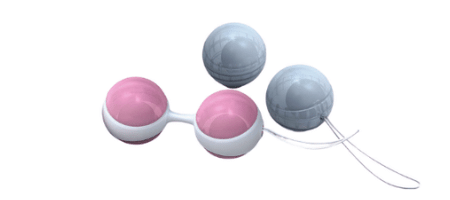
Image Source: www.pelvicexercises.com.au
What are Kegel Exercise Balls?
Kegel exercise balls are small, often weighted, objects designed to be inserted into the vagina. They are typically made from medical-grade silicone, glass, or stone. The primary purpose of using them is to help you identify and strengthen your pelvic floor muscles, the same muscles you would engage during a Kegel exercise. By contracting these muscles around the ball, you build strength and tone.
The Benefits of Kegel Balls
The advantages of incorporating Kegel balls into your routine are extensive and can significantly impact your overall health and quality of life. Some of the key Kegel balls benefits include:
- Improved Bladder Control: This is one of the most well-known benefits. Strengthening the pelvic floor can help prevent or reduce urinary incontinence, whether it’s stress incontinence (leaking when you cough, sneeze, or laugh) or urge incontinence (a sudden, strong urge to urinate).
- Enhanced Sexual Function: Stronger pelvic floor muscles can lead to increased sensation and more intense orgasms for some women. They can also improve lubrication and reduce discomfort during intercourse.
- Pelvic Organ Support: The pelvic floor muscles act as a natural support system for your pelvic organs. Strengthening them can help prevent or manage conditions like uterine prolapse and bladder prolapse.
- Faster Postpartum Recovery: Many women find that Kegel exercise ball training aids in recovering muscle tone and strength after childbirth, which can often be weakened during pregnancy and delivery.
- Reduced Pelvic Pain: For some individuals experiencing pelvic pain, strengthening these muscles can offer relief by improving support and reducing strain.
Types of Kegel Exercise Balls
The market offers a variety of Kegel exercise ball types, each with slightly different features to cater to individual needs and progression.
Material and Construction
- Medical-Grade Silicone: This is a very popular choice due to its smooth texture, non-porous nature, and hypoallergenic properties. It’s easy to clean and durable.
- Glass: Glass Kegel balls are also non-porous, incredibly hygienic, and can offer a smooth, luxurious feel. They are a good option for those with sensitivities to other materials.
- Stone (e.g., Jade, Rose Quartz): These often come in egg shapes and are popular for their natural beauty and purported energetic properties. While beautiful, it’s crucial to ensure they are made from a high-quality, non-porous stone and are appropriately smoothed.
- Metal: Some Kegel balls are made from stainless steel, which is also non-porous and hygienic. They can feel heavier, offering a different kind of resistance.
Weight and Design
- Single Ball: These are often the starting point for beginners. They might come in various weights, allowing you to gradually increase the challenge.
- Weighted Sets: Typically, these sets contain multiple balls of increasing weight. You start with the lightest and progress to heavier ones as your muscles strengthen.
- Stringed/Weighted Balls: Some balls have a string or a weighted end attached, making them easier to insert and remove. This can be particularly helpful for beginners.
- Vibrating Kegel Balls: These combine Kegel exercises with vibration for added stimulation and potentially faster results for some users.
When selecting the best Kegel balls for you, consider your experience level, any known sensitivities, and your personal preferences.
Preparing for Kegel Ball Use
Before you begin your Kegel ball training, a few preparation steps ensure safety and effectiveness.
Hygiene First
- Wash Your Hands: Always start with clean hands to prevent introducing bacteria.
- Clean the Kegel Ball: Wash the ball thoroughly with warm water and mild, unscented soap. Ensure it’s completely rinsed and dried before use. Many silicone and glass balls are safe to boil for sterilization, but always check the manufacturer’s instructions.
Choosing the Right Lubricant
While not always necessary, a water-based lubricant can make insertion more comfortable, especially when you are a Kegel ball for beginners.
- Water-Based Lubricants: These are safe to use with most Kegel ball materials and are easily washed off.
- Avoid Silicone-Based Lubricants: These can degrade silicone toys.
- Avoid Oil-Based Lubricants: These can also affect certain materials and are harder to clean.
How to Insert a Kegel Ball
This is a common question for those new to using these devices. The process is generally straightforward:
Step-by-Step Insertion
- Relax: Find a comfortable and private space where you can relax your body. Deep breathing can help.
- Locate the Vaginal Opening: Gently part your labia.
- Apply Lubricant (Optional): If using lubricant, apply a small amount to the tip of the Kegel ball.
- Gentle Insertion: Hold the Kegel ball and gently guide it into your vagina, aiming slightly upwards and towards your lower back, similar to inserting a tampon. It should slide in comfortably without force.
- Positioning: The ball should rest comfortably inside your vagina. If it feels like it’s going to fall out immediately, your pelvic floor muscles may not be engaged yet, or the ball might be too small or smooth.
Important Note: If you experience any pain or discomfort during insertion, stop immediately. It’s possible you need a different size, a ball with a string, or perhaps your pelvic floor muscles are very weak, and you need to start with very basic Kegel contractions without a ball.
Performing Kegel Exercises with the Ball
Once the ball is inserted, the real work begins. The goal is to hold the ball in place using your pelvic floor muscles.
The Basic Hold
- Engage Your Pelvic Floor: Imagine you are trying to stop the flow of urine midstream or prevent yourself from passing gas. Squeeze these muscles gently but firmly.
- Feel the Ball: You should feel the ball being held in place by your muscles. If it slides out, try to tighten your muscles around it.
- Hold: Hold the contraction for 3-5 seconds.
- Relax: Fully release the contraction for 3-5 seconds. This relaxation phase is just as important as the contraction.
- Repeat: Aim for 10-15 repetitions.
Progression and Variety
As you get stronger, you can increase the duration of your holds, the number of repetitions, or the weight of the ball. Here are some Kegel ball exercises for women to incorporate into your routine:
1. The Hold and Release
- Focus: Building endurance.
- How-to: Insert the ball. Squeeze and hold for 5-10 seconds, then relax for 5-10 seconds. Repeat 10-15 times.
2. The Pulse
- Focus: Increasing muscle responsiveness.
- How-to: Insert the ball. Squeeze and hold for 2 seconds, release for 2 seconds. Repeat this pulsing motion 15-20 times.
3. The Up-and-Down
- Focus: Isolating different parts of the pelvic floor.
- How-to: Insert the ball. Imagine contracting your pelvic floor muscles in stages, as if you are trying to “walk” the ball up inside you, squeezing and holding at each stage, then releasing in stages. Perform 5-10 slow, controlled movements.
4. Walking Kegels
- Focus: Maintaining muscle engagement during movement.
- How-to: Insert the ball. Gently squeeze and hold it in place as you walk around for a few minutes. Start with 2-3 minutes and gradually increase the duration.
5. The Kegel Lift
- Focus: Improving the strength of the upward pull.
- How-to: Insert the ball. Squeeze your pelvic floor muscles, then lift them slightly higher as if trying to pull the ball upwards. Hold this peak contraction for a few seconds, then release slowly. Repeat 10-15 times.
Developing a Kegel Ball Routine
Consistency is key to seeing Kegel balls benefits. A well-structured Kegel ball routine ensures you’re targeting your muscles effectively over time.
Starting Out (For Beginners)
If you are a Kegel ball for beginners, start slowly.
- Frequency: Begin with 5-10 minutes of exercises, once a day.
- Duration: Focus on shorter holds (3-5 seconds) and gradually increase as you gain strength.
- Weight: Start with the lightest ball in a set or a single, lighter ball.
Building Strength
As you progress:
- Frequency: Increase to twice a day if comfortable.
- Duration: Aim for longer holds (8-10 seconds) and shorter relaxations.
- Weight: Introduce slightly heavier balls as you find the current ones too easy to hold for the desired duration.
- Variety: Incorporate different exercises into your routine.
Advanced Practice
For those with established strength:
- Frequency: You can maintain a consistent daily routine or vary it.
- Duration: Experiment with longer holds and more challenging exercise variations.
- Weight: Use your heaviest balls for your primary exercises.
- Integrate: Try to engage your pelvic floor muscles throughout daily activities, not just during dedicated exercises.
When to Use Your Kegel Exercise Ball
You can integrate your Kegel exercise ball use into your daily life.
- Morning Routine: Start your day with a few minutes of exercises.
- During Chores: While doing household tasks like washing dishes or folding laundry.
- While Commuting: If you sit for long periods, engaging your pelvic floor can be beneficial.
- Before Bed: A relaxing end to the day.
Important Consideration: Avoid using Kegel balls for extended periods without breaks, especially when you are first starting. Your pelvic floor muscles are muscles, and like any muscle, they can become fatigued.
Cleaning and Maintenance
Proper cleaning ensures the longevity and hygiene of your Kegel balls.
Regular Cleaning
- After Each Use: Wash with warm water and mild, unscented soap.
- Rinse Thoroughly: Ensure no soap residue remains.
- Dry Completely: Air dry or gently pat dry with a lint-free cloth.
Deep Cleaning and Sterilization
- Boiling (for compatible materials): Many silicone and glass balls can be boiled for 3-5 minutes. Check the manufacturer’s instructions. Ensure the ball is fully submerged and not touching the bottom of the pot.
- Toy Cleaner: Use a dedicated sex toy cleaner if preferred.
Storage
- Store your Kegel balls in their original pouch or a clean, dry container away from direct sunlight and extreme temperatures.
Potential Challenges and How to Overcome Them
- Ball Slipping Out: This is common for beginners.
- Solution: Start with lighter, textured, or stringed balls. Practice engaging your muscles before insertion. Ensure you are using a water-based lubricant if needed, but avoid too much, which can make the ball slippery.
- Difficulty Feeling the Muscles:
- Solution: Try the “stop the flow of urine” test to identify the muscles. You can also try inserting a finger and squeezing to feel the contraction. Guided Kegel exercises with audio or video can be helpful.
- Discomfort or Pain:
- Solution: Stop immediately. Ensure you are using lubricant and not forcing the ball. Try a different size or material. Consult a healthcare professional if pain persists.
- Forgetting to Exercise:
- Solution: Set reminders on your phone. Link your exercises to an existing daily habit, like brushing your teeth or having your morning coffee.
When to Consult a Healthcare Professional
While Kegel exercise balls are generally safe, it’s always a good idea to consult with your doctor or a pelvic floor physical therapist if you:
- Are experiencing significant pain during use.
- Have a history of pelvic surgeries or conditions.
- Are unsure if Kegel exercises are appropriate for you.
- Are not seeing the desired results and want personalized advice.
- Are dealing with severe incontinence or pelvic organ prolapse.
A pelvic floor physical therapist can provide tailored exercises and guidance, helping you maximize the Kegel balls benefits and ensure you are performing the exercises correctly. They can also help diagnose any underlying issues that might be contributing to your symptoms.
Frequently Asked Questions (FAQ)
Q1: How often should I use a Kegel exercise ball?
A: For beginners, start with 5-10 minutes once a day. As you get stronger, you can increase to twice a day or vary the frequency. Listen to your body and avoid overexertion.
Q2: How long does it take to see results?
A: Results vary from person to person, but many women start noticing improvements in pelvic floor strength and bladder control within a few weeks to a couple of months of consistent use.
Q3: Can I wear a Kegel ball all day?
A: It is generally not recommended to wear Kegel balls for extended periods without breaks. Your pelvic floor muscles need time to rest and recover. Focus on performing exercises for set durations rather than continuous wear.
Q4: What if the Kegel ball feels too heavy?
A: If a ball feels too heavy, it means your pelvic floor muscles are not yet strong enough to hold it comfortably and effectively. Switch to a lighter weight or a non-weighted Kegel exercise ball until you build more strength.
Q5: Can men use Kegel exercise balls?
A: While Kegel exercises are beneficial for men too, Kegel exercise balls are specifically designed for female anatomy. Men can perform Kegel exercises manually or with different types of pelvic floor trainers designed for them.
Q6: Are there Kegel exercise balls for postpartum recovery?
A: Yes, many women use Kegel exercise balls as part of their postpartum recovery to regain pelvic floor strength. However, it’s crucial to get clearance from your healthcare provider before starting any new exercise routine after childbirth.
Q7: What’s the difference between Kegel balls and Ben Wa balls?
A: The terms are often used interchangeably. “Kegel exercise ball” emphasizes the connection to Kegel exercises, while “Ben Wa balls” is a traditional term for these weighted spheres used for pelvic floor strengthening and enjoyment. The function is essentially the same.
Conclusion
Using a Kegel exercise ball can be a powerful tool for improving your pelvic health, offering a range of benefits from enhanced bladder control to improved sexual well-being. By understanding the different Kegel exercise ball types, practicing proper insertion and exercise techniques, and maintaining a consistent Kegel ball routine, you can effectively strengthen your pelvic floor muscles. Remember to prioritize hygiene, listen to your body, and consult a healthcare professional if you have any concerns. With patience and dedication, you can unlock the full potential of Kegel ball training and enjoy a stronger, healthier pelvic floor.