
How long after a cortisone shot can you exercise safely? Generally, doctors advise resting the injected area for at least 24 to 48 hours right after getting the shot. This is a key part of the recovery time after cortisone shot. During this initial rest period following cortisone injection, avoid using the joint much. After this short rest, you can often start very gentle movement. Thinking about returning to physical activity after cortisone means starting slow. Full exercise after joint injection might take a week or more. It really depends on where you got the shot, why you got it, and how your body feels. For specific activities like when can I run after cortisone shot, you usually need longer rest time.
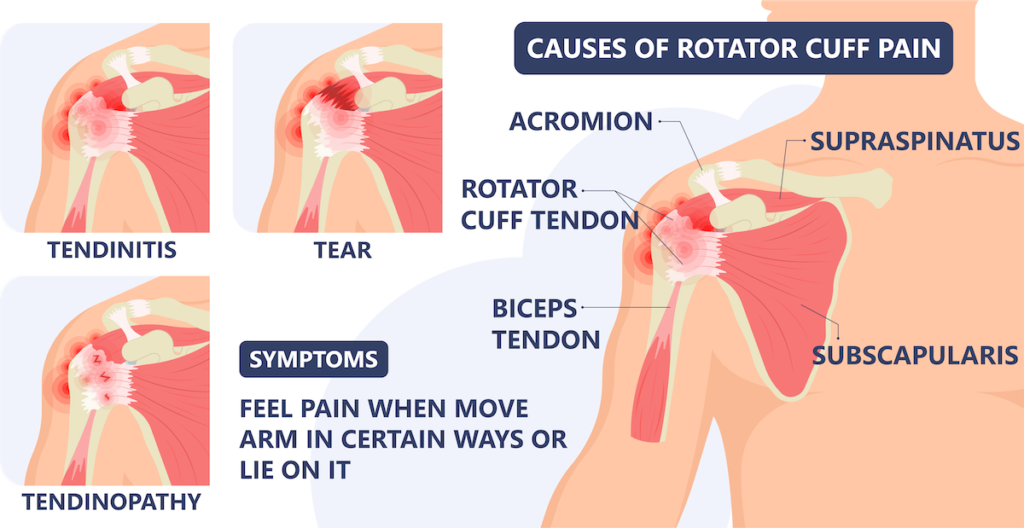
Image Source: allspinesurgerycenter.com
Deciphering Cortisone Shots
What is a cortisone shot? It’s a shot given to help with pain and swelling in a specific part of your body, often a joint like a knee, shoulder, or hip. The medicine in the shot is a type of steroid, but not the kind that bodybuilders use. It’s a strong anti-inflammatory medicine.
People get these shots for conditions that cause swelling and pain. Things like:
- Arthritis (joint pain and swelling)
- Tendonitis (swelling in a tendon)
- Bursitis (swelling in a bursa, a small sac that cushions joints)
The goal is to calm down the swelling. Less swelling often means less pain. This can make it easier to move the joint. But getting the shot is just one step. Knowing what to do after the shot is super important for it to work best and for you to stay safe.
Why Resting Right Away Matters
You might feel better soon after the shot, or you might feel a bit worse first. This is normal. The body needs time to get used to the medicine. This is why the first day or two are really important for rest.
Think of the shot like planting a seed. You don’t want to run around and disturb the soil right after. The medicine needs to settle in the right spot. It needs time to start working on the swelling.
Sometimes, people feel a “cortisone flare.” This means the pain or swelling gets a bit worse for a day or two before it gets better. Doing too much activity during this time can make the flare worse or last longer. It can also stir up the area where the shot was given.
The doctor picked a very specific spot for the shot. They put the medicine right where the problem is. Shaking things up too much right away can spread the medicine out too much. It might not work as well where it’s needed most.
So, that first rest period following cortisone injection isn’t about being lazy. It’s an active part of your healing. It sets the stage for the shot to do its job. It helps you avoid extra pain or problems.
When Can You Move Again?
Okay, you’ve rested for a day or two. Now what? Returning to physical activity after cortisone is a step-by-step process. There’s no single timeline that works for everyone. It depends on many things. But we can look at a general plan.
First 24-48 Hours: Strict Rest
- What to do: Keep the area quiet. If it’s a leg joint, stay off your feet as much as you can. If it’s an arm or shoulder, don’t use it for lifting or hard tasks.
- Why: To let the medicine settle and avoid a flare-up. This is the most important part of the rest period following cortisone injection.
- Avoid: Heavy lifting, bending, running, jumping, or anything that puts a lot of stress on the joint.
Days 2-7: Gentle Movement
- What to do: You can start moving the joint gently. Think simple, easy movements. Walking around your house is usually fine for a leg shot. Moving your arm gently for daily tasks is okay for a shoulder shot. Some light stretching might be okay if your doctor says so.
- Why: Gentle movement helps keep the joint from getting stiff. It can also help improve blood flow, which is good for healing.
- Avoid: Anything that causes pain. No jogging, heavy lifting, or sports yet. This is still part of the recovery time after cortisone shot. You are slowly testing the waters for exercise after joint injection.
Week 2 Onward: Starting Light Exercise
- What to do: If the joint feels better, you can slowly add light exercise. This might be easy walking outdoors, swimming, or riding a stationary bike. Focus on low-impact activities.
- Why: To start rebuilding strength and movement in the joint. To see how the joint handles a bit more stress.
- Avoid: Still be careful with high-impact activities, heavy weights, and quick, jerky movements. Pay close attention to how the joint feels. These are still important exercise restrictions after cortisone shot.
Gradual Progression: The Key
The main rule for returning to physical activity after cortisone is to go slow. Do a little bit more each day or week. See how your body responds.
Here’s a simple idea of how to ramp up:
- Start with very short times (like 10-15 minutes of walking).
- Do it less often (maybe every other day).
- If that feels okay for a few days, slowly increase the time or how often you do it.
- Only move to harder exercises when the easier ones feel good and don’t cause more pain.
This gradual approach is safer. It helps you find out what your joint can handle now. The recovery time after cortisone shot isn’t just about waiting; it’s about smart, slow progress.
Specific Activities and Timelines
People often ask about specific types of exercise. The answer still follows the general rule: rest first, then build up slowly. But some activities are harder on joints than others.
How Soon Can I Exercise After Knee Cortisone Shot?
The knee is a weight-bearing joint. It takes a lot of impact when you walk, run, or jump. So, how soon can I exercise after knee cortisone shot needs careful thought.
- First 1-2 days: Rest the knee. No standing or walking more than needed. No bending deeply.
- Days 2-7: Light walking around the house. Maybe gentle knee bends while sitting. Avoid stairs if they hurt.
- Week 2+: If pain is better, start easy flat walking outside. Stationary bike with low resistance is often good. Swimming is excellent as it takes weight off the knee.
- Later: As the knee improves, you can slowly add more challenging exercise. But jumping, running, or sports with quick stops and starts will likely be some of the last things you return to. These are definite exercise restrictions after cortisone shot in the early weeks.
When Can I Run After Cortisone Shot?
This is a big one for many active people. When can I run after cortisone shot? The answer is usually: not for at least a couple of weeks, maybe longer.
Running puts a lot of stress on joints, especially knees, hips, and ankles. Even if the shot was somewhere else, like a shoulder, running still shakes the whole body.
- If the shot was in a lower body joint (knee, hip, ankle): Do not run for at least 2-4 weeks, and often longer. You need to be able to walk briskly without pain first. Then, you might start with a walk/run program.
- If the shot was in an upper body joint (shoulder, elbow, wrist): You still need to rest the whole body for 24-48 hours. Running might be less risky for the injected joint itself, but it still increases blood flow and movement throughout the body. Listen to your body. If running makes the injected area ache, stop.
Running is a high-impact activity. Rushing back to it is a common way people re-injure themselves or make the shot less effective. Be patient with when can I run after cortisone shot.
Working Out After Steroid Shot: What About Weights?
Many people want to know about working out after steroid shot, specifically lifting weights. Lifting weights puts direct force and strain on muscles, tendons, and joints.
- For the injected joint: Avoid lifting any significant weight that involves the injected joint for at least a week, maybe two. If the shot was in your shoulder, don’t do shoulder presses or heavy lifting. If it was in your elbow, don’t lift weights that bend the elbow a lot.
- For other body parts: Be cautious even with weights that don’t directly use the injected joint right away. Remember the 24-48 hour rest period for the whole body. After that, you might be able to do very light weights for other areas, but keep the overall intensity low.
When you do start lifting again, begin with much lighter weights than normal. Do more repetitions instead of heavy lifts. See how the injected joint feels even when working other muscles. Lifting weights can increase overall body tension and strain, which might affect the healing area. Exercise restrictions after cortisone shot definitely include avoiding heavy or sudden loads on the affected joint.
Exercise Restrictions After Cortisone Shot: Things to Avoid Early On
To sum up, here are common exercise restrictions after cortisone shot, especially in the first week or two:
- High-impact activities: Running, jumping, plyometrics, sports involving quick changes of direction.
- Heavy lifting: Both for the injected joint and potentially the whole body right away.
- Deep bending or extreme range of motion: If the shot is in a joint, don’t force it into positions that cause strain.
- Quick, jerky movements: Smooth, controlled movements are better than fast, powerful ones.
- Activities that cause increased pain: This is the most important rule. Pain is your body’s signal.
Following these guidelines for exercise after cortisone shot helps protect the injected area while the medicine does its work.
What Changes How Soon You Can Exercise?
As mentioned, the exact recovery time after cortisone shot is not set in stone. Several things can change the timeline. Comprehending these factors helps you figure out your personal timeline.
Where You Got the Shot
A shot in a small, less-used joint like a finger might need less rest than a shot in a major weight-bearing joint like a hip or knee. How soon can I exercise after knee cortisone shot will have a different answer than after a finger shot.
Why You Got the Shot
Was it for mild tendonitis or severe arthritis? The cause of the pain matters. If the joint was very inflamed or damaged, it might need more time to settle down, even with the shot.
Your Overall Health
Are you generally healthy? Do you have other health problems that might affect healing? Your body’s ability to recover plays a role.
Your Normal Activity Level
If you were very active before the shot, you might be tempted to go back too quickly. If you were not very active, starting gentle movement might feel like a bigger step. Everyone is different.
How the Shot Felt and How You Feel Now
Did the shot hurt a lot? Do you have a cortisone flare? Is the pain completely gone or just better? How you feel in the days after the shot is a major clue about what you can do.
Your Doctor’s Advice
This is perhaps the most important factor. Your doctor knows your specific situation, the exact shot you got, and why you got it. They will give you specific instructions. Always follow their advice. The guidelines for exercise after cortisone shot they give you are tailored to you.
Simple Safety Rules for Exercise
As you start returning to physical activity after cortisone, safety is key. Don’t just jump back in. Have a plan and be smart.
Listen to Your Body After Cortisone Shot
This is the golden rule. Listen to your body after cortisone shot. Your body will tell you if you’re doing too much too soon.
- Pain: If an activity makes the injected area hurt more than a mild ache, stop. Sharp pain, throbbing pain, or pain that lasts for hours after you stop are bad signs.
- Swelling: If you notice increased swelling in the joint after exercising, you overdid it.
- Stiffness: Some mild stiffness might be normal, but severe stiffness that makes it hard to move is a sign to back off.
Your body’s signals are more important than any general timeline. The goal of the shot is to reduce your pain and improve function. If exercise makes things worse, you’re not helping the healing process. This is a vital part of the guidelines for exercise after cortisone shot.
Start Low, Go Slow
This is the principle of gradual progression again.
- Start with a very easy version of the exercise.
- Do it for a short time.
- If that feels okay for a day or two, slightly increase the time or the difficulty. Don’t change both at once.
- Only move to the next level of activity when you feel ready and the joint is not complaining.
Warm Up Properly
Before any exercise, even gentle ones, warm up the area with light movements. This prepares the muscles and joint.
Cool Down and Gentle Stretching
After exercise, cool down with easier movements. Gentle, non-painful stretching can help keep the joint flexible.
Use Ice If Needed
If you feel a mild ache after exercise, ice can help reduce any potential swelling or discomfort. Apply ice for 15-20 minutes.
Don’t Push Through Significant Pain
There’s a difference between the feeling of muscles working or mild stiffness and real joint pain. Learn to tell the difference. Pain in the injected joint means stop or reduce the activity.
Following these simple rules helps ensure that working out after steroid shot is helpful, not harmful.
What Happens If You Do Too Much Too Soon?
Ignoring the exercise restrictions after cortisone shot and pushing too hard too early can have downsides. Comprehending these risks might help you be more patient.
- Increased Pain and Swelling: You can stir up the inflammation that the shot was trying to fix. This might lead to a cortisone flare that is worse or lasts longer.
- Reduced Effectiveness of the Shot: If you keep irritating the joint, the medicine might not work as well or the positive effects might wear off faster. The shot is not a magic bullet that makes the underlying problem disappear if you abuse the joint.
- Injury: The shot might mask some pain, making you think the joint is stronger than it is. This can make you more likely to strain a tendon, ligament, or muscle, or even damage cartilage.
- Slower Overall Recovery: Pushing too hard can set you back. You might have to go back to resting, which delays your overall return to full activity.
It’s much better to be a little too cautious than to push too hard and suffer the results. The recovery time after cortisone shot is part of the process. Rushing it can undo the good the shot might do.
Interpreting the Path Back to Movement
The cortisone shot is often used to break a cycle of pain and inflammation. It gives you a window where the pain is lower. This window is best used wisely.
Simply resting after the shot isn’t enough in the long term. While the initial rest period following cortisone injection is vital, the goal is to get the joint moving better without pain.
This is where physical therapy can be very helpful. A physical therapist can:
- Assess your specific joint problem.
- Create a safe exercise plan for returning to physical activity after cortisone.
- Show you how to do exercises correctly.
- Help you rebuild strength and flexibility in the joint and surrounding muscles.
- Guide you on when can I run after cortisone shot or when you can lift weights safely.
- Teach you how to listen to your body after cortisone shot and other times.
Working with a therapist ensures your exercise after joint injection is guided and safe. They help you make the most of the reduced pain from the shot.
Table: General Timeline Guide
Remember, this is just a general guide. Always follow your doctor’s specific instructions.
| Time After Cortisone Shot | Typical Activity Level | Important Notes |
|---|---|---|
| 0-48 Hours | Rest: Minimal use of the injected joint. | Crucial rest period following cortisone injection. Avoid stress on the area. |
| Days 2-7 | Gentle Movement: Light daily activities, maybe slow, flat walking (for lower body). | Start testing the waters for gentle exercise after joint injection. No impact or heavy lifting. |
| Week 2+ | Light Exercise: Low-impact activities like walking, stationary bike, swimming (if allowed). | Returning to physical activity after cortisone. Slowly increase time/effort if no pain. Follow guidelines for exercise after cortisone shot. |
| Week 3-4+ | Moderate Exercise: Start adding more challenge slowly. | If joint feels good. Listen closely to your body. Still avoid high impact or heavy loads on the joint until much later or cleared by doctor/therapist. |
| Month 2+ | Gradual Return to Normal: If pain is significantly better. | May consider when can I run after cortisone shot or heavier working out after steroid shot, but only if the joint allows and cleared by doctor/therapist. Continue to listen to your body after cortisone shot. |
The total recovery time after cortisone shot to get back to full activity can range from a couple of weeks to several months. It depends on the underlying issue and your body’s response.
Frequently Asked Questions (FAQ)
Q: Can I walk right after a cortisone shot?
A: Light walking around your house might be okay after the first 24 hours, but you should avoid long walks or walking for exercise for at least a few days. For a knee or hip shot, try to limit weight on the joint for the first day or two.
Q: When can I lift things after a cortisone shot?
A: Avoid heavy lifting for at least a week, especially anything that uses the joint where you got the shot. Even light lifting using other parts of your body should wait until 24-48 hours after the shot.
Q: My pain is gone right away. Can I exercise normally?
A: It’s great that your pain is gone, but no. The pain relief might happen quickly, but the tissues still need time to heal and the medicine needs time to work fully without being disturbed. Rushing back increases the risk of pain returning or injuring yourself. Follow the recommended rest period following cortisone injection and gradual return.
Q: What if my joint hurts more after the shot?
A: This can be a cortisone flare. It’s usually worst in the first 24-48 hours. Keep resting the joint, use ice, and take simple pain relievers if your doctor says it’s okay. If the pain is severe or doesn’t get better after a few days, call your doctor. Do not exercise during a flare-up.
Q: How long does the cortisone shot last?
A: This varies a lot. For some people, it might only help for a few weeks. For others, it can provide pain relief for several months. It’s not a permanent fix for most problems. The goal is to give you a pain-free period to do rehab and make the joint stronger.
Q: Does exercising after the shot make it wear off faster?
A: Doing too much exercise too soon or exercising intensely can potentially irritate the joint and reduce the shot’s benefits or make them wear off faster. Smart, gradual returning to physical activity after cortisone is less likely to do this and helps you make the most of the shot.
Wrapping Up
Getting a cortisone shot can offer much-needed pain relief and help you move better. But knowing how long after a cortisone shot can I exercise safely is key to getting the best result. Start with a clear rest period following cortisone injection, usually 24-48 hours. Then, slowly begin returning to physical activity after cortisone with gentle movements. Gradually increase the intensity of your exercise after joint injection. High-impact activities like running or heavy working out after steroid shot usually need to wait several weeks. Always follow the guidelines for exercise after cortisone shot from your doctor or physical therapist. Most importantly, listen to your body after cortisone shot. Pain is a signal to stop or slow down. By being patient and smart about your recovery time after cortisone shot, you give yourself the best chance for lasting relief and improved function.