
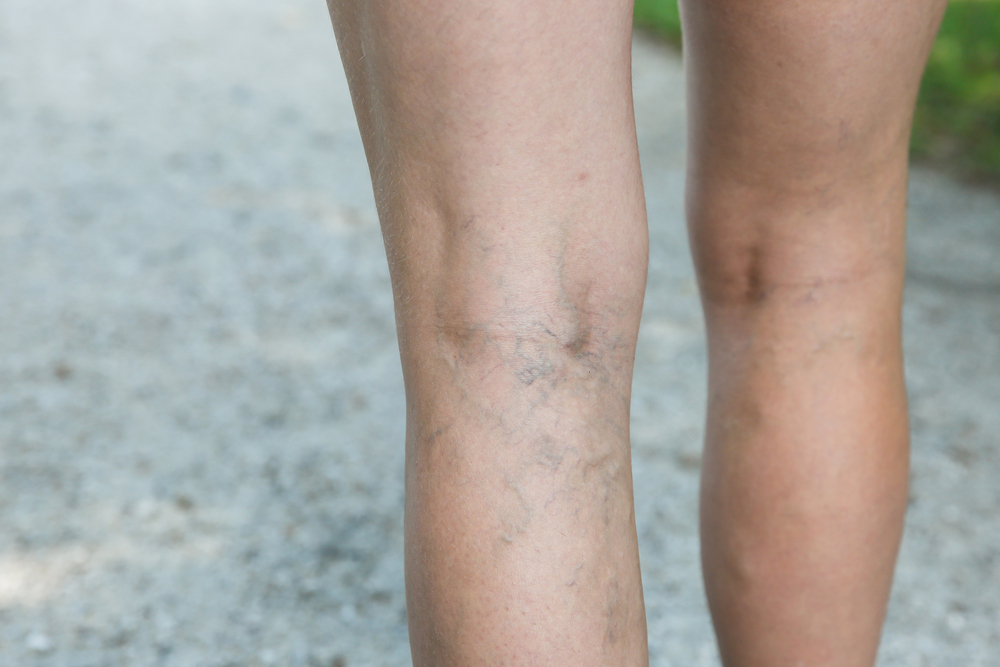
Image Source: premierdermatologyatlanta.com
Can Spider Veins Go Away With Exercise? What Experts Say
Can exercise make spider veins disappear? Experts generally agree that while exercise is hugely beneficial for vein health and can help prevent new spider veins or reduce the symptoms of existing ones, it typically cannot make spider veins that are already visible on the skin go away entirely. Medical treatments are usually needed for actual removal. However, incorporating specific exercises and lifestyle changes can greatly improve circulation and support overall leg vein health.
Grasping What Spider Veins Are
Spider veins look like tiny webs or branches under the skin. They are small, twisted blood vessels that you can see easily. They are often red, blue, or purple. You usually find them on legs or the face.
They are different from varicose veins. Varicose veins are larger. They bulge out and can be painful. Spider veins are mostly a look concern. They don’t usually cause health problems, but they can sometimes itch or burn.
Why Spider Veins Show Up
Many things can make spider veins appear.
- Family History: If your family members have them, you might get them too.
- Getting Older: Veins can get weaker over time.
- Hormones: Changes in hormones can play a role. This includes puberty, pregnancy, and menopause. Taking birth control pills or hormone replacement therapy can also affect them.
- Pregnancy: The weight of the baby and changes in blood flow put pressure on leg veins.
- Sitting or Standing a Lot: If you stay in one spot for a long time, blood can pool in your leg veins.
- Weight Gain: Extra weight puts more pressure on your veins.
- Sun Damage: Too much sun can cause spider veins on the face.
These factors weaken vein valves or walls. This makes blood pool instead of flowing smoothly back to the heart.
Fathoming How Exercise Helps Vein Health
Even though exercise can’t erase existing spider veins, it’s one of the best things you can do for your veins. Doctors and vein specialists strongly recommend it.
How does exercise help your veins?
- It Boosts Blood Flow: Your heart pumps blood out to your body. Your veins bring it back. This return trip from your legs is harder because blood has to go up against gravity. Exercise helps move blood up.
- It Strengthens Muscles: Your calf muscles are very important for blood return. Think of them as your “second heart.” When you move your legs, like when walking or running, these muscles squeeze your veins. This squeezing action pushes blood up towards your heart. Stronger calf muscles mean a stronger “second heart.”
- It Lowers Pressure: When blood flows better, less blood pools in the lower leg veins. This can lower the pressure inside the veins. High pressure makes veins swell and can lead to spider or varicose veins.
- It Helps With Weight: Staying at a healthy weight means less pressure on your legs and veins. Exercise helps you manage your weight.
These exercise benefits for veins are key. While they might not remove the tiny veins you see, they make your whole vein system work better. This is why exercise is a major part of any plan for vein health exercises and prevent spider veins exercise.
Improve Blood Circulation Legs Through Movement
Improving blood flow in your legs is the main goal of vein health exercises. Poor circulation makes blood gather in veins. This puts stress on the vein walls and valves.
Movement helps in several ways:
- Muscle Pump Activation: As mentioned, walking, running, cycling, and other leg movements use calf and thigh muscles. These muscles act like pumps. They push blood upward against gravity.
- Opening Capillaries: Exercise helps open up tiny blood vessels (capillaries). This improves overall circulation in the tissues.
- Lowering Heart Rate and Blood Pressure: Regular exercise makes your heart stronger. It can pump blood more easily. Lower blood pressure also reduces stress on your blood vessels.
Any movement is better than none. Even small amounts of activity throughout the day add up.
Specific Vein Health Exercises
Certain exercises are especially good for promoting leg circulation and supporting vein health. These leg exercises circulation boosters are often low-impact and easy to do.
Walking
This is often called the best exercise for veins.
- Why it Helps: Walking uses your calf muscles a lot. Each step engages the muscle pump. This strongly helps push blood up from your feet and ankles.
- How Much: Aim for at least 30 minutes most days. Even shorter walks throughout the day can help if you sit or stand a lot.
- Keyword: does walking help spider veins? Yes, it helps prevent them and can ease symptoms by improving blood flow. It doesn’t remove existing ones.
Cycling
Whether on a road bike or stationary bike, cycling is great.
- Why it Helps: Cycling also works the calf and thigh muscles strongly. The circular motion is smooth and puts less impact stress on joints than running.
- Benefits: Excellent for boosting blood return to the heart. Good for building endurance.
Swimming
Swimming is a fantastic full-body workout that is very gentle on your joints.
- Why it Helps: The water provides support. This reduces pressure on your legs. The movements use many muscles, which improves circulation everywhere. The slight elevation of the legs in some strokes can also be helpful.
- Benefits: Low impact, great circulation boost, good for overall fitness.
Leg Elevation Exercises
These can be done lying down.
- Why they Help: Lifting your legs uses gravity to help blood flow back to your heart.
- How to Do Them:
- Lie on your back.
- Lift your legs straight up towards the ceiling. Hold for a few seconds. Lower slowly. Repeat several times.
- You can also rest your legs against a wall at a 90-degree angle for 10-15 minutes.
- Benefits: Simple, effective way to use gravity to aid blood return. Good for easing tired or heavy legs.
Calf Raises
You can do these anywhere, anytime.
- Why they Help: Directly strengthens the calf muscles, your “second heart.”
- How to Do Them:
- Stand with your feet flat.
- Slowly rise up onto the balls of your feet.
- Hold for a second.
- Slowly lower back down.
- Repeat 10-15 times. You can do several sets.
- You can do them with two legs, or one leg at a time for more challenge. Holding onto a chair or wall for balance is fine.
Ankle Pumps and Rotations
These are easy to do even while sitting or standing.
- Why they Help: Keeps blood moving in the lower legs and feet, especially important if you can’t move around much.
- How to Do Them:
- Pumps: Flex your foot up (toes towards shin), then point your foot down (toes away). Repeat like pumping.
- Rotations: Rotate your ankles in circles, both clockwise and counterclockwise.
- Benefits: Good for maintaining circulation during long periods of sitting (like at a desk or on a plane).
Yoga and Stretching
Gentle movement and stretching are good for flexibility and blood flow.
- Why they Help: Certain poses can help with circulation by elevating legs or stretching muscles. Flexibility keeps your body moving freely, supporting healthy blood flow.
- Specific Poses: Leg-up-the-wall pose (Viparita Karani) is excellent for vein health. Gentle forward folds and twists can also help.
Exercises to Be Mindful Of
Some exercises might not be the best if you have significant vein issues, especially larger varicose veins.
- Heavy Weightlifting: Exercises that require you to hold your breath and strain (like heavy squats or deadlifts) can increase pressure in your abdomen. This pressure can make it harder for blood to return from your legs. If you lift weights, use lighter weights with more reps, and remember to breathe out during the effort.
- High-Impact Activities: Running or jumping can be jarring. While good for overall fitness, they might be less comfortable for some people with vein pain compared to low-impact options like walking or cycling. Listen to your body.
It’s always a good idea to talk to your doctor before starting a new exercise plan, especially if you have existing vein problems or other health issues.
Table: Examples of Vein-Friendly Exercises
Here is a simple look at some good exercises:
| Exercise Type | How it Helps Your Veins | How to Do It | Notes |
|---|---|---|---|
| Walking | Activates calf muscle pump, boosts overall circulation. | Walk briskly for 30+ minutes most days. | Easy to start, can do anywhere. |
| Cycling | Strong calf and thigh muscle work, smooth motion. | Ride a bike outdoors or use a stationary bike. | Less impact than running. |
| Swimming | Full body circulation, low impact, reduces leg pressure. | Swim laps or do water aerobics. | Great for joints. |
| Calf Raises | Directly strengthens calf muscle pump. | Rise onto balls of feet, lower slowly. Repeat 10-15 times. | Can do while standing in line or brushing teeth. |
| Leg Lifts / Elevation | Uses gravity to help blood return. | Lift legs while lying down, or rest legs against a wall. | Good for easing tired/heavy legs. |
| Ankle Pumps/Rotations | Improves circulation in feet/lower legs when sitting. | Flex/point feet, rotate ankles in circles. | Do frequently if sitting for long periods. |
| Yoga / Gentle Stretching | Improves flexibility, specific poses aid circulation. | Practice gentle yoga, focus on leg stretches and elevation poses (e.g., Legs Up Wall). | Reduces tension, promotes overall flow. |
Using these vein health exercises regularly helps keep your blood moving well.
Beyond Exercise: Natural Ways Get Rid of Spider Veins (Prevention)
While exercise is vital for prevention and symptom relief, it’s part of a bigger picture. Many natural ways get rid of spider veins actually focus on preventing them from forming or worsening. Think of these as crucial lifestyle changes spider veins improvement relies on.
These changes won’t make existing spider veins vanish, but combined with exercise, they are powerful for how to reduce spider veins naturally and maintain good vein health.
Keep a Healthy Weight
Carrying extra weight puts added pressure on the veins in your legs and feet. This makes it harder for blood to flow back up. Losing even a small amount of weight can make a difference in vein pressure.
Avoid Sitting or Standing for Too Long
Staying in one position for many hours hinders blood flow.
- If you sit: Get up and walk around for a few minutes every 30 minutes. Do ankle pumps and rotations while sitting.
- If you stand: Shift your weight often. Walk in place or take short breaks to sit down and elevate your legs.
Movement helps the muscle pump work.
Elevate Your Legs
Raising your legs above the level of your heart helps gravity assist blood flow back towards your body’s core.
- Do this for 15-20 minutes a few times a day.
- Prop your legs up with pillows while lying down.
- Use a footrest under your desk if you sit for long periods.
This is a simple but very effective way to reduce pressure in leg veins.
Wear Compression Stockings
Compression stockings put gentle, steady pressure on your legs. This helps support your veins and encourages blood flow upwards.
- They are tighter at the ankle and get less tight higher up the leg.
- They can prevent blood from pooling in the lower leg.
- Your doctor can recommend the right level of compression for you.
- Wear them during the day, especially if you sit or stand a lot.
Protect Your Skin From the Sun
Too much sun exposure, especially on the face, can damage blood vessels and lead to spider veins. Use sunscreen regularly.
Eat a Healthy Diet
A diet rich in fiber can prevent constipation, which can increase pressure in the abdomen and affect leg veins. Staying hydrated helps maintain healthy blood volume. Foods rich in antioxidants and Vitamin C (like fruits and vegetables) can help keep vein walls healthy.
Avoid Tight Clothing Around the Waist or Legs
Clothing that is too tight can restrict blood flow. Choose comfortable clothes that allow for easy movement.
Limit Hot Baths and Saunas
Excessive heat can cause veins to dilate (widen), which might make spider veins more noticeable or contribute to blood pooling. Warm showers are generally fine.
By making these lifestyle changes spider veins formation can be slowed or prevented. They work hand-in-hand with exercise.
Interpreting Expert Opinions on Exercise and Spider Veins
Leading vascular specialists and dermatologists agree on the role of exercise for vein health. Their consensus is clear:
- Exercise is Preventative: Regular physical activity, particularly exercises that work the calf muscles, is crucial for preventing the development or worsening of spider veins and varicose veins. It keeps the circulatory system strong.
- Exercise Alleviates Symptoms: For people with existing spider veins or varicose veins, exercise can help reduce common symptoms like aching, heaviness, tiredness, and swelling in the legs. This is due to improved circulation and reduced pressure.
- Exercise Does Not Remove Existing Veins: Once a vein has become a visible spider vein, exercise alone will not make it disappear. The damaged or dilated vessel remains.
- Exercise Supports Treatment: If someone undergoes medical treatment (like sclerotherapy or laser therapy) to remove spider veins, continuing a regular exercise program after treatment is often recommended. It helps maintain good circulation and reduces the chance of new veins forming.
So, when experts say does walking help spider veins or talk about exercise benefits for veins, they focus on prevention, symptom management, and overall circulatory health, rather than removal of existing veins. They see exercise as a foundational element of vein care, but not a standalone cure for visible spider veins.
Varicose Veins and Exercise
Much of what applies to spider veins also applies to varicose veins when it comes to exercise. Varicose veins exercise is highly recommended.
Like spider veins, varicose veins benefit greatly from improved circulation and stronger calf muscles. Regular, low-impact exercise can:
- Reduce pain, aching, and heaviness often associated with varicose veins.
- Lessen swelling in the legs and ankles.
- Help prevent existing varicose veins from getting worse.
- Reduce the risk of complications like blood clots (though exercise recommendations might change if a clot is present – always consult a doctor).
The best exercises for varicose veins are similar to those for spider veins: walking, cycling, swimming, and leg elevation. High-impact activities or heavy lifting that involves straining might be less suitable for some people with larger, painful varicose veins. Always listen to your body and consult a doctor.
Exercise is perhaps even more critical for varicose veins because these veins can pose greater health risks than spider veins alone.
Combining Approaches for Best Results
To achieve the best possible outcome for vein health, the most effective strategy is to combine several approaches:
- Regular Exercise: Focus on vein health exercises like walking, cycling, and calf raises to improve blood circulation legs and strengthen the calf pump. Aim for consistency.
- Lifestyle Modifications: Implement lifestyle changes spider veins benefit from, such as managing weight, avoiding prolonged sitting/standing, and elevating legs.
- Compression Therapy: Use compression stockings as advised by a healthcare provider.
- Healthy Habits: Eat a balanced diet, stay hydrated, and protect your skin.
- Medical Consultation: If you have existing spider veins that bother you cosmetically or if you experience symptoms like pain, swelling, or skin changes (which are more common with varicose veins), consult a doctor. They can discuss medical treatments like sclerotherapy or laser therapy that can actually remove the visible veins.
Focusing only on natural ways get rid of spider veins without addressing the underlying factors or considering medical options for removal of existing veins might lead to disappointment. The goal is prevention and managing what’s there, and then deciding if removal is desired.
How to Reduce Spider Veins Naturally (Focus on Prevention and Symptoms)
When people search for how to reduce spider veins naturally, they are often looking for non-medical ways to make them less noticeable or stop more from appearing. As we’ve covered, exercise and lifestyle changes are the primary “natural” methods that actually have scientific backing for prevention and symptom relief.
Let’s revisit this from the perspective of “reducing” their appearance or impact without medical procedures:
- Improved Circulation: Makes legs feel better, less heavy or achy. While it doesn’t shrink the vein itself, improving blood flow might make the network slightly less prominent in some cases due to less pooling, though this effect is limited for established spider veins.
- Weight Management: Less pressure on veins means they are under less strain, potentially slowing down the formation of new ones.
- Muscle Tone: Stronger leg muscles support the veins better.
- Elevation & Compression: Directly reduce pooling and pressure, which can make veins look less engorged and reduce swelling around them.
Thinking about how to reduce spider veins naturally should really focus on preventing their increase and managing symptoms, rather than expecting existing ones to fade away completely through these methods alone.
Frequently Asked Questions (FAQ)
Here are common questions people ask about exercise and spider veins:
H5 Does walking really help spider veins?
Yes, walking is one of the best exercises. It strongly uses the calf muscles. This helps pump blood up from your legs. While it won’t make existing spider veins disappear, it greatly helps prevent new ones and improves overall vein health. It can also ease symptoms like leg aching.
H5 Can exercise make my spider veins worse?
Generally, no. Low to moderate impact exercises like walking, cycling, and swimming are beneficial. High-impact activities or heavy weightlifting with straining might put extra pressure on veins for some people, especially those with larger varicose veins, but regular, appropriate exercise is overwhelmingly positive for vein health. Always listen to your body and ask your doctor if you have concerns.
H5 How long does it take for exercise to show benefits for veins?
You might notice your legs feeling less heavy or tired after just a few weeks of regular exercise. Benefits for preventing new spider veins or slowing progression happen over months and years of consistent activity.
H5 If exercise doesn’t remove spider veins, what does?
Medical treatments are needed to remove existing spider veins. The most common are:
* Sclerotherapy: A doctor injects a solution into the vein, causing it to scar and close.
* Laser Therapy: Using a laser on the skin to heat and damage the vein, causing it to close.
These methods cause the vein to eventually fade or be reabsorbed by the body.
H5 Is it okay to exercise if my legs ache from spider veins?
In many cases, yes. Gentle exercise like walking or cycling can actually help reduce the aching and heaviness by improving blood flow. However, if you have severe pain, swelling, or other concerning symptoms, see a doctor before exercising.
H5 Are there any exercises to avoid with spider veins?
Most exercises are fine. Some caution is advised for very heavy weightlifting where you strain a lot, or very high-impact exercises if they cause pain. But for most people, focusing on low-impact movement is safe and effective.
H5 Can yoga help with spider veins?
Yes, gentle yoga can be very helpful. Poses that involve leg elevation help blood return. The stretching and movement improve flexibility and overall circulation. It’s a good part of a balanced vein health exercises routine.
The Final Word: Exercise as a Cornerstone, Not a Cure
To sum it up, the answer to “Can spider veins go away with exercise?” from experts is usually no, not disappear entirely. Exercise is not a magic eraser for veins that are already visible.
However, this does not lessen the power of exercise for vein health. It is perhaps the single most important natural way get rid of spider veins in the sense of preventing future ones and keeping your circulatory system strong.
Regular vein health exercises like walking, cycling, swimming, and calf raises are essential. They improve blood circulation legs, strengthen the crucial calf muscles, and reduce pressure in the veins. This is vital for prevent spider veins exercise.
Combine exercise with other healthy lifestyle changes spider veins dislike, such as maintaining a healthy weight, avoiding long periods of sitting or standing, and elevating your legs. These actions work together to create an environment where your veins can function better.
If you have existing spider veins that you want gone, discuss medical treatment options with a specialist. But for maintaining healthy legs and preventing more spider veins from forming, exercise is your loyal and powerful ally. Make it a regular part of your life for strong, healthy veins.