
Does your back hurt when you exercise? Often, this happens because of muscle strain, poor posture, or a weak core muscles. We’ll explore these reasons and how to fix them so you can enjoy your workouts pain-free.
Exercising is great for your body. It keeps you strong and healthy. But sometimes, your back might ache when you move. This can be frustrating and make you want to stop. The good news is that there are usually clear reasons why this happens, and simple solutions to help you.
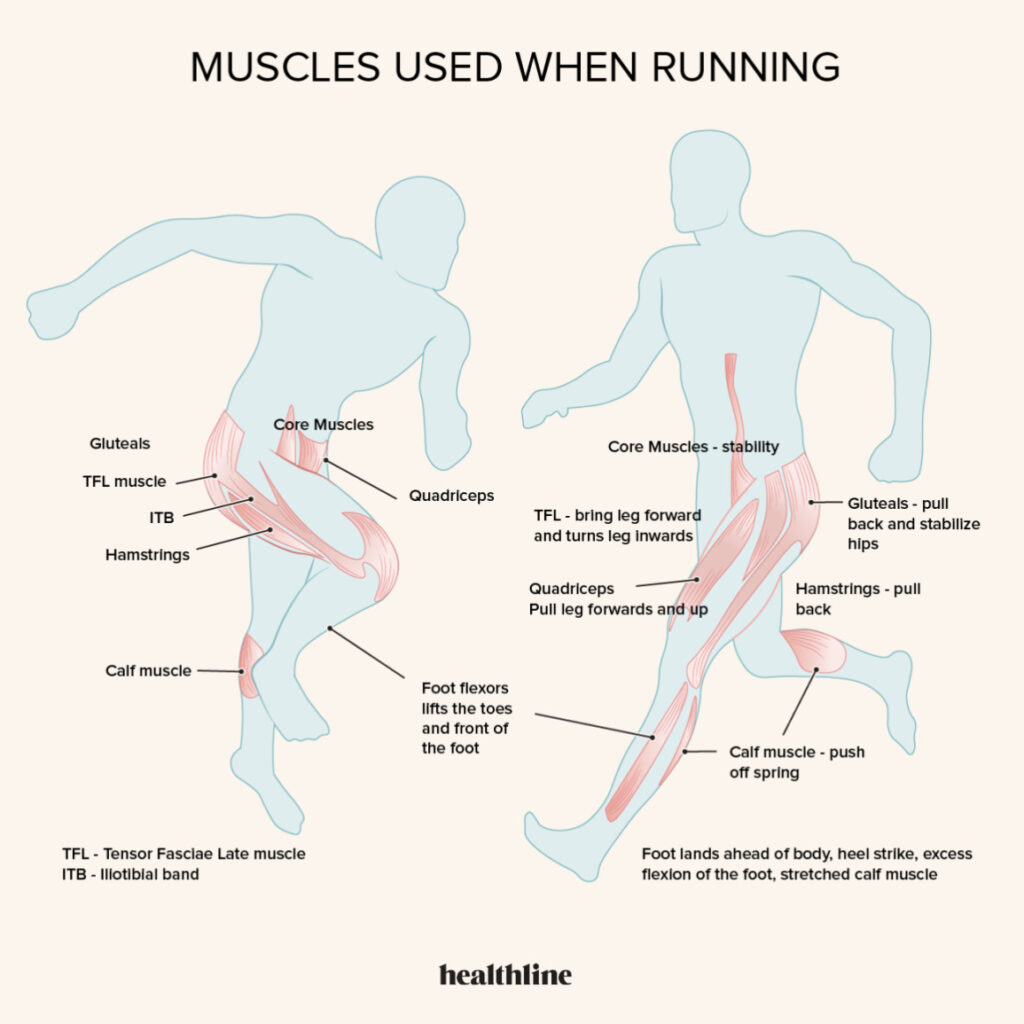
Image Source: hssh.health
Fathoming Exercise-Related Back Discomfort
Your back is a complex structure. It has muscles, bones, nerves, and joints that all work together. When you exercise, these parts are put to work. If something isn’t quite right, you might feel pain. Let’s break down the common culprits.
The Role of Muscle Strain
Muscle strain is a very common reason for back pain during exercise. This happens when muscles or their fibers are stretched too far or torn. Think of it like overstretching a rubber band.
- Sudden Movements: Quick, jerky motions, especially without proper preparation, can overload your back muscles.
- Lifting Heavy Weights: Trying to lift more than your muscles are ready for puts immense pressure on your back.
- Repetitive Motions: Doing the same movement over and over without rest can fatigue muscles, making them prone to strain.
When muscles are strained, they become inflamed and painful. This pain often gets worse with movement, especially movements that involve bending, twisting, or lifting.
The Impact of Poor Posture
Poor posture doesn’t just affect how you look; it significantly impacts your back health, especially during exercise. Good posture means your body is aligned correctly, with your spine in a neutral position. When your posture is off, certain muscles work harder than they should, while others become weak and unused.
- Forward Head Posture: This common issue, often from looking at screens, causes your neck and upper back muscles to strain.
- Slouching: When you slouch, your spine loses its natural curve. This can put extra stress on the lower back.
- Pelvic Tilt: An anterior or posterior pelvic tilt can alter the alignment of your spine, leading to lower back pain.
During exercise, poor posture amplifies these issues. For instance, if you have a swayback, your lower back muscles might be tight, and your abdominal muscles weak, making exercises like squats or deadlifts more taxing on your back.
The Significance of Exercise Form
Getting your exercise form right is crucial. Even if you’re strong, incorrect form can put undue stress on your back. It’s like building a house on a weak foundation – it’s bound to have problems.
- Rounding the Back: In exercises like deadlifts or squats, rounding your lower back is a major red flag. This can lead to disc injuries.
- Over-Arching: Excessive arching of the back can also strain the spinal structures.
- Twisting Incorrectly: Many exercises involve some rotation, but uncontrolled or excessive twisting can injure back muscles and ligaments.
When your form is off, you’re not engaging the intended muscles effectively. Instead, you might be compensating with other muscle groups, including those in your back, leading to pain and potential injury.
The Crucial Role of Weak Core Muscles
Your core muscles – the muscles in your abdomen, back, and pelvis – act as your body’s natural support system. They stabilize your spine and pelvis. If your weak core muscles aren’t doing their job, your back takes on extra load.
- Lack of Stability: A weak core means your spine has less support. This makes it more vulnerable to injury, especially during dynamic movements.
- Compensation Patterns: When your core is weak, other muscles, like those in your lower back, try to compensate. This leads to overuse and pain.
- Everyday Activities: Even simple movements like bending or lifting can become problematic without a strong core. Exercise intensifies these issues.
Exercises like planks, bird-dogs, and bridges are designed to strengthen the core. Neglecting them can leave your back exposed to strain during more demanding exercises.
The Necessity of an Improper Warm-up
Skipping or rushing your warm-up is a surefire way to invite back pain. An improper warm-up means your muscles are cold and stiff, making them more susceptible to injury.
- Reduced Blood Flow: Cold muscles have less blood flow. This means they get less oxygen and nutrients, making them less flexible and responsive.
- Lack of Preparation: A warm-up gradually increases your heart rate and body temperature, preparing your muscles and joints for the demands of exercise. Without this, your body is shocked into action.
- Stiff Joints: Warm-ups also help lubricate your joints, improving range of motion and reducing friction.
A good warm-up should include light cardio and dynamic stretches that mimic the movements you’ll be doing in your workout.
The Importance of a Stretching Routine
While warming up is about preparing muscles, a proper stretching routine is essential for flexibility and recovery. Tight muscles can pull on your spine and affect your posture, contributing to back pain.
- Tight Hamstrings: Tight hamstrings can pull on your pelvis, flattening your lower back’s natural curve and leading to lower back pain.
- Tight Hip Flexors: Sitting for long periods often tightens hip flexors. These can tilt your pelvis forward, increasing the arch in your lower back.
- Imbalanced Flexibility: If some muscle groups are very tight and others are weak, it creates an imbalance that stresses your back.
Regular stretching, particularly focusing on the hamstrings, hip flexors, and glutes, can improve your posture and reduce the risk of back pain.
Specific Exercises and Back Pain
Certain exercises are more notorious for causing back pain if not done correctly.
Squats and Deadlifts
These compound movements are excellent for building strength, but they require perfect form.
- Squats: A common mistake is rounding the lower back during the descent or ascent. This puts immense pressure on the lumbar spine.
- Form Check: Keep your chest up, back straight, and core engaged. Imagine pushing your hips back as you lower yourself.
- Deadlifts: This exercise is particularly risky if performed with poor form. Lifting with your back instead of your legs is a recipe for disaster.
- Form Check: Start with the bar close to your shins. Maintain a neutral spine throughout the lift. Engage your glutes and use your legs to drive the movement.
Running and Other Cardiovascular Activities
While generally good for health, some runners experience back pain.
- Stride Mechanics: An overstriding or improper foot strike can send shockwaves up the spine.
- Pelvic Rotation: Excessive rotation of the pelvis can strain the lower back muscles.
- Weak Glutes: If your glutes aren’t firing properly, your lower back muscles may compensate, leading to fatigue and pain.
Weightlifting and Resistance Training
Beyond squats and deadlifts, other weightlifting activities can impact the back.
- Overhead Presses: If your core isn’t stable, you might arch your back excessively to lift the weight, straining the lumbar spine.
- Rowing Machines: Slouching on a rowing machine or using too much momentum from the back rather than the legs can cause pain.
- Improper Weight Selection: Lifting weights that are too heavy for your current strength level is a primary cause of muscle strain.
Strategies for Injury Prevention and Pain Relief
To avoid or manage back pain during exercise, several strategies can be employed.
Prioritizing the Warm-up
A proper warm-up prepares your body.
- Light Cardio: 5-10 minutes of brisk walking, jogging in place, or cycling.
- Dynamic Stretching: Arm circles, leg swings, torso twists, and hip circles. These movements gradually increase your range of motion.
- Movement Prep: Doing a few light repetitions of the exercises you’re about to perform, with very light weight or just bodyweight.
Mastering Exercise Form
Focus on technique over weight or speed.
- Seek Expert Guidance: Consider working with a certified personal trainer or coach to learn correct form.
- Use Mirrors: Watch yourself in a mirror to check your posture and alignment during exercises.
- Film Yourself: Record your workouts to analyze your form later and identify areas for improvement.
- Start Light: Begin with lighter weights and gradually increase as your form improves and your muscles adapt.
Strengthening Your Core
A strong core is your best defense against back pain.
- Plank Variations: Standard planks, side planks, and forearm planks build core endurance.
- Bird-Dog: This exercise improves core stability and coordination.
- Glute Bridges: Activates and strengthens the gluteal muscles, which are vital for pelvic stability.
- Dead Bug: A controlled exercise that strengthens deep abdominal muscles without straining the back.
Here’s a table outlining core strengthening exercises:
| Exercise | Focus Area | How to Perform |
|---|---|---|
| Plank | Full Core | Hold a push-up position on forearms, keeping body in a straight line from head to heels. Engage abs. |
| Bird-Dog | Core Stability | Start on hands and knees. Extend opposite arm and leg simultaneously, keeping torso stable. Return to start. |
| Glute Bridge | Glutes, Hamstrings | Lie on back with knees bent. Lift hips off the floor, squeezing glutes at the top. Lower slowly. |
| Dead Bug | Deep Abdominals | Lie on back with knees bent at 90 degrees, arms extended to ceiling. Slowly extend opposite arm and leg. |
| Side Plank | Obliques, Core | Lie on your side, propped up on one forearm. Lift hips to create a straight line. Hold. Switch sides. |
Implementing Workout Modifications
If an exercise consistently causes back pain, modify it.
- Reduce Range of Motion: Don’t go as deep in squats or bends if it causes pain.
- Substitute Exercises: If deadlifts hurt your back, try Romanian deadlifts with lighter weight or kettlebell swings.
- Use Machines: Sometimes, weight machines can provide more support and controlled movement than free weights, reducing the risk of poor form.
- Lower the Weight: This is the simplest and often most effective modification.
The Importance of a Proper Stretching Routine
Flexibility is key to preventing imbalances.
- Hamstring Stretches: Seated or standing hamstring stretches.
- Hip Flexor Stretches: Lunges with a posterior pelvic tilt.
- Cat-Cow Stretch: A gentle spinal mobility exercise.
- Child’s Pose: A relaxing pose that gently stretches the back.
Regularly incorporate these into your post-workout cool-down.
The Role of Physical Therapy
If your back pain is persistent or severe, physical therapy can be invaluable.
- Diagnosis: A physical therapist can assess the root cause of your pain.
- Tailored Exercises: They will provide specific exercises to strengthen weak muscles and stretch tight ones.
- Pain Management Techniques: Therapists can teach you techniques to manage pain and improve function.
- Rehabilitation: They guide you through recovery to safely return to exercise.
Proper Cool-down
Just as important as the warm-up, a cool-down helps your body recover.
- Gradual Decrease in Intensity: Slowly reduce the intensity of your workout.
- Static Stretching: Hold stretches for 20-30 seconds, focusing on the muscles you worked. This improves flexibility over time.
Recognizing Red Flags and Seeking Professional Help
While many causes of exercise-induced back pain are manageable, some symptoms warrant immediate medical attention.
- Sudden, Severe Pain: Pain that comes on intensely and limits your ability to move.
- Pain Radiating Down Legs: Especially if accompanied by numbness or tingling (sciatica).
- Loss of Bowel or Bladder Control: This is a serious sign of nerve compression and requires immediate medical evaluation.
- Pain After Trauma: If your back pain started after a fall or accident.
- Pain That Doesn’t Improve: If pain persists for more than a couple of weeks despite self-care.
If you experience any of these, consult a doctor or a qualified healthcare professional. They can rule out serious conditions and guide your treatment.
Frequently Asked Questions (FAQ)
Q1: Can I still exercise if my back hurts?
A1: Yes, but with caution. It’s important to listen to your body. Avoid exercises that aggravate your pain. Focus on low-impact activities like swimming or walking, and prioritize exercises that strengthen your core and improve flexibility. If pain is severe or persistent, consult a healthcare professional before exercising.
Q2: What is a good exercise to strengthen my back?
A2: Exercises like the bird-dog, plank, glute bridges, and Superman are excellent for strengthening the muscles that support your spine. Remember to focus on proper form to avoid making the pain worse.
Q3: How long does it take for exercise-related back pain to go away?
A3: This varies greatly depending on the cause and severity of the pain. Mild muscle strains might improve within a few days to a week with rest and self-care. More significant issues may take several weeks or months, especially with proper physical therapy.
Q4: Can exercise cause permanent back damage?
A4: While exercise itself is beneficial for back health, performing exercises with improper form, lifting too much weight too soon, or pushing through sharp pain can lead to injuries like disc herniation or muscle tears. These can sometimes cause long-term issues if not properly treated.
Q5: Is it normal to feel a little soreness after exercise?
A5: Yes, mild soreness (Delayed Onset Muscle Soreness or DOMS) is normal, especially after a new or intense workout. However, this soreness is typically generalized muscle discomfort, not sharp or localized back pain. If you experience sharp pain, it’s not normal and should be addressed.
Q6: What if my back hurts after stretching?
A6: This could indicate you are stretching too aggressively, holding stretches for too long, or performing stretches that are not suitable for your current condition. Ensure you are warming up before stretching and that your stretches are gentle and controlled. If pain persists, consult a professional.
By paying attention to your body, focusing on form, and implementing proper preparation and recovery strategies, you can continue to enjoy the benefits of exercise without the burden of back pain.