
Yes, exercise can temporarily elevate liver enzymes, particularly after strenuous or prolonged activity. This is a normal physiological response for many athletes and active individuals, but it can also be a sign of exercise-induced liver injury in some cases.
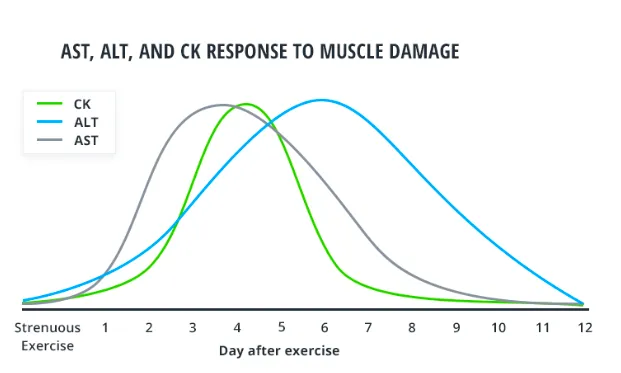
Image Source: entail.insidetracker.com
Decoding the Liver Enzyme Response to Exercise
Liver enzymes are proteins found in liver cells. When liver cells are damaged, these enzymes leak into the bloodstream. Common liver enzymes measured in blood tests include Alanine Aminotransferase (ALT) and Aspartate Aminotransferase (AST). ALT is primarily found in the liver, while AST is present in the liver, heart, muscles, and other tissues. Therefore, elevated AST levels can be a bit more complex to interpret in the context of physical activity.
Why Do Liver Enzymes Rise with Exercise?
The primary reason for exercise transaminase elevation is the stress placed on the body, particularly muscles and liver cells, during physical exertion. This stress can lead to microscopic damage.
- Muscle Damage and AST: During exercise, especially high-intensity or unfamiliar movements, muscle fibers can experience micro-tears. AST, being present in muscles, is released into the bloodstream when these tears occur. This is a significant factor contributing to elevated AST levels post-exercise.
- Liver Cell Stress and ALT: The liver plays a crucial role in metabolism, processing energy substrates like glucose and fats. During exercise, the liver works harder to supply the body with energy. This increased metabolic demand and potential temporary reduction in blood flow to the liver during intense activity can cause mild stress to liver cells, leading to a small release of ALT.
- Oxidative Stress: Exercise, especially prolonged or intense forms, can increase oxidative stress in the body. This can affect cells throughout the body, including liver cells, potentially leading to temporary enzyme release.
- Heat Stress: Significant increases in body temperature during exercise can also contribute to cellular stress and enzyme leakage.
Strenuous Exercise Liver Damage: A Closer Look
While a mild elevation in liver enzymes after exercise is often benign, strenuous exercise liver damage can occur. This usually happens with:
- Extreme Endurance Events: Marathons, ultramarathons, or prolonged, high-intensity cycling can push the body to its limits. The sustained stress on muscles and the potential for reduced blood flow to the liver during such events can lead to more significant increases in both AST and ALT.
- Unaccustomed Intense Exercise: If you suddenly engage in a very intense workout without proper preparation, your body, including your muscles and liver, may experience more pronounced stress, resulting in higher enzyme elevations.
- Dehydration and Heat Exhaustion: Exercising in hot conditions without adequate hydration can exacerbate the stress on the liver and muscles, increasing the risk of notable enzyme elevations.
- Underlying Liver Conditions: Individuals with pre-existing liver conditions might be more susceptible to exercise-induced enzyme elevations.
The Nuance of Athletic Liver Enzymes
For athletes, athletic liver enzymes can present a diagnostic challenge. A slight rise in AST and ALT is common and often not indicative of liver disease. However, it’s crucial to differentiate between this physiological response and actual liver pathology.
- Baseline Testing: Athletes may benefit from establishing baseline liver enzyme levels during periods of rest or light training. This provides a reference point for comparison after intense training or competition.
- Timing of Blood Tests: The timing of blood draws relative to exercise is critical. Enzymes typically peak a few hours to a day or two after strenuous activity and then gradually return to normal levels over several days to a week.
- Other Liver Function Tests: Doctors often order a panel of liver function tests, including bilirubin, albumin, and alkaline phosphatase, in addition to AST and ALT. If only AST and ALT are elevated, and other liver function tests are normal, it further supports an exercise-related cause.
Examining Liver Enzyme Response to Exercise by Activity Type
The liver enzyme response to exercise varies depending on the intensity, duration, and type of activity.
Endurance Training Liver Enzymes
Endurance training liver enzymes are particularly interesting. Long-duration aerobic activities, like running or cycling for hours, can lead to sustained metabolic demands on the liver.
- Glycogen Depletion: As glycogen stores are used up, the liver works harder to convert other substances into glucose to maintain blood sugar levels.
- Hormonal Changes: Endurance exercise triggers various hormonal responses that can influence liver function.
- Mild Elevations Common: Mild to moderate elevations in AST and ALT are commonly observed in endurance athletes, especially after challenging long-distance events.
Moderate Exercise Liver Enzymes
Moderate exercise liver enzymes generally show minimal or no significant elevation.
- Physiological Adaptation: Regular moderate exercise helps improve overall health, including liver health. It can enhance insulin sensitivity and improve lipid metabolism, benefiting the liver.
- No Significant Damage: Moderate activity, such as brisk walking or light jogging, typically does not cause enough cellular stress to lead to substantial enzyme leakage.
- Beneficial for Liver Health: For individuals with no underlying liver issues, moderate exercise is almost always beneficial for liver function.
The Role of Muscle Strain in Liver Enzyme Levels
Muscle strain liver enzymes is a key concept, particularly for AST.
- AST’s Muscle Presence: As mentioned, AST is abundant in skeletal muscle. Therefore, significant muscle damage or inflammation, often referred to as muscle strain, will inevitably lead to a rise in AST.
- DOMS and Enzyme Levels: Delayed Onset Muscle Soreness (DOMS), which occurs 24-72 hours after unaccustomed or intense exercise, is a direct result of microscopic muscle damage. People experiencing DOMS often show higher AST levels.
Understanding Exercise and AST ALT
When interpreting blood test results, it’s crucial to consider the interplay of exercise and AST ALT.
Factors Influencing Exercise-Related Enzyme Elevation
- Fitness Level: Less fit individuals are more prone to enzyme elevation after exercise compared to well-trained athletes, as their muscles and metabolic systems are less adapted.
- Hydration Status: Dehydration can concentrate blood components, potentially leading to higher observed enzyme levels even if actual cellular damage is not significantly greater.
- Medications and Supplements: Certain medications and supplements can affect liver enzymes independently of exercise. It’s vital to inform your doctor about all substances you are taking.
- Alcohol Consumption: Alcohol is a known hepatotoxin. Consuming alcohol before or after exercise can confound results and potentially worsen liver enzyme elevations.
- Illness or Infection: Any concurrent illness or infection can also impact liver enzyme levels.
When to Be Concerned About Elevated Liver Enzymes After Exercise
While temporary increases are normal, there are situations where elevated liver enzymes post-exercise warrant further investigation:
- Persistently High Levels: If liver enzymes remain significantly elevated for more than a week or two after exercise, it may indicate an underlying issue.
- High Magnitude of Elevation: Extremely high levels of AST or ALT (e.g., several times the upper limit of normal) could signal more severe strenuous exercise liver damage or another medical condition.
- Accompanying Symptoms: If elevated liver enzymes are accompanied by symptoms like jaundice (yellowing of skin or eyes), abdominal pain, nausea, fatigue, or dark urine, medical attention is necessary.
- Abnormal Other Liver Function Tests: If other liver function tests (bilirubin, alkaline phosphatase, albumin) are also abnormal, it points away from a simple exercise response and towards a liver pathology.
Interpreting Your Workout Liver Function Results
Interpreting your workout liver function results requires context. A sports medicine physician or your primary care doctor can help you make sense of these numbers.
- Correlation with Activity: Did you just complete a particularly grueling workout? Were you pushing your limits?
- Trend Over Time: Are your enzymes consistently elevated, or is this a one-off occurrence after intense training?
- Overall Health Picture: Are you experiencing any other symptoms? Do you have any pre-existing health conditions?
Managing and Monitoring Liver Enzymes
For most individuals who exercise, managing liver enzymes primarily involves mindful training and awareness.
Strategies to Minimize Exercise-Induced Enzyme Elevation
- Gradual Progression: Increase the intensity and duration of your workouts gradually. Avoid sudden jumps in activity level.
- Adequate Warm-up and Cool-down: Properly prepare your body for exercise and allow it to recover afterward.
- Proper Hydration: Drink enough fluids before, during, and after exercise to prevent dehydration.
- Balanced Nutrition: Ensure your diet is balanced and provides adequate nutrients to support muscle repair and overall bodily function.
- Listen to Your Body: Rest when you are tired and avoid pushing through significant pain.
- Limit Alcohol Intake: Minimize alcohol consumption, especially around periods of intense training.
When to Consult a Healthcare Professional
- Regularly High Enzymes: If your routine blood tests show consistently elevated liver enzymes, even without strenuous exercise.
- Concerns After Intense Exercise: If you are worried about your enzyme levels after a particularly demanding workout.
- Symptoms of Liver Issues: If you experience any symptoms suggestive of liver problems.
- Starting New Exercise Regimen: If you are planning to undertake a very intensive exercise program, discussing baseline liver function with your doctor might be beneficial.
Frequently Asked Questions (FAQ)
Q1: Can a single intense workout raise my liver enzymes?
A1: Yes, a single intense or unaccustomed workout can temporarily raise your liver enzymes, particularly AST, due to muscle micro-damage. ALT may also rise slightly due to liver stress.
Q2: How long do exercise-induced liver enzymes stay elevated?
A2: Typically, exercise-induced liver enzymes (AST and ALT) return to baseline levels within a few days to a week after the strenuous activity ceases.
Q3: Is it normal for marathon runners to have elevated liver enzymes?
A3: Yes, it is quite common for marathon runners and other endurance athletes to experience mild to moderate elevations in liver enzymes, especially AST, after long and demanding races. This is usually a normal physiological response to the significant physical stress.
Q4: If my doctor sees elevated liver enzymes, will they automatically assume it’s from exercise?
A4: No, doctors will consider exercise as a potential factor but will also investigate other possible causes for elevated liver enzymes to rule out underlying liver conditions or other medical issues. They will ask about your activity levels and may repeat tests to see if the levels normalize.
Q5: Can creatine supplements affect my liver enzymes?
A5: While some studies have looked into this, current scientific consensus suggests that creatine, when taken at recommended doses, is generally safe for the liver and kidneys and does not typically cause significant elevations in liver enzymes in healthy individuals. However, it’s always best to discuss any supplements with your healthcare provider.
Q6: What is the difference between AST and ALT elevation due to exercise?
A6: AST elevation is more commonly pronounced after exercise because AST is found in muscle tissue, which experiences micro-damage. ALT elevation is usually less significant as ALT is more concentrated in the liver. A disproportionately high AST compared to ALT often points towards muscle involvement.
Q7: Should I stop exercising if my liver enzymes are slightly elevated?
A7: If the elevation is mild and you have recently engaged in strenuous exercise, and you have no other symptoms, you may not need to stop. However, it’s wise to reduce intensity or take a rest day and consult your doctor for personalized advice, especially if this is a new or recurring issue.
Q8: Are there specific types of exercise that are more likely to cause liver enzyme elevation?
A8: Yes, high-intensity interval training (HIIT), eccentric exercises (movements that lengthen muscles under load, like the lowering phase of a squat), and prolonged endurance events are more likely to cause noticeable elevations in liver enzymes due to the greater muscle and metabolic stress involved.
By staying informed and listening to your body, you can continue to enjoy the benefits of exercise while being mindful of your liver health.