
A Corgi needs about 30-60 minutes of moderate exercise each day. How much exercise your Corgi needs depends on their age, health, and individual personality, but this is a good starting point for keeping these energetic pups happy and healthy.
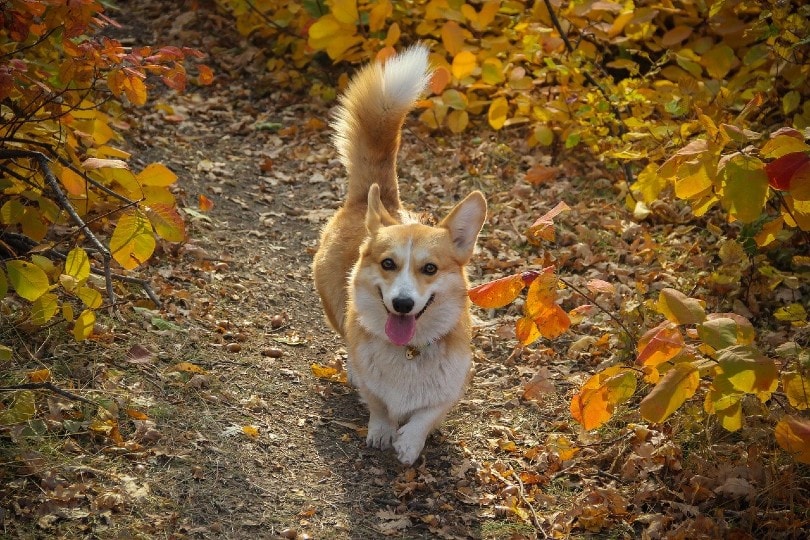
Image Source: www.hepper.com
Grasping Your Corgi’s Activity Level
Corgis, both the Pembroke Welsh and Cardigan Welsh varieties, are known for their spirited personalities and surprisingly robust energy reserves. These charming, low-slung herding dogs were originally bred to drive cattle, a task that required stamina, agility, and a keen mind. Consequently, their Corgi activity level is often higher than their petite stature might suggest. They aren’t couch potatoes; they are active dogs that thrive on engagement and mental challenges.
Pembroke Welsh Corgi Exercise Requirements
Pembroke Welsh Corgis are renowned for their boundless enthusiasm and a zest for life. Their exercise needs are substantial, even though they are small dogs. Think of their short legs and long bodies as efficient machines built for work. They require regular physical activity to prevent boredom and maintain a healthy weight.
- Daily Walks: At least two daily walks for Corgis are essential, ideally lasting 15-30 minutes each. These walks are not just for potty breaks; they are opportunities for exploration, scent work, and burning off energy.
- Playtime: Beyond walks, engaging in active play sessions in a securely fenced yard or a safe indoor space is crucial. Fetch, tug-of-war, and agility games are excellent ways to meet their exercise demands.
- Mental Stimulation: Corgis are intelligent dogs, and their Corgi mental stimulation needs are just as important as their physical needs. Puzzle toys, obedience training, and learning new tricks can keep their minds sharp and prevent destructive behaviors that often stem from a bored Corgi.
Cardigan Welsh Corgi Exercise Needs
Cardigan Welsh Corgis share many similarities with their Pembroke cousins regarding exercise, but they can sometimes be a bit more laid-back, though still requiring significant activity. They also possess a herding instinct and enjoy having a “job” to do.
- Variety in Activity: While daily walks are a must, the Cardigan Welsh Corgi exercise needs can be met with a variety of activities. This could include brisk walks, hiking, swimming (if they enjoy it), and interactive play.
- Socialization: Cardigan Corgis often enjoy canine companionship. Visiting a dog park or arranging playdates can provide both physical and social outlets for them.
- Training and Games: Similar to Pembrokes, Cardigan Corgis benefit greatly from training sessions and engaging games that challenge their intellect. Scent games or simple obedience drills can be very rewarding.
Fathoming Corgi Energy Levels and Intensity
Corgi energy levels are a key factor to consider when planning their daily routine. While they are not typically considered a high-energy breed like a Border Collie or a Jack Russell Terrier, they are far from being a low-energy breed. They fall into a moderate energy category, meaning they need consistent activity to thrive.
Matching Exercise to Your Corgi’s Age and Health
The amount and type of exercise a Corgi needs will change throughout their life and can be influenced by their health status.
Puppyhood (3-12 months)
Corgi puppies are bundles of energy and curiosity. Their exercise should be carefully managed to protect their developing joints and bones.
- Short, Frequent Sessions: Instead of one long walk, opt for several short play sessions throughout the day.
- Gentle Activities: Avoid strenuous activities like jumping from heights or long, intense runs.
- Socialization and Training: Puppy classes are excellent for both exercise and socialization. Basic obedience training also provides mental stimulation.
Adulthood (1-7 years)
This is typically when Corgis are at their peak energy.
- Consistent Routine: Aim for 30-60 minutes of moderate exercise daily. This can be broken down into two or three sessions.
- Variety is Key: Mix up your Corgi’s routine with different types of activities to keep them engaged and prevent boredom.
- Corgi Exercise Intensity: The Corgi exercise intensity should be moderate. This means they should be moving at a pace that gets their heart rate up but doesn’t leave them completely exhausted. You should be able to hold a conversation with them, but they should be breathing a bit heavier than usual.
Senior Years (7+ years)
As Corgis age, their energy levels naturally decline, and they may develop health issues like arthritis.
- Shorter, Gentler Walks: Reduce the duration and intensity of walks. Focus on consistency rather than duration.
- Low-Impact Activities: Swimming or gentle strolls are ideal.
- Mindful of Health: Pay close attention to any signs of fatigue or discomfort. Consult your veterinarian about appropriate exercise levels for senior Corgis.
Corgi Lifespan and Exercise
The connection between Corgi lifespan and exercise is significant. Regular, appropriate exercise is a cornerstone of maintaining a Corgi’s health and can contribute to a longer, happier life.
- Weight Management: Corgis are prone to obesity, which can lead to numerous health problems, including hip dysplasia, intervertebral disc disease (IVDD), and heart issues. Consistent exercise helps manage their weight effectively.
- Joint Health: While Corgis have a predisposition to back problems, appropriate exercise can strengthen the muscles that support their spine and joints, potentially reducing the risk or severity of these issues. Low-impact exercises are particularly beneficial.
- Cardiovascular Health: Like all dogs, Corgis benefit from cardiovascular exercise, which strengthens their heart and improves circulation.
- Mental Well-being: A well-exercised Corgi is a happier Corgi. Exercise helps reduce anxiety, stress, and the likelihood of developing behavioral problems.
Designing Your Corgi’s Daily Exercise Plan
Creating an effective exercise plan for your Corgi involves more than just a daily walk. It’s about providing a holistic approach that caters to their physical and mental needs.
Essential Components of a Corgi’s Exercise Routine
A well-rounded routine for your Corgi should incorporate a mix of activities:
- Daily Walks: As mentioned, these are non-negotiable. Aim for at least 30 minutes of walking time each day.
- Active Play: This could be a game of fetch in the park, a vigorous session of tug-of-war at home, or chasing a flirt pole.
- Mental Challenges: Puzzle feeders, training sessions, and interactive toys keep their minds engaged.
- Agility and Tricks: Corgis are often surprisingly agile and eager to please, making them excellent candidates for learning tricks or participating in beginner agility activities.
Sample Daily Exercise Schedules
Here are a couple of sample schedules to give you an idea of how to structure your Corgi’s day. Remember to adjust these based on your Corgi’s individual needs and your own availability.
Sample Schedule 1 (Moderate Energy Corgi)
| Time | Activity | Duration | Notes |
|---|---|---|---|
| Morning | Brisk Walk | 20 minutes | Focus on sniffing and exploring. |
| Mid-day | Indoor Play / Puzzle Toy | 15 minutes | Mental stimulation break. |
| Afternoon | Fetch or Tug-of-War | 15 minutes | Energetic play session. |
| Evening | Leisurely Walk / Training | 15 minutes | Gentle stroll and practice commands. |
Sample Schedule 2 (Higher Energy Corgi)
| Time | Activity | Duration | Notes |
|---|---|---|---|
| Morning | Longer, Faster Walk | 30 minutes | Maintain a good pace. |
| Mid-day | Agility Practice or Trick Training | 20 minutes | Focus on new skills or physical challenges. |
| Afternoon | Park Visit / Social Play | 30 minutes | Allow for running and interaction with other dogs. |
| Evening | Short walk and puzzle feeder | 15 minutes | Wind down with a calm activity. |
Tips for Optimizing Corgi Exercise
- Consistency: Regular exercise is more important than occasional intense bursts.
- Variety: Keep things interesting by changing walking routes, introducing new games, and exploring different environments.
- Weather Awareness: Adjust exercise intensity and duration based on weather conditions. Avoid extreme heat or cold.
- Hydration: Always carry water for your Corgi, especially on longer outings.
- Listen to Your Corgi: Pay attention to their body language and energy levels. Don’t push them too hard.
Interpreting Your Corgi’s Exercise Signals
Knowing when your Corgi has had enough exercise is as important as knowing how much they need. Paying attention to their cues will help prevent overexertion and ensure their well-being.
Signs of Overexercising a Corgi
Overexercising can be detrimental to your Corgi’s health, especially given their predisposition to back issues.
- Excessive Panting: While panting is normal after exercise, prolonged, heavy panting long after the activity has stopped can be a sign of overexertion.
- Lethargy and Weakness: A Corgi that suddenly becomes very tired, sluggish, or weak after exercise may have pushed too hard.
- Limping or Stiffness: If your Corgi starts limping or shows increased stiffness, especially in their hindquarters, it’s a sign they might be experiencing pain or fatigue.
- Reluctance to Move: If your Corgi suddenly becomes unwilling to continue an activity they normally enjoy, it’s a clear signal to stop.
- Drooling or Panting Heavily in Heat: Overheating is a serious risk, and excessive drooling and heavy panting in warm weather indicate they are struggling to regulate their body temperature.
- Vomiting or Diarrhea: In severe cases, overexertion can lead to gastrointestinal upset.
Recognizing Sufficient Exercise
Conversely, a well-exercised Corgi will typically display positive signs:
- Happy and Relaxed Demeanor: They will be content and settled after their exercise, not restless or anxious.
- Good Appetite: They will eat their meals with enthusiasm.
- Healthy Sleep Patterns: They will sleep soundly through the night and take naps during the day without restlessness.
- Alert and Engaged: They will remain responsive and interested in their surroundings.
The Profound Benefits of Corgi Exercise
The effort invested in exercising your Corgi yields significant rewards, contributing to their overall health, happiness, and longevity. The benefits of Corgi exercise are multifaceted and impactful.
Physical Health Advantages
- Weight Management: As previously discussed, regular physical activity is crucial for preventing obesity in Corgis. Maintaining a healthy weight reduces the strain on their spine and joints, lowering the risk of conditions like hip dysplasia and IVDD.
- Musculoskeletal Strength: Exercise helps build and maintain strong muscles, particularly around the spine and legs. This provides better support for their unique body structure, potentially reducing the incidence and severity of back problems.
- Cardiovascular Fitness: Consistent aerobic activity strengthens the heart and lungs, improving circulation and overall stamina. This contributes to a longer, healthier life.
- Joint Mobility: Low-impact exercises like swimming or controlled walks can help keep their joints lubricated and flexible, reducing the risk of arthritis and associated pain.
Mental and Emotional Well-being
- Reduced Boredom and Destructive Behavior: A Corgi that expends energy physically is less likely to channel that energy into destructive behaviors like chewing, digging, or excessive barking, which often stem from pent-up frustration or boredom.
- Improved Cognitive Function: Engaging in training, puzzle toys, and new experiences during walks stimulates their minds, keeping them sharp and responsive. This is crucial for Corgi mental stimulation.
- Stress and Anxiety Reduction: Physical activity is a natural stress reliever for dogs. A good exercise session can help a Corgi relax and feel more content.
- Enhanced Social Skills: If exercise involves interaction with other dogs or people, it provides valuable opportunities for socialization, leading to a more well-adjusted and confident pet.
Strengthening the Human-Animal Bond
- Shared Activities: Exercising together creates opportunities for bonding and strengthens the relationship between you and your Corgi.
- Improved Communication: By observing your Corgi during exercise, you can learn to better interpret their signals and needs.
- Positive Reinforcement: Training and play sessions during exercise provide opportunities for positive reinforcement, building trust and mutual respect.
Addressing Specific Corgi Exercise Concerns
When exercising your Corgi, there are a few common considerations to keep in mind to ensure their safety and enjoyment.
Corgi and Heat Sensitivity
Corgis, with their dense coats and short muzzles, can be prone to overheating.
- Avoid Peak Heat: Schedule outdoor activities for the cooler parts of the day, early morning or late evening, during warmer months.
- Provide Shade and Water: Always ensure access to fresh water and shaded resting spots.
- Limit Intensity: Reduce the intensity and duration of exercise when temperatures are high.
- Watch for Signs: Be vigilant for signs of heatstroke, such as excessive panting, drooling, lethargy, or vomiting.
Back Health and Exercise
The long backs and short legs of Corgis make them susceptible to spinal issues like Intervertebral Disc Disease (IVDD). While exercise is crucial, the type and intensity matter.
- Avoid High-Impact Jumps: Discourage jumping off high surfaces or engaging in activities that involve excessive jumping.
- Supportive Harnesses: Consider a supportive harness that can help lift their hindquarters if they are prone to back issues, especially during longer walks.
- Maintain a Healthy Weight: This is arguably the most crucial factor in protecting their spine.
- Consult Your Vet: If you have concerns about your Corgi’s back health, discuss appropriate exercise regimens with your veterinarian. They may recommend specific exercises or activities to strengthen their core muscles.
Corgi Mental Stimulation Needs
As intelligent herding dogs, Corgis need more than just physical exertion. They require mental engagement to prevent boredom and maintain cognitive health.
- Puzzle Toys: Food-dispensing toys and interactive puzzles can keep them occupied and challenged.
- Training Sessions: Regular training, even short sessions of 5-10 minutes, keeps their minds active and reinforces good behavior.
- Scent Games: Hiding treats or toys and encouraging your Corgi to find them taps into their natural scenting abilities.
- New Environments: Exploring new places on walks provides novel sensory experiences and challenges their problem-solving skills.
Frequently Asked Questions about Corgi Exercise
Q1: How much exercise does a young Corgi puppy need?
A young Corgi puppy needs short, frequent play sessions throughout the day. A general guideline is 5 minutes of structured exercise per month of age, twice a day. So, a 3-month-old puppy might get two 15-minute sessions. Always supervise and avoid strenuous activities that could harm their developing joints.
Q2: Can my Corgi get enough exercise indoors?
While indoor play is beneficial, especially on bad weather days, it’s generally not sufficient to meet a Corgi’s full exercise needs. Indoor activities lack the varied sensory input and physical demands of outdoor walks and play. Aim for at least one outdoor session per day.
Q3: Is it okay for my Corgi to run with me?
It depends on your Corgi’s age, fitness level, and your running style. Generally, Corgis are not built for long-distance running. Short, brisk jogs on a soft surface might be manageable for a healthy adult, but always monitor them closely for signs of fatigue and heatstroke. Consult your vet before starting any rigorous running program.
Q4: How can I tell if my Corgi is getting enough exercise?
A well-exercised Corgi will typically be calm and relaxed at home, have a good appetite, sleep soundly, and maintain a healthy weight. If your Corgi is restless, destructive, or constantly seeking attention, they might not be getting enough physical or mental stimulation.
Q5: What are the signs of an overweight Corgi?
You should be able to feel your Corgi’s ribs easily under a thin layer of fat. They should have a visible waist when viewed from above and an “tucked up” appearance of their abdomen when viewed from the side. Overweight Corgis may be lethargic, have difficulty with stairs, and be more prone to breathing issues.
Q6: Should I exercise my Corgi on pavement?
Pavement can be hard on a Corgi’s joints, especially with their short legs. Whenever possible, opt for softer surfaces like grass, dirt trails, or sand. If you must walk on pavement, keep the duration shorter and ensure they have proper paw protection if the surface is very hot.
By providing your Corgi with consistent, appropriate exercise, you are investing in their long-term health and happiness, ensuring they live a full and vibrant life by your side.