
Can you get sweat smell out of gym clothes? Absolutely! With the right approach, you can banish that persistent smell and keep your workout gear fresh. This guide dives deep into effective methods for odor removal from your workout clothes, covering everything from everyday laundry hacks to tackling stubborn odors in athletic apparel.
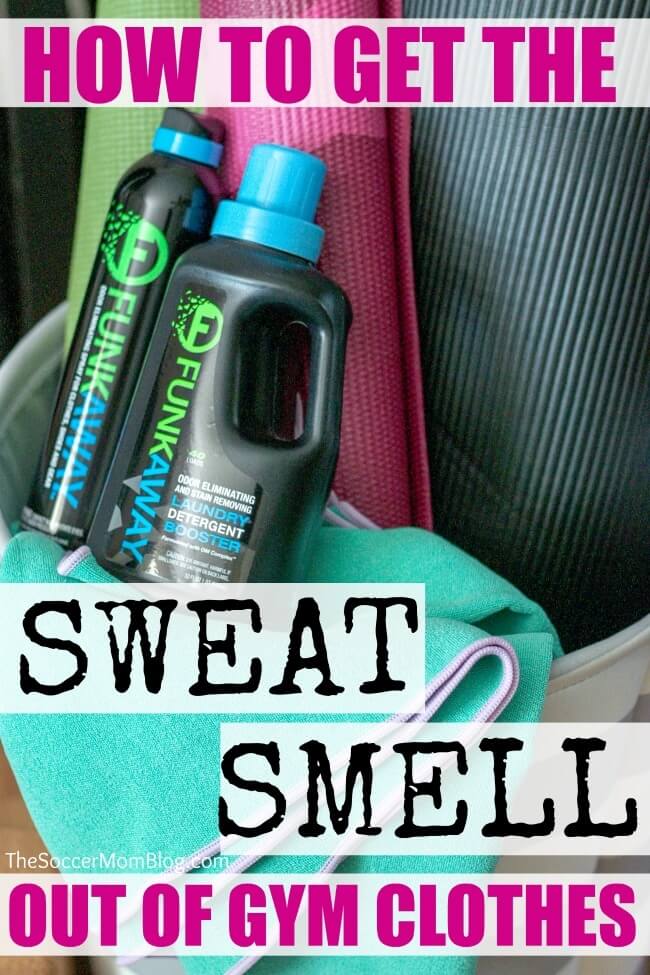
Image Source: thesoccermomblog.com
The Science Behind Gym Clothes Odor
Why do gym clothes smell so strongly? It’s a common problem, and it’s all thanks to bacteria. When you sweat, your body releases moisture and nutrients that bacteria love. These bacteria feed on the sweat and dead skin cells trapped in your workout clothes, and as a byproduct, they release smelly compounds. Synthetic fabrics often used in athletic apparel, like polyester and nylon, can be particularly prone to trapping these odors because they don’t breathe as well as natural fibers and can hold onto moisture and bacteria. This creates a perfect breeding ground for that unpleasant gym-bag aroma.
Common Mistakes When Washing Gym Clothes
Many people make simple mistakes that prevent their workout clothes from getting truly clean and fresh. Overloading the washing machine is a big one. When machines are too full, clothes can’t move freely, and water and detergent can’t reach all the fabric surfaces effectively. This means sweat and bacteria may not be washed away completely, leading to that persistent smell. Using too little detergent is another common error. If you don’t use enough, the detergent won’t be able to break down the oils and bacteria that cause odor. Conversely, using too much detergent can leave residue on the fabric, which can actually trap odors and make them worse over time. Fabric softeners are also a culprit. While they make clothes feel soft, they can coat synthetic fibers, preventing moisture wicking and trapping smells.
Pre-Treatment: Your First Line of Defense
Before even tossing your athletic apparel into the wash, a little pre-treatment can make a huge difference in odor removal.
Soaking for Stubborn Smells
For seriously stinky gear, a soak is your best friend. This allows cleaning agents to penetrate the fabric and break down odor-causing bacteria.
- White Vinegar Soak: Mix one part white vinegar with four parts cool water in a basin or sink. Submerge your gym clothes and let them soak for at least 30 minutes, or even a few hours for very tough odors. Vinegar is a natural disinfectant and deodorizer.
- Baking Soda Soak: Dissolve about half a cup of baking soda in a gallon of cool water. Soak your workout clothes for a few hours or overnight. Baking soda is excellent at neutralizing acidic odors.
- Enzyme Cleaner Soak: Specialized enzyme cleaners are designed to break down organic matter, including the bacteria that cause sweat odor. Follow the product instructions for dilution and soaking time.
Spot Treatment for Targeted Odor Removal
Sometimes, only certain areas of your athletic apparel are particularly offensive. Focus your efforts there.
- Paste of Baking Soda and Water: Mix baking soda with a little water to create a thick paste. Apply it directly to the underarm areas or other smelly spots. Let it sit for at least 15-20 minutes before washing.
- Lemon Juice: For a natural fabric refresh, dab some fresh lemon juice onto particularly odorous areas. The citric acid can help break down odor compounds. Be sure to rinse thoroughly, as lemon juice can sometimes cause discoloration in direct sunlight.
Washing Your Gym Clothes: The Right Way
The actual washing process is crucial for effective odor removal. Here’s how to do it right.
Choosing the Right Detergent
Not all detergents are created equal when it comes to tackling gym clothes.
- Enzyme-Based Detergents: Look for detergents specifically formulated with enzymes. These enzymes are designed to break down proteins and other organic matter that contribute to smells.
- Detergents for Activewear: Many brands now offer detergents tailored for athletic apparel. These often contain special ingredients to combat odor and maintain the fabric’s performance properties.
- Avoid Fabric Softeners and Bleach: As mentioned, fabric softeners can clog synthetic fibers. Chlorine bleach can damage some performance fabrics and can actually react with sweat to create yellow stains. If you need a disinfectant, consider oxygen bleach or vinegar.
Water Temperature and Cycle Settings
The water temperature and cycle you choose play a significant role.
- Cold or Warm Water: While hot water might seem like the best for cleaning, it can actually damage some technical fabrics used in athletic apparel, reducing their moisture-wicking capabilities. Cold or warm water is generally recommended. If you are concerned about persistent smell, using warm water might be more effective, but always check the care label.
- Gentle or Permanent Press Cycle: These cycles are typically gentler on fabrics, preventing excessive wear and tear, which can sometimes worsen odor retention.
Detergent Dosage: Less Can Be More (or Not Enough!)
Getting the detergent amount right is key.
- Follow Detergent Instructions: Always start by following the dosage instructions on your detergent bottle.
- Consider Load Size: If you have a large load, you might need slightly more detergent. If you have a small load, use less.
- Extra Rinse Cycle: For loads of workout clothes, using an extra rinse cycle can help ensure all detergent and dissolved grime is washed away, preventing residue buildup that can trap odors.
Natural Solutions and Home Remedies for Odor Removal
If you prefer to avoid commercial products or need some extra help, several home remedies and natural solutions can be incredibly effective for odor removal.
Baking Soda: The Odor Neutralizer
Baking soda is a powerhouse for odor removal.
- Directly in the Wash: Add about half a cup of baking soda directly into the washing machine drum with your workout clothes. This helps buffer the water and neutralize odors.
- Pre-Soak (as mentioned above): A baking soda soak is excellent for initial odor removal.
White Vinegar: The Natural Disinfectant
White vinegar is another staple in natural cleaning.
- In the Rinse Cycle: Add about half a cup to a full cup of white vinegar to your washing machine’s fabric softener dispenser or directly into the drum during the rinse cycle. This helps rinse away detergent residue and neutralize lingering odors.
- Pre-Soak (as mentioned above): Vinegar soaks are fantastic for breaking down bacteria.
Lemon Juice: A Fresh Scent Booster
Lemon juice can add a fresh scent and help with odor.
- Spot Treatment: As a stain treatment and deodorizer on specific spots.
- In the Wash: A small amount (a few tablespoons) can be added to the wash for a natural boost, but be cautious of potential bleaching effects on colored items if used in excess or if exposed to sun.
Borax: A Powerful Booster
Borax is a mineral that can boost your detergent’s cleaning power.
- Add to Wash: Add about half a cup of Borax to your wash along with your regular detergent. It helps soften water and enhance the detergent’s ability to break down grime and odors.
Advanced Techniques for Deep Cleaning Athletic Apparel
When even regular washing isn’t cutting it, it’s time for deep cleaning. This is especially important for athletic apparel that has been subjected to intense workouts and prolonged periods of sweat.
The Hot Water Soak (with caution!)
For very durable synthetic fabrics that can tolerate it, a hot water soak can be effective.
- Test First: Always check the garment’s care label. Some synthetics can shrink or lose their elasticity in hot water.
- Procedure: Mix a mild detergent or a scoop of Borax with hot water (around 140°F / 60°C) in a clean bucket or sink. Submerge your workout clothes and let them soak for at least an hour. Then, wash as usual.
Using Specialized Sport Washes
There are many commercially available sport washes designed specifically for athletic apparel. These often contain advanced formulas that target odor molecules without damaging technical fabrics.
- Follow Product Instructions: Each product will have specific usage guidelines.
- Benefits: They are formulated to maintain fabric breathability and moisture-wicking properties, ensuring your workout clothes perform as intended.
The Sun’s Natural Deodorizing Power
After washing, air-drying your clothes in direct sunlight can also help. Sunlight is a natural disinfectant and can help kill bacteria and eliminate odors.
Drying Your Gym Clothes: The Do’s and Don’ts
How you dry your athletic apparel is just as important as washing it.
Air Drying is Best
- Avoid High Heat: High heat in a dryer can damage synthetic fibers, reduce elasticity, and even set in any remaining odors.
- Hang Them Up: Hang your gym clothes on a clothesline or drying rack. Ensure good air circulation.
Dryer Sheets and Their Impact
- Avoid Dryer Sheets: Just like liquid fabric softeners, dryer sheets can coat synthetic fibers, hindering breathability and trapping odors.
Maintaining Freshness: Prevention is Key
The best way to deal with smelly gym clothes is to prevent the smell from setting in the first place.
Immediate Action After Your Workout
- Don’t Leave Them in Your Gym Bag: This is a breeding ground for bacteria. As soon as possible after your workout, take your workout clothes out of your gym bag.
- Hang Them to Air Out: Hang damp athletic apparel on a drying rack or clothes hanger to allow them to air out before washing. This significantly reduces the time bacteria have to multiply.
Proper Storage of Clean Gym Clothes
- Ensure They are Completely Dry: Never store damp workout clothes.
- Good Ventilation: Store clean gym clothes in a well-ventilated area. Avoid plastic containers that can trap moisture.
Troubleshooting Persistent Odors
Sometimes, despite your best efforts, a persistent smell remains. Here are some troubleshooting tips.
Repeat the Process
If the smell is still there after one wash, don’t despair. Sometimes, a second round of pre-soaking and washing is necessary, especially for older or heavily soiled items.
Check Your Washing Machine
Your washing machine itself can harbor odors and bacteria.
- Clean Your Machine: Run an empty hot water cycle with vinegar or a washing machine cleaner. Leave the door open to dry completely.
- Clean the Drum and Gasket: Wipe down the drum and the rubber gasket around the door, as these areas can collect lint, moisture, and bacteria.
Inspect Fabric Care Labels
Always double-check the care labels on your athletic apparel. Some delicate performance fabrics might require specific washing methods or may not tolerate certain home remedies.
Fabric Types and Their Odor Challenges
Different fabric types present unique challenges when it comes to odor removal and fabric refresh.
| Fabric Type | Characteristics | Odor Challenges | Recommended Treatments |
|---|---|---|---|
| Polyester | Durable, moisture-wicking, but can trap odors. | Bacteria thrive, leading to a persistent smell. | Enzyme detergents, vinegar soaks, baking soda. Avoid fabric softeners. |
| Nylon | Strong, elastic, often used in compression wear. Can also trap odors. | Similar to polyester, holds onto sweat and bacteria. | Similar to polyester – enzyme detergents and natural deodorizers are effective. |
| Spandex/Elastane | Adds stretch and flexibility. Sensitive to heat. | Can degrade with high heat, potentially worsening odor retention. | Wash in cool water, air dry. Avoid high heat and harsh chemicals. Vinegar can help with odor. |
| Cotton | Breathable, absorbent. Can hold onto moisture, leading to mildew-like odors if not dried properly. | Can develop a musty smell if left damp. Less prone to bacterial odor build-up than synthetics if washed correctly. | Can handle warmer water. Baking soda and vinegar are good for freshness. Ensure thorough drying. |
| Merino Wool | Natural fiber, naturally antimicrobial and odor-resistant. | Generally resistant to odor. If it does smell, it’s usually due to improper washing or prolonged dampness. | Wash with mild detergent, cool water. Air dry. Avoid harsh chemicals and high heat. |
| Blends | Combination of fibers, properties vary based on the mix. | Can inherit challenges from each fiber type. | Check care labels. Generally, gentle washing and odor-neutralizing treatments are safe. |
FAQs about Gym Clothes Odor Removal
Here are some answers to commonly asked questions about keeping your workout clothes fresh.
Q1: Can I use bleach on my gym clothes?
A1: It’s generally not recommended to use chlorine bleach on athletic apparel, especially synthetics. Bleach can damage the fibers, degrade elasticity, and sometimes react with sweat to create yellow stains. Oxygen bleach can be a safer alternative for whitening and brightening if needed, but always test on an inconspicuous area first.
Q2: How often should I wash my gym clothes?
A2: Ideally, workout clothes should be washed after every wear. If immediate washing isn’t possible, at least hang them out to air dry to prevent bacteria growth before they go into the hamper.
Q3: My gym clothes still smell after washing. What else can I do?
A3: If a persistent smell remains, try a deep cleaning method. This might involve a longer pre-soak with vinegar or baking soda, using a specialized sport wash, or ensuring your washing machine is clean. Repeating the wash cycle can also help.
Q4: Is it okay to wash gym clothes with other laundry?
A4: While you can wash them with other synthetics or similar colors, it’s best to wash your heavily soiled workout clothes separately, especially if they have a strong odor, to prevent the smell from transferring to other items.
Q5: How can I remove sweat stains from my gym clothes?
A5: For sweat stains, try a stain treatment before washing. A paste of baking soda and water, or a solution of equal parts hydrogen peroxide and water (test for colorfastness first), can be effective. Let the treatment sit for 15-30 minutes before washing.
By implementing these effective strategies, you can ensure your workout clothes are not only clean but also free from that unwelcome sweat smell, giving you confidence and comfort during every workout.