
Do you struggle to find the motivation to go to the gym? Yes, it’s possible to overcome gym reluctance and build consistent gym habits that lead to achieving your fitness goals. This article will provide you with practical strategies and a deep dive into the psychology behind staying committed to fitness, helping you find lasting workout inspiration.
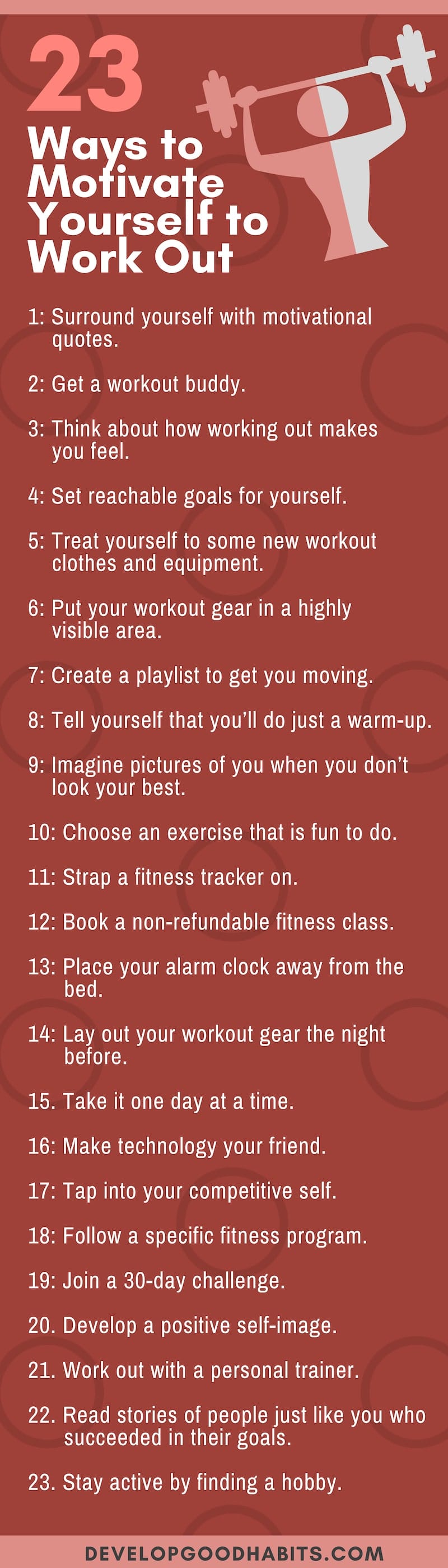
Image Source: www.developgoodhabits.com
Finding Your Inner Drive: The Core of Fitness Motivation
Many people ask, “How do I find the motivation to go to the gym?” The answer lies not in waiting for inspiration to strike, but in cultivating a mindset that prioritizes your well-being and creates intrinsic drive. Fitness motivation isn’t a fleeting emotion; it’s a cultivated habit. It’s about more than just the physical act of exercising; it’s about the mental game, the self-discipline for workouts, and the gradual building of workout momentum.
Setting the Stage for Success: The Power of Purpose
Before you even think about lacing up your sneakers, the most crucial step is defining why you want to go to the gym. What are your deepest reasons? Are you aiming for better health, increased energy, weight management, stress relief, or simply a stronger, more capable body? Your “why” is your anchor when motivation wanes.
Crafting Your Personal “Why”
To make your “why” powerful, make it personal and specific. Instead of a vague desire to “get fit,” try:
- Health-focused: “I want to have enough energy to play with my grandchildren without getting winded.”
- Mental well-being: “I need to reduce my stress levels and improve my mood through regular exercise.”
- Strength and capability: “I want to be able to lift heavy groceries without strain and feel strong in my daily life.”
- Longevity: “I am committed to exercising to increase my lifespan and quality of life as I age.”
Write down your reasons. Keep them visible – on your fridge, as your phone wallpaper, or in a journal. Revisit them often, especially on days when you feel less inclined to exercise.
The Psychology of Starting: Overcoming the Initial Hurdle
The hardest part of any exercise routine is often simply starting. This is where understanding the psychology behind overcoming gym reluctance is key. Our brains often resist change and effort, especially when we’re comfortable.
The “Just Start” Principle
The simplest yet most effective strategy is the “just start” principle. Commit to just five minutes. That’s it. Five minutes of walking, five minutes of stretching, five minutes of light lifting. More often than not, once you’ve started, you’ll find the momentum to continue. This is about building workout momentum, one small step at a time.
The Power of Habit Stacking
Habit stacking involves linking a new desired habit (going to the gym) to an existing habit. For example:
- “After I brush my teeth in the morning, I will put on my workout clothes.”
- “After I finish my first cup of coffee, I will pack my gym bag.”
- “As soon as I get home from work, I will immediately change into my workout clothes.”
This makes the transition smoother and less reliant on conscious decision-making, which is often where motivation falters.
Strategies to Boost Your Workout Inspiration and Build Gym Habits
Once you have your “why” and are ready to tackle the initial hurdle, it’s time to implement strategies that foster consistent gym habits and keep your workout inspiration high.
Planning Your Attack: Scheduling Your Workouts
Treat your gym sessions like any other important appointment. Don’t leave them to chance.
The Importance of a Schedule
- Consistency: A schedule ensures you allocate time for exercise, rather than squeezing it in if you have time (which you rarely will).
- Accountability: When your workout is in your calendar, it becomes a commitment.
- Routine Building: Regularity is the bedrock of building gym habits.
Creating Your Workout Schedule
- Identify Your Best Times: Are you a morning person? Do you prefer an afternoon sweat session? Experiment to find when you feel most energized and least likely to skip.
- Be Realistic: Don’t overschedule yourself. Start with 2-3 days a week and gradually increase if desired.
- Buffer Time: Account for travel to and from the gym, changing, and any post-workout cool-down or shower.
Making the Gym Appealing: Enhancing Your Experience
The gym doesn’t have to be a chore. Making it an enjoyable part of your day can significantly boost your fitness motivation.
Curating Your Gym Bag
- Comfortable Attire: Wear clothes that make you feel good and allow for movement.
- Good Footwear: Proper shoes are essential for comfort and injury prevention.
- Hydration: Always bring a water bottle.
- Entertainment: Load your phone with your favorite podcasts, music playlists, or audiobooks.
Creating the Perfect Atmosphere
- Music is Key: Craft playlists that energize you. Mix in upbeat tracks for cardio and more focused music for strength training.
- Podcasts and Audiobooks: Use your gym time for learning or entertainment. This can make the time fly by.
- Visualize Success: Before you go, imagine yourself crushing your workout and feeling great afterward.
Variety is the Spice of Sweat: Keeping Things Fresh
Monotony is a major killer of motivation. Introducing variety into your exercise routine is crucial for staying engaged and making progress.
Exploring Different Workout Styles
- Strength Training: Free weights, machines, bodyweight exercises.
- Cardiovascular Exercise: Running, cycling, rowing, elliptical, swimming.
- Flexibility and Mobility: Yoga, Pilates, stretching.
- Group Fitness Classes: Zumba, spinning, HIIT, circuit training.
Sample Weekly Schedule Idea (Beginner Focus)
| Day | Activity | Focus | Notes |
|---|---|---|---|
| Monday | Full Body Strength Training | Major muscle groups, compound lifts | Focus on form over weight |
| Tuesday | Cardio | Moderate intensity | Brisk walk, cycling, or elliptical |
| Wednesday | Rest or Active Recovery | Light stretching, foam rolling | Focus on muscle recovery |
| Thursday | Full Body Strength Training | Different exercises or variations | Try dumbbell rows instead of machine rows |
| Friday | Cardio | Interval training (HIIT) | Short bursts of high intensity, then rest |
| Saturday | Flexibility/Mobility | Yoga or stretching | Improve range of motion, reduce stiffness |
| Sunday | Rest | Complete rest or very light activity | Allow the body to fully recover and rebuild |
This is just a template. Adjust it based on your preferences and how your body feels. The goal is to discover what you enjoy, fostering finding joy in exercise.
Accountability Partners and Social Support
You don’t have to do this alone. Enlisting the help of others can be a powerful tool for staying committed.
The Buddy System
- Mutual Motivation: Having a workout buddy can push you to show up, even when you don’t feel like it.
- Shared Experience: Working out with a friend can make it more fun and less intimidating.
- Accountability: You’re less likely to skip a session if someone is waiting for you.
Group Fitness Classes
- Structured Workouts: Classes provide a plan and a trainer to guide you.
- Energy of the Group: The collective energy can be incredibly motivating.
- Variety: Classes offer a diverse range of activities, preventing boredom.
Building Self-Discipline for Workouts and Sustaining Momentum
Motivation is a spark, but self-discipline is the sustained flame that keeps you going. Cultivating self-discipline for workouts is key to achieving your fitness goals.
The Role of Mindset in Staying Committed
Your mindset plays a huge role in staying committed to fitness. Focus on progress, not perfection.
Embracing Imperfection
- Bad Days Happen: You will have days where your workout isn’t your best. That’s okay. Don’t let it derail your entire journey.
- Focus on Completion: The act of showing up and doing something is a win.
- Learn and Adapt: If an exercise feels too hard or too easy, adjust it.
Celebrating Small Wins
Recognize and celebrate your achievements, no matter how small. Did you go to the gym three times this week? That’s fantastic! Did you increase your weight by a small amount? Great job! These small wins build confidence and reinforce positive behavior, contributing to building workout momentum.
Overcoming Common Obstacles
We all face challenges. Knowing how to anticipate and tackle them is vital for long-term success.
Battling the “I’m Too Tired” Excuse
- Pre-Workout Ritual: Have a small, healthy snack an hour before your workout to boost energy.
- Hydration: Dehydration can cause fatigue.
- The Paradox of Exercise: Often, exercising actually increases your energy levels. Push through that initial feeling of tiredness.
Dealing with Time Constraints
- High-Intensity Interval Training (HIIT): HIIT workouts are short but highly effective.
- Efficiency: Focus on compound exercises that work multiple muscle groups at once.
- Short, Frequent Sessions: Even 20-30 minutes of focused exercise can be beneficial.
Responding to Lack of Results
- Patience: Results take time. Don’t get discouraged if you don’t see drastic changes immediately.
- Nutrition: Ensure your diet supports your fitness goals.
- Adjust Your Routine: If you’re not seeing results, you might need to change your exercise routine or intensity.
Finding Joy in Exercise and Achieving Your Fitness Goals
Ultimately, finding joy in exercise is the secret sauce for long-term success. When you genuinely enjoy what you’re doing, staying committed becomes less of a struggle and more of a pleasure.
Reconnecting with Your Body
Exercise is not just about external changes; it’s about how you feel internally.
- Increased Energy: You’ll notice more stamina throughout the day.
- Improved Mood: Exercise releases endorphins, natural mood boosters.
- Better Sleep: Regular physical activity can improve sleep quality.
- Enhanced Confidence: As you get stronger and fitter, your self-esteem will grow.
The Long Game: Achieving Sustainable Fitness
Achieving fitness goals is a marathon, not a sprint. It’s about building sustainable habits and creating a lifestyle that incorporates movement.
Progressive Overload
To keep seeing results, you need to gradually challenge your body. This can mean:
- Increasing the weight you lift.
- Doing more repetitions or sets.
- Reducing rest times between sets.
- Increasing the duration or intensity of cardio.
Listening to Your Body
While pushing yourself is important, so is listening to your body. Rest and recovery are just as crucial as the workouts themselves. Overtraining can lead to injury and burnout, setting you back.
Tracking Your Progress and Staying Motivated
Seeing how far you’ve come can be a powerful motivator.
Methods for Tracking
- Workout Journal: Record exercises, sets, reps, weight, and how you felt.
- Fitness Apps: Many apps allow you to track workouts, progress, and personal bests.
- Body Measurements: Track weight, body fat percentage, or circumference measurements (e.g., waist, arms).
- Performance Metrics: Note improvements in running times, lifting personal bests, or completing more reps.
Using Progress as Fuel
When you review your progress, focus on the positive changes. Did you lift more than last month? Can you run for longer? These tangible improvements are evidence of your hard work and can reignite your motivation when it starts to dip.
Frequently Asked Questions (FAQ)
Q1: How often should I go to the gym?
A1: For most people, aiming for 3-5 days a week is a good starting point. The ideal frequency depends on your fitness level, goals, and how your body recovers.
Q2: What if I feel intimidated by the gym?
A2: Start during off-peak hours. Focus on learning a few basic exercises with proper form. Consider hiring a trainer for a few sessions to build confidence. Remember, everyone starts somewhere!
Q3: How long does it take to see results from going to the gym?
A3: You’ll likely feel stronger and have more energy within a few weeks. Visible changes typically start to appear within 4-8 weeks of consistent effort, depending on your starting point and adherence to your routine and diet.
Q4: I have a busy schedule. How can I fit in gym time?
A4: Prioritize your workouts by scheduling them. Look for opportunities for shorter, more intense workouts like HIIT. Prepare your gym bag the night before to save time.
Q5: What’s the best way to stay motivated long-term?
A5: Focus on building consistent habits, finding joy in exercise, setting realistic goals, tracking your progress, and having a strong “why.” Don’t be afraid to adjust your routine or seek support when needed.
By implementing these strategies, you can move from overcoming gym reluctance to enthusiastically embracing an exercise routine. Remember, building workout momentum and staying committed to fitness is a journey. Celebrate your successes, learn from your challenges, and keep moving forward to achieve your fitness goals.