
So, you want to open your own gym? It’s a great goal! You can certainly start your own gym by creating a solid business plan, securing funding, finding a location, obtaining equipment, and developing a marketing and sales strategy. This guide will walk you through each step, providing the knowledge and tools you need for success.
Starting a gym is an exciting venture, but it requires careful planning and execution. This comprehensive guide will cover everything you need to know, from the initial idea to building a thriving fitness community.
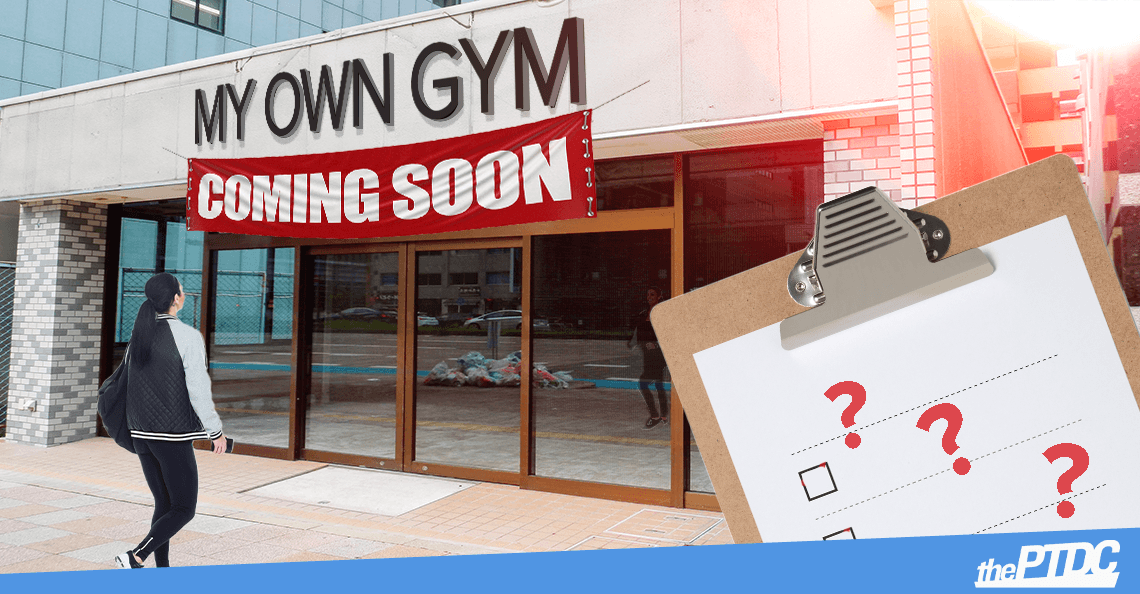
Image Source: www.theptdc.com
Laying the Foundation: Your Gym Business Plan
A robust gym business plan is the bedrock of your entire operation. It’s not just a document; it’s your roadmap. This plan will help you clarify your vision, attract investors, and guide your decisions.
Defining Your Niche
What kind of gym will you be? Specializing can help you stand out. Consider these options:
- General Fitness Gym: Offers a wide range of equipment and classes for all fitness levels.
- Specialty Studio: Focuses on a specific discipline like yoga, CrossFit, Pilates, boxing, or cycling.
- Boutique Fitness Studio: Offers a more personalized and high-end experience, often with a strong community focus.
- Personal Training Facility: Primarily focused on one-on-one or small group training sessions.
- Functional Training Gym: Emphasizes movements that mimic real-life activities.
Market Research and Analysis
Before you invest a dime, research your market.
- Target Audience: Who are you trying to attract? Young professionals, families, seniors, athletes?
- Competition: Who else is in your area? What are their strengths and weaknesses? What are their pricing models?
- Demographics: Analyze the population in your chosen area. What is their average income, age, and fitness habits?
Your Unique Selling Proposition (USP)
What makes your gym different and better? Your USP is crucial for gym branding strategy.
- Specialized Programs: Offer unique classes or training methodologies.
- Exceptional Customer Service: Create a welcoming and supportive atmosphere.
- Prime Location: Easy access and ample parking.
- State-of-the-Art Equipment: Invest in high-quality, modern machinery.
- Community Focus: Build a strong sense of belonging among members.
Financial Projections
This is a critical part of your gym business plan.
- Startup Costs: Estimate all initial expenses (rent, renovations, equipment, licenses, marketing, initial staff salaries).
- Operating Costs: Project ongoing monthly expenses (rent, utilities, staff wages, marketing, maintenance, insurance).
- Revenue Streams: How will you make money? Membership fees, personal training sessions, merchandise sales, class packs, personal training packages?
- Break-Even Analysis: Determine when your revenue will cover your costs.
- Profitability Projections: Forecast your expected profits over the first few years.
Management Team
Who will run the show? Outline the roles and responsibilities of your key personnel. Even if it’s just you initially, think about future hires.
Securing Your Capital: Gym Financing Options
Funding your gym is a major hurdle. Fortunately, there are several gym financing options available.
Self-Funding (Bootstrapping)
Using your own savings is often the first approach. It gives you complete control but can limit your initial investment.
Small Business Loans
- SBA Loans: Loans guaranteed by the Small Business Administration, often with favorable terms.
- Traditional Bank Loans: Require a solid business plan and good personal credit.
Angel Investors and Venture Capitalists
These investors provide capital in exchange for equity in your business. This is often for businesses with high growth potential.
Crowdfunding
Platforms like Kickstarter or Indiegogo can help you raise smaller amounts from a large number of people, often in exchange for rewards.
Equipment Financing and Leasing
You don’t always have to buy equipment outright. Financing or leasing can spread the cost over time, preserving your initial capital for other needs.
Finding Your Spot: Location, Location, Location
The right location is paramount for a successful fitness facility management and attracting members.
Key Considerations for Location
- Visibility and Accessibility: Is it easy for people to see and get to your gym? Consider foot traffic and major road access.
- Parking: Sufficient and convenient parking is a must.
- Demographics: Does the area match your target audience?
- Competition: Analyze the proximity of other gyms.
- Size and Layout: Does the space meet your needs for equipment, studios, changing rooms, and reception?
- Lease Terms: Negotiate favorable rent, lease duration, and any tenant improvement allowances.
Zoning and Permits
Ensure your chosen location is zoned for a fitness facility and obtain all necessary permits and licenses from local authorities.
Equipping Your Space: Gym Equipment Purchase
Your gym equipment purchase directly impacts the member experience and operational efficiency.
Essential Equipment Categories
- Cardiovascular Machines: Treadmills, ellipticals, stationary bikes, rowers.
- Strength Training Equipment: Free weights (dumbbells, barbells, kettlebells), weight machines, resistance bands.
- Functional Training Gear: Kettlebells, medicine balls, TRX straps, battle ropes, plyometric boxes.
- Aerobics and Studio Equipment: Mats, stability balls, yoga blocks, resistance tubing, speakers.
- Accessories: Mirrors, ventilation systems, cleaning supplies, first-aid kits.
Buying vs. Leasing
- Buying: Higher upfront cost but ownership and potential for depreciation benefits.
- Leasing: Lower upfront cost, predictable monthly payments, easier to upgrade equipment.
New vs. Used Equipment
- New: Latest technology, warranties, reliable.
- Used: Significant cost savings, but requires careful inspection for wear and tear.
Table: Comparing New vs. Used Gym Equipment
| Feature | New Equipment | Used Equipment |
|---|---|---|
| Cost | Higher upfront investment | Lower upfront investment, significant savings |
| Reliability | High, often with warranties | Varies, requires thorough inspection |
| Technology | Latest features and innovations | May lack newer technological advancements |
| Maintenance | Generally lower initial maintenance | Potentially higher maintenance needs, replacement parts |
| Depreciation | Depreciates over time | Less depreciation, value is already established |
Crafting the Experience: Fitness Studio Setup
The way you set up your fitness studio setup significantly influences member comfort and functionality.
Layout and Flow
- Zoning: Designate areas for different types of training (cardio, weights, functional, studio classes).
- Spacing: Ensure adequate space around equipment for safety and ease of movement.
- Traffic Flow: Plan for clear pathways between areas to avoid congestion.
Atmosphere and Ambiance
- Lighting: Bright and energizing in workout areas, softer in studios or relaxation zones.
- Music: Curate playlists that match the gym’s vibe and energy.
- Cleanliness: Impeccable hygiene is non-negotiable.
- Decor: Reflect your brand and create an inspiring environment.
Amenities
- Changing Rooms and Showers: Clean, well-maintained, and fully stocked.
- Locker Room: Secure storage for member belongings.
- Reception Area: Welcoming and organized.
- Water Stations: Easily accessible.
Building Your Brand: Gym Branding Strategy
A strong gym branding strategy is essential for attracting and retaining members.
Logo and Visual Identity
- Professional Logo: Memorable, relevant to your niche, and versatile across platforms.
- Color Palette: Consistent use of colors in your branding, website, and facility.
- Typography: Choose fonts that reflect your brand’s personality.
Messaging and Tone
- Mission Statement: Clearly articulate your gym’s purpose and values.
- Brand Voice: How do you communicate with your members? Enthusiastic, supportive, motivating, professional?
Online Presence
- Website: Professional, mobile-friendly, with clear information about services, pricing, and schedules.
- Social Media: Active presence on platforms relevant to your target audience (Instagram, Facebook, TikTok). Share member success stories, workout tips, and class schedules.
Attracting and Retaining Clients: Gym Membership Sales
Effective gym membership sales strategies are key to profitability.
Membership Tiers and Pricing
- Variety: Offer different membership options to cater to various needs and budgets (e.g., monthly, annual, class packs, premium memberships).
- Value Proposition: Clearly communicate the benefits of each membership tier.
- Introductory Offers: Attract new members with special discounts or trial periods.
Sales Process
- Lead Generation: How will you attract potential members? Online ads, local partnerships, referral programs?
- Tours and Consultations: Provide personalized tours and address potential members’ questions.
- Closing Techniques: Focus on building rapport and demonstrating how your gym can help them achieve their goals.
- Onboarding: Make the sign-up process smooth and welcoming.
Retention Strategies
- Exceptional Member Experience: Focus on providing value and a positive atmosphere.
- Member Engagement: Host events, challenges, and social gatherings.
- Personalized Communication: Follow up with members, offer encouragement, and solicit feedback.
- Loyalty Programs: Reward long-term members.
Running the Show: Fitness Facility Management
Smooth fitness facility management ensures operational efficiency and member satisfaction.
Staffing and Training
- Hiring: Recruit passionate and qualified staff (trainers, front desk, cleaning).
- Training: Provide ongoing training on customer service, safety protocols, and brand values.
- Scheduling: Efficiently manage staff rotas.
Operations and Maintenance
- Equipment Maintenance: Regular checks and servicing to ensure safety and longevity.
- Cleaning Schedule: Maintain high standards of cleanliness throughout the facility.
- Inventory Management: Keep track of supplies, merchandise, and retail items.
Member Management Systems
- CRM Software: Track member information, manage memberships, and process payments.
- Class Booking Systems: Allow members to easily book classes online or via an app.
Your Role as a Gym Owner: The Gym Owner Guide
Being a gym owner guide means wearing many hats. It requires dedication, adaptability, and a passion for fitness.
Key Responsibilities
- Strategic Vision: Setting the direction for the gym’s growth and development.
- Financial Management: Overseeing budgets, cash flow, and profitability.
- Marketing and Sales: Driving membership acquisition and retention.
- Staff Management: Leading, motivating, and supporting your team.
- Member Relations: Fostering a positive and engaging community.
- Problem Solving: Addressing challenges and making quick, effective decisions.
Developing Your Skills
- Business Acumen: Continuously learn about business management, marketing, and finance.
- Leadership: Inspire your team and create a positive work culture.
- Customer Service: Prioritize member satisfaction in all interactions.
- Adaptability: Stay current with fitness trends and adjust your offerings accordingly.
Expanding Your Reach: Starting a Personal Training Business within Your Gym
For many gym startup checklist items, integrating a personal training business is a natural extension.
Personal Trainer Qualifications
- Certification: Ensure your trainers are certified by recognized organizations.
- Specializations: Encourage trainers to specialize in areas like sports performance, rehabilitation, or specific training methodologies.
Personal Training Packages
- Pricing: Offer various packages based on session frequency and duration.
- Marketing: Promote personal training services to your existing membership base.
- Trainer Commission: Structure compensation to motivate trainers.
Building a Training Clientele
- Floor Presence: Trainers should be visible and approachable on the gym floor.
- Free Consultations: Offer introductory sessions to potential clients.
- Success Stories: Highlight client achievements to attract new ones.
The Gym Startup Checklist: A Practical Guide
This gym startup checklist will help you stay organized and on track.
Pre-Opening Phase
- [ ] Develop comprehensive gym business plan.
- [ ] Secure gym financing options.
- [ ] Research and select a prime location.
- [ ] Obtain necessary business licenses and permits.
- [ ] Negotiate lease agreement.
- [ ] Design fitness studio setup and layout.
- [ ] Plan for renovations and build-out.
- [ ] Source and purchase gym equipment.
- [ ] Develop gym branding strategy (logo, colors, messaging).
- [ ] Create website and social media profiles.
- [ ] Hire key staff (if applicable).
- [ ] Set up payment processing and gym management software.
- [ ] Develop membership pricing and packages.
- [ ] Plan pre-opening marketing campaign.
Grand Opening and Beyond
- [ ] Host a successful grand opening event.
- [ ] Implement gym membership sales strategies.
- [ ] Focus on member onboarding and experience.
- [ ] Establish robust fitness facility management processes.
- [ ] Begin ongoing marketing and social media engagement.
- [ ] Monitor financial performance and adjust as needed.
- [ ] Gather member feedback and make improvements.
- [ ] Continue to develop staff skills and training.
- [ ] Explore opportunities for starting a personal training business.
- [ ] Regularly review and update your gym business plan.
Frequently Asked Questions (FAQ)
Q1: How much money do I need to start a gym?
A1: The cost varies greatly depending on your location, size, equipment, and business model. A small boutique studio might cost $50,000-$150,000, while a larger, full-service gym could range from $250,000 to over $1 million. This includes rent deposits, renovations, equipment purchase, marketing, and initial operating expenses.
Q2: What are the biggest challenges when starting a gym?
A2: Common challenges include securing sufficient funding, attracting and retaining members in a competitive market, managing operating costs, and finding and keeping qualified staff. Effective planning and a strong focus on member experience are crucial to overcoming these.
Q3: How do I market my new gym?
A3: Utilize a multi-channel approach. This includes a strong online presence (website, social media), local SEO, partnerships with local businesses, referral programs, community events, and targeted advertising. Early bird discounts and introductory offers can also attract initial members.
Q4: What kind of insurance do I need for a gym?
A4: Essential insurance includes general liability insurance, professional liability insurance (for trainers), property insurance, and workers’ compensation insurance. It’s wise to consult with an insurance broker specializing in fitness businesses.
Q5: How long does it take to make a profit with a gym?
A5: Profitability timelines can vary. Many gyms aim to break even within 12-18 months and become profitable within 2-3 years. This depends heavily on membership growth, pricing strategies, and effective cost management.
Starting your own gym is a demanding yet incredibly rewarding journey. By meticulously planning, investing wisely, and prioritizing your members, you can build a successful fitness business that makes a real impact. Good luck!