
Exercise is the cornerstone of good physical fitness. It’s how we build a strong body, keep our hearts healthy, and feel our best every day. Without regular exercise, our bodies become less capable and more prone to illness.
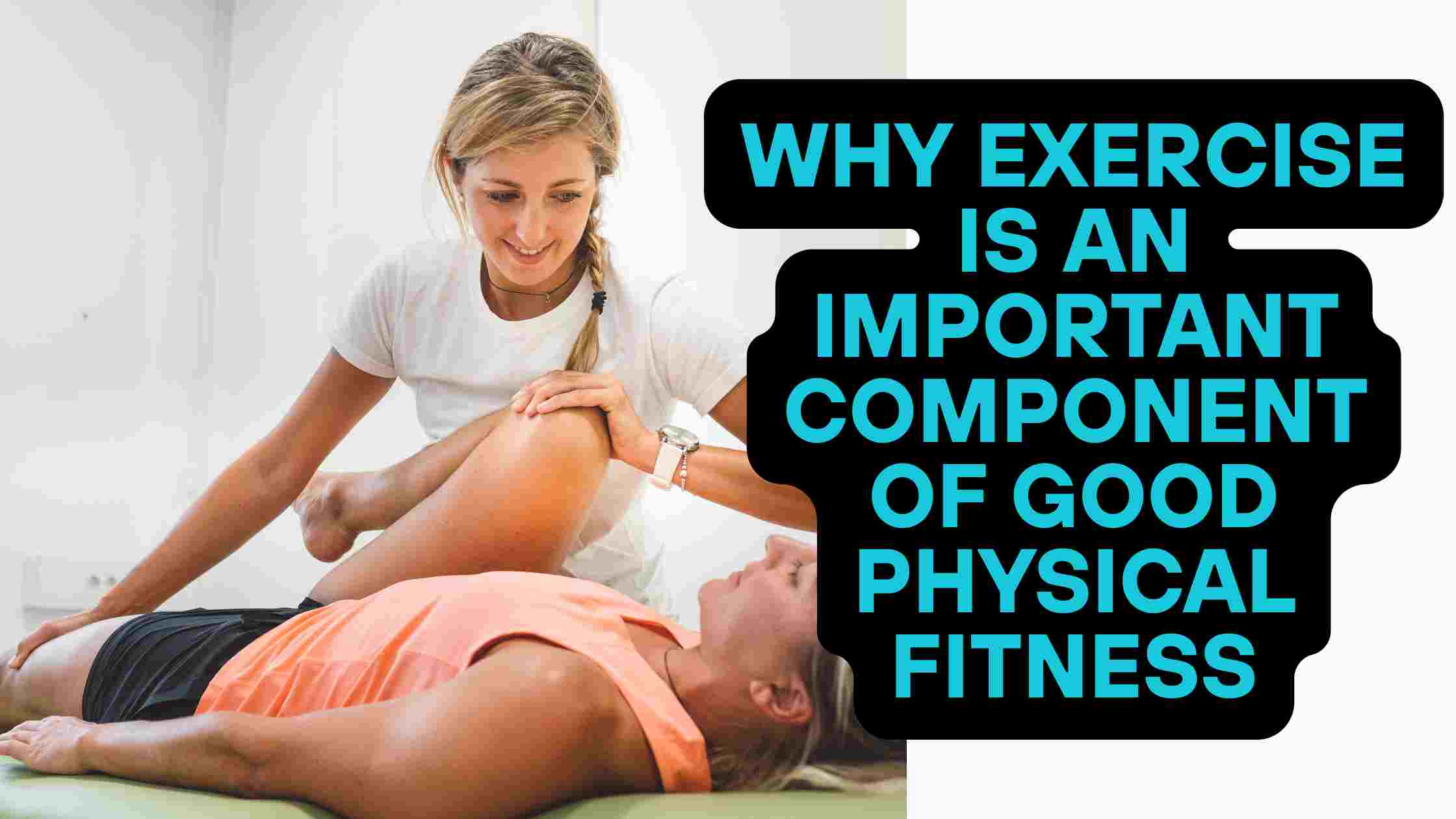
Image Source: coursepivot.com
The Foundation of a Healthy Body: Why Physical Activity is Key
A strong foundation for good physical fitness is built on consistent physical activity. This means actively engaging your body in ways that challenge your muscles and cardiovascular system. Think of it like building a house: you need strong walls, a sturdy roof, and a solid foundation to make it last. Similarly, your body needs regular workouts to function at its peak and resist the wear and tear of daily life.
The Science Behind Exercise Physiology
The field of exercise physiology explains precisely how our bodies respond and adapt to physical stress. When you exercise, your body undergoes remarkable changes. Your muscles become stronger, your heart and lungs work more efficiently, and your body becomes better at using energy. These adaptations are not just about looking good; they are crucial for overall health and longevity.
How Your Body Adapts to Movement
- Muscle Growth (Hypertrophy): When you lift weights or do resistance exercises, you create tiny tears in your muscle fibers. Your body then repairs these fibers, making them thicker and stronger.
- Cardiovascular Improvements: Your heart is a muscle too. With regular aerobic exercise, it becomes larger and pumps blood more forcefully and efficiently. Your lungs also improve their ability to take in oxygen and deliver it to your muscles.
- Metabolic Changes: Exercise boosts your metabolism, meaning your body burns more calories even at rest. This helps with weight management and can improve how your body processes sugar.
- Nervous System Adaptations: Your brain and nerves get better at sending signals to your muscles, leading to improved coordination, balance, and reaction time.
The Wide-Ranging Health Benefits of Being Active
Engaging in regular movement unlocks a treasure trove of health benefits. These advantages extend far beyond just looking fit; they impact nearly every system in your body, contributing to a longer, healthier, and happier life.
Key Health Advantages of Regular Exercise
- Improved Heart Health: Exercise is one of the best ways to protect your cardiovascular health. It strengthens your heart muscle, lowers blood pressure, and improves cholesterol levels. This significantly reduces the risk of heart disease, stroke, and other heart-related problems.
- Better Weight Management: Exercise plays a vital role in weight management. By burning calories and boosting metabolism, it helps you maintain a healthy weight or lose excess pounds. Combining exercise with a balanced diet is the most effective strategy.
- Stronger Bones and Muscles: Strength training is essential for building and maintaining muscle mass and bone density. This helps prevent osteoporosis, reduces the risk of falls and fractures, and keeps you strong and independent as you age.
- Enhanced Mental Well-being: The health benefits of exercise aren’t just physical. Physical activity releases endorphins, which are natural mood boosters. This can help reduce stress, anxiety, and depression, while also improving sleep quality and cognitive function.
- Increased Energy Levels: While it might seem counterintuitive, expending energy through exercise actually increases your overall energy levels. By improving your body’s efficiency and oxygen delivery, you feel less fatigued throughout the day.
- Reduced Risk of Chronic Diseases: Regular exercise is a powerful tool for preventing or managing numerous chronic conditions, including type 2 diabetes, certain types of cancer, and arthritis.
- Improved Sleep Quality: People who exercise regularly often report better sleep. This is because physical activity can help regulate your sleep-wake cycle and promote deeper, more restful sleep.
- Boosted Immune System: Moderate exercise can strengthen your immune system, making your body better equipped to fight off infections and illnesses.
The Pillars of Physical Fitness: Strength, Endurance, and Flexibility
Good physical fitness is a blend of several key components, each contributing to your overall capability and well-being. Focusing on these pillars ensures a well-rounded approach to your fitness journey.
Strength Training: Building a Robust Musculoskeletal System
Strength training, also known as resistance training, is fundamental for building and maintaining muscle mass, bone density, and joint health. It involves working your muscles against resistance, whether from weights, resistance bands, or your own body weight.
Benefits of Strength Training
- Increases muscle mass and strength.
- Boosts metabolism, aiding in weight management.
- Improves bone density, reducing osteoporosis risk.
- Enhances functional strength for everyday activities.
- Contributes to better posture and balance.
Endurance: The Power of Sustained Effort
Endurance, particularly cardiovascular endurance, refers to your body’s ability to sustain prolonged physical activity. This is primarily achieved through aerobic exercises like running, swimming, cycling, or brisk walking.
Cultivating Endurance
- Improves the efficiency of your heart and lungs.
- Increases stamina, allowing you to perform activities for longer periods.
- Enhances cardiovascular health by strengthening the heart muscle and improving blood circulation.
- Helps with weight management by burning significant calories during exercise.
- Can improve mood and reduce stress.
Flexibility: The Range of Motion
Flexibility refers to the ability of your joints to move through their full range of motion. This is often improved through stretching and activities like yoga or Pilates. Good flexibility is vital for preventing injuries and maintaining mobility.
Enhancing Flexibility
- Increases range of motion in joints.
- Reduces muscle stiffness and soreness.
- Helps prevent injuries by allowing muscles to stretch without tearing.
- Improves posture and body awareness.
- Can contribute to better athletic performance.
Creating an Active Lifestyle: Integrating Movement into Daily Life
The goal is not just to exercise occasionally, but to cultivate an active lifestyle that makes regular movement a natural and enjoyable part of your day. This means finding ways to incorporate physical activity into your routine beyond structured workouts.
Practical Strategies for an Active Lifestyle
- Walk or Bike: Instead of driving, consider walking or cycling for short trips.
- Take the Stairs: Whenever possible, choose the stairs over the elevator or escalator.
- Stand Up and Move: If you have a desk job, set reminders to stand up, stretch, and walk around every hour.
- Active Hobbies: Engage in hobbies that involve movement, such as gardening, dancing, hiking, or playing sports.
- Household Chores: Many household tasks, like vacuuming, mowing the lawn, or washing the car, are forms of physical activity.
- Play with Children or Pets: Spending time playing actively with your children or pets is a great way to get moving.
Integrating Different Exercise Types for Optimal Fitness
To achieve good physical fitness, a balanced approach incorporating various types of exercise is recommended. This ensures you develop all aspects of your physical capacity and reap the broadest range of health benefits.
The Synergy of Combined Training
Combining different forms of exercise creates a synergistic effect, where the benefits of each modality amplify the overall outcome. For instance, strength training supports your ability to perform endurance activities more effectively, while improved cardiovascular health provides the stamina needed for longer strength sessions.
Sample Weekly Fitness Plan (Illustrative)
This is a basic example and should be adjusted based on individual fitness levels, goals, and preferences.
| Day | Focus Activity | Examples | Duration/Sets & Reps | Notes |
|---|---|---|---|---|
| Monday | Strength Training (Upper Body) | Push-ups, Rows, Bicep Curls, Shoulder Press | 3 sets of 10-12 reps | Focus on proper form. |
| Tuesday | Endurance | Brisk Walking, Jogging, Cycling, Swimming | 30-45 minutes | Aim for a moderate intensity where you can talk but not sing. |
| Wednesday | Flexibility & Active Recovery | Yoga, Stretching, light walk, Foam Rolling | 20-30 minutes | Focus on muscle groups worked earlier in the week. |
| Thursday | Strength Training (Lower Body) | Squats, Lunges, Deadlifts, Calf Raises | 3 sets of 10-12 reps | Prioritize form to prevent injuries. |
| Friday | Endurance (Intervals) | Sprinting for 30 seconds, walking for 60 secs | 20-30 minutes total | Helps improve cardiovascular health and boost metabolism. |
| Saturday | Flexibility & Full Body Circuit | Pilates, Dynamic Stretches, Bodyweight Circuit | 30-40 minutes | Incorporate exercises like squats, lunges, push-ups, and planks. |
| Sunday | Rest or Light Physical Activity | Gentle walk, stretching | As desired | Allow your body to recover and rebuild. |
The Role of Weight Management
Achieving and maintaining a healthy weight is a significant health benefit of regular exercise. It’s a complex process influenced by calorie intake and expenditure.
Exercise’s Impact on Weight
- Calorie Burn: Exercise directly burns calories, contributing to a calorie deficit needed for weight loss.
- Metabolic Rate: Building muscle through strength training increases your resting metabolic rate, meaning you burn more calories even when you’re not exercising.
- Appetite Regulation: While the effects can vary, for many, regular exercise can help regulate appetite, reducing cravings and promoting healthier eating habits.
- Body Composition: Exercise helps improve body composition by reducing body fat and increasing lean muscle mass. This is often a more important indicator of health than the number on the scale alone.
Maintaining Motivation for Regular Movement
Sticking to an exercise routine can be challenging. Finding ways to stay motivated is crucial for long-term success and for truly embracing an active lifestyle.
Tips for Staying Motivated
- Set Realistic Goals: Start small and gradually increase the intensity and duration of your workouts.
- Find Activities You Enjoy: If you hate running, don’t force yourself to do it. Explore different activities until you find something you genuinely like.
- Workout with a Friend: Exercising with a buddy can provide accountability and make workouts more fun.
- Track Your Progress: Seeing how far you’ve come can be incredibly motivating. Use a journal, app, or fitness tracker.
- Vary Your Routine: Doing the same thing every day can lead to boredom. Mix up your exercises to keep things interesting.
- Reward Yourself: Acknowledge your achievements with non-food rewards, like new workout gear or a massage.
- Focus on How You Feel: Pay attention to the positive effects of exercise on your mood, energy levels, and overall well-being.
The Long-Term Importance of Exercise for a Fulfilling Life
The commitment to regular movement through exercise is not a temporary fix; it’s an investment in your future. The health benefits accumulated over time contribute to a higher quality of life, allowing you to remain independent, active, and engaged for years to come.
Exercise: A Lifestyle Choice for Longevity and Vitality
By making physical activity a non-negotiable part of your life, you are actively choosing to enhance your cardiovascular health, maintain optimal weight management, preserve your flexibility and strength, and build robust endurance. This commitment to an active lifestyle is one of the most powerful actions you can take to promote your overall health and well-being. The principles of exercise physiology demonstrate that our bodies are designed to move, and by honoring that design, we unlock our potential for a vibrant and fulfilling existence.
Frequently Asked Questions (FAQ)
Q1: How much exercise do I need per week for good physical fitness?
A: General guidelines suggest at least 150 minutes of moderate-intensity aerobic activity or 75 minutes of vigorous-intensity aerobic activity per week. Additionally, muscle-strengthening activities that involve all major muscle groups should be done at least two days a week.
Q2: Is it possible to exercise too much?
A: Yes, it is possible to overtrain. Overtraining can lead to injuries, fatigue, burnout, and a weakened immune system. Listening to your body and allowing for adequate rest and recovery is crucial.
Q3: What are the most important types of exercise for overall fitness?
A: A well-rounded fitness program typically includes cardiovascular exercise (for endurance and cardiovascular health), strength training (for muscle and bone health), and flexibility exercises (for range of motion and injury prevention).
Q4: Can exercise help with mental health issues like anxiety and depression?
A: Absolutely. Exercise releases endorphins, which have mood-boosting effects. It can also reduce stress hormones, improve sleep, and boost self-esteem, all of which are beneficial for mental well-being.
Q5: How does exercise contribute to weight management?
A: Exercise burns calories, increases metabolism, and helps build muscle mass, which further boosts calorie expenditure at rest. This combination is essential for creating a calorie deficit needed for weight management.
Q6: What is the difference between aerobic and anaerobic exercise?
A: Aerobic exercise (like running or swimming) uses oxygen to fuel muscles and can be sustained for longer periods, improving endurance and cardiovascular health. Anaerobic exercise (like weightlifting or sprinting) is short, intense bursts of activity that don’t rely on oxygen for immediate energy, building strength and power.
Q7: I’m a beginner. Where should I start with exercise?
A: Start slowly and gradually increase intensity and duration. Begin with walking, light cycling, or bodyweight exercises. Focus on proper form to prevent injuries and consider consulting a doctor or a certified fitness professional for personalized guidance.
Q8: How important is flexibility for overall fitness?
A: Flexibility is very important. It improves range of motion, reduces muscle stiffness, can help prevent injuries, and contributes to better posture and physical comfort. Activities like stretching, yoga, and Pilates are excellent for improving flexibility.
Q9: Can I achieve good physical fitness without going to a gym?
A: Yes, definitely. Many effective forms of physical activity can be done at home or outdoors without gym equipment, such as bodyweight exercises, running, walking, cycling, yoga, and sports. The key is regular movement and consistency.
Q10: How does exercise impact aging?
A: Regular exercise is crucial for healthy aging. It helps maintain muscle mass and bone density, improves balance and coordination (reducing fall risk), supports cardiovascular health, and can help prevent or manage age-related chronic diseases, contributing to greater independence and vitality.