
How much money do you need to open a gym? You’ll likely need anywhere from $25,000 to over $1 million to open a gym, depending on the size, location, amenities, and business model.
Opening a gym is an exciting venture, but it requires careful financial planning. Many aspiring gym owners wonder about the upfront investment needed to get their fitness business off the ground. This comprehensive guide will break down the typical gym startup costs, offering insights into the various expenses you can anticipate. We’ll cover everything from initial build-out and equipment to marketing and staffing, helping you create a robust gym business plan budget.
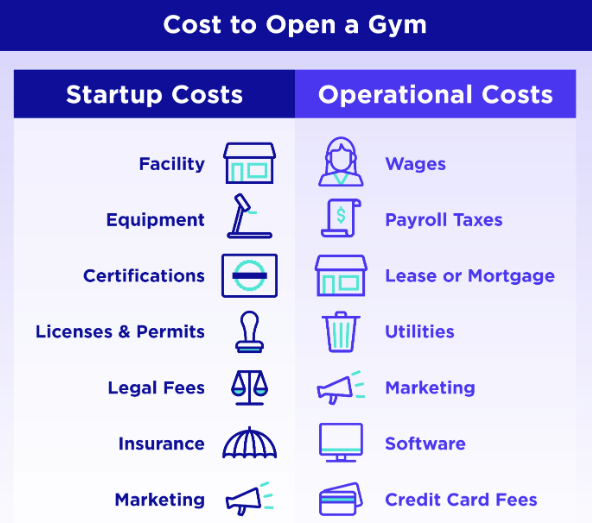
Image Source: wod.guru
Deciphering Gym Startup Costs: The Initial Investment
The biggest hurdle for many new gym owners is the initial capital outlay. These gym startup costs form the foundation of your business and can vary significantly.
Gym Location Costs: Finding Your Fitness Hub
One of the most significant expenses will be securing a suitable space for your gym. Gym location costs are influenced by factors like size, visibility, and the local real estate market.
- Leasehold Improvements/Build-Out: This includes renovations to make the space suitable for a gym. Think flooring, lighting, painting, locker rooms, showers, and reception areas.
- Small Gym/Studio: $10,000 – $50,000
- Medium to Large Gym: $50,000 – $250,000+
- Rent Deposit & First Month’s Rent: Expect to pay several months’ rent upfront.
- Monthly Rent: $2,000 – $15,000+ (highly dependent on location and size)
- Deposit/Prepaid Rent: 2-6 months of rent.
- Permits and Licenses: Local authorities require permits for businesses, construction, and health and safety.
- Estimated Cost: $500 – $5,000
Gym Equipment Prices: Outfitting Your Fitness Space
The heart of any gym is its equipment. Gym equipment prices can be a substantial portion of your budget. You have options for buying new, used, or leasing equipment.
- Cardiovascular Machines: Treadmills, ellipticals, stationary bikes, rowers.
- New: $1,000 – $8,000+ per machine
- Used: $500 – $4,000+ per machine
- Strength Training Machines: Weight machines for various muscle groups.
- New: $800 – $5,000+ per machine
- Used: $400 – $2,500+ per machine
- Free Weights: Dumbbells, barbells, weight plates, benches.
- Dumbbells (set): $500 – $5,000+
- Barbells and Plates: $500 – $3,000+
- Benches: $200 – $1,000+
- Functional Fitness Equipment: Kettlebells, resistance bands, medicine balls, suspension trainers.
- Estimated Cost: $500 – $5,000+ for a starter set.
- Flooring: Rubber flooring is essential for protecting the subfloor and equipment.
- Estimated Cost: $2 – $7 per square foot.
- Sound System and TVs: For ambiance and member entertainment.
- Estimated Cost: $500 – $3,000+
- Other Essentials: Mats, mirrors, water fountains, first-aid kits.
- Estimated Cost: $500 – $2,000+
Total Estimated Equipment Cost:
* Small Studio/Boutique Gym: $15,000 – $75,000
* Mid-Size Gym: $75,000 – $250,000
* Large Full-Service Gym: $250,000 – $1,000,000+
Table 1: Sample Gym Equipment Budget (Mid-Size Gym)
| Equipment Category | Estimated Quantity | Cost Per Unit (New) | Total Estimated Cost |
|---|---|---|---|
| Treadmills | 5 | $5,000 | $25,000 |
| Ellipticals | 4 | $4,500 | $18,000 |
| Stationary Bikes | 4 | $3,000 | $12,000 |
| Leg Press Machine | 2 | $3,500 | $7,000 |
| Chest Press Machine | 2 | $3,500 | $7,000 |
| Shoulder Press Machine | 2 | $3,500 | $7,000 |
| Dumbbells (1-100 lbs) | 1 set | $4,000 | $4,000 |
| Barbells & Weight Plates | 2 sets | $2,500 | $5,000 |
| Weight Benches | 4 | $500 | $2,000 |
| Functional Training Rig | 1 | $10,000 | $10,000 |
| Subtotal Equipment | $97,000 | ||
| Flooring (1000 sq ft) | 1000 sq ft | $5 | $5,000 |
| Total Equipment & Floor | $102,000 |
Note: Prices are estimates and can vary widely.
Technology and Software: The Digital Backbone
Modern gyms rely heavily on technology for operations and member management.
- Membership Management Software: For tracking members, billing, class bookings, and analytics.
- Monthly Fees: $50 – $300+
- Setup Fees: $0 – $500
- Point of Sale (POS) System: For retail sales (supplements, merchandise).
- Hardware: $200 – $1,000
- Software/Transaction Fees: Variable
- Website Development: Professional website with online sign-up and information.
- Estimated Cost: $500 – $5,000+
- Security System: Cameras, alarm systems.
- Estimated Cost: $500 – $3,000+
Legal and Professional Fees: Laying the Legal Groundwork
Don’t forget the essential legal and professional services.
- Business Registration: Registering your business entity (LLC, S-Corp, etc.).
- Estimated Cost: $100 – $800
- Legal Counsel: For drafting contracts, waivers, and reviewing leases.
- Estimated Cost: $1,000 – $5,000+
- Accounting Services: Setting up your books and understanding financial regulations.
- Estimated Cost: $500 – $2,500+
- Insurance: General liability, professional liability, property insurance.
- Annual Premiums: $1,000 – $5,000+
Marketing and Branding: Spreading the Word
Getting the word out is crucial for attracting your first members.
- Logo and Branding Design: Creating a professional brand identity.
- Estimated Cost: $300 – $2,000+
- Grand Opening Marketing: Flyers, local ads, social media campaigns, promotions.
- Estimated Cost: $1,000 – $5,000+
- Signage: Exterior and interior signage.
- Estimated Cost: $500 – $5,000+
Initial Staffing and Training: Building Your Team
Even if you plan to be hands-on, you’ll need to consider initial staffing.
- Personal Trainers: If offering PT services.
- Salaries/Contract Fees: Variable
- Front Desk Staff: For greeting members and handling inquiries.
- Salaries/Wages: Variable
- Initial Training: Onboarding staff on equipment, policies, and customer service.
- Estimated Cost: $200 – $1,000+
Working Capital: The Safety Net
It’s vital to have cash reserves to cover gym operational costs during the initial months before revenue stabilizes.
- 3-6 Months of Operating Expenses: This is crucial for rent, utilities, salaries, marketing, and inventory.
- Estimated: 30-50% of total startup costs.
Beyond Startup: Ongoing Gym Operational Costs
Once your gym is open, you’ll face recurring gym operational costs. Planning for these is as important as the initial investment.
Rent and Utilities: The Fixed Expenses
- Rent: As discussed, this is a significant monthly expense.
- Utilities: Electricity, water, gas, internet, phone.
- Monthly Estimate: $500 – $3,000+ (depending on size and usage)
Staff Salaries and Benefits: Your Human Capital
- Salaries: For trainers, front desk staff, management, cleaning crew.
- Benefits: Health insurance, retirement plans (if offered).
Marketing and Advertising: Staying Visible
- Ongoing Marketing: Social media ads, local partnerships, email marketing, promotions.
- Content Creation: For social media and website.
Equipment Maintenance and Replacement: Keeping Things Running
- Routine Maintenance: Servicing cardio machines, checking weights.
- Repair Costs: For broken equipment.
- Replacement: Budgeting for eventual replacement of worn-out equipment.
Software Subscriptions: Staying Connected
- Membership Management Software: Monthly fees.
- Payment Processing Fees: For member payments.
Supplies and Inventory: Keeping the Gym Stocked
- Cleaning Supplies: Sanitizers, wipes, paper towels.
- Retail Inventory: Supplements, apparel, water bottles.
Insurance Premiums: Protecting Your Business
- Ongoing Insurance Costs: Paid monthly, quarterly, or annually.
Loan Repayments: If You Financed
- Monthly Loan Payments: Principal and interest.
Financing a Gym: Securing the Capital
Most aspiring gym owners require external funding. Financing a gym involves several common avenues.
SBA Loans (Small Business Administration)
SBA loans are a popular choice for small businesses. They are government-backed, making them less risky for lenders.
- Loan Requirements:
- Strong credit score (usually 680+).
- A detailed gym business plan budget and gym revenue projections.
- Demonstrated experience in the fitness industry or business management.
- Personal investment (typically 10-30% of total project cost).
- Collateral may be required.
Traditional Bank Loans
Similar to SBA loans, but directly from a bank.
- Loan Requirements:
- Excellent credit history.
- Solid business plan and financial projections.
- Significant collateral.
- Proven track record of success.
Equipment Financing/Leasing
This is specifically for purchasing or leasing gym equipment.
- Benefits: Frees up working capital, often easier to qualify for than a general business loan.
- Considerations: Can be more expensive over the long term than purchasing outright.
Angel Investors or Venture Capitalists
For larger gyms or those with a unique business model, external investment might be an option.
- Requirements: A highly compelling business plan, strong growth potential, and a clear exit strategy for investors.
- Trade-off: You’ll give up a portion of ownership and control.
Personal Savings and Friends/Family
Many start by bootstrapping or borrowing from close contacts.
- Pros: No interest payments or loss of equity.
- Cons: Can strain personal relationships if the business struggles.
Gym Franchise Fees: A Different Path
If you prefer a proven model, a gym franchise can be an attractive option. However, this comes with specific costs.
Franchise Fees
This is an upfront payment to the franchisor for the right to use their brand, operating system, and ongoing support.
- Range: $20,000 – $100,000+ (depending on the brand and size of the gym)
Royalty Fees
A percentage of your gross revenue paid to the franchisor regularly.
- Range: 4% – 10% of monthly revenue.
Marketing Fees
Contributions to a national or regional marketing fund.
- Range: 1% – 5% of monthly revenue.
Initial Investment for a Franchise
The total investment for a franchise includes franchise fees, build-out, equipment, and working capital, similar to an independent gym but often guided by the franchisor’s requirements.
- Total Estimated Franchise Investment: $50,000 – $500,000+ (can be significantly higher for larger, more established franchises).
Creating Your Gym Business Plan Budget: Key Components
A robust gym business plan budget is essential for securing funding and guiding your operations.
1. Startup Costs Summary
A detailed list of all one-time expenses needed before opening.
2. Operating Expenses Forecast
A projection of monthly and annual recurring costs.
3. Revenue Projections: Setting Realistic Goals
Gym revenue projections are critical for demonstrating viability. They should be based on:
- Membership Pricing: How much will you charge?
- Factors influencing gym membership pricing:
- Membership Tiers: Basic access, premium with classes, personal training packages.
- Contract Length: Month-to-month, 6-month, annual.
- Amenities Offered: Pool, sauna, childcare, specialized classes.
- Competitor Pricing: What are similar gyms charging in your area?
- Target Market: Students, professionals, families.
- Average Monthly Membership Cost: $30 – $100+
- Factors influencing gym membership pricing:
- Personal Training Revenue: If offered.
- Ancillary Revenue: Merchandise sales, supplement sales, group fitness class fees, smoothie bar, tanning, etc.
- Projected Membership Growth: Realistic estimates of how many members you expect to acquire over time.
4. Cash Flow Projections
Showing how money flows in and out of the business over time.
5. Break-Even Analysis
Determining the point at which your revenue covers all your expenses.
Sample Total Investment Ranges
Based on the breakdowns above, here are some general total investment ranges for opening a gym:
Table 2: Estimated Total Investment to Open a Gym
| Gym Type | Estimated Total Startup Cost | Key Cost Drivers |
|---|---|---|
| Small Boutique Studio | $25,000 – $75,000 | Specialized equipment, prime but smaller location, limited build-out. |
| Mid-Size Independent Gym | $100,000 – $300,000 | Diverse equipment, moderate build-out, marketing, working capital. |
| Large Full-Service Gym | $300,000 – $1,000,000+ | Extensive equipment, significant build-out, multiple amenities, strong marketing. |
| Gym Franchise | $50,000 – $500,000+ | Franchise fees, build-out, equipment, marketing, royalties (ongoing). |
Note: These are broad estimates. A detailed business plan is essential for accurate figures.
Frequently Asked Questions (FAQ)
Q1: Can I open a gym with no money?
While it’s extremely difficult to open a gym with absolutely no money, you can minimize initial costs by starting small, focusing on a niche, utilizing used equipment, and leveraging personal skills. However, some capital for permits, initial rent, and basic supplies is generally unavoidable.
Q2: What is the most important factor in a gym’s success?
The most critical factors often include location, effective marketing to attract and retain members, high-quality customer service, and a well-maintained, appealing facility with appropriate equipment.
Q3: How long does it take to become profitable?
Profitability timelines vary greatly, but many gyms aim to break even within 12-24 months of opening. This depends heavily on your gym revenue projections, cost management, and membership acquisition rate.
Q4: What are the biggest mistakes new gym owners make?
Common mistakes include underestimating startup costs, not having enough working capital, poor financial management, inadequate marketing, and failing to build a strong community or customer experience.
Q5: Is it better to buy new or used gym equipment?
It depends on your budget and the type of equipment. New equipment comes with warranties and the latest technology but is more expensive. Used equipment can offer significant savings but may require more maintenance and lacks warranties.
Opening a gym is a significant undertaking, but with thorough research, a solid gym business plan budget, and a clear financial strategy, you can turn your fitness passion into a thriving business. Remember to factor in all gym startup costs, ongoing gym operational costs, and realistic gym revenue projections to ensure long-term success.