
If you find yourself exercising intensely but not sweating, it’s natural to wonder why. Not sweating during exercise can mean a variety of things, ranging from normal physiological variations to underlying medical conditions, and it’s crucial to investigate further. While sweating is a common response to physical exertion, its absence doesn’t automatically signal a problem. However, it’s a signal that warrants closer examination. This article aims to explore the various reasons behind a lack of perspiration during workouts, covering everything from individual differences to serious health concerns.
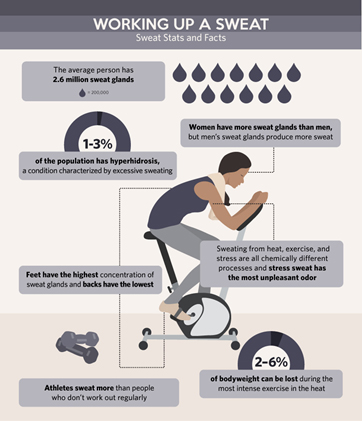
Image Source: www.powermaxfitness.net
The Body’s Cooling System: How Thermoregulation Works
Our bodies are incredible machines, designed to maintain a stable internal temperature, a process known as thermoregulation. When we exercise, our muscles work harder, producing heat. To prevent overheating, the body releases this excess heat. Sweating is the primary mechanism for this.
When your body temperature rises, your autonomic nervous system, specifically the sympathetic nervous system, signals your sweat glands to activate. These glands secrete a fluid—sweat—onto your skin’s surface. As sweat evaporates, it takes heat with it, cooling your body down. This intricate system is vital for preventing heat stroke, a dangerous condition where the body can no longer regulate its temperature.
Common Reasons for Not Sweating During Exercise
Several factors can influence your body’s sweating response during physical activity. Some are perfectly normal, while others may require medical attention.
1. Hydration Levels
Dehydration is a significant factor. If you aren’t adequately hydrated, your body conserves the fluids it has. This means less fluid is available to produce sweat. Even mild dehydration can impair your body’s ability to cool itself effectively.
- Low Fluid Intake: Not drinking enough water throughout the day, especially before and during exercise.
- Excessive Fluid Loss: Sweating heavily from previous activities or illness without adequate replenishment.
2. Acclimatization to Heat
If you’re new to exercising in hot environments or have been in a cooler climate for a while, your body needs time to adjust. This process is called acclimatization. Your sweating mechanism becomes more efficient over time.
- Short-Term Exposure: Initially, you might not sweat as much as someone who is accustomed to the heat.
- Gradual Adaptation: As your body adapts, your sweat rate will increase, and the sweat will become more dilute.
3. Genetics and Individual Differences
Just like people have different hair colors or heights, there are natural variations in how individuals sweat. Some people are genetically predisposed to sweat less than others.
- Lower Sweat Gland Density: Some individuals may simply have fewer active sweat glands.
- Varied Sweat Production: The amount of sweat produced can differ significantly from person to person, even under identical conditions.
4. Medications and Medical Conditions
Certain medications and medical conditions can directly affect the function of sweat glands or the autonomic nervous system that controls them.
Medications That Can Affect Sweating:
- Anticholinergics: These drugs, often used for conditions like asthma, overactive bladder, or Parkinson’s disease, can block the action of acetylcholine, a neurotransmitter that stimulates sweat glands.
- Beta-Blockers: While primarily used for heart conditions and high blood pressure, they can sometimes reduce sweating.
- Diuretics: These medications increase urination, which can lead to fluid loss and potentially reduced sweating if fluid intake doesn’t compensate.
- Certain Psychiatric Medications: Some antidepressants and antipsychotics have been known to alter sweating patterns.
Medical Conditions Affecting Sweating:
- Anhidrosis: This is a condition where an individual is unable to sweat normally. It can be generalized (affecting the whole body) or localized (affecting specific areas). Anhidrosis can be congenital (present from birth) or acquired later in life due to damage to sweat glands or nerves.
- Congenital Anhidrosis: Often linked to genetic disorders affecting nerve development or sweat gland formation.
- Acquired Anhidrosis: Can result from nerve damage (neuropathy), skin conditions like Sjogren’s syndrome or psoriasis, burns, radiation therapy, or certain autoimmune diseases.
- Heat Intolerance: This is a symptom rather than a condition itself, often linked to a reduced ability to sweat or regulate body temperature effectively. It means you are more susceptible to overheating.
- Certain Neurological Disorders: Conditions affecting the nerves, such as diabetes-related neuropathy, spinal cord injuries, or autonomic dysfunction syndromes, can impair the signals to sweat glands.
- Skin Conditions: Severe skin damage, such as extensive scarring from burns or certain inflammatory skin diseases, can destroy sweat glands in the affected areas.
- Electrolyte Imbalance: While less direct, severe electrolyte imbalance can disrupt overall bodily functions, potentially impacting the nervous system’s ability to regulate processes like sweating.
5. Exercise Intensity and Type
The intensity and type of exercise you perform play a role.
- Low-Intensity Exercise: Moderate activities like walking or light cycling might not elevate your body temperature enough to trigger significant sweating, especially if the ambient temperature is cool.
- High-Intensity Interval Training (HIIT): While HIIT is known to be taxing, if you are well-hydrated and acclimatized, you should sweat. If you’re not sweating during intense bursts, it’s more noteworthy.
- Swimming: The cooling effect of water can mask or reduce visible sweating, even if your body is actively producing sweat to cool itself.
The Dangers of Not Sweating
While not sweating during mild exertion might be normal, failing to sweat during intense exercise, especially in warm or hot conditions, can be dangerous. As mentioned earlier, sweating is the body’s main way to cool down. Without it, your core body temperature can rise dangerously high, leading to:
Heat Exhaustion
This is a milder form of heat-related illness. Symptoms include:
- Heavy sweating (though if you’re in the group not sweating, this won’t be a symptom)
- Cold, pale, and clammy skin
- Nausea or vomiting
- Muscle cramps
- Tiredness or weakness
- Dizziness
- Headache
Heat Stroke
This is a severe and life-threatening medical emergency. It occurs when the body’s temperature regulation system fails. Symptoms include:
- A high body temperature (103°F or higher)
- Hot, red, dry or damp skin (if the person has been drinking alcohol, skin may be damp)
- Rapid, strong pulse
- Headache
- Dizziness
- Nausea
- Confusion or altered mental state
- Loss of consciousness
If you experience a lack of sweating during exercise and develop any symptoms of heat exhaustion or heat stroke, seek immediate medical attention.
What to Do If You Don’t Sweat During Exercise
If you’ve noticed you don’t sweat during exercise and are concerned, here’s a structured approach to address it:
1. Assess Your Hydration Status
- Monitor Fluid Intake: Ensure you are drinking enough water throughout the day, not just during exercise.
- Check Urine Color: Pale yellow urine is a good indicator of proper hydration. Dark urine suggests you need to drink more.
- Hydrate Strategically: Drink water before, during, and after your workouts. Consider electrolyte drinks if your exercise is prolonged or very intense.
2. Consider Acclimatization
- If you’ve recently moved to a hotter climate or haven’t been exercising outdoors in the heat, give your body time to adapt. Gradually increase your exposure and intensity over a week or two.
3. Evaluate Medications
- Review any medications you are taking with your doctor or pharmacist. Ask if they could be affecting your sweating. Do not stop taking any prescribed medication without consulting your doctor.
4. Consult a Healthcare Professional
This is the most crucial step if you have persistent concerns or experience symptoms of heat intolerance.
- Medical History: Your doctor will ask about your exercise habits, symptoms, medical history, and any medications you take.
- Physical Examination: They may perform a physical exam to check for any obvious signs related to sweat glands or nerve function.
- Diagnostic Tests: Depending on the suspected cause, your doctor might recommend:
- Blood tests: To check for electrolyte imbalances or other underlying conditions.
- Skin biopsy: In rare cases, to examine sweat gland function directly.
- Autonomic function tests: To assess how your autonomic nervous system is working.
5. Adjust Your Exercise Routine
- Exercise in Cooler Conditions: If you suspect heat is a factor, try exercising during cooler parts of the day or in air-conditioned environments.
- Reduce Intensity: During the initial stages of adaptation or if you feel overheated, lower the intensity of your workouts.
- Stay Hydrated: Always carry water and drink frequently.
- Listen to Your Body: Pay close attention to how you feel. If you experience dizziness, nausea, or a headache, stop exercising and rest in a cool place.
Fathoming the Link Between Sweating and Health
The ability to sweat is a fundamental aspect of our physiological response to heat. Disruptions to this process can be a window into more significant health issues.
The Role of the Autonomic Nervous System
The autonomic nervous system is responsible for regulating involuntary bodily functions, including heart rate, digestion, and sweating. Its sympathetic division plays a key role in activating sweat glands. Therefore, any condition that affects the autonomic nervous system, such as diabetic neuropathy or certain autoimmune disorders, can impair sweating.
Electrolyte Imbalance and Its Impact
Electrolyte imbalance, such as low sodium or potassium levels, can disrupt nerve and muscle function. While not a direct cause of not sweating, severe imbalances can contribute to overall poor physiological regulation, potentially affecting thermoregulation indirectly. Proper hydration and a balanced diet are key to maintaining healthy electrolyte levels.
Anhidrosis: A Closer Look
Anhidrosis is a specific condition where the body loses its ability to sweat. It can manifest in various ways:
- Generalized Anhidrosis: Affecting most or all of the body. This can be particularly dangerous as the entire body’s cooling mechanism is compromised.
- Focal Anhidrosis: Affecting specific areas. For example, someone might not sweat on their arms but can sweat normally on their back.
The implications of anhidrosis during exercise are significant, increasing the risk of heat-related illnesses. If you suspect you have anhidrosis, it’s essential to work closely with a medical professional to manage the condition and adapt your lifestyle accordingly.
Heat Intolerance and Its Manifestations
Heat intolerance is a broader term often used when someone experiences discomfort or adverse effects due to heat exposure, frequently linked to impaired sweating. Individuals with heat intolerance may feel excessively tired, dizzy, or nauseous even in moderately warm conditions, and their exercise capacity can be severely limited.
Interpreting Your Body’s Signals
Your body provides constant feedback. When you exercise and don’t sweat, it’s a signal that warrants attention.
When to Be Concerned
- You are exercising intensely, especially in warm or humid conditions.
- You experience symptoms like dizziness, nausea, fatigue, or headaches during or after exercise.
- You notice a significant change in your sweating patterns over time.
- You have a known medical condition that could affect sweating or thermoregulation.
When It Might Be Normal
- You are exercising at a very low intensity in a cool environment.
- You have recently started exercising and are still acclimatizing to the conditions.
- You are well-hydrated, and the ambient temperature is mild.
- You have a family history of low sweating response and no other symptoms.
Case Scenarios
Let’s consider a few scenarios to illustrate the possibilities:
Scenario 1: The Marathon Runner in the Heat
Sarah is running a marathon on a hot day. She’s been training for months and is well-hydrated. Despite pushing herself, she notices she’s not sweating as much as her fellow runners.
- Possible Explanations: Sarah might be highly acclimatized to the heat, or she might have a naturally lower sweat rate. However, if she starts feeling dizzy or her performance drops significantly, she needs to slow down, hydrate, and consider seeking medical advice if symptoms persist.
Scenario 2: The Office Worker After a Gym Session
Mark goes for a brisk walk on the treadmill in a cool gym. He’s been sitting at his desk all day and hasn’t had much water. He finishes his walk feeling okay but dry.
- Possible Explanations: The cool gym environment, moderate intensity, and potential slight dehydration could all contribute to minimal sweating. This is likely normal.
Scenario 3: The Individual with a Neurological Condition
David has Type 1 diabetes with peripheral neuropathy. He goes for a run and doesn’t sweat at all, feeling increasingly hot and lightheaded.
- Possible Explanations: David’s neuropathy may have affected the nerves that control his sweat glands, leading to anhidrosis or reduced sweating. This is a serious situation, as his body cannot cool itself. He needs to stop exercising immediately, cool down, and consult his doctor about managing his condition and exercise safely.
Maintaining Optimal Thermoregulation During Exercise
Regardless of your natural sweating patterns, prioritizing safe exercise practices is crucial.
- Hydration is Key: Make it a habit to drink water consistently.
- Dress Appropriately: Wear light, breathable clothing that allows for air circulation.
- Pace Yourself: Especially in new or challenging environments.
- Know Your Limits: Pay attention to your body’s signals and rest when needed.
- Cool Down: Spend time cooling your body down gradually after intense activity.
Frequently Asked Questions (FAQ)
Q1: Is it bad if I don’t sweat during exercise?
It depends on the circumstances. If you’re exercising mildly in a cool environment, it might be normal. However, if you’re exercising intensely in warm or hot conditions and not sweating, it can be a sign of dehydration, heat intolerance, or a more serious condition like anhidrosis, which can lead to dangerous overheating.
Q2: Can taking certain medications stop me from sweating?
Yes, some medications, particularly anticholinergics, beta-blockers, and diuretics, can reduce your ability to sweat. If you suspect your medication is affecting your sweating, talk to your doctor.
Q3: What is anhidrosis?
Anhidrosis is a medical condition characterized by the inability to sweat normally. It can affect the entire body or specific areas and can be congenital or acquired due to nerve damage, skin conditions, or other health issues.
Q4: How can I tell if I’m dehydrated during exercise?
Signs of dehydration include dark urine, thirst, dry mouth, dizziness, and fatigue. During exercise, a lack of sweating combined with these symptoms is a significant warning sign.
Q5: Can not sweating during exercise lead to heat stroke?
Yes, if your body cannot sweat to cool itself down, your internal temperature can rise to dangerous levels, potentially leading to heat exhaustion or heat stroke, which is a medical emergency.
Q6: Should I stop exercising if I don’t sweat?
If you are exercising intensely, especially in the heat, and notice a lack of sweating, it’s wise to stop or significantly reduce your intensity, hydrate, and cool down. If this pattern persists or you experience other symptoms, consult a doctor.
Q7: What are the risks of electrolyte imbalance during exercise?
Electrolyte imbalance can affect nerve function, muscle contractions, and fluid balance. During exercise, it can manifest as fatigue, cramps, and potentially impaired thermoregulation, though it’s not usually the primary cause of not sweating unless severe.
Q8: How does the autonomic nervous system relate to sweating?
The autonomic nervous system, particularly the sympathetic branch, controls sweat glands by signaling them to release sweat in response to rising body temperature. Conditions affecting this system can disrupt sweating.
Conclusion
The absence of sweating during exercise is a complex issue with a spectrum of potential causes. While some reasons are benign, such as natural individual variation or insufficient heat exposure, it’s crucial not to dismiss it. Paying attention to your body’s signals, maintaining proper hydration, and consulting with healthcare professionals when necessary are vital steps in ensuring your safety and well-being during physical activity. Understanding your body’s unique responses, including its sweating mechanisms, is key to a healthy and effective exercise regimen.