
Can I exercise right after cataract surgery? Generally, you can start light exercise post-cataract surgery like walking a few days after your procedure, but it’s crucial to wait for your surgeon’s specific guidance before resuming more vigorous activities. The cataract surgery recovery time varies for each individual, and it’s essential to listen to your body and your doctor’s instructions regarding exercise after eye surgery. This guide will help you understand when you can safely get back to your fitness routine after a cataract operation.
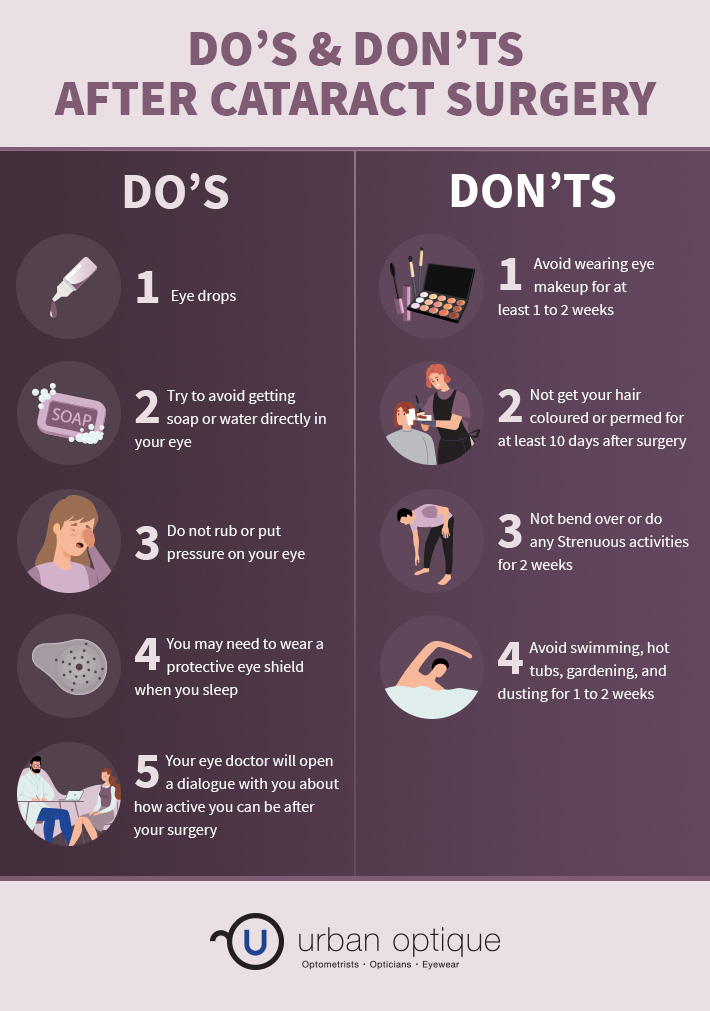
Image Source: urbanoptique.ca
Easing Back into Movement: Your Post-Cataract Surgery Exercise Guide
Undergoing cataract surgery can be a significant step towards clearer vision, but it also means a period of healing and adjustment. Many people wonder about their return to normal life, and a common question is about resuming physical activities. This comprehensive guide will explore the specifics of post-cataract surgery exercise, offering clear timelines and advice to ensure your recovery is smooth and your eyes are protected.
The Immediate Post-Surgery Period: What to Expect
Right after your cataract surgery, your eyes will be sensitive. You’ll likely experience some mild discomfort, light sensitivity, and blurred vision as your eye begins to heal. Your surgeon will provide you with specific post-operative instructions, which typically include:
- Using prescribed eye drops: These are crucial for preventing infection and reducing inflammation.
- Wearing an eye shield: This protects your eye, especially while sleeping.
- Avoiding rubbing or pressing your eye: This is vital to prevent any disruption to the healing incision.
- Limiting strenuous activities: Your doctor will advise on what to avoid.
During this initial phase, the focus is solely on allowing your eye to heal properly. This means avoiding anything that could put undue pressure on your eye or cause a sudden increase in blood pressure, which could potentially affect the surgical site.
When Can I Start Walking After Cataract Surgery?
Walking after cataract surgery is often one of the first activities patients can safely resume. In most cases, as long as you feel up to it, gentle walking can begin as early as 24-48 hours after surgery.
-
Benefits of Early Walking:
- Promotes circulation, aiding in overall recovery.
- Helps maintain general fitness without stressing the eyes.
- Can improve mood and reduce anxiety.
-
Precautions for Walking:
- Start with short, leisurely strolls.
- Avoid crowded areas where you might bump into someone or something.
- Be mindful of uneven surfaces that could lead to tripping.
- If you feel any eye discomfort, stop immediately.
Your surgeon will confirm when it’s safe for you to start walking and what duration and intensity are appropriate.
Resuming Activity After Cataract Operation: A Phased Approach
The return to exercise cataract surgery patients undertake is not a one-size-fits-all timeline. It’s a gradual process that depends on individual healing and the type of exercise. Your doctor will likely recommend a phased approach to resuming activity after cataract operation.
Phase 1: Initial Healing (First Few Days to One Week)
- Focus: Rest and gentle movement.
- Allowed Activities:
- Light walking (as discussed above).
- Very gentle stretching.
- Activities of daily living that don’t involve bending or straining.
- Activities to Avoid:
- Bending over significantly (e.g., tying shoes, picking things up from the floor).
- Heavy lifting.
- Any exercise that involves jarring movements or potential impact to the head.
Phase 2: Increased Light Activity (One Week to Two Weeks)
As your initial healing progresses and your surgeon gives the okay, you can slowly increase the duration and pace of your walks.
- Allowed Activities:
- Longer walks.
- Light household chores that don’t involve heavy lifting or bending.
- Gentle yoga or Pilates (with modifications to avoid inversions or strenuous poses).
- Activities to Avoid:
- Any exercise that could introduce sweat into the eye.
- Activities with a high risk of eye injury.
- Sudden, jerky movements.
Phase 3: Gradual Return to Moderate Exercise (Two Weeks to Four Weeks)
By this stage, most patients are feeling more comfortable, and their vision may have stabilized. However, it’s still crucial to be cautious.
- Allowed Activities:
- Cycling (on a stationary bike or in a controlled outdoor environment).
- Swimming (ensure your eye is fully healed and consult your doctor about wearing goggles).
- Elliptical machines.
- Light weight training (focusing on upper body with lighter weights).
- Activities to Avoid:
- High-impact aerobic activities (running, jumping).
- Contact sports.
- Activities involving rapid head movements.
Phase 4: Full Return to Strenuous Activity (Four Weeks and Beyond)
Most individuals can return to their full pre-surgery exercise routines after about four weeks, provided there have been no complications and their surgeon has given explicit approval.
- Allowed Activities:
- Running.
- High-intensity interval training (HIIT).
- Sports like tennis, basketball, or soccer.
- Heavy weightlifting.
- Activities to Avoid:
- Continue to avoid activities with a high risk of direct eye trauma.
- Always listen to your body; if something feels wrong, stop.
Specific Exercise Guidelines and When to Seek Advice
Let’s delve deeper into specific types of physical activity after cataract surgery and the typical timelines associated with resuming them.
Walking After Cataract Surgery
As mentioned, walking after cataract surgery is generally the safest and earliest form of exercise.
- Timeline: Typically starts within 1-2 days post-op.
- Intensity: Start slow and short. Gradually increase distance and pace as you feel comfortable and as advised by your surgeon.
- Key Considerations: Ensure good footwear and be aware of your surroundings to prevent falls.
Light Exercise Post-Cataract Surgery
Light exercise post-cataract surgery includes activities that don’t put excessive strain on your body or eyes.
- Examples: Gentle yoga, stationary cycling, walking, light stretching.
- Timeline: Can often begin around the first week, with progression based on comfort.
- Precautions: Avoid poses that require prolonged head-down positions or significant straining.
When Can I Lift Weights After Cataract Surgery?
This is a very common question, especially for those who regularly engage in strength training.
- Timeline:
- Light weights (e.g., 1-5 lbs): May be permissible around the 1-2 week mark for upper body exercises, but only with surgeon approval.
- Moderate weights: Typically around 3-4 weeks, again, with surgeon approval.
- Heavy weights: Generally, wait until 4-6 weeks or until your surgeon gives the all-clear. The main concern is the Valsalva maneuver (holding your breath while exerting force), which can increase intraocular pressure.
- Key Considerations:
- Focus on proper form and controlled movements.
- Avoid holding your breath. Exhale during the exertion phase.
- Start with significantly lighter weights than you are accustomed to and gradually increase.
- Always discuss your weightlifting plans with your ophthalmologist.
Strenuous Activity After Cataract Surgery
Strenuous activity after cataract surgery includes high-impact exercises, competitive sports, and heavy lifting.
- Timeline: Generally, 4-6 weeks or more.
- Why the Wait? These activities can cause significant physical exertion, including increased blood pressure and potential jarring to the body, which could affect the healing eye.
- Risk Factors:
- Sudden movements.
- Increased intraocular pressure.
- Risk of physical impact to the eye.
Swimming After Cataract Surgery
Swimming is a great low-impact exercise, but it requires specific considerations after eye surgery.
- Timeline: Wait until your surgeon gives you the go-ahead, typically 1-2 weeks after surgery. Some surgeons prefer you wait longer.
- Key Considerations:
- Ensure your eye is fully healed to prevent waterborne infections from entering the surgical site.
- Use well-fitting swimming goggles to protect your eyes from chlorinated water or other irritants.
- Avoid vigorous splashing or being bumped by others, especially in the initial stages.
High-Impact Exercises
Activities like running, jumping, and plyometrics fall into this category.
- Timeline: Usually around 4-6 weeks post-surgery, or when cleared by your surgeon.
- Reasoning: The impact can cause vibrations that might affect the healing structures within the eye.
Factors Influencing Your Return to Exercise
Several factors will influence how quickly you can safely resume your exercise routine:
- Your Overall Health: Individuals with good general health tend to recover faster.
- Type of Cataract Surgery: While techniques are similar, some minor variations might exist.
- Any Complications: If there were any issues during or after surgery, recovery will likely take longer.
- Your Surgeon’s Specific Instructions: This is the most crucial factor. Always follow their advice.
- How Your Body Feels: Pain or discomfort is a sign to slow down or stop.
When to Contact Your Doctor
It’s important to stay vigilant during your recovery. Contact your ophthalmologist immediately if you experience any of the following:
- Increased eye pain.
- Decreased vision or sudden vision changes.
- New floaters or flashes of light.
- Redness or discharge from the eye.
- Any concerns about your exercise routine.
A Table of General Return-to-Exercise Timelines (Consult Your Doctor First!)
This table provides general guidelines. Your surgeon’s advice is paramount.
| Activity Type | General Timeline After Surgery | Key Considerations |
|---|---|---|
| Walking | 1-2 Days | Start short and slow, listen to your body. |
| Light Stretching | 1-2 Days | Avoid straining, be gentle. |
| Stationary Cycling | 1-2 Weeks | Moderate pace, avoid strenuous efforts. |
| Swimming | 1-2 Weeks (or longer) | Goggles essential, avoid splashing/impact. |
| Gentle Yoga/Pilates | 1-2 Weeks | Avoid inversions, strenuous poses, or bending too far forward. |
| Light Weights | 1-2 Weeks (low weight only) | Surgeon approval needed, focus on form, avoid breath-holding. |
| Elliptical Machines | 2-3 Weeks | Moderate intensity. |
| Moderate Weightlifting | 3-4 Weeks | Surgeon approval, gradual increase, proper breathing. |
| Running/Jogging | 4-6 Weeks | Start slow, monitor for any eye discomfort. |
| High-Impact Aerobics | 4-6 Weeks | Gradual return, listen to your body. |
| Contact Sports | 6+ Weeks (or longer) | Surgeon clearance essential, protective eyewear may be recommended. |
| Heavy Lifting | 4-6 Weeks (or longer) | Surgeon approval crucial, focus on breathing and form to avoid eye pressure. |
Frequently Asked Questions About Exercise After Cataract Surgery
Q1: Can I do cardio after cataract surgery?
Yes, but gradually. Walking after cataract surgery is a great starting point. More intense cardio like running or cycling can usually be resumed around 4-6 weeks after your procedure, once your surgeon confirms it’s safe.
Q2: Is it okay to sweat after cataract surgery?
Mild sweating from light activity like walking is generally fine. However, avoid activities that cause heavy sweating until your eye has healed sufficiently, as sweat can potentially irritate the surgical site if it gets into the eye. Your doctor will guide you on this.
Q3: What kind of exercise is best right after cataract surgery?
Light exercise post-cataract surgery, such as gentle walking, is typically recommended. The primary goal is to promote circulation and mobility without stressing your eyes or surgical incision.
Q4: When can I return to exercise if I had surgery on both eyes?
If you have surgery on both eyes, it’s usually staggered, with the second eye operated on after the first has healed sufficiently (often a week or two later). You’ll need to follow the recovery guidelines for each surgery individually. Your surgeon will advise on when it’s safe to resume activities, taking into account the healing of both eyes.
Q5: Will exercise affect my new lens implant?
Your new intraocular lens (IOL) is securely placed during surgery. Normal exercise activities, once cleared by your surgeon, should not affect the IOL. However, activities with a high risk of direct trauma to the eye should be approached with extreme caution.
Q6: How long until I can lift weights after cataract surgery?
This varies. You might be able to lift very light weights (1-5 lbs) for upper body exercises around the 1-2 week mark, but only with your surgeon’s explicit approval. For moderate to heavy weights, it’s typically recommended to wait 4-6 weeks or longer, focusing on proper breathing techniques to avoid increasing eye pressure.
Conclusion
The return to exercise cataract surgery patients look forward to is certainly achievable with patience and adherence to medical advice. While walking after cataract surgery can often begin within a day or two, more demanding forms of physical activity after cataract surgery require a longer waiting period, typically 4-6 weeks, depending on individual healing and your surgeon’s assessment. Always prioritize your eye health and communicate openly with your ophthalmologist about your fitness goals to ensure a safe and successful recovery. By following these guidelines, you can confidently get back to enjoying an active lifestyle with your enhanced vision.