
Can you go to the gym with a new tattoo? No, you should generally avoid going to the gym for at least 2-4 weeks after getting a new tattoo. This waiting period is crucial for proper tattoo healing.
Getting a new tattoo is an exciting experience, but it also comes with responsibility. Your fresh ink is an open wound, and protecting it is paramount. This is especially true if you’re a fitness enthusiast. The gym, with its sweat, shared equipment, and potential for friction, presents a unique set of challenges for a healing tattoo. So, when can you safely return to your workout routine? Let’s break down everything you need to know about the intersection of a new tattoo and the gym.
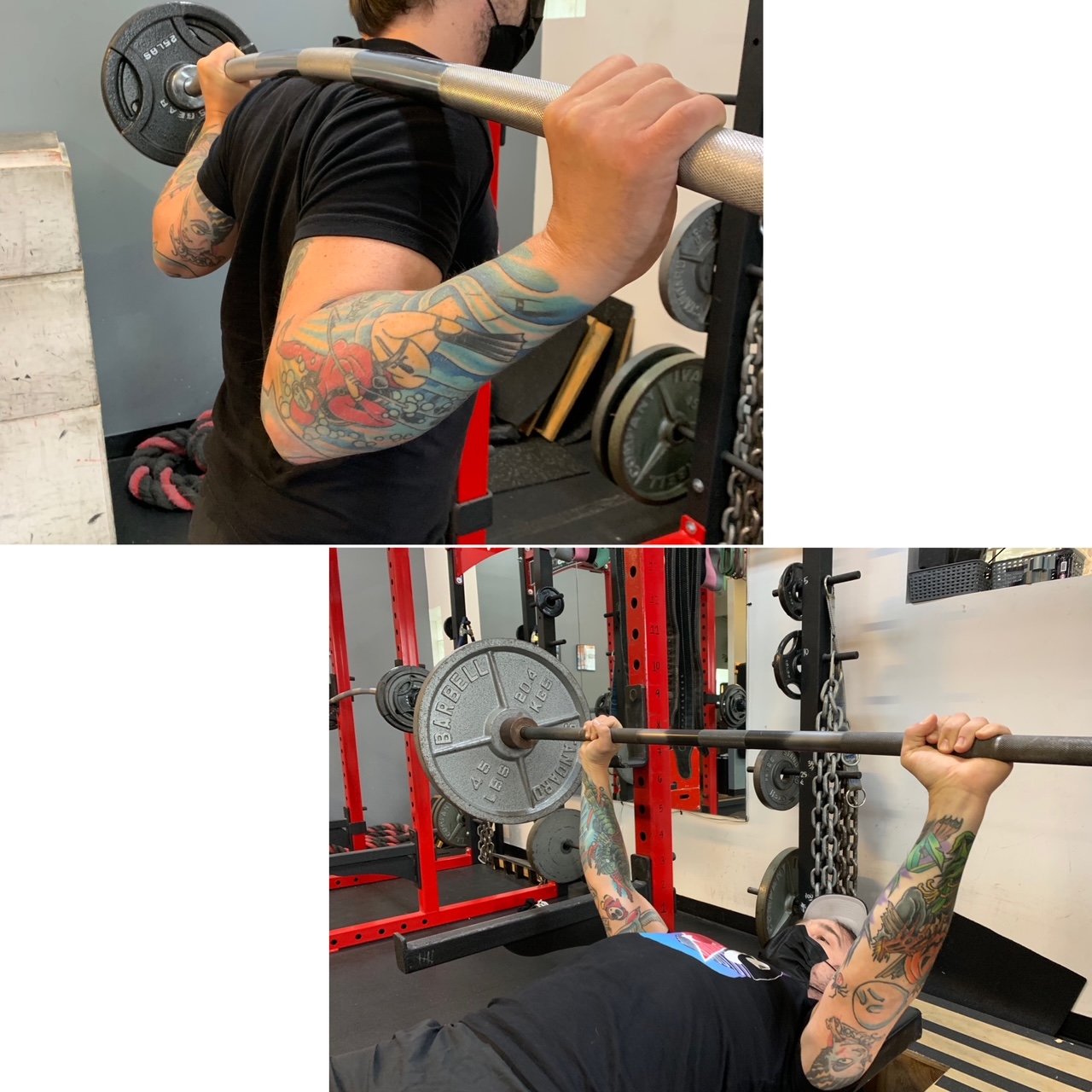
Image Source: www.austinsimplyfit.com
The Healing Process: A Delicate Stage
To comprehend why avoiding the gym is vital, we must first grasp the tattoo healing process. When an artist creates your tattoo, they are essentially creating thousands of tiny wounds. The needle injects ink into your dermis layer, and your body’s natural response is to heal these micro-injuries.
The initial stages are critical. During the first few days, your tattoo will be red, swollen, and may ooze plasma and excess ink. This is normal. Over the next few weeks, your tattoo will go through several phases:
- Day 1-3: The “open wound” phase. Redness, swelling, and oozing are common.
- Day 4-7: The “healing” phase. The tattoo will start to dry out and may flake. It might feel itchy.
- Week 2-4: The “peeling” phase. This is when significant peeling will occur. Underneath, new skin is forming. The tattoo may look dull or cloudy during this time, which is also normal.
- Month 1 onwards: The “maturation” phase. While the top layer of skin has healed, the deeper layers continue to heal and settle over several months. The tattoo’s vibrancy will fully emerge as this process completes.
During this entire period, your tattoo is vulnerable. This is why tattoo aftercare gym rules are so important to follow.
Why the Gym is a Minefield for Fresh Tattoos
The gym environment, while beneficial for your overall health, can be detrimental to a new tattoo. Here’s why:
1. Sweat: The Unwelcome Guest
Sweat on tattoo can be a major problem. Sweat is naturally salty and contains bacteria. While not inherently harmful to healed skin, it can irritate a fresh tattoo. More importantly, sweat can trap moisture under your bandages or clothing, creating a breeding ground for bacteria and increasing the infection risk new tattoo faces. This can lead to redness, swelling, pain, and a compromised healing process.
2. Friction and Abrasion: The Enemy of Ink
Many gym activities involve movement and contact that can chafe or rub against a new tattoo. Think about:
- Clothing: Tight gym wear can rub against the tattooed area, irritating it and potentially pulling off flakes or scabs prematurely.
- Equipment: Barbells, dumbbells, yoga mats, resistance bands – all can come into contact with your fresh ink. This friction can damage the delicate new skin and disrupt the healing process.
- Resting: Leaning against machines or benches could snag a healing tattoo, especially if it’s in a stage where it’s still slightly sticky or flaking.
3. Bacteria and Germs: The Invisible Threat
Gyms are public spaces, and despite cleaning efforts, they harbor a significant amount of bacteria and germs. Gym hygiene new tattoo is a constant concern. Touching shared gym equipment tattoo areas without proper handwashing, or placing a healing tattoo on unsanitized surfaces, can introduce harmful microbes. This significantly elevates the infection risk new tattoo clients face.
4. Immersion and Water Exposure: A No-Go Zone
While not directly related to the gym itself, it’s a common question that arises: can you get a tattoo and then go swimming with a new tattoo? The answer is a resounding no. This includes hot tubs, saunas, and even prolonged soaking in baths. Standing water, like in swimming pools or lakes, is teeming with bacteria and chemicals that can irritate or infect your healing tattoo. This extends to avoiding steam rooms and saunas at the gym, as the excess moisture and heat can be counterproductive to healing.
When Can You Safely Hit the Gym?
The general consensus from tattoo artists and medical professionals is to wait at least 2 to 4 weeks before resuming your regular exercise with new tattoo routine. This timeframe allows the majority of the surface healing to occur.
However, this is not a one-size-fits-all answer. Several factors influence how long you should stay away from the gym:
- Tattoo Size and Location: Larger tattoos or those in areas prone to friction (like underarms, knees, or elbows) may require a longer recovery period. Tattoos on areas that bend or stretch frequently also need more time.
- Your Body’s Healing Rate: Everyone heals differently. Factors like age, overall health, nutrition, and hydration play a role.
- Intensity of Your Workouts: Light stretching or walking might be permissible sooner than intense cardio or heavy weightlifting.
- Your Artist’s Recommendations: Always follow the specific advice of your tattoo artist. They are experts in their craft and can provide personalized guidance.
Navigating the Gym Post-Tattoo: Gradual Reintroduction
Once your tattoo artist gives you the green light, or you feel confident that the initial healing is complete (meaning no more oozing, significant flaking has stopped, and the skin is no longer red or sensitive to the touch), you can consider a gradual return to the gym.
Phase 1: Low-Impact Activities (Weeks 2-4, or as advised)
- Focus: Gentle movement, avoiding direct pressure or friction on the tattooed area.
- Examples: Light walking, gentle stretching, yoga (being mindful of poses that strain the tattoo).
- Key Considerations:
- Wear loose, breathable clothing that won’t rub against the tattoo.
- Gently clean the tattoo before and after your workout.
- Avoid excessive sweating.
Phase 2: Moderate Intensity (Weeks 4-6, or as advised)
- Focus: Gradually increasing duration and intensity.
- Examples: Cycling, light jogging, moderate weight training (again, being very careful with equipment placement).
- Key Considerations:
- Continue to wear comfortable, non-restrictive clothing.
- Be hyper-vigilant about gym hygiene new tattoo practices – wash your hands thoroughly.
- Wipe down all equipment before and after use with disinfectant wipes.
Phase 3: Full Return to Routine (Month 1-2 onwards)
- Focus: Resuming your normal workout intensity and activities.
- Examples: High-intensity interval training (HIIT), heavy lifting, sports.
- Key Considerations:
- Your tattoo should be fully healed by this stage, appearing smooth and no longer raised or flaky.
- Continue good hygiene practices.
- Monitor your tattoo for any signs of irritation.
Expert Advice: What Tattoo Artists Say
Tattoo artists are your best resource for information regarding tattoo healing workout and sports new tattoo concerns. They’ve seen thousands of tattoos heal and have a deep understanding of the process.
Here’s what most artists will tell you:
- Prioritize Healing: Your tattoo’s integrity and longevity are more important than a few weeks of missed workouts.
- Listen to Your Body: If something feels wrong or causes pain, stop.
- Cleanliness is Non-Negotiable: Before and after your workout, gently wash your tattoo with a mild, fragrance-free soap and lukewarm water. Pat it dry with a clean paper towel.
- Moisturize (Sparingly): Once the initial oozing stops, you may need to apply a thin layer of unscented, tattoo-specific moisturizer or a gentle ointment as recommended by your artist. Over-moisturizing can hinder healing.
- Cover Up (Carefully): If you must exercise before the tattoo is fully healed, consider covering it with a breathable bandage or sterile dressing. Ensure the bandage is not too tight and allows air circulation. Replace it immediately if it becomes wet or dirty.
- Avoid Direct Sun Exposure: Even after healing, keep your tattooed area out of direct sunlight for at least a month. UV rays can fade your ink.
Risks of Exercising Too Soon
Ignoring the advice and hitting the gym too early with a fresh tattoo can lead to several unpleasant complications:
1. Infection
This is the most significant risk. Introducing bacteria to an open wound can result in:
- Redness and swelling that spreads.
- Increased pain and tenderness.
- Pus or discharge.
- Fever.
If you suspect an infection, seek medical attention immediately. An infection risk new tattoo faces can be serious and lead to scarring or affect the final appearance of your tattoo.
2. Ink Loss and Fading
Excessive sweat and friction can cause the ink to “push out” of the healing skin before it has a chance to properly settle. This can result in:
- Patchy or faded areas.
- Blurring of lines.
- Loss of color vibrancy.
3. Scarring
If the tattoo is constantly irritated or infected, it can lead to keloid scarring or hypertrophic scarring. This is permanent damage that can distort the appearance of your tattoo.
4. Delayed Healing
Pushing your body too hard with physical activity when it’s busy healing a tattoo can prolong the entire process, making your tattoo more vulnerable for longer.
Can You Do Any Exercise?
The question isn’t always black and white. If your tattoo is on your ankle, and you love running, can you go for a gentle jog around the block? Or if it’s on your shoulder, can you do some light arm stretches?
The key is to assess:
- Location: Is the tattoo in an area that will experience minimal friction or sweat during your chosen activity?
- Intensity: Is the activity low-impact and unlikely to cause irritation?
- Protection: Can you adequately protect the tattoo from sweat and external contaminants?
For example, a small tattoo on your back might allow for some very light upper body movements, provided you keep the area clean and covered, and avoid any direct pressure or excessive sweating. However, any form of working out with fresh tattoo that involves prolonged sweating, friction, or potential contact with shared surfaces should be avoided.
Table 1: Exercise Recommendations for New Tattoos
| Exercise Type | Recommended Waiting Period | Precautions |
|---|---|---|
| Light Walking | 1-2 Weeks | Keep area clean, wear loose clothing. |
| Gentle Stretching | 1-2 Weeks | Avoid stretching the tattooed area directly, keep clean. |
| Yoga (Low Impact) | 2-3 Weeks | Be mindful of poses, avoid pressure, keep clean. |
| Cycling | 2-3 Weeks | Avoid tight cycling shorts rubbing tattoo, keep clean. |
| Jogging/Light Running | 2-4 Weeks | Ensure clothing doesn’t rub, keep clean. |
| Weightlifting | 3-4 Weeks | Avoid any contact with equipment, keep clean, use protective covering if needed. |
| HIIT/Cardio | 4+ Weeks | Avoid excessive sweat, friction, and impact. Keep extremely clean. |
| Swimming | 4+ Weeks | Avoid all water bodies (pools, oceans, hot tubs) until fully healed. |
| Contact Sports | 6-8 Weeks+ | High risk of trauma; wait until fully healed and protected. |
Essential Tattoo Aftercare for Active Lifestyles
If you’re someone who prioritizes fitness, integrating tattoo aftercare gym practices into your routine is crucial.
Post-Workout Tattoo Care:
- Clean Promptly: As soon as you finish your workout, head to a clean restroom.
- Gentle Wash: Wash your hands thoroughly before touching your tattoo. Gently wash the tattooed area with a mild, fragrance-free soap and lukewarm water.
- Pat Dry: Do NOT rub. Gently pat the tattoo dry with a clean, disposable paper towel. Avoid using cloth towels, which can harbor bacteria and snag on healing skin.
- Moisturize (If Needed): Apply a very thin layer of your artist’s recommended moisturizer or a tattoo-specific product if the tattoo feels dry. Avoid petroleum jelly or heavy creams, which can suffocate the skin.
- Re-bandage (If Necessary): If you had your tattoo covered, ensure the new covering is clean and breathable. Change it if it becomes damp or dirty.
Frequently Asked Questions (FAQ)
Q1: Can I wear compression sleeves or athletic tape on a new tattoo?
It’s best to avoid compression sleeves or athletic tape on a new tattoo for the first few weeks. These can trap moisture, create friction, and prevent the skin from breathing, all of which can hinder healing and increase the infection risk new tattoo faces.
Q2: What if my tattoo gets sweaty during a workout?
If your tattoo gets sweaty, you need to clean it as soon as possible. Gently wash it with mild soap and water and pat it dry. Leaving sweat on a fresh tattoo can cause irritation and potentially lead to infection.
Q3: Can I use a portable fan or a handheld device to cool down a new tattoo if I’m working out?
While the intention is good, avoid direct blowing air onto a fresh tattoo. This can dry out the skin too quickly and potentially introduce airborne contaminants. Gentle air circulation from a distance is fine, but focus on cleaning and proper covering.
Q4: How do I protect my tattoo from sweat and friction if I have to workout?
If you absolutely must do some light activity, cover your tattoo with a sterile, breathable bandage or a specialized tattoo bandage. Ensure it’s not too tight. Change the bandage immediately if it becomes wet or dirty from sweat. This is a temporary measure, and a proper cleaning should follow soon after.
Q5: When is it safe to go swimming or use a hot tub with a new tattoo?
You should wait at least 4-6 weeks, or until your tattoo is fully healed and the skin is no longer broken, before immersing it in water. Bacteria in swimming pools, lakes, oceans, and hot tubs pose a significant infection risk new tattoo faces and can ruin your ink.
Q6: My tattoo feels itchy while I’m working out. What should I do?
Itchiness is a normal part of the healing process. Resist the urge to scratch! Scratching can introduce bacteria and damage the healing skin and ink. Gently pat the area or apply a thin layer of moisturizer (if appropriate for the stage of healing).
Q7: I got a tattoo on my leg. Can I still do leg workouts?
You’ll need to be extremely cautious with leg workouts. Avoid exercises that involve bending, stretching, or rubbing against the tattooed area. Machines that your legs might brush against should be avoided. If the tattoo is on your shin or calf, avoid anything that presses against it, like shin guards or tight socks. Wait at least 2-4 weeks, and even then, proceed with caution and monitor closely.
Q8: What are the signs of an infected tattoo?
Signs of infection include increasing redness and swelling, warmth around the tattoo, pus or foul-smelling discharge, fever, and red streaks spreading from the tattoo site. If you notice any of these, seek medical attention immediately.
Conclusion: Patience is Key
The desire to maintain your fitness routine is strong, but when it comes to a new tattoo, patience is your greatest ally. Adhering to proper tattoo aftercare gym guidelines, respecting the healing timeline, and prioritizing cleanliness will ensure your new artwork heals beautifully and lasts for years to come. By taking a break from intense workouts and being mindful of your tattoo’s vulnerability, you’re investing in its long-term health and appearance. Remember, a few weeks of reduced activity is a small price to pay for vibrant, well-healed ink. Always consult your tattoo artist for personalized advice tailored to your specific tattoo and healing process.