
Can you get the stink out of gym clothes? Yes, you absolutely can! With the right approach and the right products, you can banish that persistent workout odor and keep your sports apparel smelling fresh. This guide will walk you through the best laundry practices to tackle even the toughest gym-scented challenges.
The culprit behind that lingering smell in your workout clothes is bacteria. When you sweat, moisture and heat create a perfect breeding ground for these microbes, which then produce unpleasant odors. Simply washing your gym gear with regular laundry detergent often isn’t enough to eliminate these stubborn smells, especially if you’ve been letting them sit in your gym bag for too long. But don’t worry, we’ve got you covered with a comprehensive plan.
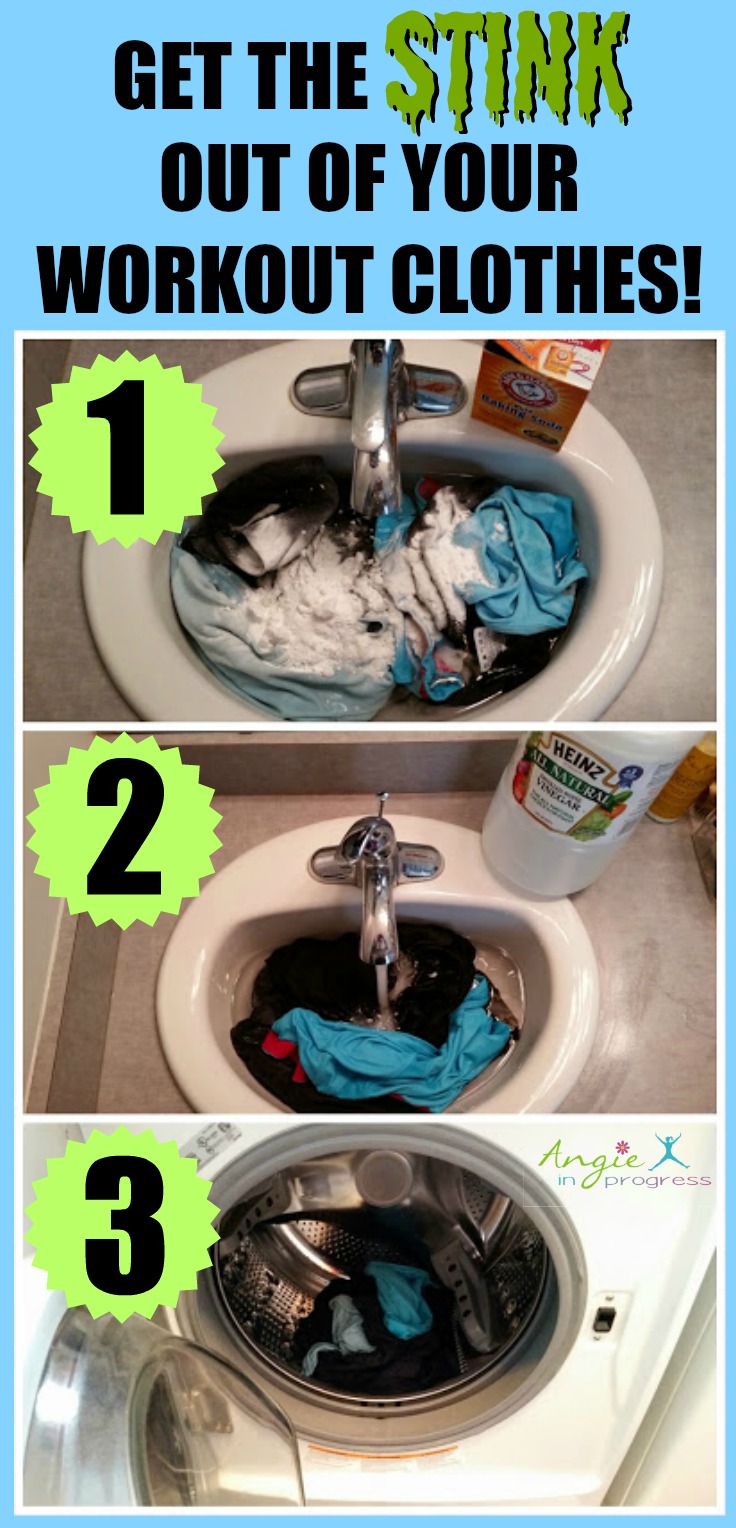
Image Source: angieinprogress.com
Deciphering the Odor: What Makes Gym Clothes Smell?
Before we dive into the solutions, let’s briefly explore what causes that tell-tale gym clothes smell. It’s not just sweat itself. Sweat is largely odorless. The problem arises when sweat mixes with the bacteria that naturally live on your skin and on your clothes. These bacteria feed on the sweat and oils, and as a byproduct, they release compounds that smell bad.
Factors that can worsen the smell include:
- Material: Synthetic fabrics, commonly used in sports apparel for their moisture-wicking properties, can sometimes trap odors more than natural fibers like cotton.
- Hygiene: Not washing clothes immediately after a workout allows bacteria more time to multiply and create stronger odors.
- Washing Machine Issues: A dirty washing machine can harbor mildew and bacteria, transferring odors to your clean clothes.
- Drying Methods: Improper drying can also contribute to lingering smells.
Pre-Treating: Your First Line of Defense
Before your workout clothes even hit the washing machine, a little pre-treatment can make a huge difference in tackling stubborn odors. This is especially important if you’re dealing with built-up smells or noticeable sweat stains.
The Power of Soaking: Baking Soda and Vinegar
Two natural powerhouses for odor removal are baking soda and white vinegar.
Baking Soda Soak
Baking soda is a fantastic deodorizer. It works by neutralizing acidic odor compounds.
- How to do it: Fill a basin or your sink with cool water. Add about half a cup of baking soda and stir to dissolve. Submerge your gym clothes, ensuring they are fully covered. Let them soak for at least 30 minutes, or even a few hours for deeply smelly items.
Vinegar Rinse
White vinegar is another excellent natural odor eliminator. It helps break down residue from sweat, body oils, and even laundry detergent that can trap odors.
- How to do it: Similar to the baking soda soak, fill a basin with cool water. Add one to two cups of white vinegar. Submerge your gym clothes and let them soak for 30 minutes.
Important Note: Never mix baking soda and vinegar directly in a soak. They neutralize each other. Use them in separate soaking sessions or as a pre-wash step followed by a wash.
Choosing the Right Laundry Detergent
The type of laundry detergent you use matters. Traditional detergents are designed to clean, but not always to eliminate deep-seated odors in synthetic fabrics.
High-Performance Detergents
Look for detergents specifically designed for sports apparel or those that highlight their odor eliminator capabilities. These often contain enzymes that break down odor-causing compounds more effectively than regular detergents.
Natural Alternatives
If you prefer a more natural approach, enzyme-based detergents or those with plant-derived cleaning agents can also be effective.
What to Avoid
- Fabric Softener: While tempting, fabric softener can actually coat the fibers of sports apparel, reducing their moisture-wicking ability and trapping odors over time. It’s best to skip it for your gym clothes.
Washing Your Gym Clothes: The Main Event
Now that your clothes are pre-treated, it’s time for the wash. Proper washing techniques are crucial for getting the stink out.
Washing Machine Settings
- Water Temperature: Use cool or warm water. Hot water can sometimes set sweat stains and damage delicate sports apparel fibers. Cool water is generally best for odor removal without damaging the fabric.
- Wash Cycle: Opt for a gentle or regular cycle. Avoid overly aggressive cycles that could stress the fabric.
- Load Size: Don’t overload the washing machine. Clothes need room to move freely in the water and detergent to get properly cleaned and rinsed.
Adding Your Detergent and Boosters
- Laundry Detergent: Use the recommended amount of your chosen laundry detergent.
- Odor Eliminator Boost: For an extra punch against odor, consider adding an odor eliminator booster. This could be:
- Baking Soda: Add half a cup of baking soda directly into the wash drum along with your detergent.
- White Vinegar: Add half a cup of white vinegar to the fabric softener compartment. This will be released during the rinse cycle.
- Borax: Borax is a natural mineral that can help boost your detergent’s cleaning power and deodorize fabrics. Add half a cup to the wash drum.
Drying Methods: The Final Crucial Step
How you dry your workout clothes is just as important as how you wash them. Improper drying can reintroduce smells or set in any residual odors.
Air Drying is Best
The absolute best method for drying gym clothes is air drying. This is gentle on the fabric and helps prevent odor buildup.
- How to do it: Hang your clothes on a drying rack or a clothesline. Ensure they are spread out to allow for good air circulation. Avoid direct sunlight for extended periods, as it can fade colors and degrade certain synthetic fabrics.
Tumble Drying Cautions
If you must use a dryer:
- Low Heat is Key: Always use the lowest heat setting possible. High heat can damage synthetic fibers, reduce their effectiveness, and can even “bake in” odors, making them even harder to remove.
- Don’t Over-Dry: Remove clothes as soon as they are dry. Over-drying can also contribute to static and potential odor retention.
- Dryer Sheets: Avoid using traditional dryer sheets. Like fabric softener, they can coat fibers and trap odors. Look for wool dryer balls, which can help soften clothes and reduce drying time without chemical coatings.
Tackling Stubborn Stains and Odors
Sometimes, even with the best practices, you might encounter persistent smells or noticeable sweat stains. Here are some advanced strategies:
The Vinegar Rinse Revisited
A dedicated vinegar rinse cycle can be a lifesaver. If your clothes still smell after a regular wash, run an extra rinse cycle with a cup of white vinegar in the fabric softener dispenser.
Baking Soda Paste for Stains
For localized sweat stains, a baking soda paste can be very effective.
- Mix baking soda with a little water to form a thick paste.
- Apply the paste directly to the stained areas.
- Gently rub the paste into the fabric with your fingers or a soft brush.
- Let it sit for at least 30 minutes, or longer for tougher stains.
- Wash as usual.
Enzyme Cleaners
Specialized enzyme cleaners are designed to break down organic matter, including sweat and body oils. These can be found at most grocery stores or online and can be added to your wash cycle for an extra boost.
Bleach (Use with Caution!)
Chlorine bleach can kill bacteria and remove odors, but it should be used with extreme caution, especially on sports apparel.
- Check Care Labels: Always check the care label on your sports apparel to ensure it can tolerate bleach. Many synthetic fabrics and colored items can be damaged or discolored by bleach.
- Dilute Properly: If using bleach, always dilute it with water according to the product instructions. Never pour undiluted bleach directly onto clothes.
- Color-Safe Bleach: For colored items, consider using a color-safe bleach.
Keeping Your Washing Machine Clean
A dirty washing machine can be the source of persistent odors in your laundry. Regular cleaning of your washing machine is essential for keeping your gym clothes smelling fresh.
Cleaning Cycles
Most modern washing machines have a self-cleaning cycle. Run this cycle regularly, following your machine’s manufacturer instructions.
Manual Cleaning
If you don’t have a self-cleaning cycle, or for a more thorough clean:
- Drum: Run an empty hot water cycle with a cup of white vinegar or baking soda added to the drum.
- Detergent Drawer: Clean out any residue from the detergent and fabric softener drawers with a brush and warm, soapy water.
- Door Seal: Wipe down the rubber door seal with a mild cleaner (like a diluted vinegar solution) and a cloth. This area can trap moisture and mildew.
- Leave Door Ajar: After each use, leave the washing machine door and detergent drawer slightly ajar to allow air circulation and prevent mildew growth.
Preventing Future Odors
Prevention is key to avoiding the dreaded gym clothes stink in the first place.
Post-Workout Habits
- Hang Them Up: Don’t leave sweaty clothes bunched up in a gym bag or on the floor. Hang them up to air out as soon as possible after your workout.
- Wash Promptly: The longer clothes sit, the more time bacteria has to multiply. Wash your gym clothes as soon as you can.
Gym Bag Hygiene
- Ventilation: Use a gym bag that has good ventilation.
- Regular Cleaning: Wash your gym bag periodically. Many fabric gym bags can be machine washed (check the label). For non-washable bags, wipe them down with a disinfectant spray.
- Separate Wet Items: If possible, use a separate waterproof pouch for wet items like swimsuits or sweaty towels.
Fabric Choices
While we often choose sports apparel for performance, consider the material. Some natural fibers or blends might be less prone to odor retention than certain synthetics, though they may not offer the same moisture-wicking capabilities.
Putting It All Together: A Routine for Fresh Gym Clothes
Here’s a summarized routine to keep your gym clothes smelling their best:
Before Washing:
- Air Out: Hang sweaty clothes to air out after each workout.
- Pre-Soak (if needed): Soak in baking soda or vinegar solution for 30 minutes to several hours.
- Spot Treat: Address any visible sweat stains with a baking soda paste.
Washing:
- Separate: Wash gym clothes separately from other laundry.
- Load Size: Don’t overcrowd the washing machine.
- Detergent: Use a high-performance laundry detergent or one formulated for activewear.
- Boosters: Add baking soda or white vinegar to the wash cycle for extra odor control.
- Water Temp: Use cool or warm water.
- Cycle: Use a gentle or regular wash cycle.
- Skip Fabric Softener: Avoid fabric softener altogether.
Drying:
- Air Dry: Air dry whenever possible.
- Low Heat Dryer: If using a dryer, use the lowest heat setting and remove clothes promptly. Avoid dryer sheets.
Maintenance:
- Clean Machine: Regularly clean your washing machine.
- Gym Bag Care: Keep your gym bag clean and aired out.
By following these laundry best practices, you can effectively get the stink out of your gym clothes and ensure your sports apparel stays fresh and ready for your next workout. It’s all about being proactive and using the right tools and techniques to combat those stubborn workout odors.
Frequently Asked Questions (FAQ)
Q1: Can I use regular laundry detergent for my gym clothes?
A1: While regular laundry detergent can clean clothes, it may not be strong enough to eliminate the deep-seated odors in workout clothes. Using a high-performance detergent designed for activewear or one with enhanced odor eliminator properties is often more effective.
Q2: How often should I wash my gym clothes?
A2: It’s best to wash gym clothes after every wear. The longer sweat and bacteria sit on the fabric, the harder it will be to remove the odor.
Q3: Is it okay to mix gym clothes with other laundry?
A3: It’s generally recommended to wash gym clothes separately. This allows you to use the most effective water temperature and cycle for your sports apparel without affecting other garments. It also prevents odor transfer from other items.
Q4: Can I use bleach on my gym clothes?
A4: You can use bleach on some gym clothes, but always check the care label first. Many synthetic fabrics and colored sports apparel can be damaged or discolored by chlorine bleach. If you use bleach, opt for a color-safe bleach or dilute chlorine bleach properly.
Q5: Why does my gym clothes still smell after washing?
A5: Several factors can cause this: the washing machine may need cleaning, you might be overcrowding the machine, not using enough detergent, or the laundry detergent might not be strong enough. Also, fabric softener can trap odors. Re-washing with an odor eliminator like vinegar or baking soda might help.
Q6: What is the best way to dry gym clothes?
A6: Air drying is the best method for gym clothes. If you use a dryer, always use the lowest heat setting. High heat can damage the fabric and set in odors.
Q7: Does fabric softener ruin workout clothes?
A7: While fabric softener makes clothes feel soft, it can coat the fibers of sports apparel, reducing their moisture-wicking capabilities and potentially trapping odors over time. It’s best to avoid it for gym clothes.
Q8: How can I get rid of sweat stains from my gym clothes?
A8: For sweat stains, try making a paste of baking soda and water. Apply it to the stain, let it sit for at least 30 minutes, and then wash as usual. Pre-soaking in a vinegar solution can also help loosen stains and odors.
Q9: Can I use a vinegar rinse instead of fabric softener?
A9: Yes! Adding white vinegar to the fabric softener compartment during the rinse cycle is an excellent way to help eliminate odors and residue without the drawbacks of fabric softener.
Q10: My workout clothes have a persistent mildew smell. What can I do?
A10: A mildew smell usually indicates that the clothes were left damp for too long or that your washing machine needs cleaning. Try soaking the clothes in a solution of 1 part white vinegar to 4 parts water, then wash them with an odor eliminator like baking soda. Ensure your washing machine is clean and that clothes are dried completely.