
Can I exercise after prostate surgery? Yes, but carefully and gradually, following your doctor’s advice. When to resume physical activity after prostate surgery is a common and crucial question for men recovering from prostate cancer surgery. This guide delves into the specifics of post-prostatectomy exercise, helping you navigate your prostate surgery recovery safely and effectively, with the ultimate goal of returning to activity after prostatectomy and even participating in sports after prostate cancer surgery once you’re fully healed.
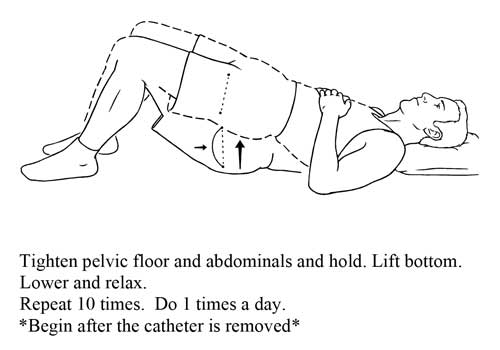
Image Source: www.urologysanantonio.com
The Importance of Movement After Prostate Surgery
While rest is vital in the initial stages of prostate cancer surgery rehabilitation, prolonged inactivity can hinder your recovery. Gentle, progressive exercise plays a significant role in regaining strength, improving cardiovascular health, managing potential side effects like urinary incontinence and erectile dysfunction, and boosting your overall quality of life.
Why Exercise Matters for Prostate Surgery Patients
- Muscle Strength and Endurance: Surgery can weaken muscles, particularly in the pelvic floor and core. Exercise helps rebuild this strength.
- Cardiovascular Health: Maintaining heart health is essential for overall well-being and aids in recovery.
- Mood and Mental Health: Physical activity is a known mood booster and can help combat the stress and anxiety often associated with cancer treatment and recovery.
- Managing Incontinence: Specific pelvic floor exercises after prostatectomy are critical for improving bladder control.
- Erectile Function: While not a direct cure, maintaining good physical health through exercise can support the body’s natural healing processes that contribute to regaining erectile function.
The Timeline: When Can You Start Exercising?
The exact timeline for returning to activity after prostatectomy varies from person to person, depending on the type of surgery (open, laparoscopic, robotic-assisted), your overall health before surgery, and how your body heals. However, a general framework can be established.
Phase 1: Immediate Post-Operative Period (First 1-2 Weeks)
During this initial phase, your body is focused on healing. The primary goal is rest and avoiding anything that puts strain on your surgical site.
What to Expect:
- Limited Mobility: You’ll likely feel fatigued and may experience some pain or discomfort.
- Catheter Care: If you have a catheter, it will restrict certain movements.
- Focus on Gentle Movement: The emphasis is on short, frequent walks around your home.
Exercise Guidelines Prostate Surgery:
- Walking: Begin with short, slow walks (5-10 minutes) several times a day. Gradually increase the duration and pace as you feel comfortable.
- Deep Breathing Exercises: These help prevent lung complications and promote relaxation.
- Ankle Pumps and Leg Raises: Simple movements performed while lying down can improve circulation and prevent blood clots.
Crucially, avoid any strenuous activity, heavy lifting (anything over 5-10 pounds), or activities that increase abdominal pressure.
Phase 2: Early Recovery (2-6 Weeks Post-Surgery)
As your pain subsides and you become more mobile, you can gradually increase the intensity and duration of your exercises. This is when many men start focusing on post-operative exercise regimen prostatectomy.
What to Expect:
- Increased Energy Levels: You’ll likely feel more like yourself.
- Catheter Removal: Once the catheter is removed, your mobility will improve significantly.
- Potential for Mild Discomfort: Listen to your body; if an exercise causes pain, stop.
Best Exercises for Prostate Surgery Recovery:
- Walking: Continue to increase the duration and pace of your walks. Aim for brisk walking.
- Stationary Cycling: Start with low resistance and short durations. Gradually increase the time and resistance as you feel able.
- Swimming: Once your incision sites are fully healed and your doctor gives the okay, swimming is an excellent low-impact option.
- Yoga and Tai Chi (Gentle Forms): These can improve flexibility, balance, and reduce stress. Focus on beginner or restorative classes.
- Pelvic Floor Exercises (Kegels): This is a critical time to consistently perform pelvic floor exercises after prostatectomy. Start with gentle contractions.
Table 1: Early Recovery Exercise Progression
| Activity | Week 2-3 | Week 4-6 |
|---|---|---|
| Walking | 10-15 min, 2-3 times daily, slow pace | 20-30 min, daily, brisk pace |
| Stationary Bike | 15 min, low resistance, seated | 20-30 min, light to moderate resistance |
| Swimming | Avoid until cleared by doctor | Gentle laps, focus on breathing |
| Kegels | Gentle, short contractions, multiple sets | Increase hold time and repetitions |
Phase 3: Intermediate Recovery (6 Weeks to 3 Months Post-Surgery)
By this stage, most men are feeling significantly better and can expand their exercise routine. The focus shifts towards rebuilding strength and endurance more comprehensively.
What to Expect:
- Return to More Normal Activities: Many everyday activities will feel comfortable again.
- Continued Improvement: You’ll notice ongoing gains in strength and stamina.
- Potential for Residual Issues: Some men may still experience mild incontinence or fatigue.
Post-Prostatectomy Exercise Recommendations:
- Cardiovascular Exercise: Increase the intensity and duration of activities like walking, cycling, swimming, and jogging.
- Strength Training: Introduce light weights or resistance bands. Focus on compound movements that work multiple muscle groups. Examples include:
- Squats (modified if necessary)
- Lunges
- Push-ups (on knees or against a wall initially)
- Rows
- Plank exercises (start with short holds)
- Flexibility: Continue with stretching, yoga, or Pilates to maintain and improve flexibility.
- Pelvic Floor Exercises: Continue regular Kegel exercises. You can also explore biofeedback with a physical therapist if you are struggling with control.
Important Note: Always start with lighter weights and fewer repetitions than you think you can handle, and gradually increase as your strength improves.
Phase 4: Late Recovery and Beyond (3 Months Onwards)
At this point, most men can resume their pre-surgery exercise routines, but it’s still important to be mindful of your body and continue with a structured approach to prostate cancer surgery rehabilitation.
What to Expect:
- Near Full Recovery: You should be able to engage in most physical activities.
- Long-Term Health Benefits: Consistent exercise contributes to ongoing health and well-being.
- Potential for Return to Sports: Many individuals can return to their favorite sports after prostate cancer surgery.
Exercise Guidelines Prostate Surgery:
- Maintain a Balanced Routine: Combine cardiovascular exercise, strength training, and flexibility work.
- Progressive Overload: Continue to challenge your muscles and cardiovascular system to see ongoing improvements.
- Listen to Your Body: Pay attention to any pain or discomfort and adjust your routine accordingly.
- Consider Advanced Pelvic Floor Training: If incontinence persists, consult a pelvic floor physical therapist for advanced exercises and techniques.
Returning to sports after prostate cancer surgery: This is a realistic goal for many. However, it’s crucial to ensure you are fully healed and have regained adequate strength and endurance. Activities with high impact or sudden bursts of movement might require extra caution and gradual reintroduction.
Key Exercises for Prostate Surgery Recovery
Let’s break down some of the most beneficial exercises and provide more detail on their execution during prostate surgery recovery.
1. Walking
- Why it’s good: Low-impact, improves cardiovascular health, aids circulation, helps manage fatigue.
- How to do it:
- Early Stages: Start with short, slow strolls. Focus on a comfortable pace and even surface.
- Progression: Gradually increase distance, speed, and frequency. Aim for a brisk pace where you can talk but not sing.
- Consider: Walking on a treadmill, outdoors, or in a mall.
2. Pelvic Floor Exercises (Kegels)
- Why it’s good: Crucial for regaining bladder control and supporting pelvic organs.
- How to do it:
- Identify the Muscles: To find the right muscles, try to stop the flow of urine midstream. These are your pelvic floor muscles. Never do Kegels while urinating regularly – only for identification.
- Contract: Squeeze these muscles gently, as if trying to hold back urine or gas.
- Hold: Hold the contraction for 3-5 seconds.
- Relax: Release the muscles completely for the same amount of time (3-5 seconds).
- Repeat: Aim for 10-15 repetitions per set, performing 3 sets daily.
- Progression: Gradually increase the hold time and repetitions as you get stronger. You can also try different positions (lying down, sitting, standing).
3. Stationary Cycling
- Why it’s good: Excellent cardiovascular workout with minimal impact on the body.
- How to do it:
- Early Stages: Start with the seat at a comfortable height and low resistance. Pedal at a relaxed pace for 10-15 minutes.
- Progression: Gradually increase the duration, resistance, and speed. Ensure you are not slouching, which can put pressure on your abdomen.
4. Bodyweight Strength Training
- Why it’s good: Builds muscle strength and endurance without the need for heavy weights.
- Examples:
- Wall Push-ups: Stand facing a wall, hands shoulder-width apart. Lean forward, bending elbows to bring chest towards the wall, then push back.
- Chair Squats: Stand in front of a sturdy chair. Slowly lower your hips as if to sit down, then stand back up.
- Bird-Dog: Start on your hands and knees. Extend one arm forward and the opposite leg backward simultaneously, keeping your core stable.
- Plank: Start on your forearms and toes, keeping your body in a straight line from head to heels. Hold for short periods and gradually increase.
5. Flexibility and Mobility Exercises
- Why it’s good: Prevents stiffness, improves range of motion, and can aid in reducing muscle soreness.
- Examples:
- Gentle Stretching: Hamstring stretches, quadriceps stretches, calf stretches. Hold each stretch for 15-30 seconds.
- Arm Circles: Forward and backward to improve shoulder mobility.
- Cat-Cow Stretch: On hands and knees, arch and round your back to improve spinal mobility.
Factors Influencing Your Return to Exercise
Several factors will influence how quickly and safely you can resume physical activity.
Type of Surgery
- Robotic-Assisted/Laparoscopic Surgery: Generally involves smaller incisions and a quicker recovery, often allowing for a faster return to light activity.
- Open Prostatectomy: Involves a larger incision and may require a longer recovery period before strenuous activity is advised.
Your Pre-Surgery Fitness Level
Men who were active and fit before surgery often find they can return to exercise sooner and with fewer complications. A strong baseline can significantly impact your prostate cancer surgery rehabilitation.
Individual Healing Rate
Everyone heals at their own pace. Some men bounce back quickly, while others need more time. Patience and listening to your body are key.
Presence of Complications
- Urinary Incontinence: This is a common side effect. Consistent pelvic floor exercises after prostatectomy are essential. Your exercise progression might be influenced by your level of continence.
- Erectile Dysfunction: While exercise doesn’t directly fix this, overall cardiovascular health and good circulation supported by exercise can be beneficial.
- Pain or Discomfort: Persistent pain is a signal to slow down or stop.
Medical Advice
This is paramount. Always consult your urologist or surgeon before starting any new exercise program. They can provide personalized exercise guidelines prostate surgery based on your specific situation.
When to Seek Professional Help
While this guide provides general information, it’s essential to work with healthcare professionals.
Consult a Physical Therapist
A physical therapist specializing in post-prostatectomy rehabilitation can:
- Assess your pelvic floor strength and function.
- Provide tailored pelvic floor exercises after prostatectomy.
- Guide you on appropriate post-operative exercise regimen prostatectomy.
- Help you safely progress your exercises and return to sports after prostate cancer surgery.
- Address any specific concerns you may have.
Discuss with Your Urologist
Your urologist will monitor your recovery and provide clearance for specific activities. They can also advise on managing side effects like incontinence and erectile dysfunction, which may indirectly influence your exercise choices.
Sample Weekly Exercise Plan (Intermediate Recovery – 6 Weeks to 3 Months)
This is a sample and should be adapted based on your individual progress and doctor’s advice.
Week 1 (of this phase)
- Monday: Brisk walking (30 minutes), Pelvic floor exercises (3 sets of 15), Light stretching.
- Tuesday: Stationary cycling (25 minutes, moderate resistance), Bird-dog exercise (3 sets of 10 per side), Light stretching.
- Wednesday: Rest or gentle stretching.
- Thursday: Brisk walking (30 minutes), Pelvic floor exercises (3 sets of 15), Plank (3 sets, hold 20-30 seconds).
- Friday: Bodyweight circuit: Chair squats (3 sets of 12), Wall push-ups (3 sets of 10), Light stretching.
- Saturday: Swimming (20 minutes, leisurely pace), Pelvic floor exercises.
- Sunday: Rest or gentle yoga.
Progression over the weeks:
- Gradually increase walking duration and speed.
- Increase resistance and duration on the stationary bike.
- Increase plank hold time.
- Add light dumbbells or resistance bands for exercises like bicep curls, shoulder presses, and rows if feeling strong.
- Increase repetitions or sets for bodyweight exercises.
Frequently Asked Questions (FAQ)
Q: How soon can I lift weights after prostate surgery?
A: Generally, you should avoid lifting anything heavier than 5-10 pounds for the first 4-6 weeks. After this period, you can gradually start with light weights and gradually increase the load as recommended by your doctor and based on your body’s response. Focus on proper form to avoid strain.
Q: Is it normal to feel fatigue during exercise after prostate surgery?
A: Yes, fatigue is common, especially in the early stages of recovery. It’s important to listen to your body. If you feel excessively tired, rest. Gradually increasing your activity levels will help improve your stamina over time. Staying hydrated and eating a balanced diet also plays a role in managing fatigue.
Q: Can I return to playing golf after prostate surgery?
A: Many men can return to golf. For an open prostatectomy, it might take 6-8 weeks or longer. For minimally invasive procedures, it could be sooner. Start with a short game or practice swings to assess how your body feels before playing a full round. Pay attention to your core and back, and avoid any sudden, forceful movements that cause pain.
Q: What if I experience urinary leakage during exercise?
A: This can happen, especially in the initial stages. It’s a sign that your pelvic floor muscles need more strengthening. Continue with your pelvic floor exercises after prostatectomy consistently. Consider wearing absorbent pads for protection. If leakage is persistent or worsening, consult your doctor or a pelvic floor physical therapist. Do not let this deter you from exercise, but be mindful and prepared.
Q: How long until I can resume my normal workout routine?
A: For most men, returning to their pre-surgery workout routine is possible within 2-3 months. However, this timeline is highly individual. Some may take longer, especially if they had an open surgery or experienced more significant side effects. Always prioritize a gradual return and consult your healthcare provider before making significant changes to your activity level.
Q: Are there specific exercises to avoid after prostate surgery?
A: Yes, in the initial weeks and months, avoid:
* Heavy lifting.
* Activities that cause straining or significant increases in abdominal pressure (e.g., traditional sit-ups, abdominal crunches, very heavy weightlifting).
* High-impact activities (e.g., running, jumping) until cleared by your doctor.
* Activities that involve a lot of twisting or bending, especially if it causes discomfort.
By following these guidelines and working closely with your healthcare team, you can safely and effectively incorporate exercise into your prostate surgery recovery, leading to a better outcome and improved long-term health. Remember, consistency and patience are key to successful prostate cancer surgery rehabilitation.