
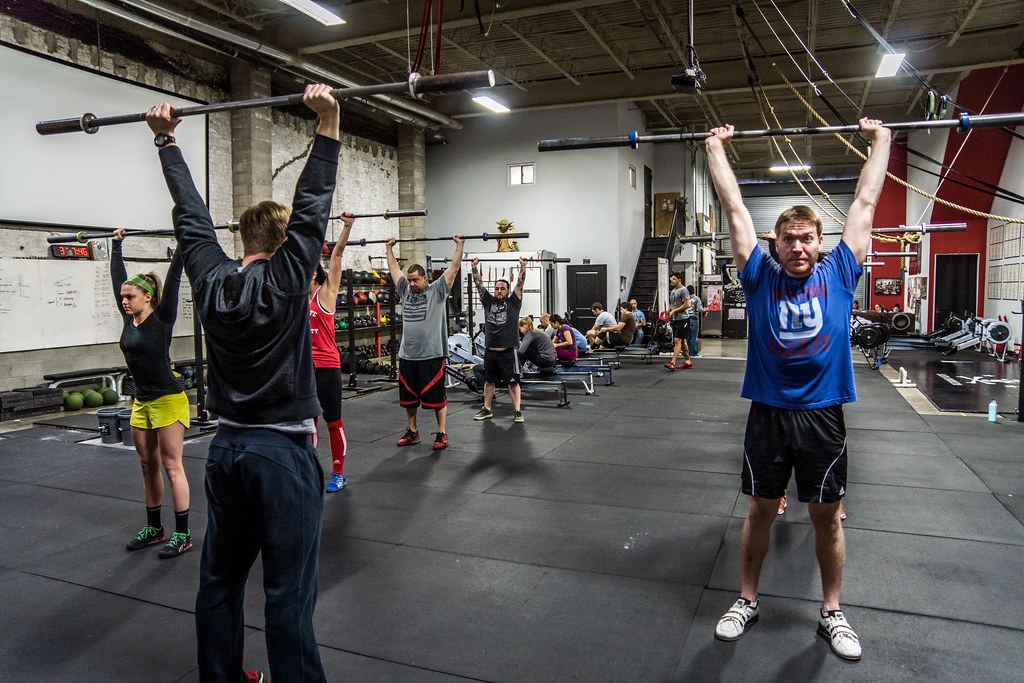
Image Source: farm3.staticflickr.com
Why Is The Gym So Expensive? Unpacking Costs
Why is the gym so expensive? The cost of gym memberships, often referred to as gym membership costs or health club fees, stems from a combination of high operational expenses, the desire to offer premium amenities, and the perceived value of consistent fitness access. While some may see it as just a place to exercise, the reality is that fitness facility pricing reflects a complex business model. Let’s delve deeper into what contributes to the cost of exercise.
The allure of a clean, well-equipped gym is undeniable. It promises a space to de-stress, get fit, and improve overall well-being. Yet, for many, the monthly subscription costs can feel like a significant drain on their finances. This article aims to demystify the pricing structures and explain why the gym, in many cases, commands a premium. We’ll explore everything from the foundational expenses of running a facility to the specialized services that elevate the experience, and we’ll also touch upon budget-friendly fitness options for those looking to economize.
The Foundation: What Goes Into Running a Fitness Facility?
Running a gym isn’t simply about opening the doors and letting people in. It’s a capital-intensive business with numerous ongoing expenses that directly influence fitness facility pricing. Think of it like owning a restaurant; you need more than just tables and chairs.
1. Real Estate and Location
This is often the biggest factor. Prime locations, easily accessible to a large population, come with hefty price tags.
- Rent/Mortgage: Securing a suitable space in a desirable area is costly. This can be rent payments or mortgage installments, both of which are significant monthly outlays.
- Property Taxes and Insurance: Owning or renting property incurs ongoing taxes and requires comprehensive insurance to protect against damage, liability, and business interruption.
- Utilities: Keeping the lights on, the air conditioning or heating running, and the water flowing for showers and cleaning adds up. Gyms are often large spaces requiring substantial energy.
2. Equipment: The Heartbeat of the Gym
Gym equipment is an investment, and a significant one at that. Not only is the initial purchase expensive, but maintenance and eventual replacement are also crucial.
- Initial Purchase: Treadmills, ellipticals, weight machines, free weights, resistance bands, and specialized training equipment all represent substantial upfront costs. A full suite of modern, high-quality equipment can easily run into hundreds of thousands, if not millions, of dollars for a larger facility.
- Maintenance and Repairs: Machines get a lot of use. Regular servicing, lubrication, belt replacements, and unexpected repairs are unavoidable. Neglecting maintenance can lead to breakdowns, user injuries, and a poor member experience.
- Upgrades and Replacements: Fitness trends evolve, and so does equipment technology. To remain competitive and offer the latest in fitness, gyms need to budget for periodic upgrades and replacements of older, worn-out machinery.
3. Staffing: The Human Element
A well-run gym requires a dedicated team to ensure smooth operations and a positive member experience.
- Front Desk Staff: Greeting members, managing memberships, and handling inquiries are essential for customer service.
- Fitness Instructors and Personal Trainers: Qualified professionals are needed to guide members, lead group classes, and offer specialized training. Personal training rates, in particular, reflect the expertise and time of these individuals.
- Management and Administration: Overseeing operations, marketing, accounting, and ensuring compliance with regulations requires administrative staff.
- Cleaning and Maintenance Crew: Maintaining a hygienic and pleasant environment is paramount. This includes regular cleaning of equipment, floors, locker rooms, and restrooms.
4. Marketing and Sales
Attracting new members and retaining existing ones requires ongoing marketing efforts.
- Advertising: Online ads, local partnerships, and promotional materials contribute to the cost of customer acquisition.
- Sales Commissions: Many gyms incentivize their sales teams with commissions, adding to staffing costs.
- Promotions and Discounts: Offering introductory deals or special packages, while good for attracting customers, impacts overall revenue.
5. Amenities and Extras
To stand out in a crowded market and justify higher health club fees, many gyms offer a range of amenities.
- Swimming Pools and Spas: The construction, maintenance, and chemical treatment of pools and spas are incredibly expensive.
- Saunas and Steam Rooms: These require dedicated infrastructure and energy consumption.
- Locker Rooms and Showers: Providing clean, well-maintained, and often luxurious locker room facilities is a significant operational cost, including laundry services for towels and cleaning supplies.
- Group Fitness Studios: These spaces need to be equipped with sound systems, specialized flooring, mirrors, and potentially other props for classes like yoga, spin, or HIIT.
- Childcare Services: Offering childcare adds another layer of staffing, licensing, and insurance costs.
- Wi-Fi, Lounges, and Cafes: These modern conveniences, while appreciated by members, also add to the operational overhead.
Membership Value: What Are You Really Paying For?
When you pay your gym membership costs, you’re not just paying for access to a building and some equipment. You’re investing in a whole ecosystem designed to support your fitness journey. The perceived membership value is often tied to the quality and breadth of services and facilities offered.
1. Access and Convenience
- Hours of Operation: Many gyms offer extended hours, including early mornings, late nights, and weekends, requiring staff and utilities to be available during these times.
- Location: A convenient location closer to home or work often comes with a higher price tag.
2. Community and Motivation
- Group Fitness Classes: The availability of a wide variety of classes led by certified instructors provides structured workouts and social interaction, enhancing the cost of exercise.
- Motivational Environment: A clean, well-equipped, and positive atmosphere can be a powerful motivator, contributing to consistent attendance.
3. Expertise and Guidance
- Personal Training Rates: While often an add-on, the cost of personal training reflects the specialized knowledge and personalized attention provided by certified trainers. These rates are set to compensate trainers for their expertise and time.
- On-site Staff: Having staff available to answer questions, demonstrate proper form, and provide general guidance adds to the overall value.
4. Variety of Equipment and Training Options
- Specialized Equipment: Access to specialized equipment for different training styles (e.g., Olympic lifting platforms, CrossFit rigs, powerlifting benches) caters to niche interests and increases the gym’s appeal.
- Cardio Variety: A wide selection of treadmills, ellipticals, rowers, stair climbers, and stationary bikes ensures members can find a cardio machine they enjoy.
Decoding Fitness Facility Pricing: Different Tiers and Models
The cost of exercise can vary dramatically depending on the type of fitness facility you choose. The pricing strategies are often tiered to appeal to different customer segments.
1. Basic Gyms / Budget Gyms
These gyms focus on providing essential equipment and facilities at a lower price point.
- Lower Subscription Costs: They aim for high volume by offering competitive pricing.
- Limited Amenities: Often lack pools, spas, extensive group fitness classes, or fancy locker rooms.
- Focus on Equipment: The primary draw is access to a decent range of weight and cardio machines.
- Examples: Planet Fitness, Gold’s Gym (basic tier), or local independent budget gyms.
2. Mid-Range Gyms
These facilities offer a balance of good equipment, a variety of classes, and comfortable amenities.
- Moderate Subscription Costs: Positioned between budget and premium options.
- Broader Class Schedules: More group fitness classes, often including popular formats like Zumba, cycling, and yoga.
- Improved Amenities: Nicer locker rooms, possibly a pool or sauna, and a more polished environment.
- Examples: YMCA, local fitness chains, or more established independent gyms.
3. Premium / Boutique Gyms
These gyms cater to those seeking a luxury experience, specialized training, or a highly curated environment.
- Higher Subscription Costs: Reflect the extensive amenities, specialized classes, and often prime locations.
- Exclusive Amenities: High-end locker rooms with premium toiletries, on-site cafes, towel service, and sometimes even recovery services like cryotherapy or massage.
- Specialized Offerings: May focus on specific types of training like CrossFit, Pilates, boxing, or offer a vast array of niche group classes.
- Premium Gym Access: Often includes unlimited access to all classes and sometimes even personal training sessions or workshops.
- Examples: Equinox, SoulCycle, Barry’s Bootcamp, high-end local studios.
4. Franchise vs. Independent Gyms
- Franchise Gyms: Often have standardized pricing and operational models across multiple locations. They benefit from brand recognition and established marketing strategies.
- Independent Gyms: Pricing can be more flexible and tailored to the local market. They may offer more unique or personalized experiences.
The Economics of Membership Value: Is It Worth It?
The question of whether the gym is “worth it” is subjective and depends heavily on individual usage patterns and priorities.
Factors Influencing Perceived Value:
- Frequency of Use: If you go to the gym only once a month, the cost per visit will be very high, making it seem expensive. However, if you attend multiple times a week, the cost per workout becomes much more reasonable.
- Utilization of Amenities and Classes: If you take advantage of the group fitness classes, use the pool, or benefit from the clean facilities, you are getting more value for your membership.
- Cost of Alternatives: Compare the gym membership costs to other forms of exercise. A personal trainer can cost $60-$150 per session. Joining multiple specialized studios can quickly exceed the cost of a comprehensive gym membership.
- Motivation and Accountability: For some, the financial commitment of a gym membership is a powerful motivator to stay consistent with their fitness routine.
Calculating Your Personal Membership Value:
Let’s consider an example:
- Monthly Membership Cost: $60
- Annual Cost: $60/month * 12 months = $720
If you go to the gym 3 times a week, that’s roughly 12 times a month.
- Cost Per Visit: $60 / 12 visits = $5 per visit
Now, consider if you were to:
- Attend 3 spin classes per week: If each class costs $25, that’s 3 * $25 * 4 weeks = $300 per month.
- Hire a personal trainer once a week: At $100 per session, that’s $400 per month.
In this context, a $60 monthly gym membership that offers access to a wide range of equipment and classes starts to look very affordable.
Budget-Friendly Fitness Options
For those who find gym membership costs prohibitive, there are numerous budget-friendly fitness options.
1. Bodyweight Training
- Cost: Free!
- Equipment: Your own body.
- Exercises: Push-ups, squats, lunges, planks, burpees, jumping jacks, and more can provide a full-body workout.
2. Home Workouts
- Cost: Low to moderate initial investment for basic equipment.
- Equipment: Resistance bands, dumbbells, a yoga mat, jump rope.
- Resources: Numerous free workout videos available on platforms like YouTube.
3. Outdoor Activities
- Cost: Free to low cost.
- Activities: Running, walking, cycling, hiking, swimming in public pools (if available and affordable).
- Benefits: Fresh air, natural scenery, and a change of pace.
4. Community and Public Resources
- Cost: Often free or low cost.
- Examples:
- Parks and Recreation Departments: Many offer affordable fitness classes or access to public sports facilities.
- Community Centers: May have basic gym equipment and group classes.
- Free Outdoor Gyms: Increasingly common in urban parks.
5. Discount Gym Chains
- Cost: Lower subscription costs than traditional gyms.
- Features: Often have basic equipment and fewer amenities, but provide a functional space for workouts.
6. Off-Peak Memberships
- Cost: Reduced monthly fees.
- Requirement: Accessing the gym during non-peak hours, which might be inconvenient for some.
The Future of Fitness Pricing
The fitness industry is constantly evolving. We’re seeing a rise in:
- Hybrid Models: Gyms offering digital subscriptions alongside physical access.
- Pay-as-You-Go Options: Some facilities are experimenting with drop-in rates or class packs, offering more flexibility.
- Technology Integration: Wearable devices and fitness apps are becoming more integrated, potentially influencing how gyms price their services or offer value.
- Focus on Wellness: Gyms are increasingly positioning themselves as holistic wellness centers, which can justify higher pricing due to a broader range of services.
Frequently Asked Questions (FAQ)
Q1: Why do some gyms charge initiation fees?
A1: Initiation fees, also known as enrollment or joining fees, help offset the initial costs associated with setting up a new member’s account and account for the marketing and sales efforts used to acquire that member. They can also be seen as a way to ensure a certain level of commitment from new members.
Q2: Are personal training rates negotiable?
A2: While not always advertised, personal training rates can sometimes be negotiable, especially if you are purchasing a package of sessions. It’s always worth asking about potential discounts for bulk purchases or if there are any introductory offers.
Q3: What are typical gym overhead expenses?
A3: Typical gym overhead expenses include rent or mortgage payments, utilities (electricity, water, gas), equipment maintenance and repairs, staff salaries and benefits, insurance, cleaning and janitorial services, marketing and advertising costs, and property taxes.
Q4: How can I get the best value from my gym membership costs?
A4: To get the best value, use your membership frequently. Take advantage of the group fitness classes, try out different types of equipment, and utilize any amenities offered. Compare the cost per visit to the cost of alternative fitness activities.
Q5: Are there ways to find cheaper gym memberships?
A5: Yes, look for budget-friendly fitness options, consider off-peak memberships, take advantage of introductory offers and promotions, and inquire about corporate discounts through your employer. Sometimes, older or less centrally located gyms can also offer lower subscription costs.
Q6: What is the difference between a health club and a gym?
A6: While the terms are often used interchangeably, a “health club” typically implies a broader range of amenities and services than a standard “gym.” Health clubs might include pools, spas, tennis courts, and a more comprehensive social and wellness offering, often reflected in higher health club fees.
In conclusion, the expense associated with gym memberships is a multifaceted issue. It’s a reflection of the significant investment required to build, equip, and operate a modern fitness facility, combined with the value placed on convenience, community, and a supportive environment for achieving fitness goals. By understanding these underlying costs and evaluating how you utilize the services, you can better determine the true membership value for your personal fitness journey.