
Can osteopenia be reversed with exercise? The exciting answer is a resounding yes! While medication plays a role, incorporating the right types of physical activity can significantly boost your bone density and even reverse osteopenia, making it a powerful tool in the fight for stronger bones.
Image Source: my.clevelandclinic.org
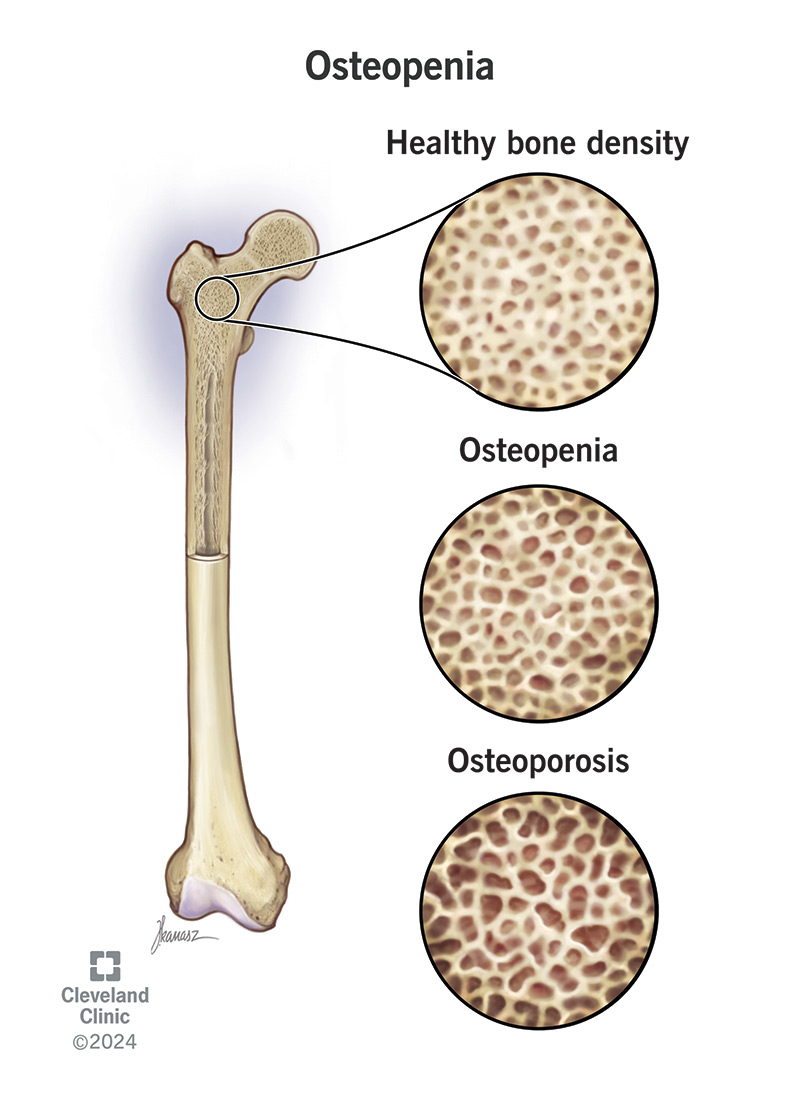
Deciphering Osteopenia and Its Impact on Bone Health
Osteopenia is a condition where bone mineral density (BMD) is lower than normal, but not yet low enough to be classified as osteoporosis. Think of it as a warning sign, a precursor to osteoporosis, a more severe condition characterized by brittle and fragile bones. This reduction in bone mass makes bones weaker and more susceptible to fractures.
What Happens to Our Bones Over Time?
Our bones are living tissue, constantly undergoing a process called bone remodeling. This involves old bone being broken down and new bone being formed.
- Osteoblasts: These are the bone-building cells. They lay down new bone matrix.
- Osteoclasts: These cells break down bone tissue.
In healthy individuals, these processes are balanced. However, as we age, particularly after menopause for women and around age 65-70 for men, the rate of bone breakdown can exceed the rate of bone formation. This imbalance leads to a gradual loss of bone density, increasing the risk of osteopenia and eventually osteoporosis. Factors like genetics, diet, hormonal changes, and lifestyle choices also play a significant role.
Identifying Osteopenia: The DEXA Scan
The primary method for diagnosing osteopenia and osteoporosis is a Dual-energy X-ray Absorptiometry (DEXA) scan. This non-invasive test measures the amount of calcium and other minerals in your bones. The results are compared to the average bone density of a healthy young adult.
- T-score: This score compares your BMD to that of a healthy young adult.
- -1.0 or higher: Normal bone density.
- -1.0 to -2.49: Osteopenia.
- -2.5 or lower: Osteoporosis.
- Z-score: This score compares your BMD to that of someone of the same age and sex. A low Z-score might indicate a secondary cause for bone loss.
Why is Bone Density Improvement Crucial?
Improving bone density is essential for several reasons:
- Reducing Fracture Risk: Higher bone density means stronger bones, significantly lowering the chance of fractures from falls or even minor stresses.
- Preventing Osteoporosis: By addressing osteopenia early, you can prevent it from progressing to osteoporosis, a condition with serious health implications.
- Maintaining Mobility and Independence: Strong bones support your body, allowing for active movement and the ability to perform daily activities without pain or fear of breaking a bone.
- Enhancing Quality of Life: A life free from the worry of fractures and the limitations of weakened bones leads to a better overall quality of life.
The Powerful Role of Exercise in Reversing Osteopenia
Exercise is one of the most effective and accessible strategies for improving bone density and reversing osteopenia. When we challenge our bones, they respond by becoming stronger. This is a fundamental principle known as Wolff’s Law, which states that bone adapts to the loads under which it is placed.
How Exercise Stimulates Bone Growth
Physical activity, particularly impact and resistance, creates mechanical stress on bones. This stress signals to the osteoblasts to lay down more bone tissue, thereby increasing BMD.
- Mechanical Loading: The forces applied to bones during exercise act as a stimulus. The greater the force, the greater the stimulus for bone formation.
- Muscle Contraction: When muscles contract, they pull on the bones they are attached to. This pulling action also stimulates bone growth.
Key Exercise Types for Bone Health
Not all exercises are created equal when it comes to bone health. The most beneficial types are those that provide a good stimulus for bone formation.
1. Weight-Bearing Exercises
These exercises involve standing and working against gravity. They are crucial for building and maintaining bone density, especially in the hips and spine.
- What they are: Activities where your body’s weight is supported by your legs and feet.
- Why they work: The impact and stress on your bones signal them to become stronger.
- Examples:
- Walking: A great starting point, easily accessible, and can be done almost anywhere. Gradually increase speed, distance, or add inclines.
- Jogging/Running: Provides a higher impact stimulus than walking. Start slowly and gradually increase intensity and duration.
- Dancing: A fun way to get weight-bearing exercise with varied movements.
- Hiking: Offers varied terrain, which can increase the challenge.
- Stair Climbing: Excellent for strengthening leg bones and improving cardiovascular health.
- Jumping Jacks: A plyometric exercise that provides a high-impact stimulus.
- Aerobics: Many forms of aerobics, especially those involving jumping or impact, are beneficial.
Table 1: Impact Levels of Weight-Bearing Exercises
| Exercise Type | Impact Level | Bone Stimulus | Notes |
|---|---|---|---|
| Walking | Low | Moderate | Excellent for beginners; gradual progression is key. |
| Brisk Walking | Low-Moderate | Good | Increases heart rate and bone stress. |
| Hiking | Moderate | Good | Varied terrain provides consistent bone challenge. |
| Jogging/Running | High | High | Requires good joint health; gradual build-up recommended. |
| Dancing | Moderate | Good | Combines weight-bearing with coordination and balance. |
| Stair Climbing | Moderate | Good | Builds lower body strength and bone density. |
| Jumping Jacks | High | Very High | Short bursts can be very effective. |
2. Resistance Training (Strength Training)
This type of exercise involves working your muscles against a weight or force. While primarily known for building muscle, it also has significant benefits for bone health by placing stress on the bones as muscles pull on them.
- What it is: Exercises that make your muscles work against an external resistance.
- Why it works: Muscle contractions pull on bones, creating tension that stimulates bone formation. The stronger the muscle contraction, the greater the stimulus for bone.
- Examples:
- Lifting Weights: Using dumbbells, barbells, or weight machines.
- Bodyweight Exercises: Push-ups, squats, lunges, planks, and pull-ups.
- Resistance Bands: Provide variable resistance and are portable.
- Using Your Own Body Weight: Incorporating movements that challenge your body against gravity.
Table 2: Benefits of Strength Training for Bones
| Benefit Category | Specific Outcome | Mechanism of Action |
|---|---|---|
| Muscle Strength | Increased force generation | Muscles become stronger and can pull harder on bones. |
| Bone Loading | Enhanced mechanical stress on bones | Muscle contractions create tension, stimulating osteoblasts. |
| Balance & Stability | Improved posture and coordination | Reduces the risk of falls, a primary cause of fractures. |
| Metabolic Health | Improved insulin sensitivity, body composition | General health improvements support bone health. |
3. Balance and Flexibility Exercises
While not directly stimulating bone growth, these exercises are crucial for osteoporosis prevention and reducing the risk of falls, which can lead to fractures.
- What they are: Exercises that improve your ability to maintain equilibrium and move your joints through their full range of motion.
- Why they work: Improved balance helps prevent falls. Better flexibility can improve your gait and posture, reducing strain on bones.
- Examples:
- Tai Chi: A slow, flowing form of exercise that significantly improves balance.
- Yoga: Enhances flexibility, balance, and body awareness. Certain poses can also provide gentle weight-bearing benefits.
- Standing on One Foot: Simple yet effective for improving balance.
- Heel-to-Toe Walking: Mimics walking on a tightrope to challenge balance.
Creating an Effective Exercise Prescription for Osteopenia
An individualized approach is key to an effective exercise prescription for osteopenia. It should consider your current fitness level, any existing medical conditions, and your personal preferences.
H4: Key Principles of Exercise Prescription
- Consistency: Regular exercise is more important than infrequent intense workouts. Aim for most days of the week.
- Progression: Gradually increase the intensity, duration, or frequency of your exercises as your body adapts.
- Variety: Incorporate a mix of weight-bearing, resistance, and balance exercises to provide a comprehensive stimulus.
- Listen to Your Body: Avoid pushing through pain. Rest and recovery are essential.
- Consult Your Doctor: Before starting any new exercise program, especially if you have osteopenia or other health concerns, talk to your doctor or a physical therapist.
H5: Sample Weekly Exercise Schedule (Adaptable)
This is a sample and should be adjusted based on individual needs and capabilities.
| Day | Activity | Focus | Notes |
|---|---|---|---|
| Monday | Brisk Walking (30-45 minutes) | Cardiovascular & Weight-Bearing | Focus on pace and duration. |
| Tuesday | Strength Training (Full Body: 45-60 minutes) | Muscle Strength & Bone Loading | Squats, lunges, push-ups, rows, planks. Use weights or resistance. |
| Wednesday | Rest or Active Recovery (Light walk, stretching) | Recovery | Gentle movement promotes blood flow and healing. |
| Thursday | High-Impact Weight-Bearing (e.g., jumping jacks, dancing) & Balance Exercises (15-20 minutes) | Bone Stimulus & Fall Prevention | Short bursts of impact, followed by balance drills. |
| Friday | Strength Training (Full Body: 45-60 minutes) | Muscle Strength & Bone Loading | Vary exercises from Tuesday if possible. |
| Saturday | Moderate Weight-Bearing (e.g., hiking, cycling on hills) | Cardiovascular & Bone Stimulus | Enjoyable activity that challenges bones. |
| Sunday | Rest or Flexibility (Yoga, Tai Chi) | Recovery & Balance | Focus on mobility and core strength. |
H5: Important Considerations for Exercise
- Warm-up: Always start with 5-10 minutes of light cardio (e.g., marching in place, arm circles) and dynamic stretches.
- Cool-down: End with 5-10 minutes of static stretching to improve flexibility and aid recovery.
- Hydration: Drink plenty of water before, during, and after exercise.
- Proper Form: Focus on correct technique to maximize benefits and prevent injuries. If unsure, seek guidance from a qualified fitness professional.
Beyond Exercise: Holistic Approaches to Bone Health
While exercise is a cornerstone of bone health exercises and reducing bone loss, a comprehensive approach also includes other lifestyle factors.
Nutritional Support for Stronger Bones
A balanced diet rich in essential nutrients is vital for promoting bone formation and ensuring your body has the building blocks it needs for bone repair and growth.
- Calcium: The primary mineral component of bone.
- Sources: Dairy products (milk, cheese, yogurt), leafy green vegetables (kale, broccoli), fortified plant-based milks, tofu, sardines with bones.
- Recommended Daily Intake: Varies by age and sex, but generally around 1000-1200 mg for adults.
- Vitamin D: Crucial for calcium absorption.
- Sources: Sunlight exposure (safely!), fatty fish (salmon, mackerel), fortified foods (milk, cereals), egg yolks.
- Recommended Daily Intake: Varies, but often 600-800 IU for adults. Blood tests can help determine individual needs.
- Magnesium: Plays a role in bone structure and calcium regulation.
- Sources: Nuts, seeds, whole grains, leafy greens, dark chocolate.
- Vitamin K: Important for bone mineralization and protein synthesis.
- Sources: Leafy green vegetables, fermented foods.
- Protein: Essential for bone matrix formation.
- Sources: Lean meats, poultry, fish, eggs, dairy, legumes, nuts, seeds.
H5: Dietary Tips for Bone Health
- Prioritize nutrient-dense foods.
- Limit excessive caffeine and alcohol intake, as they can interfere with calcium absorption and bone metabolism.
- Avoid smoking, which is detrimental to bone health.
Medical Interventions and When to Consider Them
In some cases, lifestyle changes alone may not be enough to reverse osteopenia or prevent its progression.
- Bisphosphonates: These medications are commonly prescribed to slow down bone loss and increase bone density. They work by inhibiting osteoclasts.
- Other Medications: Depending on the cause of bone loss, your doctor may recommend other medications, such as hormone replacement therapy (HRT) or anabolic agents.
- Supplements: If dietary intake is insufficient, calcium and vitamin D supplements may be recommended by your doctor.
It is crucial to have an open conversation with your healthcare provider about your bone health and to follow their recommendations regarding medication and supplements.
Real-Life Success: Osteopenia Reversed With Exercise
Countless individuals have experienced the power of exercise in improving their bone density. Sarah, a 55-year-old woman diagnosed with osteopenia in her hip and spine, was determined to take a proactive approach. After her diagnosis, she consulted with her doctor and a physical therapist.
She began a tailored exercise program that included:
- Daily brisk walks (45 minutes).
- Three sessions per week of strength training focusing on compound movements like squats, deadlifts (with light weights initially), and overhead presses.
- Incorporating high-impact activities like jumping jacks and dancing twice a week.
- Regular balance exercises like standing on one leg and Tai Chi.
Sarah also focused on increasing her calcium and vitamin D intake through diet. After one year of consistent effort, her follow-up DEXA scan showed a significant improvement in her bone density. Her T-score in the hip had increased by 0.7 points, moving her out of the osteopenia range. She felt stronger, more energetic, and more confident in her body. Sarah’s story is a testament to the fact that osteopenia can indeed be reversed with consistent and appropriate exercise.
Frequently Asked Questions (FAQ)
Q1: How quickly can osteopenia be reversed with exercise?
The timeline for reversing osteopenia varies greatly depending on individual factors such as age, starting bone density, genetics, adherence to the exercise program, and overall lifestyle. Some individuals may see noticeable improvements in bone density within 6-12 months of consistent, appropriate exercise, while others may take longer.
Q2: Can I do high-impact exercises if I have osteopenia?
Yes, high-impact exercises can be very beneficial for bone health, but they must be introduced carefully and progressively. It’s essential to have a baseline of strength and balance. Always consult your doctor or a physical therapist before starting high-impact activities. They can help you determine if it’s safe for you and guide you on proper form to minimize injury risk.
Q3: What are the most effective strength training exercises for bone density?
Compound exercises that work multiple muscle groups and joints are generally the most effective. Examples include:
- Squats
- Lunges
- Deadlifts (proper form is critical)
- Push-ups
- Rows
- Overhead presses
- Pull-ups (or assisted pull-ups)
Focusing on exercises that load the spine, hips, and wrists is particularly important as these are common sites for osteoporotic fractures.
Q4: Is it too late to start exercising to improve my bone density?
It is never too late to start exercising to improve your bone health. While starting earlier provides greater benefits, even later in life, exercise can still help to slow bone loss, improve bone density, and reduce the risk of fractures. The physical activity benefits extend to overall health and well-being at any age.
Q5: What if I have bone pain or joint issues?
If you experience bone pain or have joint issues, it’s crucial to consult with your doctor or a physical therapist before starting an exercise program. They can help identify the cause of your pain and recommend modifications or alternative exercises that are safe and effective for you. Low-impact weight-bearing exercises and water-based exercises might be good starting points.
Q6: How much calcium and vitamin D do I need if I have osteopenia?
The recommended intake can vary, but generally, adults need around 1000-1200 mg of calcium and 600-800 IU of vitamin D daily. However, it’s best to discuss your specific needs with your doctor or a registered dietitian, as they can assess your diet and recommend appropriate supplements if necessary.
Q7: Can swimming or cycling reverse osteopenia?
While swimming and cycling are excellent for cardiovascular health and muscle strengthening, they are generally considered low-impact activities that provide less mechanical stress on bones compared to weight-bearing exercises. Therefore, they are less effective on their own for reversing osteopenia. They can be good complementary activities, especially for those who cannot perform weight-bearing exercises, but they should not be the sole form of exercise for bone health.
Q8: Are there any exercises I should avoid if I have osteopenia?
You should generally avoid high-impact activities that involve sudden twisting or bending of the spine, especially if you have significant bone loss. Examples might include:
- Certain rapid, jarring movements.
- Exercises that involve significant forward bending of the spine, like some traditional sit-ups or toe touches if not performed with extreme caution and core strength.
- Activities with a very high risk of falls if balance is poor.
Always prioritize safety and proper form. Consulting a professional can help you identify any specific movements to avoid based on your individual condition.
Q9: What is the role of strength training for bones in preventing osteoporosis?
Strength training is crucial for osteoporosis prevention. By building muscle mass and strength, you improve your body’s ability to generate forces that stimulate bone, leading to bone density improvement. Furthermore, the improved balance and stability that come with strength training significantly reduce the risk of falls, which are the primary cause of osteoporotic fractures. This contributes to overall reducing bone loss and promoting bone formation.
Q10: Can osteopenia be completely cured or just managed?
Osteopenia is a condition where bone density is reduced. By implementing lifestyle changes, particularly consistent exercise and a healthy diet, it is possible to increase bone density and return it to a normal range, effectively reversing the condition. Therefore, it’s accurate to say that osteopenia can be reversed, not just managed, through effective interventions.
Conclusion: Embracing a Stronger Future
The journey to stronger bones begins with knowledge and action. Osteopenia is not a life sentence of fragility; it is a signal to make positive changes. By embracing a consistent regimen of weight-bearing exercises, resistance training, and balance work, you empower your body to rebuild and strengthen its skeletal framework. Coupled with a nutrient-rich diet and mindful lifestyle choices, exercise is a powerful, accessible, and effective strategy for reversing osteopenia, paving the way for a healthier, more active, and fracture-free future. Remember, every step, every lift, and every balanced pose is an investment in your long-term bone health.